
Conservative MP's Defection Brings Canada's Liberals Closer to Majority
In This Article
HIGHLIGHTS
- Conservative MP Michael Ma defected to the Liberal Party, leaving the Liberals just one seat shy of a parliamentary majority.
- Ma cited Prime Minister Mark Carney's "steady, practical approach" as a key reason for his decision, emphasizing unity and decisive action.
- Conservative leader Pierre Poilievre criticized Ma for endorsing policies he was elected to oppose, highlighting affordability issues.
- This defection follows another Conservative MP's switch to the Liberals and an upcoming leadership review for Poilievre.
- Government house leader Steve MacKinnon suggested more Conservative MPs might be frustrated with their party's leadership.
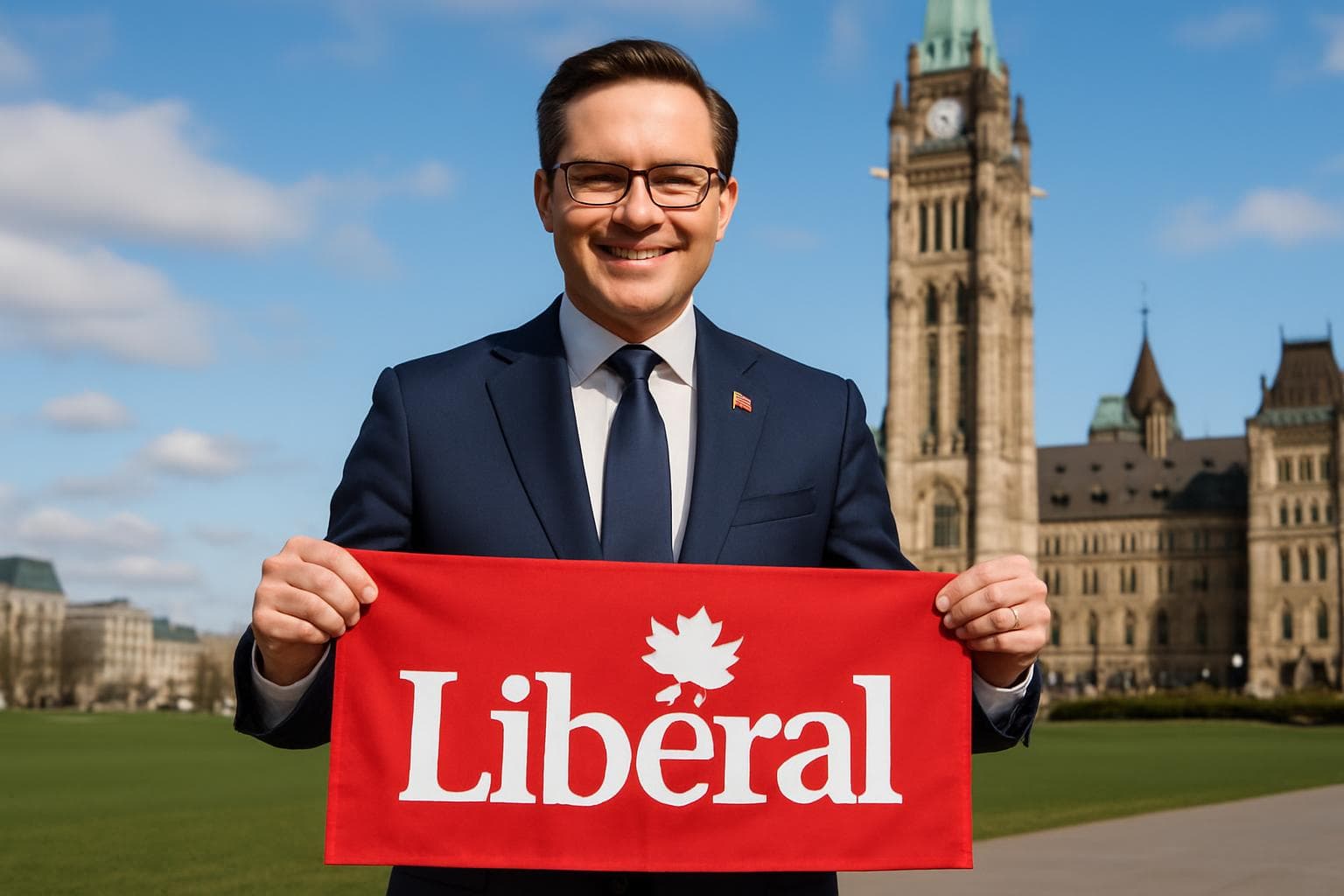
In a significant political shift, Conservative Member of Parliament Michael Ma has crossed the floor to join Prime Minister Mark Carney's Liberal Party, leaving the Liberals just one seat short of a majority in the Canadian parliament. Ma, who represents the Markham-Unionville constituency in Ontario, announced his decision on Thursday night, citing a need for "unity and decisive action" in the face of national challenges.
Political Dynamics and Reactions
Ma's defection marks the second such move from the Conservative Party in recent months, following Chris d'Entremont's switch to the Liberals in November. The move comes as Conservative leader Pierre Poilievre faces a scheduled leadership review, adding pressure to his leadership amid growing internal dissent. Poilievre criticized Ma's decision, stating that he had "let down" voters who elected him to oppose Liberal policies, particularly those affecting affordability and the economy.
Liberal Party's Strategic Gains
Prime Minister Carney welcomed Ma at a Liberal holiday event in Ottawa, highlighting the party's expanding appeal. "You are going to have a much better time spending Christmas with us," Carney quipped, underscoring the party's growing influence. The Liberals now hold 171 seats in parliament, just one short of a majority, which could significantly enhance their legislative power.
Conservative Party Challenges
The Conservative Party has been grappling with internal challenges, as evidenced by Ma's defection and the resignation announcement of another MP, Matt Jeneroux, citing family reasons. Government house leader Steve MacKinnon suggested that more Conservative MPs might be considering a similar move due to dissatisfaction with Poilievre's leadership. "There are lots of Conservatives, I assure you, who do not like Poilievre's approach," MacKinnon stated.
Environmental Concerns Within the Liberals
Despite the Liberals' strategic gains, Prime Minister Carney faces challenges within his own party. Earlier this month, cabinet minister Steven Guilbeault resigned over Carney's support for a controversial oil pipeline project, citing environmental concerns and potential setbacks to Canada's climate goals.
WHAT THIS MIGHT MEAN
The defection of Michael Ma to the Liberal Party could have significant implications for Canadian politics. If the Liberals secure a majority, they would have greater legislative freedom to implement their policies, potentially reshaping the political landscape. However, the internal dissent within both major parties suggests that leadership and policy decisions will remain contentious issues. Experts suggest that the Conservative Party may need to reassess its leadership and policy strategies to prevent further defections and regain voter confidence. Meanwhile, the Liberals must address internal environmental concerns to maintain party unity and public support.
Related Articles

Canada and Australia Forge Strategic Partnership Amid Global Uncertainty

Canada Calls for De-escalation Amid US-Israel Strikes on Iran

UK Government to Reform Asylum Seeker Support and Employment Policies

Labour MP's Husband Arrested in UK-China Espionage Probe
UK-Iran Tensions: Starmer Defends Cautious Approach Amid Trump Criticism

Violence Erupts Across Mexico Following Death of Drug Lord El Mencho
Conservative MP's Defection Brings Canada's Liberals Closer to Majority
In This Article
 Alex Carter| Published
 HIGHLIGHTS
- Conservative MP Michael Ma defected to the Liberal Party, leaving the Liberals just one seat shy of a parliamentary majority.
- Ma cited Prime Minister Mark Carney's "steady, practical approach" as a key reason for his decision, emphasizing unity and decisive action.
- Conservative leader Pierre Poilievre criticized Ma for endorsing policies he was elected to oppose, highlighting affordability issues.
- This defection follows another Conservative MP's switch to the Liberals and an upcoming leadership review for Poilievre.
- Government house leader Steve MacKinnon suggested more Conservative MPs might be frustrated with their party's leadership.
In a significant political shift, Conservative Member of Parliament Michael Ma has crossed the floor to join Prime Minister Mark Carney's Liberal Party, leaving the Liberals just one seat short of a majority in the Canadian parliament. Ma, who represents the Markham-Unionville constituency in Ontario, announced his decision on Thursday night, citing a need for "unity and decisive action" in the face of national challenges.
Political Dynamics and Reactions
Ma's defection marks the second such move from the Conservative Party in recent months, following Chris d'Entremont's switch to the Liberals in November. The move comes as Conservative leader Pierre Poilievre faces a scheduled leadership review, adding pressure to his leadership amid growing internal dissent. Poilievre criticized Ma's decision, stating that he had "let down" voters who elected him to oppose Liberal policies, particularly those affecting affordability and the economy.
Liberal Party's Strategic Gains
Prime Minister Carney welcomed Ma at a Liberal holiday event in Ottawa, highlighting the party's expanding appeal. "You are going to have a much better time spending Christmas with us," Carney quipped, underscoring the party's growing influence. The Liberals now hold 171 seats in parliament, just one short of a majority, which could significantly enhance their legislative power.
Conservative Party Challenges
The Conservative Party has been grappling with internal challenges, as evidenced by Ma's defection and the resignation announcement of another MP, Matt Jeneroux, citing family reasons. Government house leader Steve MacKinnon suggested that more Conservative MPs might be considering a similar move due to dissatisfaction with Poilievre's leadership. "There are lots of Conservatives, I assure you, who do not like Poilievre's approach," MacKinnon stated.
Environmental Concerns Within the Liberals
Despite the Liberals' strategic gains, Prime Minister Carney faces challenges within his own party. Earlier this month, cabinet minister Steven Guilbeault resigned over Carney's support for a controversial oil pipeline project, citing environmental concerns and potential setbacks to Canada's climate goals.
WHAT THIS MIGHT MEAN
The defection of Michael Ma to the Liberal Party could have significant implications for Canadian politics. If the Liberals secure a majority, they would have greater legislative freedom to implement their policies, potentially reshaping the political landscape. However, the internal dissent within both major parties suggests that leadership and policy decisions will remain contentious issues. Experts suggest that the Conservative Party may need to reassess its leadership and policy strategies to prevent further defections and regain voter confidence. Meanwhile, the Liberals must address internal environmental concerns to maintain party unity and public support.
Related Articles
Canada and Australia Forge Strategic Partnership Amid Global Uncertainty
Canada Calls for De-escalation Amid US-Israel Strikes on Iran
UK Government to Reform Asylum Seeker Support and Employment Policies
Labour MP's Husband Arrested in UK-China Espionage Probe
UK-Iran Tensions: Starmer Defends Cautious Approach Amid Trump Criticism
Violence Erupts Across Mexico Following Death of Drug Lord El Mencho