
Conservatives Propose Maximizing North Sea Oil and Gas Extraction, Challenging UK's Net Zero Goals
In This Article
HIGHLIGHTS
- Conservative leader Kemi Badenoch plans to remove net zero requirements for North Sea oil and gas extraction if elected, focusing on maximizing fossil fuel output.
- Badenoch criticizes the current approach as economically damaging, arguing that the UK is leaving vital resources untapped while other countries like Norway exploit them.
- The Labour government opposes new exploration licenses, emphasizing a transition to renewable energy to combat climate change.
- Badenoch's stance marks a significant shift in UK climate policy, challenging the 2050 net zero target established by previous governments.
- The debate highlights a broader political divide on energy policy, with implications for the UK's climate commitments and economic strategy.
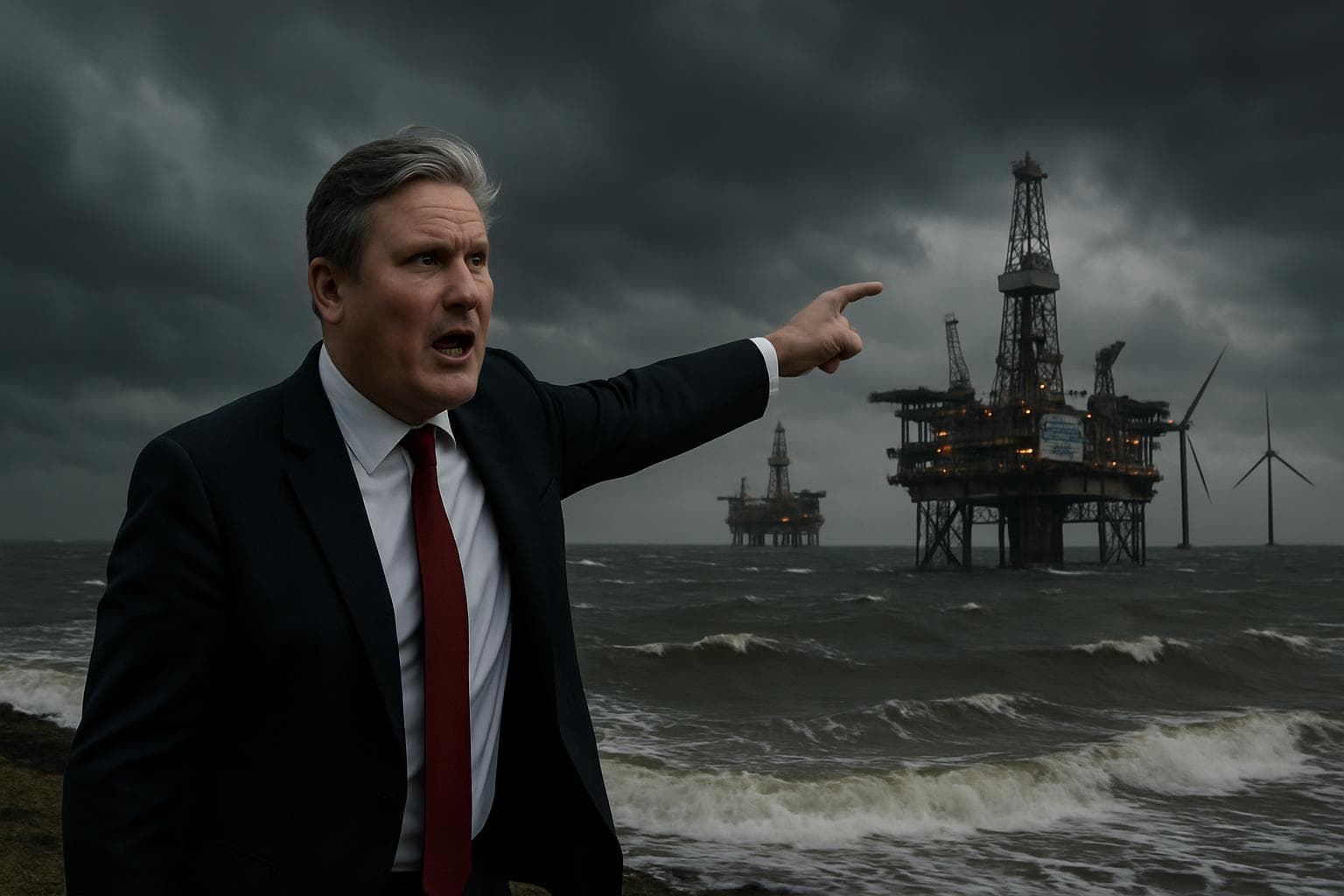
In a bold move that could reshape the UK's energy landscape, Conservative leader Kemi Badenoch has announced plans to eliminate net zero requirements for oil and gas companies operating in the North Sea. Speaking in Aberdeen, Badenoch emphasized her party's commitment to "maximizing extraction" of fossil fuels, arguing that current policies are economically detrimental and leave valuable resources untapped.
Badenoch's proposal represents a significant departure from the UK's longstanding climate commitments. Successive governments have pledged to achieve net zero carbon emissions by 2050, a target enshrined in law by former Prime Minister Theresa May in 2019. However, Badenoch contends that these requirements are burdensome to oil and gas producers and hinder economic growth. "We are in the absurd situation where our country is leaving vital resources untapped while neighbors such as Norway extract them from the same seabed," she stated.
The Conservative leader's plan includes overhauling the North Sea Transition Authority, replacing its mandate with a directive to extract the maximum possible amount of fossil fuel. This approach contrasts sharply with the Labour government's strategy, which focuses on a "fair and orderly transition" away from fossil fuels. Labour argues that new exploration licenses will not lower energy bills or enhance energy security and will exacerbate the climate crisis.
The debate over North Sea oil and gas extraction underscores a broader political divide on energy policy. While Badenoch and her party advocate for prioritizing economic growth and resource extraction, Labour emphasizes the importance of renewable energy and carbon capture technologies. Ed Miliband, the energy and net zero secretary, has accused the Conservatives of abandoning scientific consensus on climate change, warning of the UK's increasing vulnerability to extreme weather events.
WHAT THIS MIGHT MEAN
The Conservative proposal to maximize North Sea oil and gas extraction could have far-reaching implications for the UK's energy policy and climate commitments. If implemented, it may lead to increased fossil fuel production, potentially boosting economic growth in the short term. However, this approach could also undermine the UK's ability to meet its net zero targets, drawing criticism from environmental groups and international partners.
Politically, the move could deepen divisions between the major parties on energy policy, influencing voter sentiment ahead of upcoming elections. Experts warn that abandoning net zero goals could isolate the UK on the global stage, as other countries continue to prioritize climate action. The outcome of this debate will likely shape the UK's energy strategy and its role in addressing climate change for years to come.
Related Articles
Middle East Conflict Drives UK Energy Prices to New Highs

UK-Iran Tensions: Starmer Defends Cautious Approach Amid Trump Criticism

Canada and Australia Forge Strategic Partnership Amid Global Uncertainty

UK Government to Reform Asylum Seeker Support and Employment Policies

UK Faces Dilemmas Amid Iran Conflict and China Spying Allegations

UK Reinforces Military Presence in Cyprus Amid Middle East Tensions
Conservatives Propose Maximizing North Sea Oil and Gas Extraction, Challenging UK's Net Zero Goals
In This Article
 Leila Hassan| Published
 HIGHLIGHTS
- Conservative leader Kemi Badenoch plans to remove net zero requirements for North Sea oil and gas extraction if elected, focusing on maximizing fossil fuel output.
- Badenoch criticizes the current approach as economically damaging, arguing that the UK is leaving vital resources untapped while other countries like Norway exploit them.
- The Labour government opposes new exploration licenses, emphasizing a transition to renewable energy to combat climate change.
- Badenoch's stance marks a significant shift in UK climate policy, challenging the 2050 net zero target established by previous governments.
- The debate highlights a broader political divide on energy policy, with implications for the UK's climate commitments and economic strategy.
In a bold move that could reshape the UK's energy landscape, Conservative leader Kemi Badenoch has announced plans to eliminate net zero requirements for oil and gas companies operating in the North Sea. Speaking in Aberdeen, Badenoch emphasized her party's commitment to "maximizing extraction" of fossil fuels, arguing that current policies are economically detrimental and leave valuable resources untapped.
Badenoch's proposal represents a significant departure from the UK's longstanding climate commitments. Successive governments have pledged to achieve net zero carbon emissions by 2050, a target enshrined in law by former Prime Minister Theresa May in 2019. However, Badenoch contends that these requirements are burdensome to oil and gas producers and hinder economic growth. "We are in the absurd situation where our country is leaving vital resources untapped while neighbors such as Norway extract them from the same seabed," she stated.
The Conservative leader's plan includes overhauling the North Sea Transition Authority, replacing its mandate with a directive to extract the maximum possible amount of fossil fuel. This approach contrasts sharply with the Labour government's strategy, which focuses on a "fair and orderly transition" away from fossil fuels. Labour argues that new exploration licenses will not lower energy bills or enhance energy security and will exacerbate the climate crisis.
The debate over North Sea oil and gas extraction underscores a broader political divide on energy policy. While Badenoch and her party advocate for prioritizing economic growth and resource extraction, Labour emphasizes the importance of renewable energy and carbon capture technologies. Ed Miliband, the energy and net zero secretary, has accused the Conservatives of abandoning scientific consensus on climate change, warning of the UK's increasing vulnerability to extreme weather events.
WHAT THIS MIGHT MEAN
The Conservative proposal to maximize North Sea oil and gas extraction could have far-reaching implications for the UK's energy policy and climate commitments. If implemented, it may lead to increased fossil fuel production, potentially boosting economic growth in the short term. However, this approach could also undermine the UK's ability to meet its net zero targets, drawing criticism from environmental groups and international partners.
Politically, the move could deepen divisions between the major parties on energy policy, influencing voter sentiment ahead of upcoming elections. Experts warn that abandoning net zero goals could isolate the UK on the global stage, as other countries continue to prioritize climate action. The outcome of this debate will likely shape the UK's energy strategy and its role in addressing climate change for years to come.
Related Articles
Middle East Conflict Drives UK Energy Prices to New Highs
UK-Iran Tensions: Starmer Defends Cautious Approach Amid Trump Criticism
Canada and Australia Forge Strategic Partnership Amid Global Uncertainty
UK Government to Reform Asylum Seeker Support and Employment Policies
UK Faces Dilemmas Amid Iran Conflict and China Spying Allegations
UK Reinforces Military Presence in Cyprus Amid Middle East Tensions