
Councils Move to Rename Streets Honoring Prince Andrew Amid Scandal
In This Article
HIGHLIGHTS
- Councils in both Maidenhead, England, and Carrickfergus, Northern Ireland, are moving to rename streets named after Prince Andrew.
- The Royal Borough of Windsor and Maidenhead has eased the process, requiring only two-thirds resident approval for a name change.
- Mid and East Antrim council unanimously voted to rename Prince Andrew Way, citing the former prince's association with Jeffrey Epstein.
- Residents have mixed feelings, with some welcoming the change and others concerned about the logistical challenges.
- The renaming efforts follow the removal of Prince Andrew's royal titles due to allegations linked to the Epstein scandal.
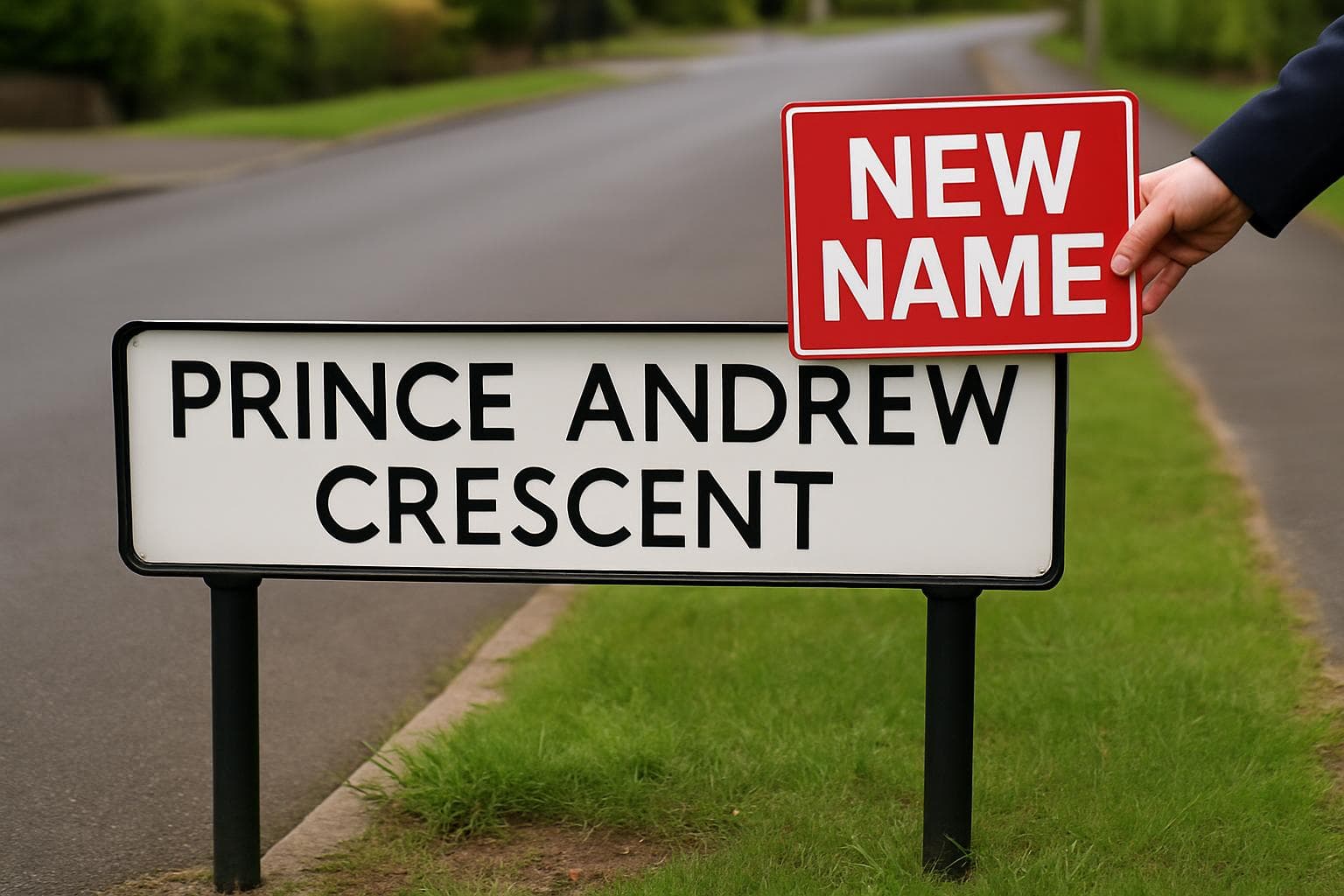
In a significant move reflecting public sentiment, councils in both Maidenhead, England, and Carrickfergus, Northern Ireland, are advancing efforts to rename streets currently honoring Prince Andrew Mountbatten-Windsor. This follows the former prince's association with the late sex offender Jeffrey Epstein and subsequent removal of his royal titles.
Easing the Renaming Process in Maidenhead
The Royal Borough of Windsor and Maidenhead has amended its rules to facilitate the renaming of Prince Andrew Road and Prince Andrew Close. Previously requiring unanimous resident approval, the council now mandates only a two-thirds majority. This change, proposed by Liberal Democrat councillor Adam Bermange, was passed with overwhelming support—31 votes in favor and only four against. Residents like Aman Gandhi have expressed relief, noting the awkwardness of living on a street associated with the disgraced royal. However, some, like long-time resident Cindy, are concerned about the logistical challenges involved in changing addresses.
Unanimous Decision in Northern Ireland
Meanwhile, in Carrickfergus, the Mid and East Antrim council has unanimously voted to rename Prince Andrew Way. Originally named in 1986 to commemorate Andrew's marriage to Sarah Ferguson, the street's association with the former prince has become untenable. Alliance councillor Lauren Gray, who proposed the motion, emphasized the necessity of the change, suggesting the street could be renamed in honor of Queen Elizabeth II. Valerie Watts, the council’s interim chief executive, acknowledged the complexities involved but affirmed the council's authority to proceed with the renaming.
Public Sentiment and Legal Context
The moves come amid heightened public scrutiny following allegations by Virginia Giuffre, one of Epstein's victims, against Prince Andrew. Although he has denied these allegations, the scandal has led to significant repercussions, including the stripping of his royal titles by King Charles. The renaming efforts reflect a broader desire to dissociate public spaces from figures embroiled in controversy.
WHAT THIS MIGHT MEAN
As these councils proceed with renaming efforts, the decisions could set a precedent for other localities with streets named after controversial figures. The logistical challenges highlighted by residents like Cindy underscore the need for thorough public consultation to ensure community support. Legally, these changes may prompt further discussions on the criteria for naming public spaces, potentially influencing future policies. Politically, the moves signify a shift in public tolerance for associations with disgraced figures, possibly impacting how historical legacies are managed in the UK.
Related Articles

Prince Andrew's Ties to Epstein Under Scrutiny Amid Calls for Inquiry
Tragedy Strikes County Armagh: Three Dead in Multi-Vehicle Collision
Prince Andrew's Arrest Intensifies Scrutiny on Royal Succession and Prince William's Future Role
MPs Weigh Inquiry into Andrew Mountbatten-Windsor's Trade Envoy Role Amid Arrest

Saharan Dust to Illuminate UK Skies with Vivid Sunrises and Sunsets

Government Announces £4 Billion Overhaul of SEND Support in England
Councils Move to Rename Streets Honoring Prince Andrew Amid Scandal
In This Article
 Ethan Brooks| Published
 HIGHLIGHTS
- Councils in both Maidenhead, England, and Carrickfergus, Northern Ireland, are moving to rename streets named after Prince Andrew.
- The Royal Borough of Windsor and Maidenhead has eased the process, requiring only two-thirds resident approval for a name change.
- Mid and East Antrim council unanimously voted to rename Prince Andrew Way, citing the former prince's association with Jeffrey Epstein.
- Residents have mixed feelings, with some welcoming the change and others concerned about the logistical challenges.
- The renaming efforts follow the removal of Prince Andrew's royal titles due to allegations linked to the Epstein scandal.
In a significant move reflecting public sentiment, councils in both Maidenhead, England, and Carrickfergus, Northern Ireland, are advancing efforts to rename streets currently honoring Prince Andrew Mountbatten-Windsor. This follows the former prince's association with the late sex offender Jeffrey Epstein and subsequent removal of his royal titles.
Easing the Renaming Process in Maidenhead
The Royal Borough of Windsor and Maidenhead has amended its rules to facilitate the renaming of Prince Andrew Road and Prince Andrew Close. Previously requiring unanimous resident approval, the council now mandates only a two-thirds majority. This change, proposed by Liberal Democrat councillor Adam Bermange, was passed with overwhelming support—31 votes in favor and only four against. Residents like Aman Gandhi have expressed relief, noting the awkwardness of living on a street associated with the disgraced royal. However, some, like long-time resident Cindy, are concerned about the logistical challenges involved in changing addresses.
Unanimous Decision in Northern Ireland
Meanwhile, in Carrickfergus, the Mid and East Antrim council has unanimously voted to rename Prince Andrew Way. Originally named in 1986 to commemorate Andrew's marriage to Sarah Ferguson, the street's association with the former prince has become untenable. Alliance councillor Lauren Gray, who proposed the motion, emphasized the necessity of the change, suggesting the street could be renamed in honor of Queen Elizabeth II. Valerie Watts, the council’s interim chief executive, acknowledged the complexities involved but affirmed the council's authority to proceed with the renaming.
Public Sentiment and Legal Context
The moves come amid heightened public scrutiny following allegations by Virginia Giuffre, one of Epstein's victims, against Prince Andrew. Although he has denied these allegations, the scandal has led to significant repercussions, including the stripping of his royal titles by King Charles. The renaming efforts reflect a broader desire to dissociate public spaces from figures embroiled in controversy.
WHAT THIS MIGHT MEAN
As these councils proceed with renaming efforts, the decisions could set a precedent for other localities with streets named after controversial figures. The logistical challenges highlighted by residents like Cindy underscore the need for thorough public consultation to ensure community support. Legally, these changes may prompt further discussions on the criteria for naming public spaces, potentially influencing future policies. Politically, the moves signify a shift in public tolerance for associations with disgraced figures, possibly impacting how historical legacies are managed in the UK.
Related Articles
Prince Andrew's Ties to Epstein Under Scrutiny Amid Calls for Inquiry
Tragedy Strikes County Armagh: Three Dead in Multi-Vehicle Collision
Prince Andrew's Arrest Intensifies Scrutiny on Royal Succession and Prince William's Future Role
MPs Weigh Inquiry into Andrew Mountbatten-Windsor's Trade Envoy Role Amid Arrest
Saharan Dust to Illuminate UK Skies with Vivid Sunrises and Sunsets
Government Announces £4 Billion Overhaul of SEND Support in England