
David Carrick: Former Met Officer Receives Additional Life Sentence for Historic Sexual Crimes

In This Article
HIGHLIGHTS
- Former Met officer David Carrick received a 37th life sentence for historic sexual abuse and rape.
- Carrick's crimes include molesting a 12-year-old girl in the 1980s and raping a woman over two decades later.
- Wiltshire Police failed to act on abuse claims against Carrick in 2016, allowing further offences.
- Carrick's earliest parole date is now set for 2055, when he will be 78 years old.
- Victims expressed ongoing trauma and lack of trust due to Carrick's actions and the police's inaction.
David Carrick, a former Metropolitan Police officer, has been handed a 37th life sentence at the Old Bailey for a series of historic sexual offences, including the molestation of a 12-year-old girl in the late 1980s and the rape of a woman over two decades later. This latest sentence adds to the 36 life sentences Carrick is already serving for 71 sexual offences, including 48 rapes, against 12 women over a 17-year period.
Historic Abuse and Police Failures
Carrick's criminal activities first came to light when he pleaded guilty to numerous sexual offences in 2022 and 2023. However, it has emerged that Wiltshire Police were informed in 2016 of Carrick's abuse of his youngest victim but failed to act. This inaction allowed Carrick to continue his predatory behaviour, leading to the rape of five more women before his arrest in 2021. The police force has since issued an apology for not investigating the claims properly, acknowledging the misconduct of two officers involved.
Victim Impact and Sentencing
During the trial, the court heard harrowing victim impact statements. The woman abused as a child described the lasting trauma and mistrust she experiences, stating, "I don't believe David has any remorse." Another victim, who was raped by Carrick, shared how the abuse had deprived her of a normal understanding of love, forcing her into a survival mode. Mrs Justice McGowan, who presided over the case, highlighted Carrick's "cynical willingness" to force victims to testify in court due to his denials. She emphasized the courage and resilience of the victims in coming forward.
Legal Consequences and Future Implications
Carrick's latest sentence, which runs concurrently with his previous ones, sets his earliest parole eligibility for 2055, when he will be 78. The judge noted that while the new sentence may have little practical effect, it underscores the severity of Carrick's crimes. The case has raised significant concerns about police vetting processes and the handling of historic abuse claims, prompting calls for systemic changes to prevent similar failures in the future.
WHAT THIS MIGHT MEAN
The sentencing of David Carrick highlights critical issues within the criminal justice system, particularly concerning police accountability and the handling of historic abuse claims. The failure of Wiltshire Police to act on early warnings about Carrick's behaviour has sparked discussions about the need for improved investigative protocols and inter-agency communication. Moving forward, there may be increased pressure on law enforcement agencies to review and strengthen their vetting and reporting procedures to prevent similar oversights. Additionally, the case could lead to broader reforms aimed at supporting victims of sexual abuse and ensuring their voices are heard and acted upon promptly.
Images from the Web

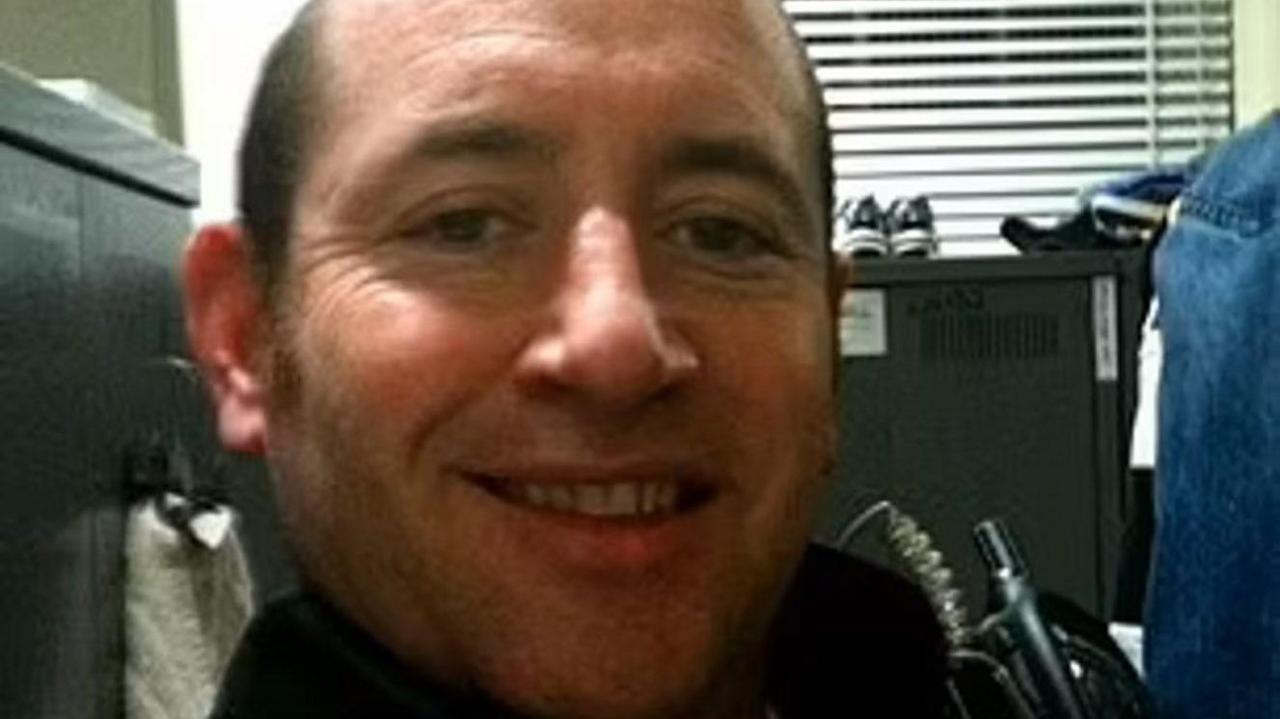
Related Articles

UK Police Intensify Investigation into Andrew Mountbatten-Windsor Amid Misconduct Allegations

Prince Andrew's Arrest Raises Questions About Royal Succession and Monarchy's Future
High Court Upholds Met Police's Freemasons Disclosure Policy

High Court Rules Palestine Action Ban Unlawful, Government to Appeal

Mountbatten-Windsor Under Scrutiny Amid Epstein Scandal Allegations
Noel Clarke Arrested Over 2007 Attempted Rape Allegation
David Carrick: Former Met Officer Receives Additional Life Sentence for Historic Sexual Crimes
In This Article
 Sofia Romano| Published
 HIGHLIGHTS
- Former Met officer David Carrick received a 37th life sentence for historic sexual abuse and rape.
- Carrick's crimes include molesting a 12-year-old girl in the 1980s and raping a woman over two decades later.
- Wiltshire Police failed to act on abuse claims against Carrick in 2016, allowing further offences.
- Carrick's earliest parole date is now set for 2055, when he will be 78 years old.
- Victims expressed ongoing trauma and lack of trust due to Carrick's actions and the police's inaction.
David Carrick, a former Metropolitan Police officer, has been handed a 37th life sentence at the Old Bailey for a series of historic sexual offences, including the molestation of a 12-year-old girl in the late 1980s and the rape of a woman over two decades later. This latest sentence adds to the 36 life sentences Carrick is already serving for 71 sexual offences, including 48 rapes, against 12 women over a 17-year period.
Historic Abuse and Police Failures
Carrick's criminal activities first came to light when he pleaded guilty to numerous sexual offences in 2022 and 2023. However, it has emerged that Wiltshire Police were informed in 2016 of Carrick's abuse of his youngest victim but failed to act. This inaction allowed Carrick to continue his predatory behaviour, leading to the rape of five more women before his arrest in 2021. The police force has since issued an apology for not investigating the claims properly, acknowledging the misconduct of two officers involved.
Victim Impact and Sentencing
During the trial, the court heard harrowing victim impact statements. The woman abused as a child described the lasting trauma and mistrust she experiences, stating, "I don't believe David has any remorse." Another victim, who was raped by Carrick, shared how the abuse had deprived her of a normal understanding of love, forcing her into a survival mode. Mrs Justice McGowan, who presided over the case, highlighted Carrick's "cynical willingness" to force victims to testify in court due to his denials. She emphasized the courage and resilience of the victims in coming forward.
Legal Consequences and Future Implications
Carrick's latest sentence, which runs concurrently with his previous ones, sets his earliest parole eligibility for 2055, when he will be 78. The judge noted that while the new sentence may have little practical effect, it underscores the severity of Carrick's crimes. The case has raised significant concerns about police vetting processes and the handling of historic abuse claims, prompting calls for systemic changes to prevent similar failures in the future.
WHAT THIS MIGHT MEAN
The sentencing of David Carrick highlights critical issues within the criminal justice system, particularly concerning police accountability and the handling of historic abuse claims. The failure of Wiltshire Police to act on early warnings about Carrick's behaviour has sparked discussions about the need for improved investigative protocols and inter-agency communication. Moving forward, there may be increased pressure on law enforcement agencies to review and strengthen their vetting and reporting procedures to prevent similar oversights. Additionally, the case could lead to broader reforms aimed at supporting victims of sexual abuse and ensuring their voices are heard and acted upon promptly.
Images from the Web
Related Articles
UK Police Intensify Investigation into Andrew Mountbatten-Windsor Amid Misconduct Allegations
Prince Andrew's Arrest Raises Questions About Royal Succession and Monarchy's Future
High Court Upholds Met Police's Freemasons Disclosure Policy
High Court Rules Palestine Action Ban Unlawful, Government to Appeal
Mountbatten-Windsor Under Scrutiny Amid Epstein Scandal Allegations
Noel Clarke Arrested Over 2007 Attempted Rape Allegation