
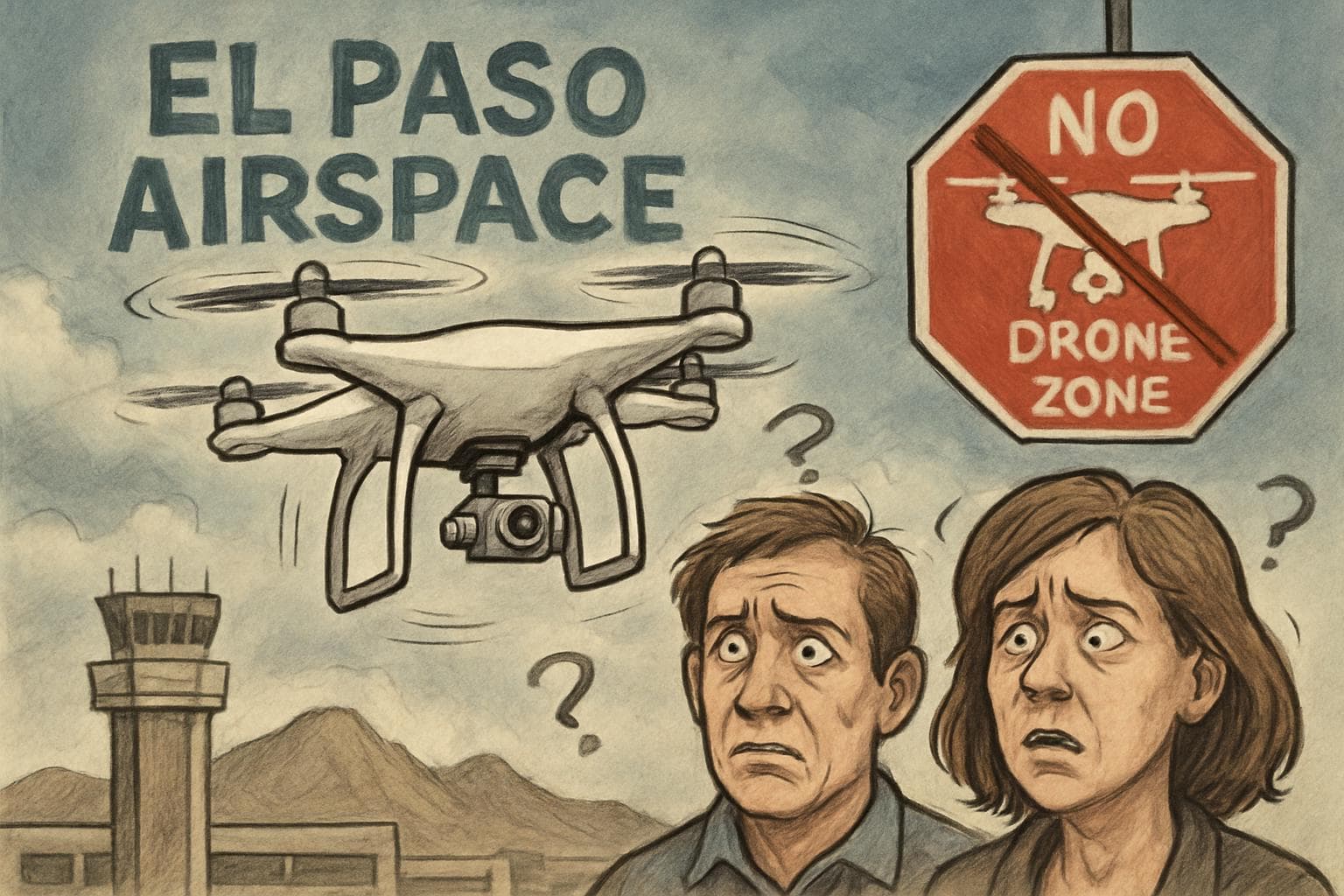
El Paso Airspace Closure Sparks Confusion Amid Drone Concerns
In This Article
HIGHLIGHTS
- The El Paso airspace closure was lifted hours after a surprise 10-day restriction was announced due to security concerns.
- Conflicting reports suggest the closure was linked to either cartel drones or a mistaken identity involving a party balloon.
- The Pentagon reportedly tested anti-drone technology, including a high-energy laser, without prior FAA consultation.
- El Paso Mayor Renard Johnson criticized the lack of communication, which caused panic among residents.
- Mexican cartels' use of drones for drug trafficking and surveillance has increased, raising security concerns at the US-Mexico border.
The sudden closure of El Paso's airspace has stirred confusion and concern, as conflicting reports emerge about the reasons behind the 10-day restriction that was lifted just hours after its announcement. Initially cited for "special security reasons," the closure has been linked to both cartel drone activity and a mistaken identity involving a party balloon.
Conflicting Narratives and Rapid Reversal
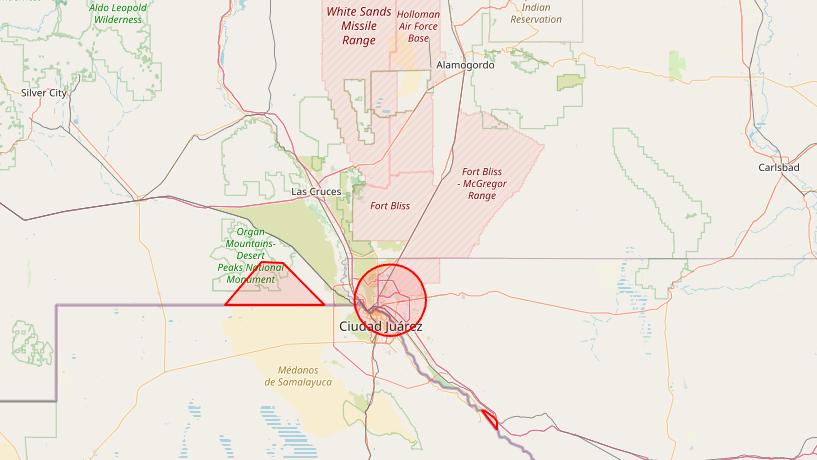
On Tuesday, the Federal Aviation Administration (FAA) announced a temporary flight restriction over El Paso, Texas, citing security concerns. The restriction, which was expected to last until February 20, was abruptly lifted the following morning. The FAA assured the public that there was no threat to commercial aviation, allowing flights to resume as normal.
Pentagon's Anti-Drone Technology Tests
Reports indicate that the closure may have been related to the Pentagon's testing of anti-drone technology, including a high-energy laser. Sources suggest that the FAA was not consulted prior to these tests, leading to the airspace restriction. The Pentagon has not commented on these claims, but Transportation Secretary Sean Duffy confirmed that the FAA and the Department of Defense acted to address a cartel drone incursion.
Local Impact and Political Reactions
El Paso Mayor Renard Johnson expressed frustration over the lack of communication, which led to panic among residents. "We haven't had flight restrictions like this since 9/11," he remarked, highlighting the chaos caused by the sudden closure. Democratic Congresswoman Veronica Escobar questioned the administration's narrative, stating that the information provided did not align with what Congress had been told.
Growing Threat of Cartel Drones
The incident has drawn attention to the increasing use of drones by Mexican cartels for drug trafficking and surveillance. Experts note that these groups have become more technologically advanced, using drones for reconnaissance and even bombings. This growing threat underscores the need for enhanced border security measures.
WHAT THIS MIGHT MEAN
The rapid lifting of the airspace closure suggests a need for improved coordination between the FAA and the Pentagon when conducting security tests. As Mexican cartels continue to leverage drone technology, the US may need to invest in more sophisticated counter-drone measures to protect its borders. Future developments could see increased scrutiny of military testing procedures and a push for clearer communication with local authorities to prevent public panic. Additionally, the political implications of this incident may lead to further debate over border security policies and the effectiveness of current strategies in addressing cartel activities.
Images from the Web
Related Articles

US and Israel Intensify Military Campaign as Iran's Capabilities Dwindle
Trump to Direct Release of Pentagon UFO Files Amid Renewed Interest

US Military Strikes on Alleged Drug Boats Raise Legal Concerns
US Homeland Security Shutdown Sparks Concerns Over Travel Delays and Immigration Reforms

Five-Year-Old and Father Released from ICE Detention Amid National Outcry

Judge Orders Release of Child and Father from ICE Detention Amid National Outcry
El Paso Airspace Closure Sparks Confusion Amid Drone Concerns
In This Article
 Ethan Brooks| Published
 HIGHLIGHTS
- The El Paso airspace closure was lifted hours after a surprise 10-day restriction was announced due to security concerns.
- Conflicting reports suggest the closure was linked to either cartel drones or a mistaken identity involving a party balloon.
- The Pentagon reportedly tested anti-drone technology, including a high-energy laser, without prior FAA consultation.
- El Paso Mayor Renard Johnson criticized the lack of communication, which caused panic among residents.
- Mexican cartels' use of drones for drug trafficking and surveillance has increased, raising security concerns at the US-Mexico border.
The sudden closure of El Paso's airspace has stirred confusion and concern, as conflicting reports emerge about the reasons behind the 10-day restriction that was lifted just hours after its announcement. Initially cited for "special security reasons," the closure has been linked to both cartel drone activity and a mistaken identity involving a party balloon.
Conflicting Narratives and Rapid Reversal
On Tuesday, the Federal Aviation Administration (FAA) announced a temporary flight restriction over El Paso, Texas, citing security concerns. The restriction, which was expected to last until February 20, was abruptly lifted the following morning. The FAA assured the public that there was no threat to commercial aviation, allowing flights to resume as normal.
Pentagon's Anti-Drone Technology Tests
Reports indicate that the closure may have been related to the Pentagon's testing of anti-drone technology, including a high-energy laser. Sources suggest that the FAA was not consulted prior to these tests, leading to the airspace restriction. The Pentagon has not commented on these claims, but Transportation Secretary Sean Duffy confirmed that the FAA and the Department of Defense acted to address a cartel drone incursion.
Local Impact and Political Reactions
El Paso Mayor Renard Johnson expressed frustration over the lack of communication, which led to panic among residents. "We haven't had flight restrictions like this since 9/11," he remarked, highlighting the chaos caused by the sudden closure. Democratic Congresswoman Veronica Escobar questioned the administration's narrative, stating that the information provided did not align with what Congress had been told.
Growing Threat of Cartel Drones
The incident has drawn attention to the increasing use of drones by Mexican cartels for drug trafficking and surveillance. Experts note that these groups have become more technologically advanced, using drones for reconnaissance and even bombings. This growing threat underscores the need for enhanced border security measures.
WHAT THIS MIGHT MEAN
The rapid lifting of the airspace closure suggests a need for improved coordination between the FAA and the Pentagon when conducting security tests. As Mexican cartels continue to leverage drone technology, the US may need to invest in more sophisticated counter-drone measures to protect its borders. Future developments could see increased scrutiny of military testing procedures and a push for clearer communication with local authorities to prevent public panic. Additionally, the political implications of this incident may lead to further debate over border security policies and the effectiveness of current strategies in addressing cartel activities.
Images from the Web
Related Articles
US and Israel Intensify Military Campaign as Iran's Capabilities Dwindle
Trump to Direct Release of Pentagon UFO Files Amid Renewed Interest
US Military Strikes on Alleged Drug Boats Raise Legal Concerns
US Homeland Security Shutdown Sparks Concerns Over Travel Delays and Immigration Reforms
Five-Year-Old and Father Released from ICE Detention Amid National Outcry
Judge Orders Release of Child and Father from ICE Detention Amid National Outcry