
England Faces Widespread Drought as Heatwaves and Water Scarcity Intensify
In This Article
HIGHLIGHTS
- England is expected to declare more regions in drought due to the hottest June on record and successive heatwaves.
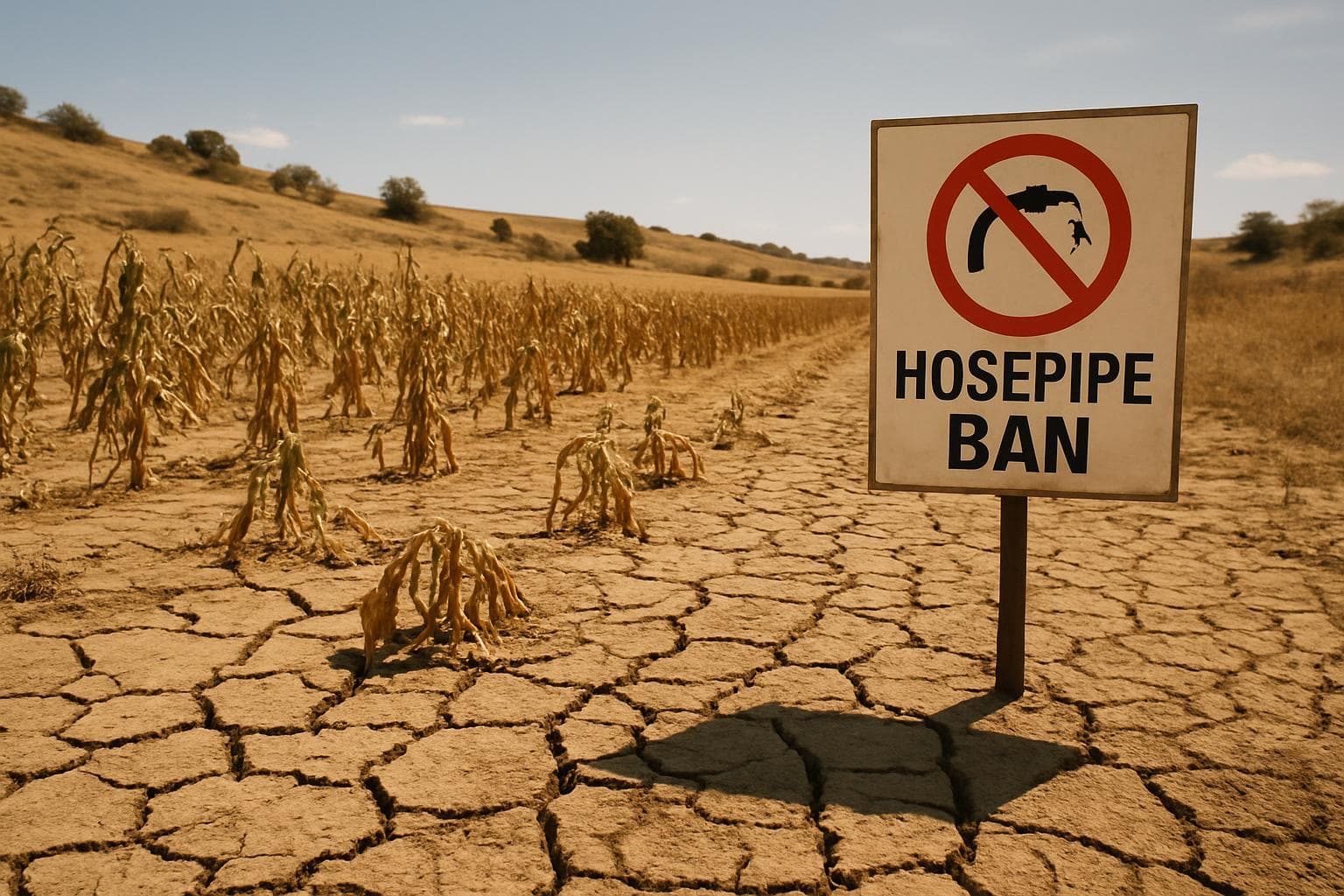
- Hosepipe bans have been implemented across various regions, including Yorkshire, Kent, and Sussex, to conserve water.
- The Environment Agency warns of potential water shortages by 2055 without significant action to address climate change and population growth.
- Yorkshire Water reports a significant drop in water usage following the hosepipe ban, thanking customers for their cooperation.
- Flood risk management events are being held in Hull and East Yorkshire, highlighting the dual challenges of drought and flood risks.
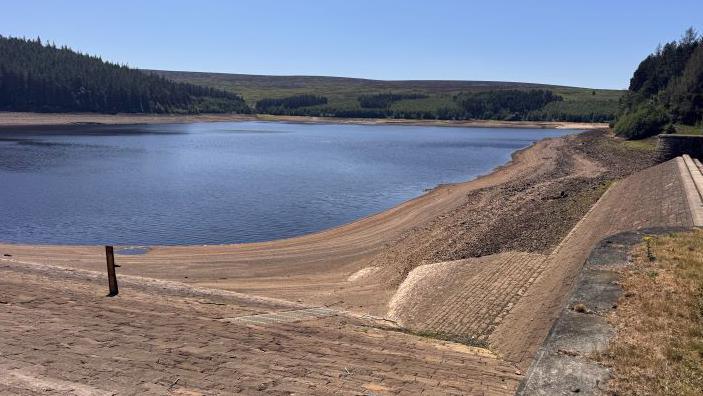
As England grapples with its hottest June since records began in 1884, more regions are poised to enter drought status. The National Drought Group is expected to announce new drought declarations following a meeting on Tuesday. This comes after a series of heatwaves and prolonged dry spells have significantly depleted water resources across the country.
Rising Drought Concerns
The Environment Agency (EA) has indicated that the North West and Yorkshire are already in drought, with more regions likely to follow. Richard Thompson, deputy director of water resources at the EA, noted that the agency is urging water companies to implement drought plans, including hosepipe bans. These measures are crucial as the EA warns of a potential shortfall of six billion litres of water per day by 2055 if climate change and population growth are not addressed.
Hosepipe Bans and Water Conservation
In response to the escalating water scarcity, hosepipe bans have been enacted across several regions. Yorkshire Water, which introduced the first regional ban of the year, reported a 100 million litre reduction in water usage over a weekend. Dave Kaye, director of water at Yorkshire Water, expressed gratitude to customers for adhering to the restrictions, despite the inconvenience. Thames Water has also announced a ban affecting 1.1 million people in areas including Gloucestershire and Oxfordshire.
Dual Challenges: Drought and Flood Risks
While drought remains a pressing issue, flood risks are also a concern. Yorkshire Water is organizing events to educate the public on flood management strategies, particularly in Hull and East Yorkshire, which face significant flood risks. Lauren Murtagh, community coordinator for Living with Water, emphasized the importance of raising awareness about flood resilience and water conservation.
Environmental and Agricultural Impacts
The drought's impact extends beyond water conservation to agriculture and the environment. Farmers have faced restrictions on water abstraction, affecting crop irrigation and livestock feed. The Angling Trust's Martin Salter criticized the UK's water resource planning, highlighting the need for long-term solutions to prevent environmental degradation.
WHAT THIS MIGHT MEAN
As England braces for more drought declarations, the implications are far-reaching. Water companies may seek drought permits to extract additional water, though this could harm aquatic ecosystems. The situation underscores the urgent need for comprehensive water management strategies that address climate change and infrastructure challenges. Experts warn that without significant investment in water conservation and infrastructure, the UK could face severe water shortages in the coming decades. The dual threat of drought and flooding highlights the complexity of climate change impacts, necessitating coordinated efforts to safeguard both water resources and communities.
Images from the Web
Related Articles
Saharan Dust to Illuminate UK Skies with Vivid Sunrises and Sunsets

UK Reinforces Military Presence in Cyprus Amid Middle East Tensions
Canada and Australia Forge Strategic Partnership Amid Global Uncertainty
UK Government to Reform Asylum Seeker Support and Employment Policies

Middle East Conflict Drives UK Energy Prices to New Highs

UK Faces Dilemmas Amid Iran Conflict and China Spying Allegations
England Faces Widespread Drought as Heatwaves and Water Scarcity Intensify
In This Article
 Leila Hassan| Published
 HIGHLIGHTS
- England is expected to declare more regions in drought due to the hottest June on record and successive heatwaves.
- Hosepipe bans have been implemented across various regions, including Yorkshire, Kent, and Sussex, to conserve water.
- The Environment Agency warns of potential water shortages by 2055 without significant action to address climate change and population growth.
- Yorkshire Water reports a significant drop in water usage following the hosepipe ban, thanking customers for their cooperation.
- Flood risk management events are being held in Hull and East Yorkshire, highlighting the dual challenges of drought and flood risks.
As England grapples with its hottest June since records began in 1884, more regions are poised to enter drought status. The National Drought Group is expected to announce new drought declarations following a meeting on Tuesday. This comes after a series of heatwaves and prolonged dry spells have significantly depleted water resources across the country.
Rising Drought Concerns
The Environment Agency (EA) has indicated that the North West and Yorkshire are already in drought, with more regions likely to follow. Richard Thompson, deputy director of water resources at the EA, noted that the agency is urging water companies to implement drought plans, including hosepipe bans. These measures are crucial as the EA warns of a potential shortfall of six billion litres of water per day by 2055 if climate change and population growth are not addressed.
Hosepipe Bans and Water Conservation
In response to the escalating water scarcity, hosepipe bans have been enacted across several regions. Yorkshire Water, which introduced the first regional ban of the year, reported a 100 million litre reduction in water usage over a weekend. Dave Kaye, director of water at Yorkshire Water, expressed gratitude to customers for adhering to the restrictions, despite the inconvenience. Thames Water has also announced a ban affecting 1.1 million people in areas including Gloucestershire and Oxfordshire.
Dual Challenges: Drought and Flood Risks
While drought remains a pressing issue, flood risks are also a concern. Yorkshire Water is organizing events to educate the public on flood management strategies, particularly in Hull and East Yorkshire, which face significant flood risks. Lauren Murtagh, community coordinator for Living with Water, emphasized the importance of raising awareness about flood resilience and water conservation.
Environmental and Agricultural Impacts
The drought's impact extends beyond water conservation to agriculture and the environment. Farmers have faced restrictions on water abstraction, affecting crop irrigation and livestock feed. The Angling Trust's Martin Salter criticized the UK's water resource planning, highlighting the need for long-term solutions to prevent environmental degradation.
WHAT THIS MIGHT MEAN
As England braces for more drought declarations, the implications are far-reaching. Water companies may seek drought permits to extract additional water, though this could harm aquatic ecosystems. The situation underscores the urgent need for comprehensive water management strategies that address climate change and infrastructure challenges. Experts warn that without significant investment in water conservation and infrastructure, the UK could face severe water shortages in the coming decades. The dual threat of drought and flooding highlights the complexity of climate change impacts, necessitating coordinated efforts to safeguard both water resources and communities.
Images from the Web
Related Articles
Saharan Dust to Illuminate UK Skies with Vivid Sunrises and Sunsets
UK Reinforces Military Presence in Cyprus Amid Middle East Tensions
Canada and Australia Forge Strategic Partnership Amid Global Uncertainty
UK Government to Reform Asylum Seeker Support and Employment Policies
Middle East Conflict Drives UK Energy Prices to New Highs
UK Faces Dilemmas Amid Iran Conflict and China Spying Allegations