
Major Policing Overhaul in England and Wales Sparks Debate
In This Article
HIGHLIGHTS
- Home Secretary Shabana Mahmood announced a major overhaul of policing in England and Wales, proposing to reduce 43 police forces to potentially 12.
- The reforms include creating a National Police Service to handle complex crimes and introducing facial recognition technology nationwide.
- Local policing areas will be established to focus on neighbourhood crimes, while Police and Crime Commissioners will be phased out by 2028.
- Critics express concerns about the centralization of power and the potential neglect of local policing needs.
- A review will determine the exact number and structure of the new police forces, with findings expected by summer.
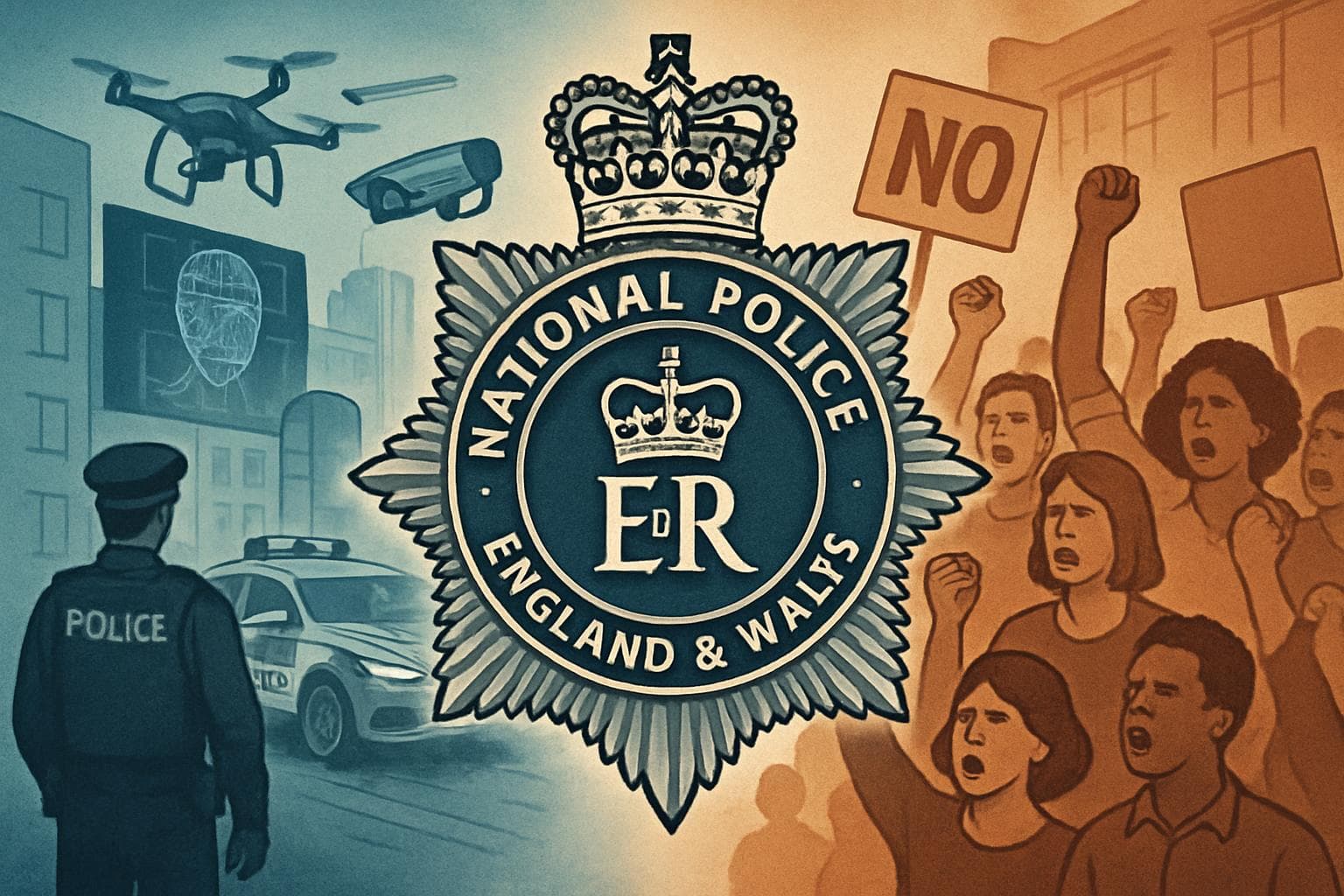
In a historic move, Home Secretary Shabana Mahmood has unveiled sweeping reforms aimed at restructuring the policing system in England and Wales. Announced on Monday, the reforms propose reducing the current 43 police forces to as few as 12, marking the most significant changes in two centuries. The plan includes the establishment of a National Police Service (NPS) to tackle complex crimes such as terrorism and organized crime, while local policing areas will focus on neighbourhood issues like shoplifting and antisocial behavior.
National Police Service and Technology Integration
The proposed NPS will consolidate existing entities like the National Crime Agency and Counter Terrorism Policing. Mahmood emphasized the importance of modernizing the force with technology, announcing the largest-ever rollout of facial recognition technology across the country. This initiative aims to enhance crime-fighting capabilities and streamline operations.
Local Policing and Accountability Concerns
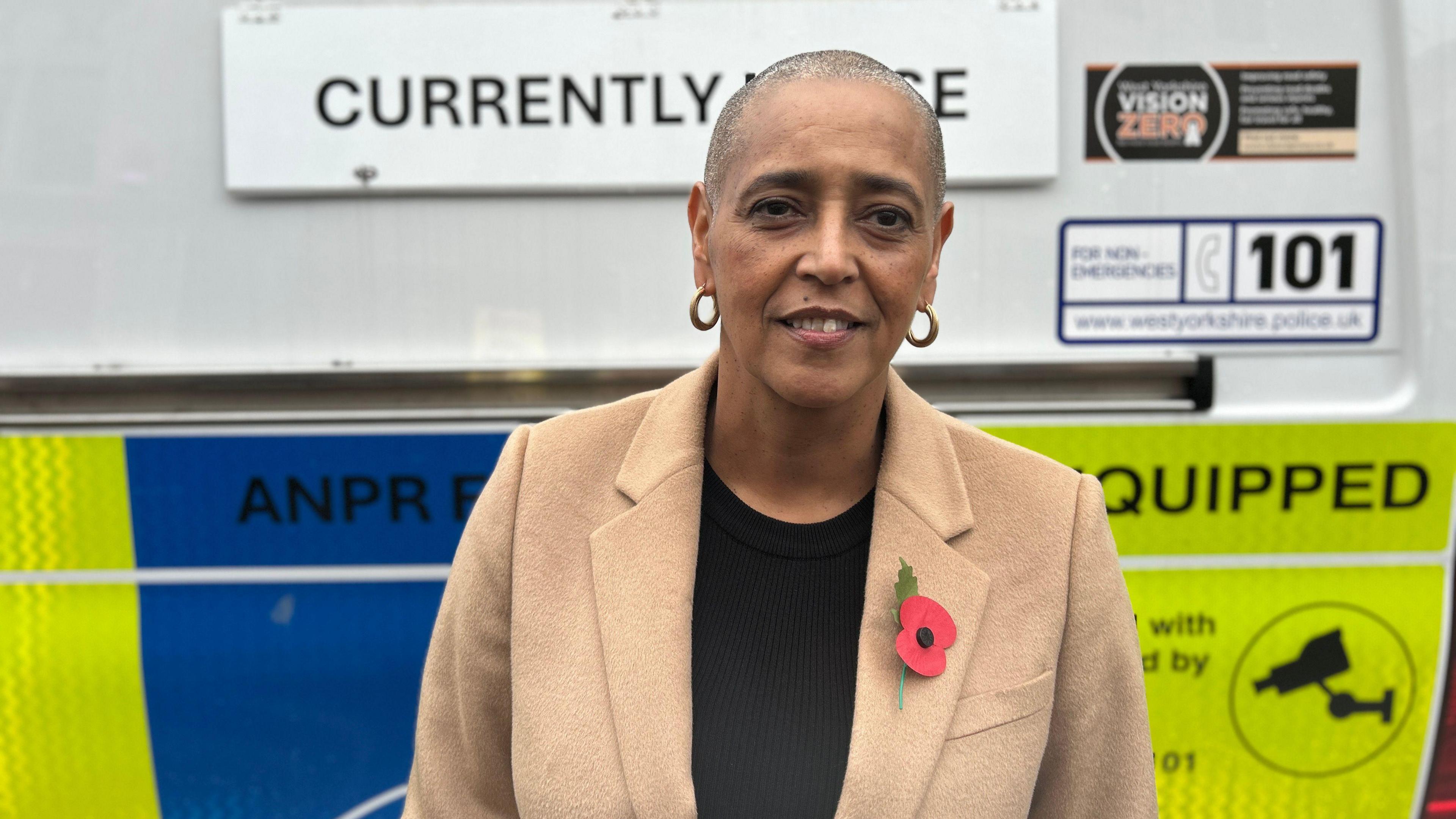
While the reforms aim to improve efficiency and resource allocation, they have sparked concerns about local accountability. Critics, including Alison Lowe, Deputy Mayor of West Yorkshire for Policing and Crime, argue that merging forces into "mega forces" could dilute local priorities. "We don't want to replicate the problems seen in larger forces like the Met," Lowe stated, emphasizing the need for local voices in policing plans.
Financial and Structural Implications
The government argues that merging forces will save billions by reducing duplicated services and improving efficiency. However, some, like Philip Wilkinson, Police and Crime Commissioner for Wiltshire and Swindon, worry about resource allocation and the potential neglect of local policing needs. The review to determine the new force structure will report back by summer, with the aim of implementing changes by 2034.
Political and Public Reactions
The reforms have received mixed reactions. While some police chiefs welcome the changes amid financial constraints, others, including Conservative shadow home secretary Chris Philp, criticize the centralization of power. "Such huge forces will be remote from the communities they serve," Philp warned, highlighting the potential risks of the proposed structure.
WHAT THIS MIGHT MEAN
The proposed policing reforms could significantly reshape law enforcement in England and Wales. If successful, the National Police Service may enhance the ability to tackle complex crimes, but the centralization of power could lead to challenges in addressing local needs. The upcoming review will be crucial in determining the balance between efficiency and local accountability. As the government navigates these changes, the response from local communities and political entities will play a critical role in shaping the final outcome. The potential for resistance from rural areas and smaller forces suggests that careful consideration and adaptation will be necessary to ensure the reforms meet diverse policing needs across the country.
Images from the Web
Related Articles
High Court Rules Palestine Action Ban Unlawful, Government to Appeal

UK Government to Reform Asylum Seeker Support and Employment Policies

Surge in Antisemitic Incidents in UK Following Manchester Synagogue Attack
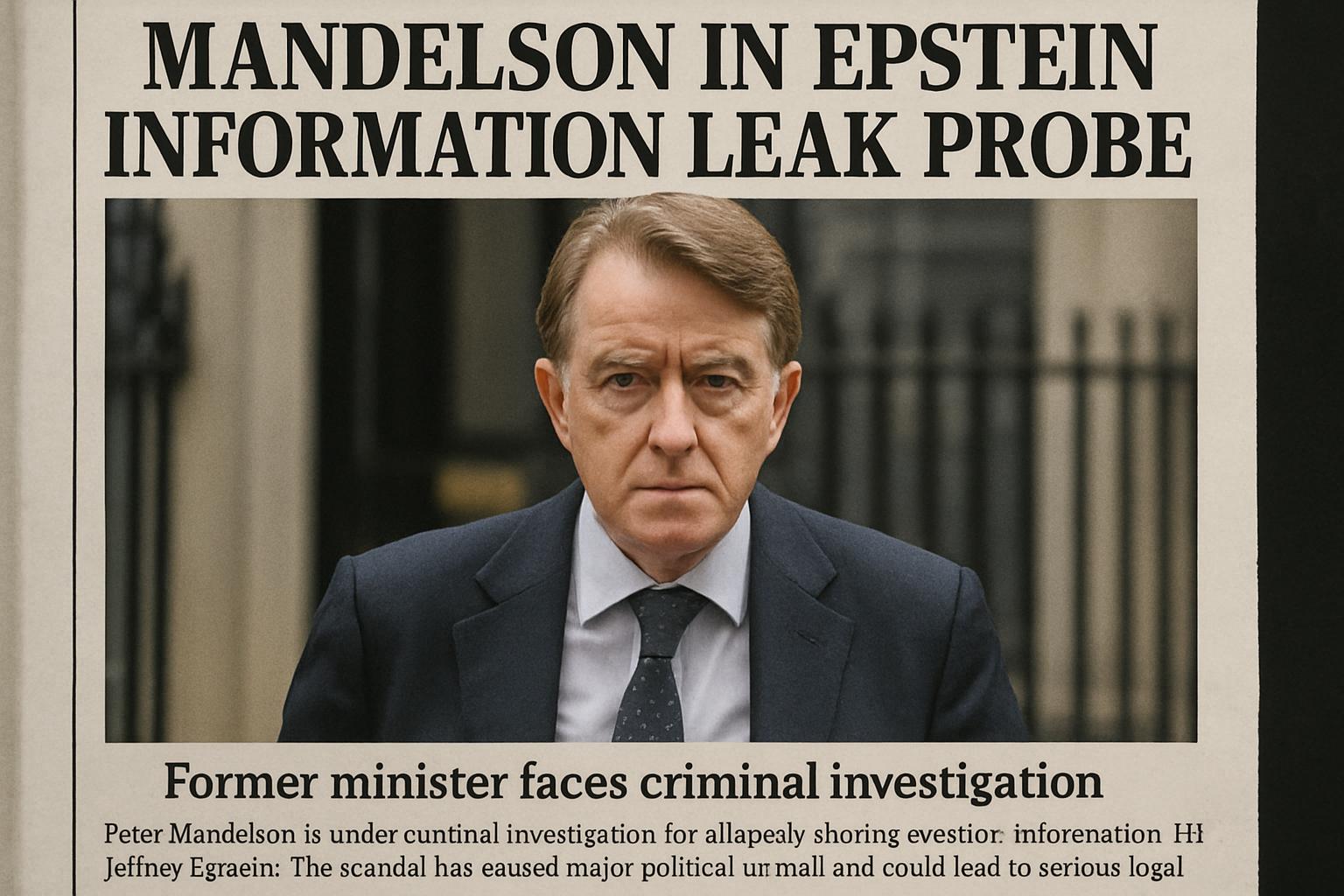
Peter Mandelson Faces Criminal Investigation Amidst Political Turmoil

Labour MP's Husband Arrested in UK-China Espionage Probe

UK-Iran Tensions: Starmer Defends Cautious Approach Amid Trump Criticism
Major Policing Overhaul in England and Wales Sparks Debate
In This Article
 Sofia Romano| Published
 HIGHLIGHTS
- Home Secretary Shabana Mahmood announced a major overhaul of policing in England and Wales, proposing to reduce 43 police forces to potentially 12.
- The reforms include creating a National Police Service to handle complex crimes and introducing facial recognition technology nationwide.
- Local policing areas will be established to focus on neighbourhood crimes, while Police and Crime Commissioners will be phased out by 2028.
- Critics express concerns about the centralization of power and the potential neglect of local policing needs.
- A review will determine the exact number and structure of the new police forces, with findings expected by summer.
In a historic move, Home Secretary Shabana Mahmood has unveiled sweeping reforms aimed at restructuring the policing system in England and Wales. Announced on Monday, the reforms propose reducing the current 43 police forces to as few as 12, marking the most significant changes in two centuries. The plan includes the establishment of a National Police Service (NPS) to tackle complex crimes such as terrorism and organized crime, while local policing areas will focus on neighbourhood issues like shoplifting and antisocial behavior.
National Police Service and Technology Integration
The proposed NPS will consolidate existing entities like the National Crime Agency and Counter Terrorism Policing. Mahmood emphasized the importance of modernizing the force with technology, announcing the largest-ever rollout of facial recognition technology across the country. This initiative aims to enhance crime-fighting capabilities and streamline operations.
Local Policing and Accountability Concerns
While the reforms aim to improve efficiency and resource allocation, they have sparked concerns about local accountability. Critics, including Alison Lowe, Deputy Mayor of West Yorkshire for Policing and Crime, argue that merging forces into "mega forces" could dilute local priorities. "We don't want to replicate the problems seen in larger forces like the Met," Lowe stated, emphasizing the need for local voices in policing plans.
Financial and Structural Implications
The government argues that merging forces will save billions by reducing duplicated services and improving efficiency. However, some, like Philip Wilkinson, Police and Crime Commissioner for Wiltshire and Swindon, worry about resource allocation and the potential neglect of local policing needs. The review to determine the new force structure will report back by summer, with the aim of implementing changes by 2034.
Political and Public Reactions
The reforms have received mixed reactions. While some police chiefs welcome the changes amid financial constraints, others, including Conservative shadow home secretary Chris Philp, criticize the centralization of power. "Such huge forces will be remote from the communities they serve," Philp warned, highlighting the potential risks of the proposed structure.
WHAT THIS MIGHT MEAN
The proposed policing reforms could significantly reshape law enforcement in England and Wales. If successful, the National Police Service may enhance the ability to tackle complex crimes, but the centralization of power could lead to challenges in addressing local needs. The upcoming review will be crucial in determining the balance between efficiency and local accountability. As the government navigates these changes, the response from local communities and political entities will play a critical role in shaping the final outcome. The potential for resistance from rural areas and smaller forces suggests that careful consideration and adaptation will be necessary to ensure the reforms meet diverse policing needs across the country.
Images from the Web
Related Articles
High Court Rules Palestine Action Ban Unlawful, Government to Appeal
UK Government to Reform Asylum Seeker Support and Employment Policies
Surge in Antisemitic Incidents in UK Following Manchester Synagogue Attack
Peter Mandelson Faces Criminal Investigation Amidst Political Turmoil
Labour MP's Husband Arrested in UK-China Espionage Probe
UK-Iran Tensions: Starmer Defends Cautious Approach Amid Trump Criticism