
England Launches Home Vaccination Pilot to Boost Child Immunization Rates
In This Article
HIGHLIGHTS
- England launches a £2m pilot scheme to offer home vaccinations to children from struggling families, aiming to boost vaccine uptake.
- Health visitors will target families facing barriers such as lack of GP registration, travel costs, and language issues.
- The initiative addresses declining childhood vaccination rates, with no vaccines meeting the 95% coverage target in recent years.
- Twelve areas across England will participate in the pilot, with potential nationwide rollout in 2027 if successful.
- Health Secretary Wes Streeting emphasizes tackling health inequalities and building a more inclusive NHS.
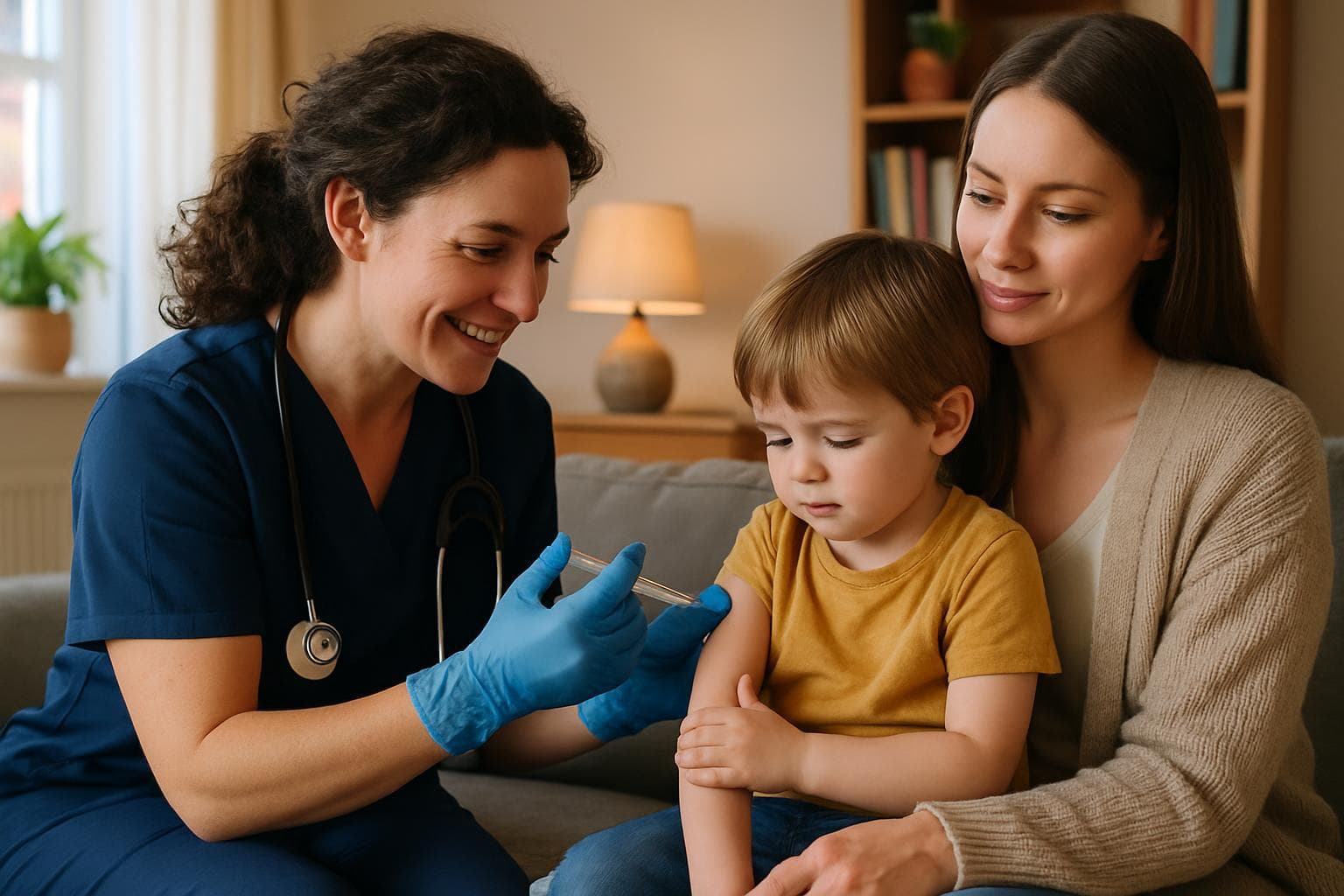
In a bid to address declining childhood vaccination rates, England is set to launch a £2 million pilot scheme offering home vaccinations to children from struggling families. The initiative, announced by Health Secretary Wes Streeting, aims to increase vaccine uptake among families facing barriers such as lack of GP registration, travel costs, and language issues.
Addressing Declining Vaccine Uptake
The World Health Organization recommends a 95% vaccination coverage to achieve herd immunity, yet recent data shows that no childhood vaccines in England have met this target. The UK Health Security Agency reported that only 91.9% of five-year-olds received one dose of the MMR vaccine in 2024-25, the lowest level since 2010-11. The pilot scheme seeks to reverse this trend by deploying health visitors to administer vaccines directly in children's homes.
Targeting Vulnerable Families
Health visitors, who are trained nurses or midwives specializing in community public health, will focus on families not registered with a GP or those facing other obstacles to accessing healthcare. The pilot will be conducted in twelve areas across England, including London, the Midlands, the North East and Yorkshire, the North West, and the South West. If successful, the scheme could be expanded nationwide by 2027.
Government and Expert Support
Wes Streeting highlighted the importance of tackling health inequalities and building a more inclusive NHS. "Every parent deserves the chance to protect their child from preventable diseases," he stated. Professor Steve Turner, President of the Royal College of Paediatrics and Child Health, welcomed the initiative, urging the government to address long-standing issues in children's healthcare.
Broader Health Context
The pilot comes amid heightened concerns about the NHS's capacity to handle winter illnesses, with health leaders anticipating a surge in flu cases. Despite these challenges, the government remains committed to improving childhood vaccination rates and addressing health disparities.
WHAT THIS MIGHT MEAN
If the pilot scheme proves successful, it could lead to a nationwide rollout by 2027, significantly improving childhood vaccination rates and reducing health inequalities. This initiative may also set a precedent for similar approaches in other areas of public health, potentially transforming how healthcare services are delivered to vulnerable populations. However, the scheme's success will depend on effective implementation and addressing any logistical challenges that arise during the pilot phase.
Related Articles
Nottingham Attacks Inquiry: Families Demand Accountability and Truth
UK Government to Reform Asylum Seeker Support and Employment Policies

Labour MP's Husband Arrested in UK-China Espionage Probe
Persistent Safety Concerns in Nottingham Maternity Services Amidst Calls for Systemic Reform
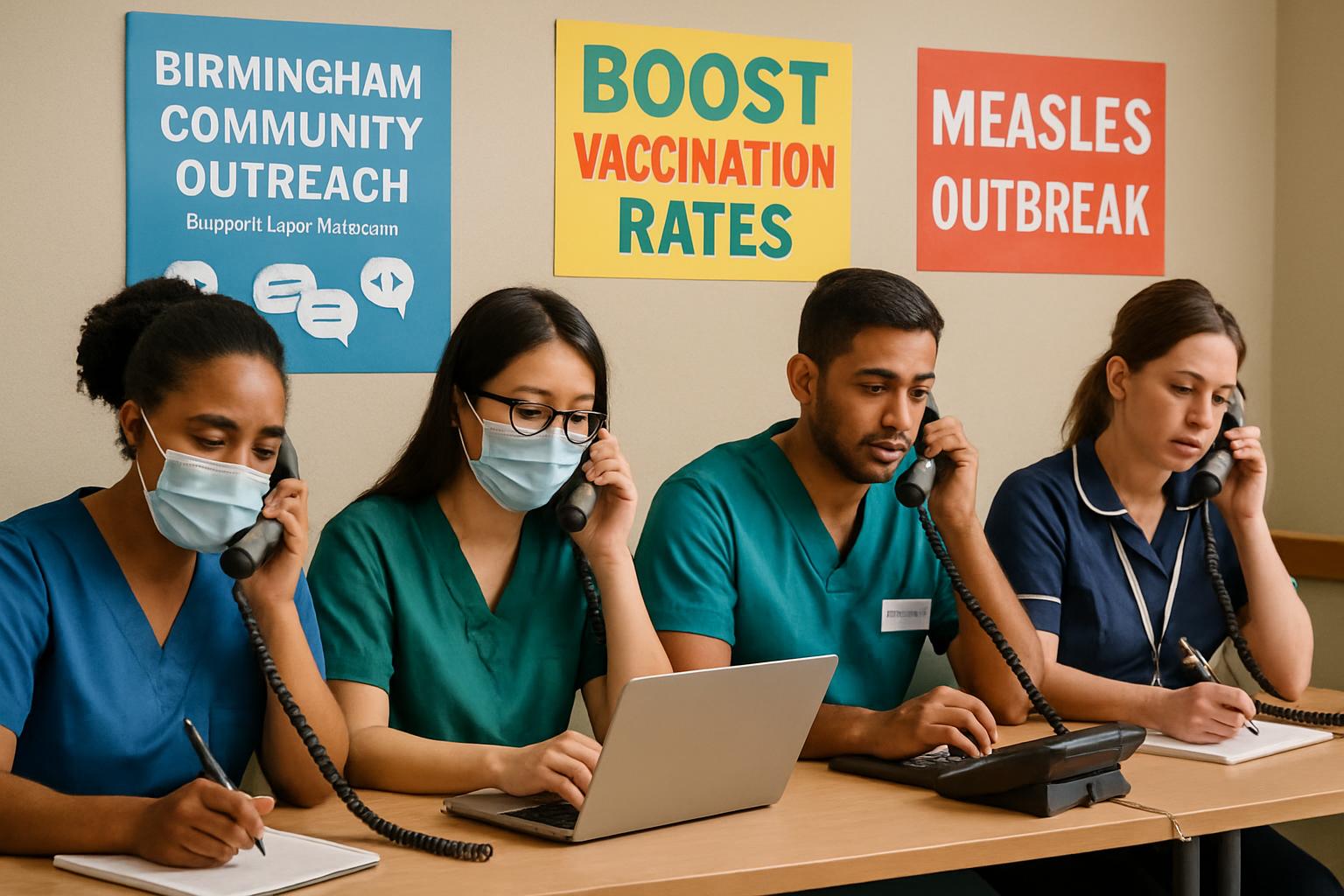
Birmingham's Proactive Approach to Measles Outbreak Offers Lessons for North London

South West Water Faces Legal Repercussions Over Devon Parasite Outbreak
England Launches Home Vaccination Pilot to Boost Child Immunization Rates
In This Article
 Ethan Brooks| Published
 HIGHLIGHTS
- England launches a £2m pilot scheme to offer home vaccinations to children from struggling families, aiming to boost vaccine uptake.
- Health visitors will target families facing barriers such as lack of GP registration, travel costs, and language issues.
- The initiative addresses declining childhood vaccination rates, with no vaccines meeting the 95% coverage target in recent years.
- Twelve areas across England will participate in the pilot, with potential nationwide rollout in 2027 if successful.
- Health Secretary Wes Streeting emphasizes tackling health inequalities and building a more inclusive NHS.
In a bid to address declining childhood vaccination rates, England is set to launch a £2 million pilot scheme offering home vaccinations to children from struggling families. The initiative, announced by Health Secretary Wes Streeting, aims to increase vaccine uptake among families facing barriers such as lack of GP registration, travel costs, and language issues.
Addressing Declining Vaccine Uptake
The World Health Organization recommends a 95% vaccination coverage to achieve herd immunity, yet recent data shows that no childhood vaccines in England have met this target. The UK Health Security Agency reported that only 91.9% of five-year-olds received one dose of the MMR vaccine in 2024-25, the lowest level since 2010-11. The pilot scheme seeks to reverse this trend by deploying health visitors to administer vaccines directly in children's homes.
Targeting Vulnerable Families
Health visitors, who are trained nurses or midwives specializing in community public health, will focus on families not registered with a GP or those facing other obstacles to accessing healthcare. The pilot will be conducted in twelve areas across England, including London, the Midlands, the North East and Yorkshire, the North West, and the South West. If successful, the scheme could be expanded nationwide by 2027.
Government and Expert Support
Wes Streeting highlighted the importance of tackling health inequalities and building a more inclusive NHS. "Every parent deserves the chance to protect their child from preventable diseases," he stated. Professor Steve Turner, President of the Royal College of Paediatrics and Child Health, welcomed the initiative, urging the government to address long-standing issues in children's healthcare.
Broader Health Context
The pilot comes amid heightened concerns about the NHS's capacity to handle winter illnesses, with health leaders anticipating a surge in flu cases. Despite these challenges, the government remains committed to improving childhood vaccination rates and addressing health disparities.
WHAT THIS MIGHT MEAN
If the pilot scheme proves successful, it could lead to a nationwide rollout by 2027, significantly improving childhood vaccination rates and reducing health inequalities. This initiative may also set a precedent for similar approaches in other areas of public health, potentially transforming how healthcare services are delivered to vulnerable populations. However, the scheme's success will depend on effective implementation and addressing any logistical challenges that arise during the pilot phase.
Related Articles
Nottingham Attacks Inquiry: Families Demand Accountability and Truth
UK Government to Reform Asylum Seeker Support and Employment Policies
Labour MP's Husband Arrested in UK-China Espionage Probe
Persistent Safety Concerns in Nottingham Maternity Services Amidst Calls for Systemic Reform
Birmingham's Proactive Approach to Measles Outbreak Offers Lessons for North London
South West Water Faces Legal Repercussions Over Devon Parasite Outbreak