
Erin Patterson Convicted in Mushroom Poisoning Case: A Closer Look at the Evidence

In This Article
HIGHLIGHTS
- Erin Patterson was found guilty of murdering three relatives and attempting to murder a fourth with a poisoned beef Wellington meal.
- The trial revealed Patterson's use of death cap mushrooms, a highly toxic fungus, which she allegedly sourced locally.
- Key evidence included mobile data, a food dehydrator with traces of the mushrooms, and Patterson's search history.
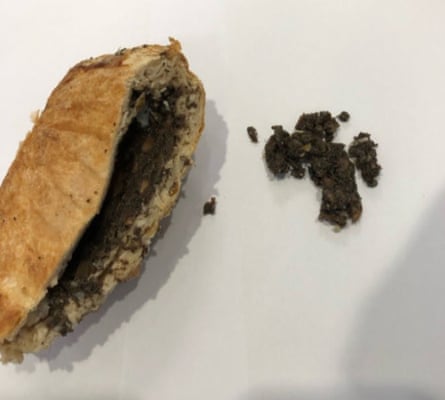
- The Supreme Court of Victoria released over 100 images, including photos of the meal and mushroom evidence.
- Patterson's sentencing is pending, with legal experts predicting a life sentence with a significant non-parole period.
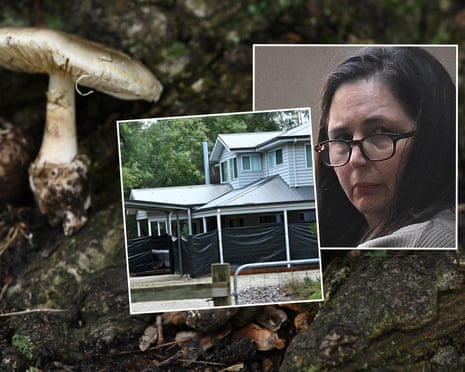
In a case that has captivated audiences worldwide, Erin Patterson, a 50-year-old woman from Morwell, Victoria, has been convicted of murdering three relatives and attempting to murder a fourth by serving them a beef Wellington laced with death cap mushrooms. The verdict was delivered by a jury at the Victorian Supreme Court, concluding a trial that spanned over two months and included testimony from more than 50 witnesses.
The Fatal Meal and Its Aftermath
On July 29, 2023, Patterson hosted a lunch that resulted in the deaths of her former in-laws, Don and Gail Patterson, both 70, and Gail's sister, Heather Wilkinson, 66. Heather's husband, Ian Wilkinson, survived after extensive hospital treatment. The meal, which included the deadly mushrooms, was served at Patterson's home in Leongatha. The court heard that Patterson had allegedly sourced the mushrooms from nearby towns, where sightings of the toxic fungi had been reported on the iNaturalist website.
Key Evidence Unveiled
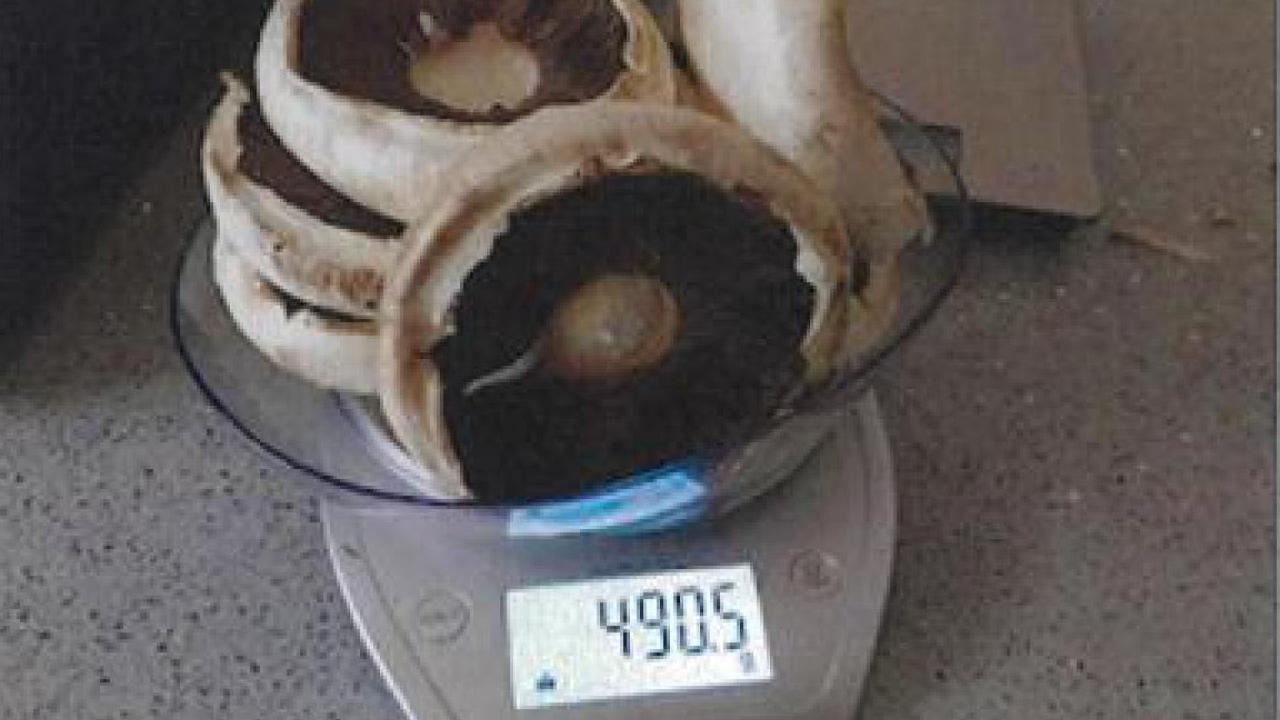
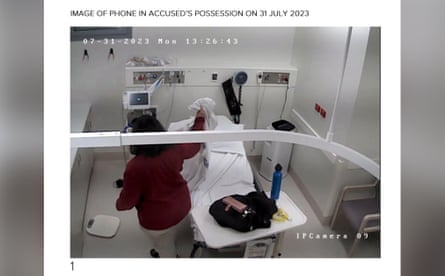
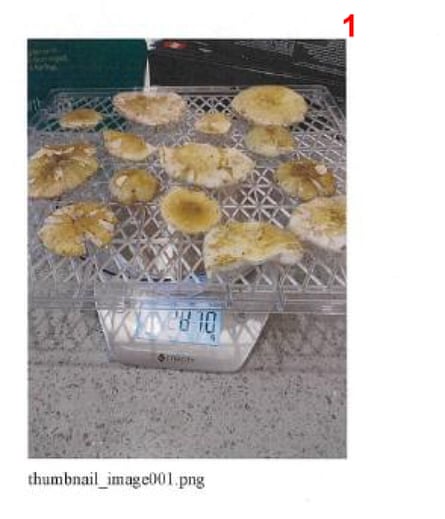
The prosecution presented a wealth of evidence, including mobile phone data and images recovered from Patterson's device, showing what appeared to be death cap mushrooms on weighing scales. A food dehydrator, found at a local tip, contained traces of the poisonous mushrooms, contradicting Patterson's initial denial of owning such equipment. Additionally, her search history indicated prior knowledge of the mushrooms' locations.
Public Reaction and Media Coverage
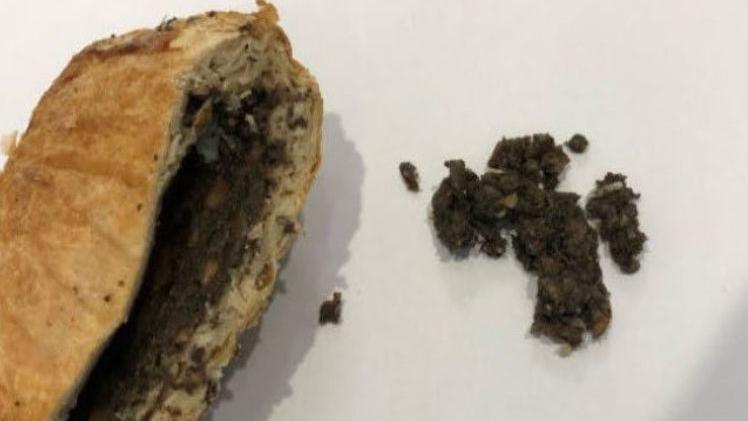
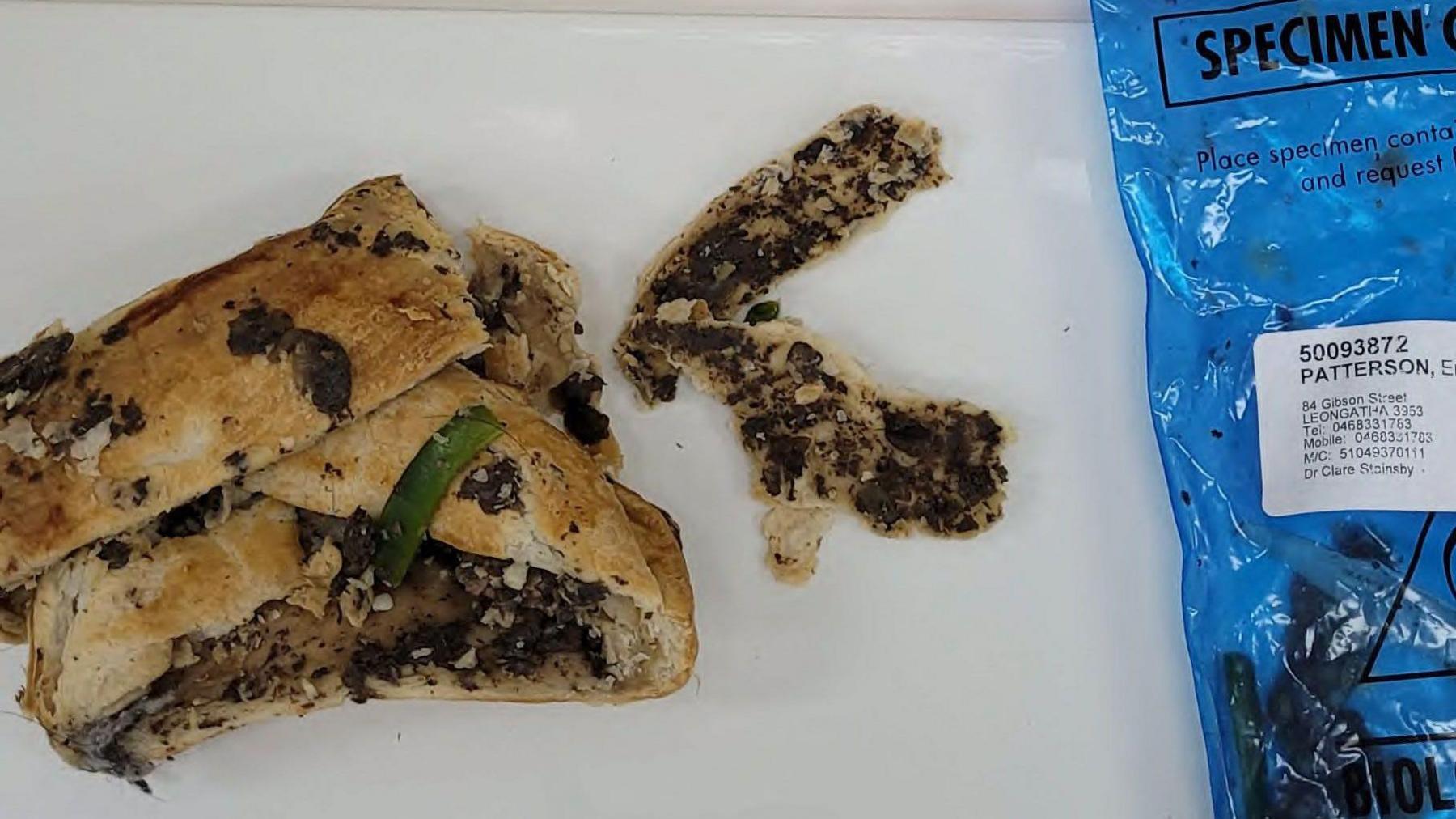
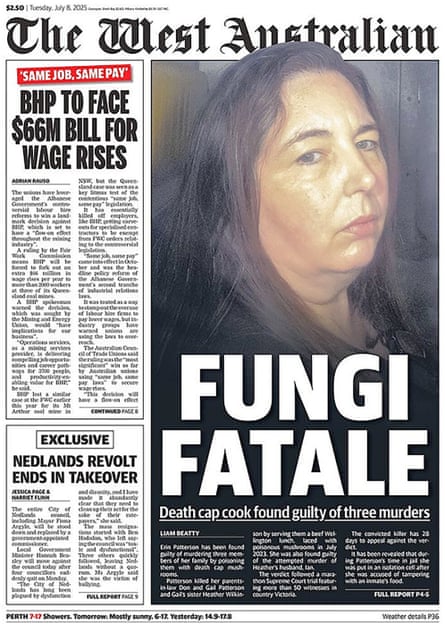
The trial has drawn significant media attention, with newspapers worldwide covering the case extensively. The Guardian, Sydney Morning Herald, and other major outlets highlighted the dramatic courtroom proceedings and the chilling details of the poisoning. The release of over 100 images by the Supreme Court, including photos of the beef Wellington leftovers, provided a visual narrative of the tragic events.
Legal Proceedings and Future Implications
With the guilty verdict now in place, the focus shifts to Patterson's sentencing. Legal experts, such as Emeritus Professor Rick Sarre, anticipate a life sentence, with a non-parole period potentially ranging from 30 to 37 years. The case underscores the lethal potential of death cap mushrooms and the importance of forensic evidence in modern legal proceedings.
WHAT THIS MIGHT MEAN
As Erin Patterson awaits sentencing, the legal community speculates on the implications of her conviction. A life sentence with a substantial non-parole period seems likely, given the gravity of her crimes. The case may also prompt discussions on the regulation of toxic substances and the role of digital evidence in criminal investigations. Furthermore, Patterson's potential appeal could extend the legal process, keeping public interest alive in this high-profile case.
Images from the Web





Related Articles

UK Government to Reform Asylum Seeker Support and Employment Policies

UK to Enforce Swift Removal of Non-Consensual Intimate Images by Tech Firms

Romance Rumors and a Standout Performance: The Buzz Around the New 'Wuthering Heights' Film

UK Faces Unprecedented Rainfall as Climate Scientists Call for Urgent Action

Noel Clarke Arrested Over 2007 Attempted Rape Allegation

Keir Starmer's Leadership in Peril Amid McSweeney Resignation and Mandelson Scandal
Erin Patterson Convicted in Mushroom Poisoning Case: A Closer Look at the Evidence
In This Article
 Aya Nakamura| Published
 HIGHLIGHTS
- Erin Patterson was found guilty of murdering three relatives and attempting to murder a fourth with a poisoned beef Wellington meal.
- The trial revealed Patterson's use of death cap mushrooms, a highly toxic fungus, which she allegedly sourced locally.
- Key evidence included mobile data, a food dehydrator with traces of the mushrooms, and Patterson's search history.
- The Supreme Court of Victoria released over 100 images, including photos of the meal and mushroom evidence.
- Patterson's sentencing is pending, with legal experts predicting a life sentence with a significant non-parole period.
In a case that has captivated audiences worldwide, Erin Patterson, a 50-year-old woman from Morwell, Victoria, has been convicted of murdering three relatives and attempting to murder a fourth by serving them a beef Wellington laced with death cap mushrooms. The verdict was delivered by a jury at the Victorian Supreme Court, concluding a trial that spanned over two months and included testimony from more than 50 witnesses.
The Fatal Meal and Its Aftermath
On July 29, 2023, Patterson hosted a lunch that resulted in the deaths of her former in-laws, Don and Gail Patterson, both 70, and Gail's sister, Heather Wilkinson, 66. Heather's husband, Ian Wilkinson, survived after extensive hospital treatment. The meal, which included the deadly mushrooms, was served at Patterson's home in Leongatha. The court heard that Patterson had allegedly sourced the mushrooms from nearby towns, where sightings of the toxic fungi had been reported on the iNaturalist website.
Key Evidence Unveiled
The prosecution presented a wealth of evidence, including mobile phone data and images recovered from Patterson's device, showing what appeared to be death cap mushrooms on weighing scales. A food dehydrator, found at a local tip, contained traces of the poisonous mushrooms, contradicting Patterson's initial denial of owning such equipment. Additionally, her search history indicated prior knowledge of the mushrooms' locations.
Public Reaction and Media Coverage
The trial has drawn significant media attention, with newspapers worldwide covering the case extensively. The Guardian, Sydney Morning Herald, and other major outlets highlighted the dramatic courtroom proceedings and the chilling details of the poisoning. The release of over 100 images by the Supreme Court, including photos of the beef Wellington leftovers, provided a visual narrative of the tragic events.
Legal Proceedings and Future Implications
With the guilty verdict now in place, the focus shifts to Patterson's sentencing. Legal experts, such as Emeritus Professor Rick Sarre, anticipate a life sentence, with a non-parole period potentially ranging from 30 to 37 years. The case underscores the lethal potential of death cap mushrooms and the importance of forensic evidence in modern legal proceedings.
WHAT THIS MIGHT MEAN
As Erin Patterson awaits sentencing, the legal community speculates on the implications of her conviction. A life sentence with a substantial non-parole period seems likely, given the gravity of her crimes. The case may also prompt discussions on the regulation of toxic substances and the role of digital evidence in criminal investigations. Furthermore, Patterson's potential appeal could extend the legal process, keeping public interest alive in this high-profile case.
Images from the Web
Related Articles
UK Government to Reform Asylum Seeker Support and Employment Policies
UK to Enforce Swift Removal of Non-Consensual Intimate Images by Tech Firms
Romance Rumors and a Standout Performance: The Buzz Around the New 'Wuthering Heights' Film
UK Faces Unprecedented Rainfall as Climate Scientists Call for Urgent Action
Noel Clarke Arrested Over 2007 Attempted Rape Allegation
Keir Starmer's Leadership in Peril Amid McSweeney Resignation and Mandelson Scandal