
EU Challenges Meta Over AI Chatbot Restrictions on WhatsApp
In This Article
HIGHLIGHTS
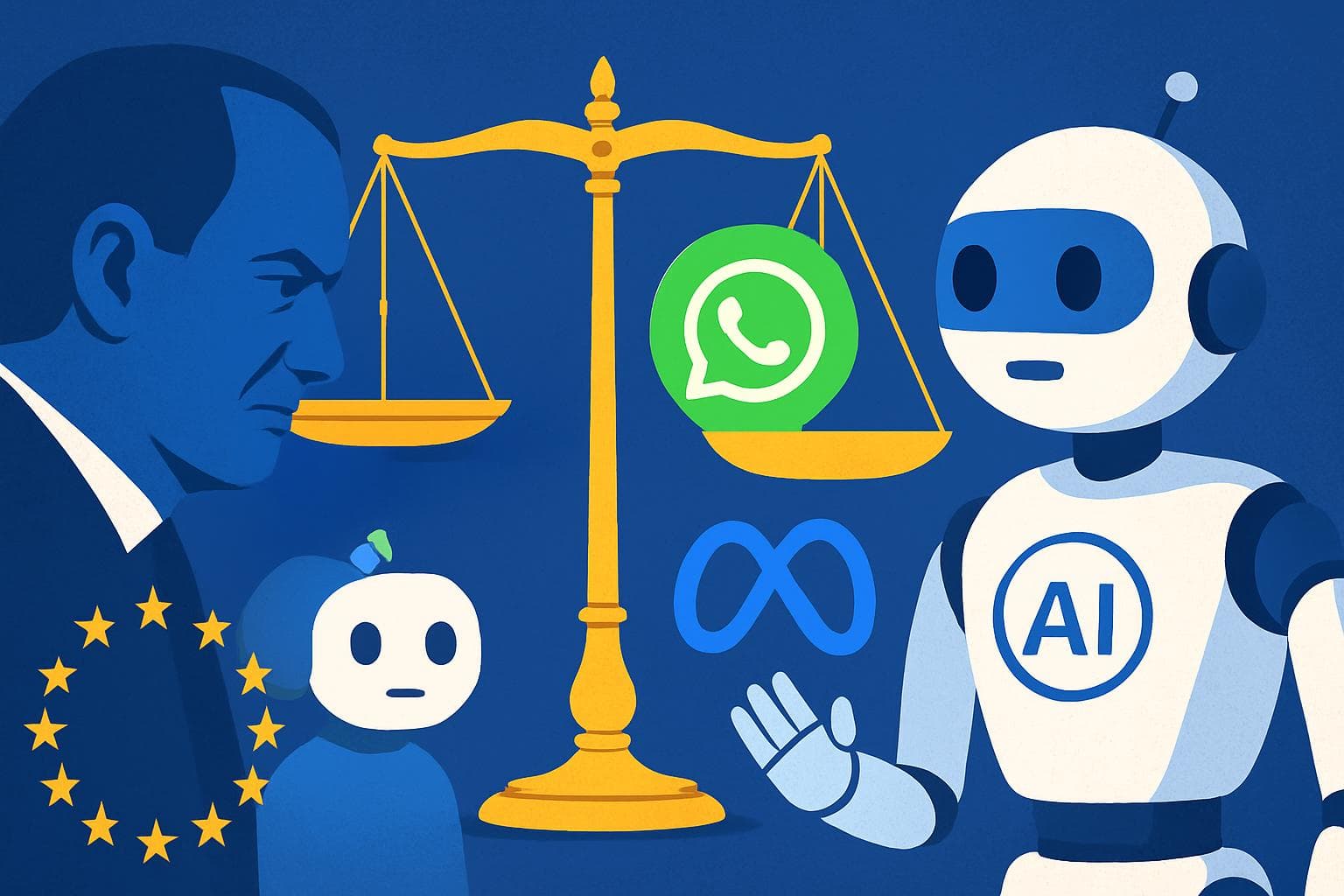
- The EU has accused Meta of breaching antitrust rules by blocking rival AI chatbots from WhatsApp, demanding urgent changes.
- Meta's recent update restricts WhatsApp to only its AI assistant, Meta AI, raising concerns about market dominance.
- The European Commission warns that Meta's actions could cause "serious and irreparable harm" to the AI chatbot market.
- Meta argues the EU's intervention is unnecessary, claiming WhatsApp Business is not a key channel for AI chatbots.
- The EU's scrutiny of Meta is part of a broader effort to regulate big tech firms under its digital laws.
The European Union has issued a stern warning to Meta, alleging that the tech giant has violated antitrust regulations by restricting rival AI chatbots from accessing its WhatsApp platform. This move follows a significant update on January 15, which limited WhatsApp's AI capabilities exclusively to Meta's own assistant, Meta AI.
EU's Antitrust Concerns
The European Commission has expressed concerns that Meta's actions could stifle competition in the burgeoning AI chatbot market. WhatsApp, a dominant messaging service in the EU, is seen as a crucial gateway for AI chatbots like ChatGPT to engage with consumers. Teresa Ribera, the EU's competition chief, emphasized the need to protect effective competition, stating, "We cannot allow dominant tech companies to leverage their dominance unfairly."
Meta's Defense
In response, Meta has dismissed the EU's claims, arguing that the intervention is unwarranted. A spokesperson for Meta stated that the EU has "incorrectly" assumed the significance of WhatsApp Business as a distribution channel for AI chatbots. The company maintains that there are numerous AI options available through various platforms and partnerships.
Broader Regulatory Context
This development is part of a larger EU initiative to regulate major tech companies under its digital laws. The Commission has recently taken similar actions against other tech giants, including TikTok and Elon Musk's X, highlighting its commitment to enforcing competition rules. The EU's actions have also sparked tensions with the United States, which has criticized these measures as discriminatory against American companies.
WHAT THIS MIGHT MEAN
The EU's challenge to Meta could lead to significant changes in how AI chatbots operate on messaging platforms. If Meta fails to comply with the EU's demands, it may face interim measures that could force it to reopen WhatsApp to third-party AI assistants. This case could set a precedent for future regulatory actions against other tech giants, potentially reshaping the digital competition landscape.
Experts suggest that the EU's firm stance on digital competition may encourage other regions to adopt similar regulatory frameworks. As the situation unfolds, the tech industry will be closely watching how Meta navigates these regulatory challenges and what implications this may have for its business operations globally.
Related Articles

Tech Giants Pledge to Cover AI Data Center Energy Costs Amid Rising Electricity Concerns

Google Faces Legal Battle Over AI Chatbot's Alleged Role in Tragic Death
China Sets Lowest GDP Growth Target in Decades Amid Economic Challenges

Cuba Faces Widespread Blackout Amid Deepening Fuel Crisis

Russian LNG Tanker Sinks in Mediterranean Amid Accusations of Ukrainian Drone Attack

UK Faces Dilemmas Amid Iran Conflict and China Spying Allegations
EU Challenges Meta Over AI Chatbot Restrictions on WhatsApp
In This Article
 Himanshu Kaushik| Published
 HIGHLIGHTS
- The EU has accused Meta of breaching antitrust rules by blocking rival AI chatbots from WhatsApp, demanding urgent changes.
- Meta's recent update restricts WhatsApp to only its AI assistant, Meta AI, raising concerns about market dominance.
- The European Commission warns that Meta's actions could cause "serious and irreparable harm" to the AI chatbot market.
- Meta argues the EU's intervention is unnecessary, claiming WhatsApp Business is not a key channel for AI chatbots.
- The EU's scrutiny of Meta is part of a broader effort to regulate big tech firms under its digital laws.
The European Union has issued a stern warning to Meta, alleging that the tech giant has violated antitrust regulations by restricting rival AI chatbots from accessing its WhatsApp platform. This move follows a significant update on January 15, which limited WhatsApp's AI capabilities exclusively to Meta's own assistant, Meta AI.
EU's Antitrust Concerns
The European Commission has expressed concerns that Meta's actions could stifle competition in the burgeoning AI chatbot market. WhatsApp, a dominant messaging service in the EU, is seen as a crucial gateway for AI chatbots like ChatGPT to engage with consumers. Teresa Ribera, the EU's competition chief, emphasized the need to protect effective competition, stating, "We cannot allow dominant tech companies to leverage their dominance unfairly."
Meta's Defense
In response, Meta has dismissed the EU's claims, arguing that the intervention is unwarranted. A spokesperson for Meta stated that the EU has "incorrectly" assumed the significance of WhatsApp Business as a distribution channel for AI chatbots. The company maintains that there are numerous AI options available through various platforms and partnerships.
Broader Regulatory Context
This development is part of a larger EU initiative to regulate major tech companies under its digital laws. The Commission has recently taken similar actions against other tech giants, including TikTok and Elon Musk's X, highlighting its commitment to enforcing competition rules. The EU's actions have also sparked tensions with the United States, which has criticized these measures as discriminatory against American companies.
WHAT THIS MIGHT MEAN
The EU's challenge to Meta could lead to significant changes in how AI chatbots operate on messaging platforms. If Meta fails to comply with the EU's demands, it may face interim measures that could force it to reopen WhatsApp to third-party AI assistants. This case could set a precedent for future regulatory actions against other tech giants, potentially reshaping the digital competition landscape.
Experts suggest that the EU's firm stance on digital competition may encourage other regions to adopt similar regulatory frameworks. As the situation unfolds, the tech industry will be closely watching how Meta navigates these regulatory challenges and what implications this may have for its business operations globally.
Related Articles
Tech Giants Pledge to Cover AI Data Center Energy Costs Amid Rising Electricity Concerns
Google Faces Legal Battle Over AI Chatbot's Alleged Role in Tragic Death
China Sets Lowest GDP Growth Target in Decades Amid Economic Challenges
Cuba Faces Widespread Blackout Amid Deepening Fuel Crisis
Russian LNG Tanker Sinks in Mediterranean Amid Accusations of Ukrainian Drone Attack
UK Faces Dilemmas Amid Iran Conflict and China Spying Allegations