
European Wildcats Set for Reintroduction in England After a Century
In This Article
HIGHLIGHTS
- European wildcats, once extinct in England, may be reintroduced in mid-Devon by 2028, with plans to release 50 individuals.
- The South West Wildcat Project, led by Devon Wildlife Trust, found 80% public support for reintroduction, despite concerns about wildlife impact.
- Interbreeding with domestic cats poses a threat to genetic purity, necessitating cooperation with local communities for a neutering program.
- The reintroduction aims to restore local ecosystems and biodiversity, with careful monitoring and management to prevent negative impacts.
- The UK's only wildcat population, critically endangered, currently resides in the Scottish Highlands with about 115 individuals.
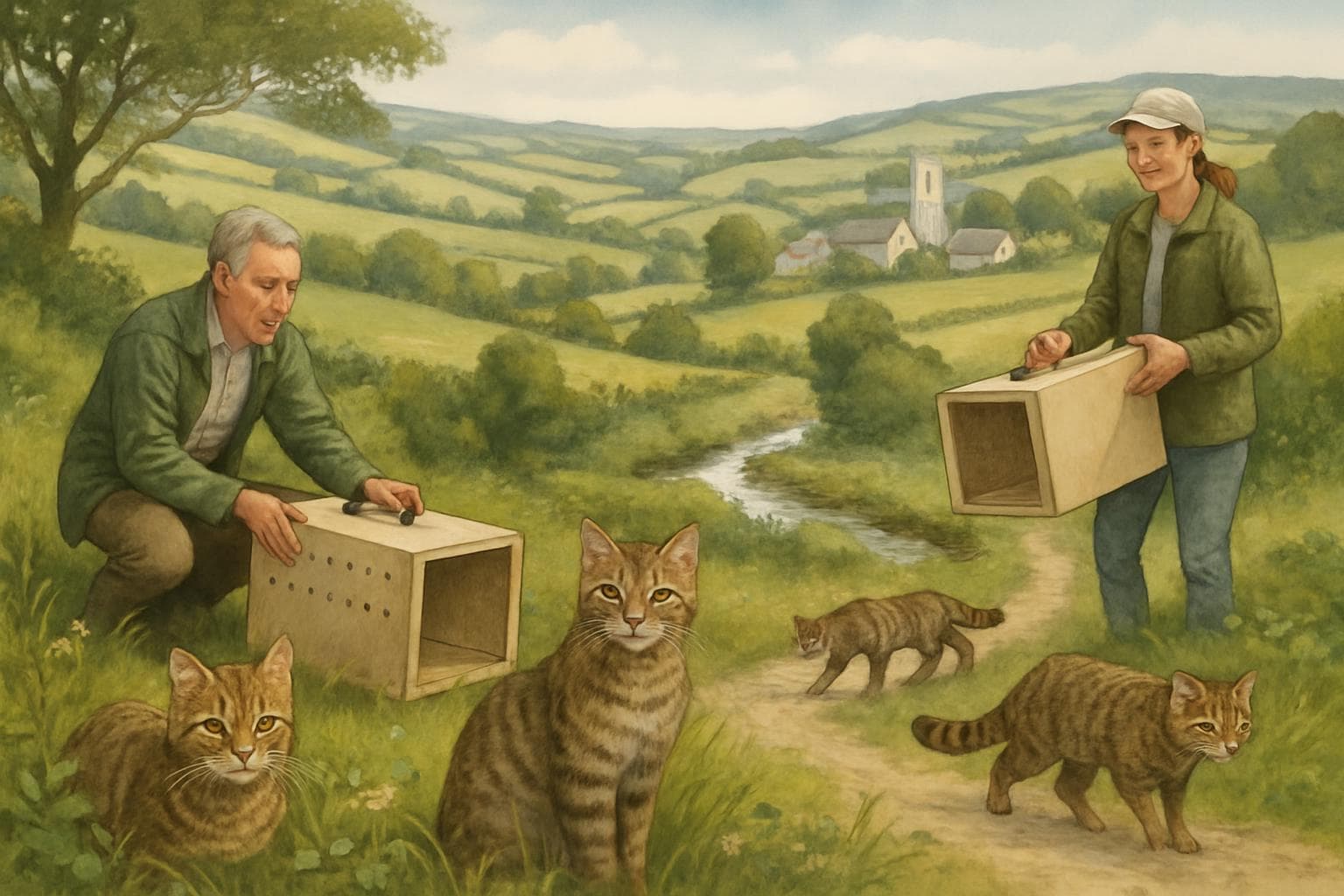
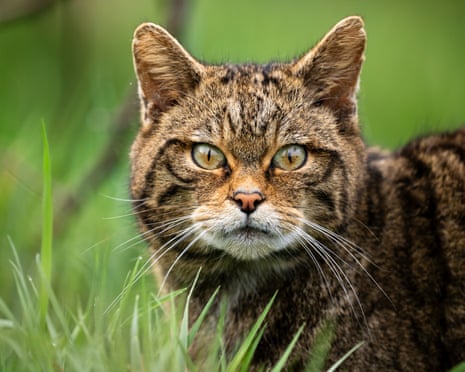
European wildcats, once extinct in England, are poised for a comeback in the mid-Devon countryside by 2028. This ambitious reintroduction plan, spearheaded by the South West Wildcat Project, aims to release 50 wildcats into the region, marking a significant step in wildlife conservation and habitat restoration.
Public Support and Concerns
A study conducted by the University of Exeter revealed that 80% of local residents support the reintroduction of these endangered species. However, concerns remain about the potential impact on existing wildlife, such as poultry and native bird species. Oliver Edwards, a farmer from Exmoor, expressed worries about the predatory nature of wildcats affecting local fauna, including barn owls that rely on voles for sustenance.
Addressing Genetic Purity and Community Involvement
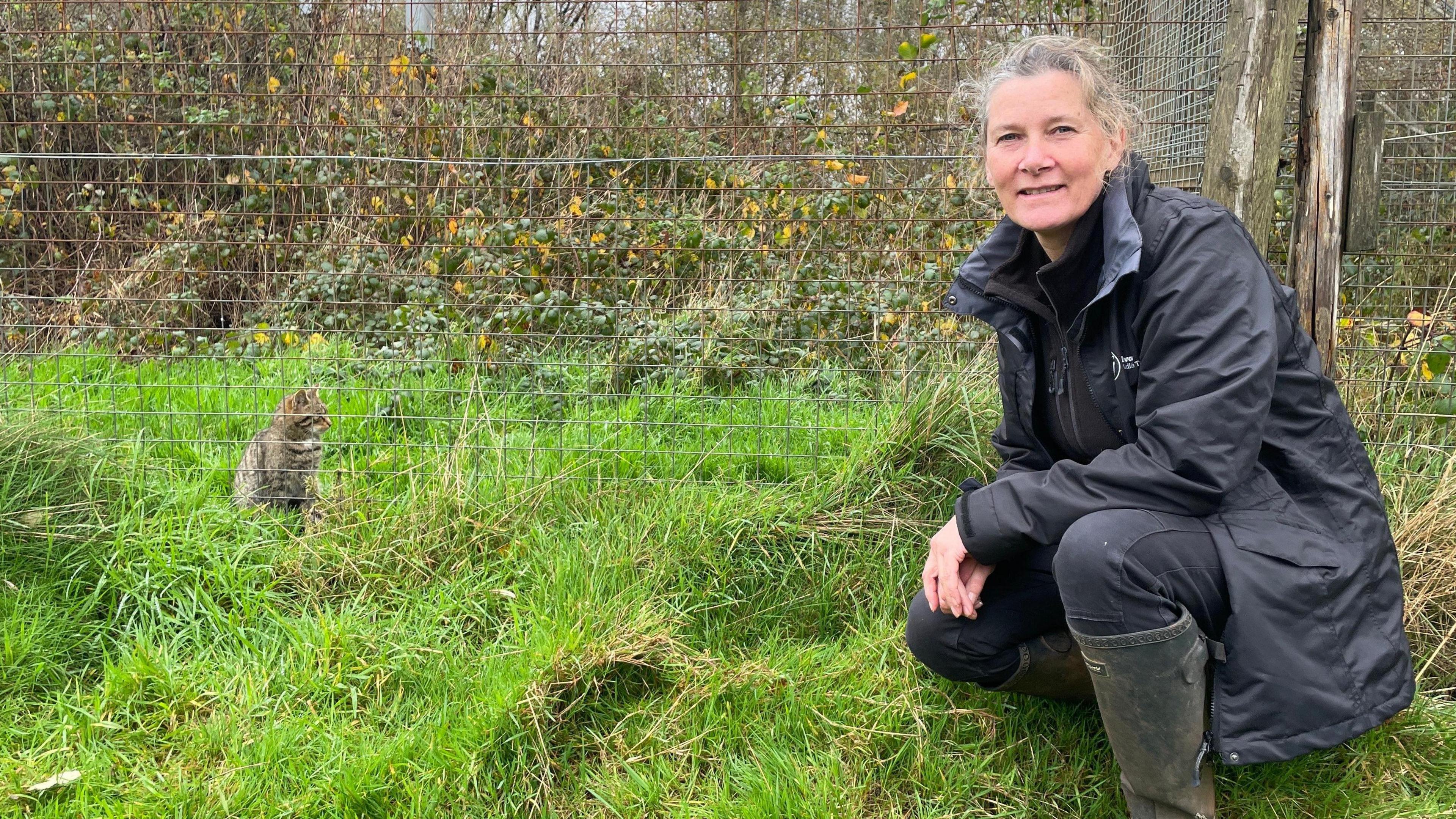
One of the critical challenges facing the project is the risk of interbreeding between wildcats and domestic cats, which could undermine the genetic purity of the species. To address this, the project emphasizes the need for collaboration with local communities and cat welfare organizations to implement a neutering program. Cath Jeffs, the project lead, stressed the importance of open dialogue with stakeholders to ensure the success of the reintroduction.
Historical Context and Conservation Efforts
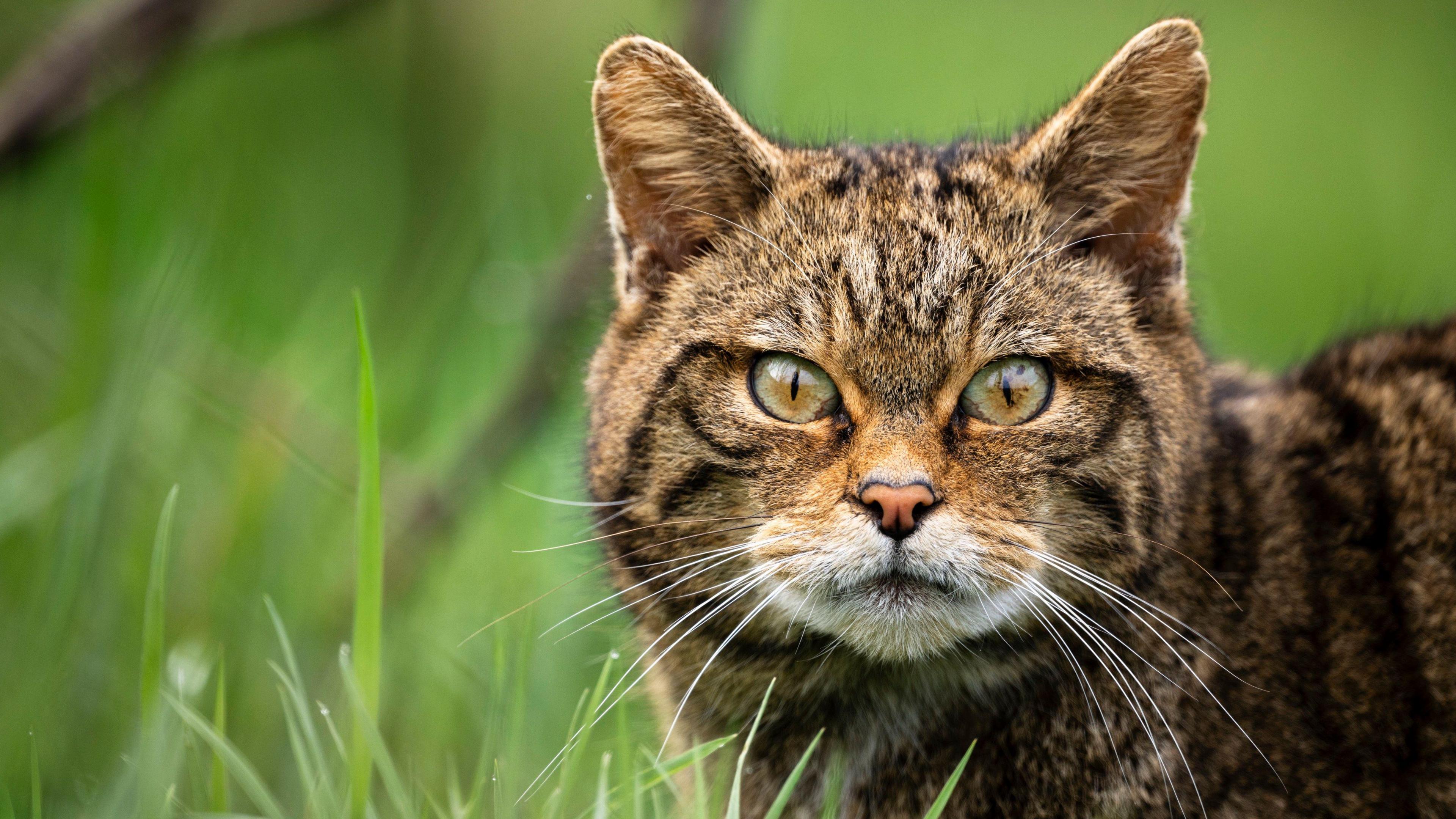
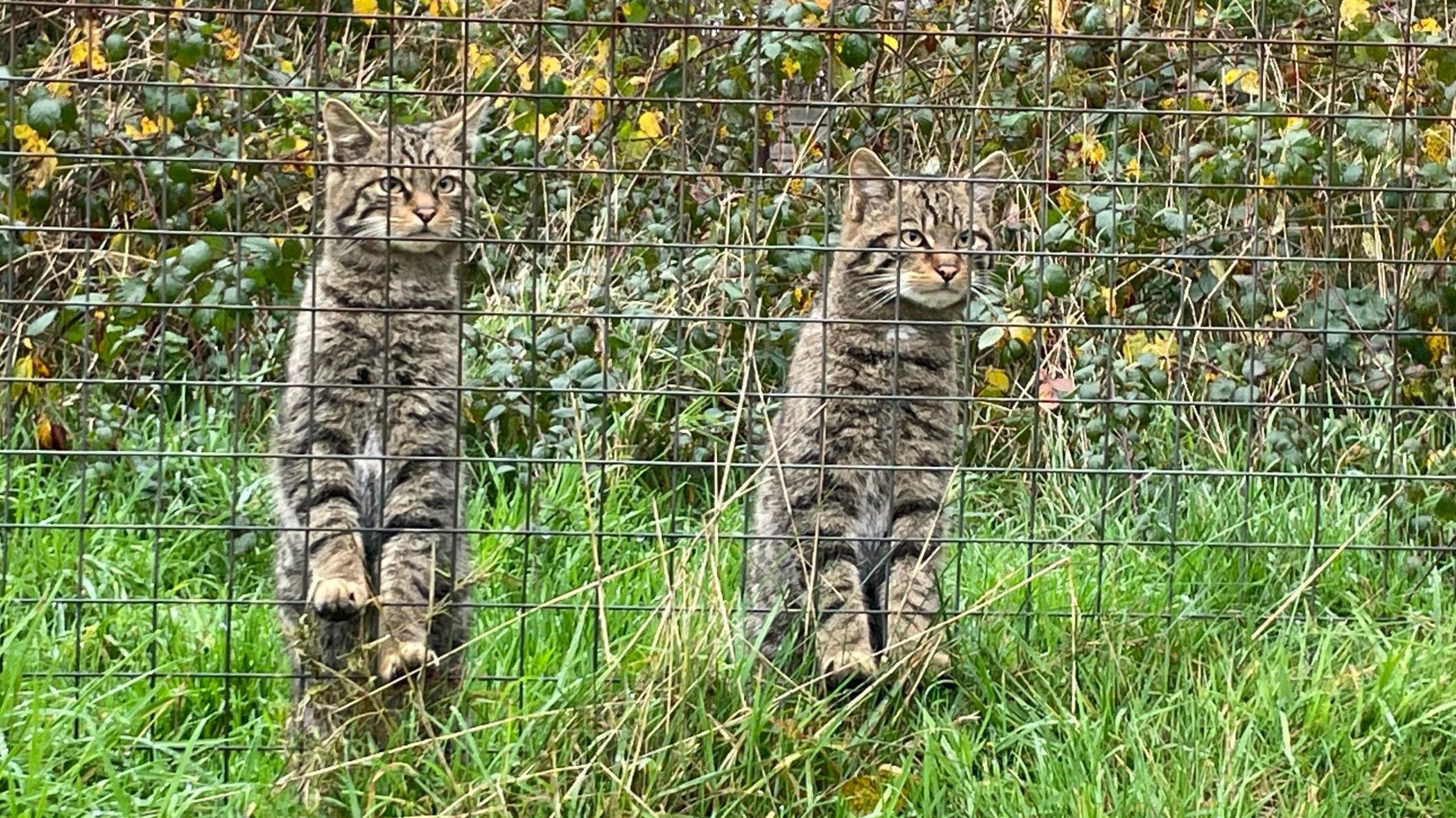
Historically known as woodcats, European wildcats were once widespread across Great Britain. However, centuries of persecution and habitat loss led to their disappearance from England and Wales. Today, the only remaining wildcat population in the UK is found in the Scottish Highlands, where they are critically endangered with as few as 115 individuals left in the wild.
The South West Wildcat Project, established in 2023, aims to restore these iconic creatures to their former habitats. The project's report highlights the suitability of mid-Devon's woodland and grassland for sustaining a wildcat population, offering a promising future for these elusive animals.
WHAT THIS MIGHT MEAN
The reintroduction of European wildcats in England could have significant ecological and cultural implications. If successful, it may pave the way for similar conservation efforts across the UK, enhancing biodiversity and restoring natural ecosystems. However, the project's success hinges on effective community engagement and addressing the genetic challenges posed by interbreeding with domestic cats.
Experts suggest that ongoing monitoring and adaptive management will be crucial to mitigate potential negative impacts on local wildlife. The initiative also underscores the importance of balancing conservation goals with the interests of local communities, ensuring that the return of wildcats enriches rather than disrupts the region's natural heritage.
Images from the Web
Related Articles

Saharan Dust to Illuminate UK Skies with Vivid Sunrises and Sunsets

Police Federation Chief Arrested Amid Fraud Investigation

Canada and Australia Forge Strategic Partnership Amid Global Uncertainty

UK Government to Reform Asylum Seeker Support and Employment Policies

Sisters Tragically Drown at Eryri National Park's Watkin Path

Middle East Conflict Drives UK Energy Prices to New Highs
European Wildcats Set for Reintroduction in England After a Century
In This Article
 Leila Hassan| Published
 HIGHLIGHTS
- European wildcats, once extinct in England, may be reintroduced in mid-Devon by 2028, with plans to release 50 individuals.
- The South West Wildcat Project, led by Devon Wildlife Trust, found 80% public support for reintroduction, despite concerns about wildlife impact.
- Interbreeding with domestic cats poses a threat to genetic purity, necessitating cooperation with local communities for a neutering program.
- The reintroduction aims to restore local ecosystems and biodiversity, with careful monitoring and management to prevent negative impacts.
- The UK's only wildcat population, critically endangered, currently resides in the Scottish Highlands with about 115 individuals.
European wildcats, once extinct in England, are poised for a comeback in the mid-Devon countryside by 2028. This ambitious reintroduction plan, spearheaded by the South West Wildcat Project, aims to release 50 wildcats into the region, marking a significant step in wildlife conservation and habitat restoration.
Public Support and Concerns
A study conducted by the University of Exeter revealed that 80% of local residents support the reintroduction of these endangered species. However, concerns remain about the potential impact on existing wildlife, such as poultry and native bird species. Oliver Edwards, a farmer from Exmoor, expressed worries about the predatory nature of wildcats affecting local fauna, including barn owls that rely on voles for sustenance.
Addressing Genetic Purity and Community Involvement
One of the critical challenges facing the project is the risk of interbreeding between wildcats and domestic cats, which could undermine the genetic purity of the species. To address this, the project emphasizes the need for collaboration with local communities and cat welfare organizations to implement a neutering program. Cath Jeffs, the project lead, stressed the importance of open dialogue with stakeholders to ensure the success of the reintroduction.
Historical Context and Conservation Efforts
Historically known as woodcats, European wildcats were once widespread across Great Britain. However, centuries of persecution and habitat loss led to their disappearance from England and Wales. Today, the only remaining wildcat population in the UK is found in the Scottish Highlands, where they are critically endangered with as few as 115 individuals left in the wild.
The South West Wildcat Project, established in 2023, aims to restore these iconic creatures to their former habitats. The project's report highlights the suitability of mid-Devon's woodland and grassland for sustaining a wildcat population, offering a promising future for these elusive animals.
WHAT THIS MIGHT MEAN
The reintroduction of European wildcats in England could have significant ecological and cultural implications. If successful, it may pave the way for similar conservation efforts across the UK, enhancing biodiversity and restoring natural ecosystems. However, the project's success hinges on effective community engagement and addressing the genetic challenges posed by interbreeding with domestic cats.
Experts suggest that ongoing monitoring and adaptive management will be crucial to mitigate potential negative impacts on local wildlife. The initiative also underscores the importance of balancing conservation goals with the interests of local communities, ensuring that the return of wildcats enriches rather than disrupts the region's natural heritage.
Images from the Web
Related Articles
Saharan Dust to Illuminate UK Skies with Vivid Sunrises and Sunsets
Police Federation Chief Arrested Amid Fraud Investigation
Canada and Australia Forge Strategic Partnership Amid Global Uncertainty
UK Government to Reform Asylum Seeker Support and Employment Policies
Sisters Tragically Drown at Eryri National Park's Watkin Path
Middle East Conflict Drives UK Energy Prices to New Highs