
Former Olympian Ryan Wedding Arrested in Mexico, Faces Extradition to US on Drug Charges

In This Article
HIGHLIGHTS
- Ryan Wedding, a former Canadian Olympic snowboarder, was arrested in Mexico and will be extradited to the US on charges of transnational drug trafficking and murder.
- Wedding, 44, was on the FBI's Ten Most Wanted Fugitives list and is accused of running a drug operation moving 60 metric tonnes of cocaine annually.
- He allegedly operated under the protection of the Sinaloa cartel and is linked to multiple murders, including that of a federal witness.
- Wedding voluntarily surrendered at the US embassy in Mexico City, and his arrest involved cooperation between US, Canadian, and Mexican authorities.
- He is set to appear in court in Los Angeles, facing charges including drug trafficking, money laundering, and witness tampering.
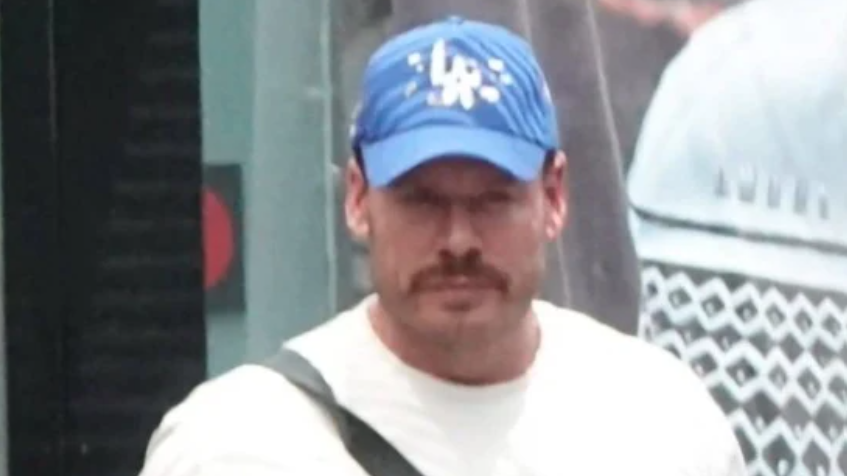
Ryan Wedding, a former Canadian Olympic snowboarder turned alleged drug kingpin, has been apprehended in Mexico and is set to be extradited to the United States. Wedding, 44, was on the FBI's Ten Most Wanted Fugitives list, accused of orchestrating a vast transnational drug trafficking operation that moved approximately 60 metric tonnes of cocaine annually across North America and beyond.
The arrest marks a significant victory for international law enforcement agencies, with FBI Director Kash Patel announcing the capture alongside Canadian and Mexican officials. "No single agency or nation can combat transnational organized crime alone," said Mike Duheme, Commissioner of the Royal Canadian Mounted Police (RCMP). The operation, dubbed "Operation Giant Slalom," has been ongoing since 2023, with Wedding's name added to the FBI's Most Wanted list in March 2025.
Wedding's criminal enterprise, allegedly operating under the protection of the notorious Sinaloa cartel, was responsible for importing cocaine into the United States and Canada, generating an estimated $1 billion annually. US Attorney General Pam Bondi described the organization as "one of the most prolific and violent drug-trafficking organizations" globally.
In addition to drug trafficking, Wedding faces charges of murder, witness tampering, and money laundering. He is accused of ordering the murder of a federal witness and several others, including a couple killed in a case of mistaken identity. The FBI had previously offered a $15 million reward for information leading to his arrest.
Wedding's arrest took place after he voluntarily surrendered at the US embassy in Mexico City, a move that some analysts suggest could be an attempt to negotiate better legal terms. The decision for FBI Director Patel to be present during the arrest underscores the political importance of capturing Wedding, who has been compared to infamous drug lords like Pablo Escobar and Joaquín "El Chapo" Guzmán.
Wedding is expected to make his first court appearance in Los Angeles on Monday, where he will face a slew of felony charges. The arrest has been hailed as a "good day" for victims, with Akil Davis, assistant director of the FBI’s Los Angeles field office, stating, "Ryan Wedding tormented several people and several families that will never be the same. But today, they get the justice that they sought."
WHAT THIS MIGHT MEAN
The arrest of Ryan Wedding could have significant implications for international drug trafficking networks. His capture may lead to further arrests and dismantling of the organization he allegedly led. Legal experts suggest that Wedding's decision to surrender might indicate a willingness to cooperate with authorities, potentially providing valuable intelligence on other criminal operations.
Politically, the successful collaboration between US, Canadian, and Mexican authorities highlights the importance of international cooperation in combating transnational organized crime. The case may also prompt discussions on extradition policies and the role of high-profile arrests in deterring future criminal activities. As Wedding faces trial, the proceedings will likely draw significant media attention, potentially influencing public perception of law enforcement's effectiveness in tackling global drug trafficking.
Images from the Web

Related Articles

Armed Intruder Fatally Shot at Mar-a-Lago by Secret Service

Canada Calls for De-escalation Amid US-Israel Strikes on Iran
El Mencho's Death Sparks Violent Unrest Across Mexico
Venezuelan Political Prisoners Seek Amnesty Amidst Hopes for Democratic Transition

China Sets Lowest GDP Growth Target in Decades Amid Economic Challenges

Canada and Australia Forge Strategic Partnership Amid Global Uncertainty
Former Olympian Ryan Wedding Arrested in Mexico, Faces Extradition to US on Drug Charges
In This Article
 Sofia Romano| Published
 HIGHLIGHTS
- Ryan Wedding, a former Canadian Olympic snowboarder, was arrested in Mexico and will be extradited to the US on charges of transnational drug trafficking and murder.
- Wedding, 44, was on the FBI's Ten Most Wanted Fugitives list and is accused of running a drug operation moving 60 metric tonnes of cocaine annually.
- He allegedly operated under the protection of the Sinaloa cartel and is linked to multiple murders, including that of a federal witness.
- Wedding voluntarily surrendered at the US embassy in Mexico City, and his arrest involved cooperation between US, Canadian, and Mexican authorities.
- He is set to appear in court in Los Angeles, facing charges including drug trafficking, money laundering, and witness tampering.
Ryan Wedding, a former Canadian Olympic snowboarder turned alleged drug kingpin, has been apprehended in Mexico and is set to be extradited to the United States. Wedding, 44, was on the FBI's Ten Most Wanted Fugitives list, accused of orchestrating a vast transnational drug trafficking operation that moved approximately 60 metric tonnes of cocaine annually across North America and beyond.
The arrest marks a significant victory for international law enforcement agencies, with FBI Director Kash Patel announcing the capture alongside Canadian and Mexican officials. "No single agency or nation can combat transnational organized crime alone," said Mike Duheme, Commissioner of the Royal Canadian Mounted Police (RCMP). The operation, dubbed "Operation Giant Slalom," has been ongoing since 2023, with Wedding's name added to the FBI's Most Wanted list in March 2025.
Wedding's criminal enterprise, allegedly operating under the protection of the notorious Sinaloa cartel, was responsible for importing cocaine into the United States and Canada, generating an estimated $1 billion annually. US Attorney General Pam Bondi described the organization as "one of the most prolific and violent drug-trafficking organizations" globally.
In addition to drug trafficking, Wedding faces charges of murder, witness tampering, and money laundering. He is accused of ordering the murder of a federal witness and several others, including a couple killed in a case of mistaken identity. The FBI had previously offered a $15 million reward for information leading to his arrest.
Wedding's arrest took place after he voluntarily surrendered at the US embassy in Mexico City, a move that some analysts suggest could be an attempt to negotiate better legal terms. The decision for FBI Director Patel to be present during the arrest underscores the political importance of capturing Wedding, who has been compared to infamous drug lords like Pablo Escobar and Joaquín "El Chapo" Guzmán.
Wedding is expected to make his first court appearance in Los Angeles on Monday, where he will face a slew of felony charges. The arrest has been hailed as a "good day" for victims, with Akil Davis, assistant director of the FBI’s Los Angeles field office, stating, "Ryan Wedding tormented several people and several families that will never be the same. But today, they get the justice that they sought."
WHAT THIS MIGHT MEAN
The arrest of Ryan Wedding could have significant implications for international drug trafficking networks. His capture may lead to further arrests and dismantling of the organization he allegedly led. Legal experts suggest that Wedding's decision to surrender might indicate a willingness to cooperate with authorities, potentially providing valuable intelligence on other criminal operations.
Politically, the successful collaboration between US, Canadian, and Mexican authorities highlights the importance of international cooperation in combating transnational organized crime. The case may also prompt discussions on extradition policies and the role of high-profile arrests in deterring future criminal activities. As Wedding faces trial, the proceedings will likely draw significant media attention, potentially influencing public perception of law enforcement's effectiveness in tackling global drug trafficking.
Images from the Web
Related Articles
Armed Intruder Fatally Shot at Mar-a-Lago by Secret Service
Canada Calls for De-escalation Amid US-Israel Strikes on Iran
El Mencho's Death Sparks Violent Unrest Across Mexico
Venezuelan Political Prisoners Seek Amnesty Amidst Hopes for Democratic Transition
China Sets Lowest GDP Growth Target in Decades Amid Economic Challenges
Canada and Australia Forge Strategic Partnership Amid Global Uncertainty