
Venezuelan Political Prisoners Seek Amnesty Amidst Hopes for Democratic Transition
In This Article
HIGHLIGHTS
- Over 1,500 Venezuelan political prisoners have applied for amnesty under a new law, with hundreds already released.
- The amnesty law, criticized for excluding certain prisoners, aims to eventually cover 11,000 detainees.
- Nicolás Maduro's capture by US forces on January 3 has sparked optimism for democratic transition in Venezuela.
- Activists like Jesús Armas, recently freed from El Helicoide prison, are advocating for a full transition to democracy.
- Despite Maduro's removal, his vice-president, Delcy Rodríguez, has assumed leadership, complicating the democratic transition.
In a significant development for Venezuela, over 1,500 political prisoners have applied for amnesty under a new law introduced by the country's National Assembly. This move comes in the wake of former President Nicolás Maduro's capture by US forces on January 3, which has ignited hopes for a democratic transition in the nation.
Amnesty Law and Its Controversies
The amnesty law, announced shortly after Maduro's capture, aims to address the release of 11,000 prisoners, with 1,557 applications already being processed. Jorge Rodríguez, the National Assembly President, confirmed that hundreds of prisoners have been released, including opposition politician Juan Pablo Guanipa. However, the law has faced criticism for excluding certain groups, such as those who called for foreign intervention in Venezuela. Law professor Juan Carlos Apitz highlighted this exclusion, noting its potential impact on figures like Maria Corina Machado.
Life After El Helicoide
Jesús Armas, a recently freed activist, described the atmosphere inside El Helicoide prison during the tumultuous events of early January. The prison, notorious for holding political prisoners, erupted in excitement as news of Maduro's capture spread. Armas, who spent 14 months in detention, is now among the 440 political prisoners released since Maduro's downfall. He expressed cautious optimism about Venezuela's future, stating, "We are not totally in a transition, but I think we are a few steps in that direction."
The Path to Democracy
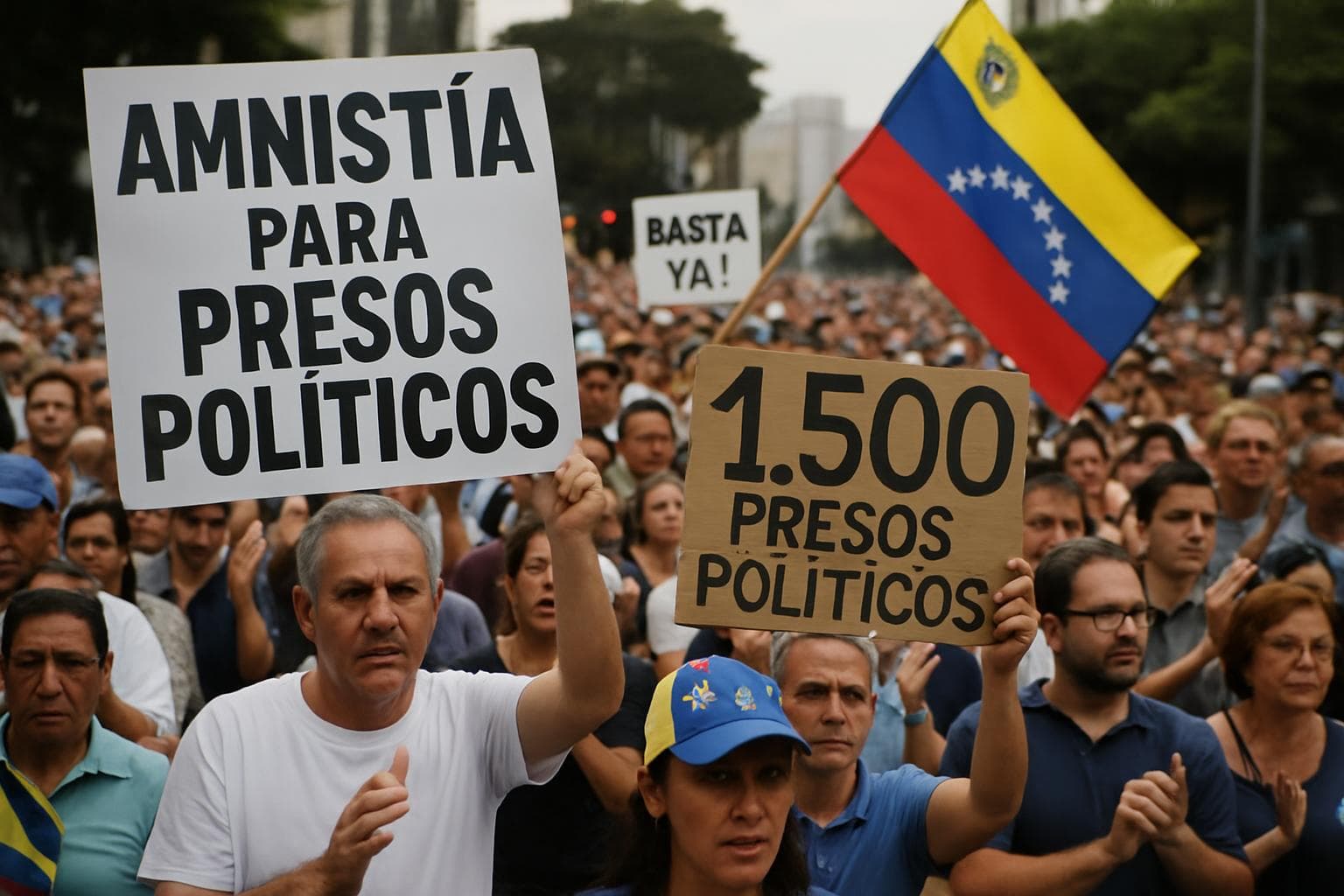
Despite the initial euphoria, Venezuela's path to democracy remains uncertain. Delcy Rodríguez, Maduro's vice-president, has assumed leadership, complicating the transition process. Nonetheless, the mood in Venezuela has shifted, with a surge in optimism among citizens. Recent demonstrations have seen thousands, including young activists like María Fernández and Agustín González, taking to the streets to demand a complete transition to democracy and the release of all political prisoners.
WHAT THIS MIGHT MEAN
The future of Venezuela's political landscape remains uncertain as the country navigates the aftermath of Maduro's capture. While the amnesty law represents a step towards reconciliation, its limitations have sparked debate among opposition groups and human rights advocates. The leadership of Delcy Rodríguez poses challenges to a full democratic transition, but the growing public demand for change could influence the political trajectory. International observers will be closely monitoring the situation, as Venezuela's journey towards democracy continues to unfold.
Related Articles
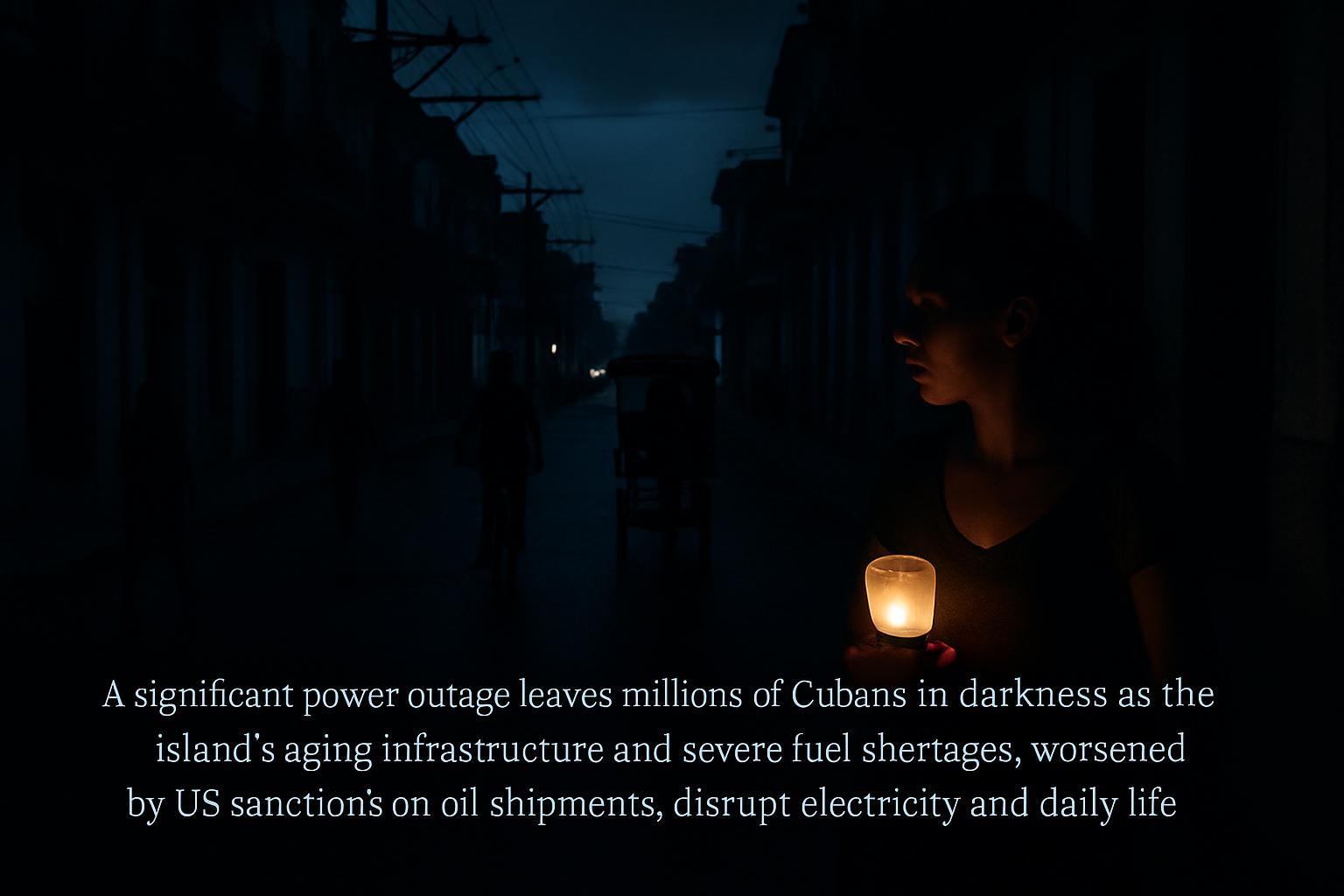
Cuba Faces Widespread Blackout Amid Deepening Fuel Crisis
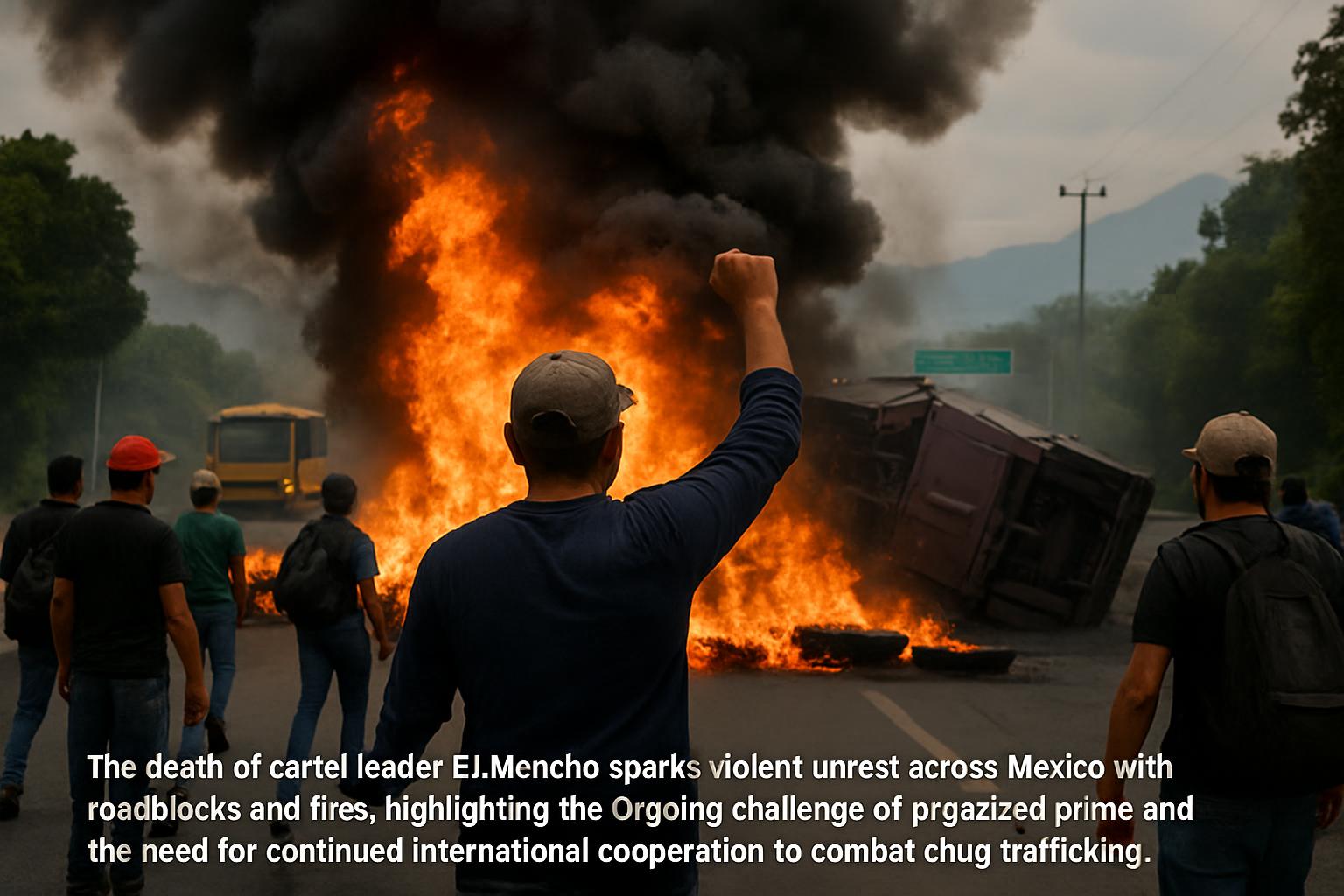
El Mencho's Death Sparks Violent Unrest Across Mexico
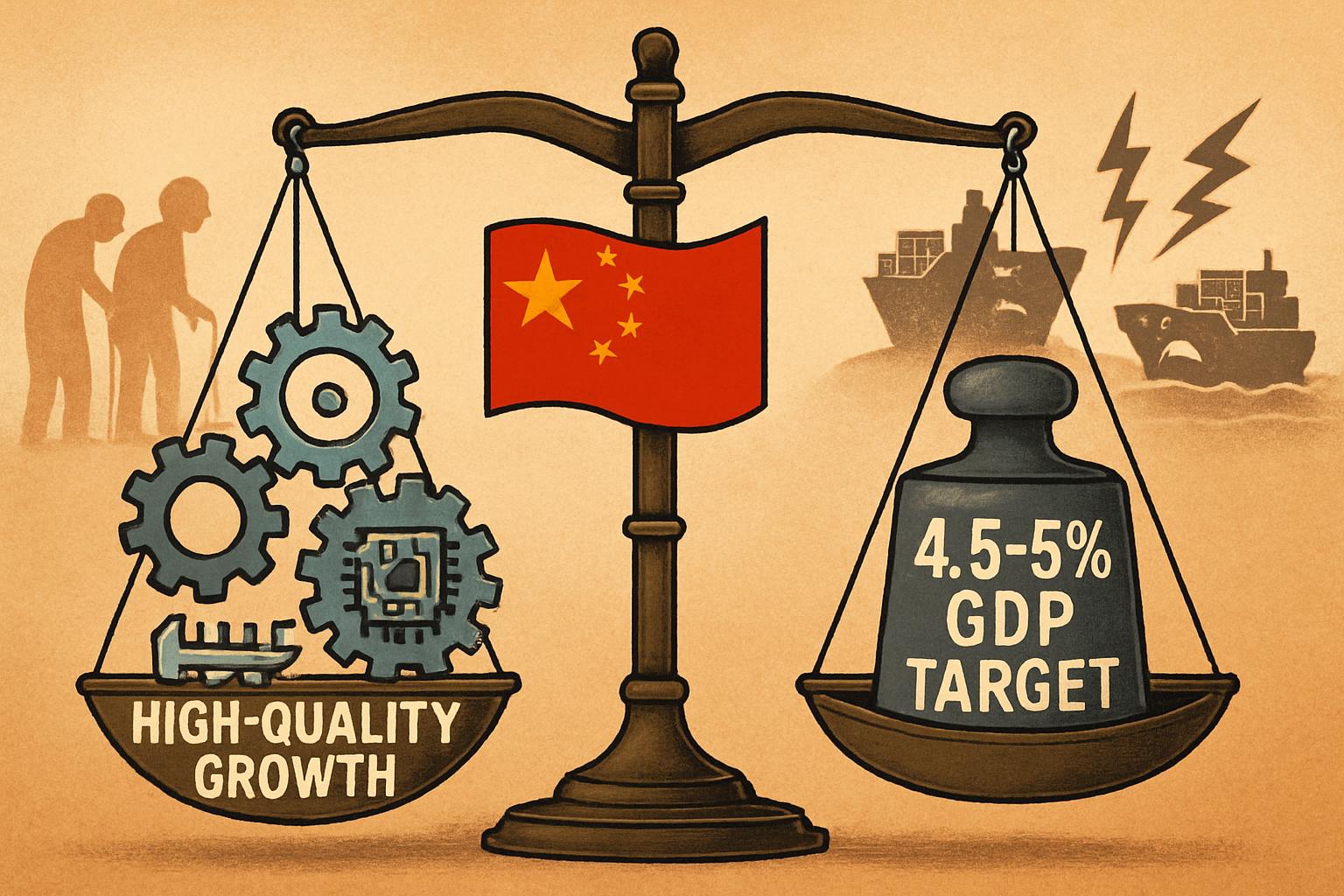
China Sets Lowest GDP Growth Target in Decades Amid Economic Challenges

UK Faces Dilemmas Amid Iran Conflict and China Spying Allegations

Google Faces Legal Battle Over AI Chatbot's Alleged Role in Tragic Death
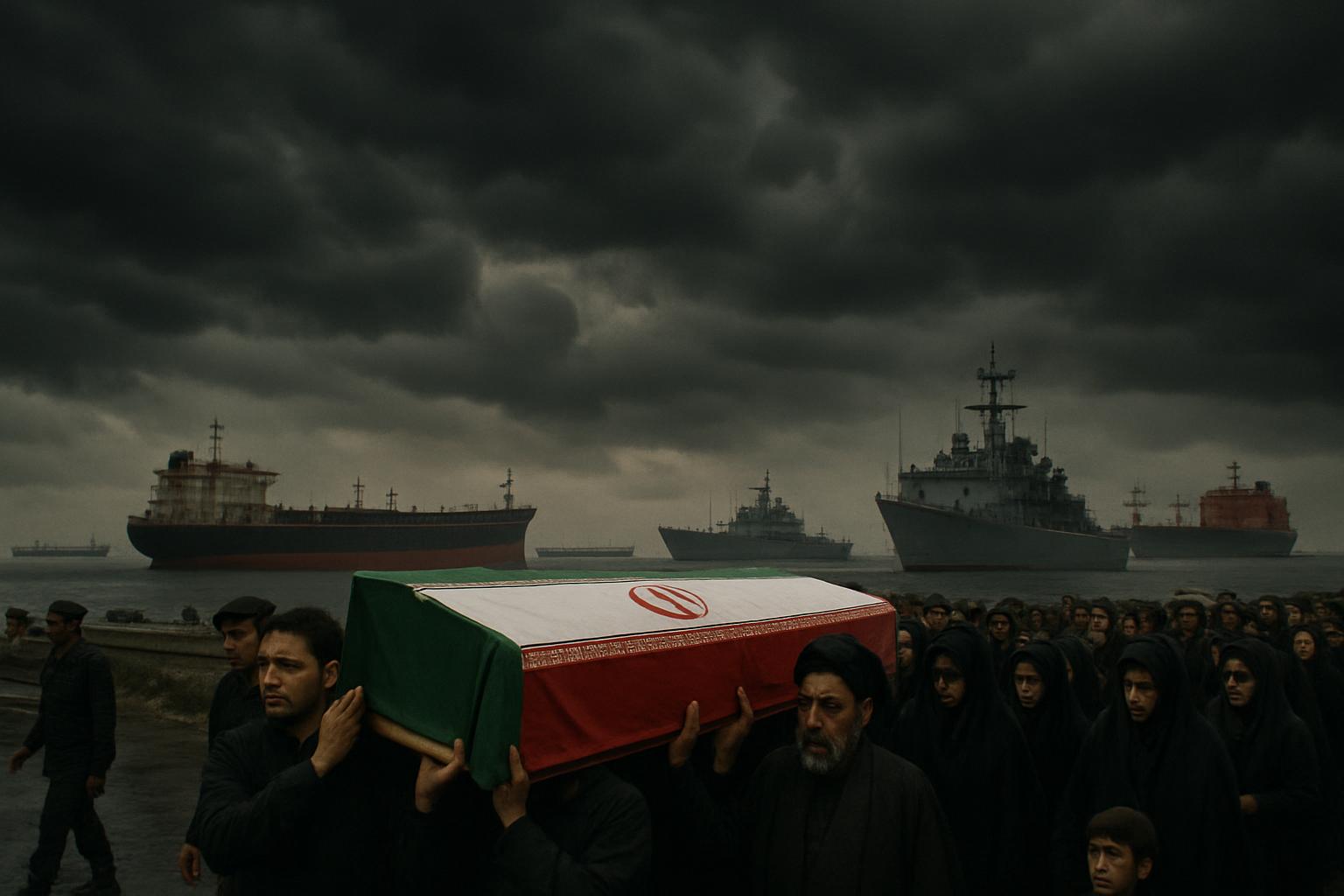
Iran Postpones Khamenei Funeral Amid Escalating US-Israeli Strikes
Venezuelan Political Prisoners Seek Amnesty Amidst Hopes for Democratic Transition
In This Article
HIGHLIGHTS
- Over 1,500 Venezuelan political prisoners have applied for amnesty under a new law, with hundreds already released.
- The amnesty law, criticized for excluding certain prisoners, aims to eventually cover 11,000 detainees.
- Nicolás Maduro's capture by US forces on January 3 has sparked optimism for democratic transition in Venezuela.
- Activists like Jesús Armas, recently freed from El Helicoide prison, are advocating for a full transition to democracy.
- Despite Maduro's removal, his vice-president, Delcy Rodríguez, has assumed leadership, complicating the democratic transition.
In a significant development for Venezuela, over 1,500 political prisoners have applied for amnesty under a new law introduced by the country's National Assembly. This move comes in the wake of former President Nicolás Maduro's capture by US forces on January 3, which has ignited hopes for a democratic transition in the nation.
Amnesty Law and Its Controversies
The amnesty law, announced shortly after Maduro's capture, aims to address the release of 11,000 prisoners, with 1,557 applications already being processed. Jorge Rodríguez, the National Assembly President, confirmed that hundreds of prisoners have been released, including opposition politician Juan Pablo Guanipa. However, the law has faced criticism for excluding certain groups, such as those who called for foreign intervention in Venezuela. Law professor Juan Carlos Apitz highlighted this exclusion, noting its potential impact on figures like Maria Corina Machado.
Life After El Helicoide
Jesús Armas, a recently freed activist, described the atmosphere inside El Helicoide prison during the tumultuous events of early January. The prison, notorious for holding political prisoners, erupted in excitement as news of Maduro's capture spread. Armas, who spent 14 months in detention, is now among the 440 political prisoners released since Maduro's downfall. He expressed cautious optimism about Venezuela's future, stating, "We are not totally in a transition, but I think we are a few steps in that direction."
The Path to Democracy
Despite the initial euphoria, Venezuela's path to democracy remains uncertain. Delcy Rodríguez, Maduro's vice-president, has assumed leadership, complicating the transition process. Nonetheless, the mood in Venezuela has shifted, with a surge in optimism among citizens. Recent demonstrations have seen thousands, including young activists like María Fernández and Agustín González, taking to the streets to demand a complete transition to democracy and the release of all political prisoners.
WHAT THIS MIGHT MEAN
The future of Venezuela's political landscape remains uncertain as the country navigates the aftermath of Maduro's capture. While the amnesty law represents a step towards reconciliation, its limitations have sparked debate among opposition groups and human rights advocates. The leadership of Delcy Rodríguez poses challenges to a full democratic transition, but the growing public demand for change could influence the political trajectory. International observers will be closely monitoring the situation, as Venezuela's journey towards democracy continues to unfold.
Related Articles
Cuba Faces Widespread Blackout Amid Deepening Fuel Crisis
El Mencho's Death Sparks Violent Unrest Across Mexico
China Sets Lowest GDP Growth Target in Decades Amid Economic Challenges
UK Faces Dilemmas Amid Iran Conflict and China Spying Allegations
Google Faces Legal Battle Over AI Chatbot's Alleged Role in Tragic Death
Iran Postpones Khamenei Funeral Amid Escalating US-Israeli Strikes