
Ford UK Warns Against New Electric Vehicle Taxes Amid Fragile Demand
In This Article
HIGHLIGHTS
- Ford UK's managing director, Lisa Brankin, warns against new taxes on electric vehicles, citing fragile demand.
- Chancellor Rachel Reeves is reportedly considering a pay-per-mile charge for EVs starting in 2028.
- The UK government has reinstated a £3,750 grant to encourage EV purchases amid market distortions.
- Ford aims to meet the UK's target of 80% new car sales being electric by 2030, but stresses the need for government support.
- The UK car market saw a record surge in EV sales in September, yet challenges like heavy discounting persist.
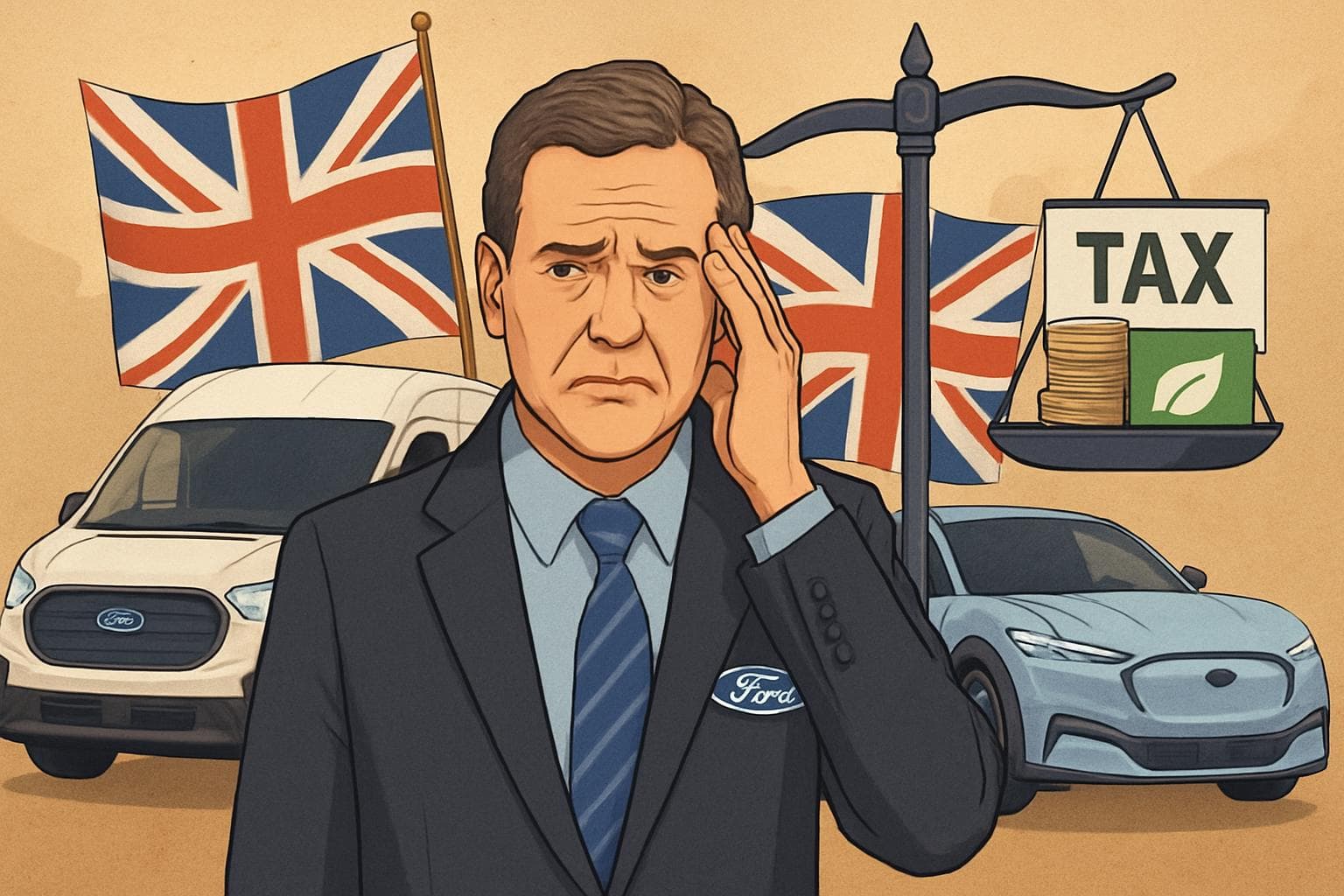
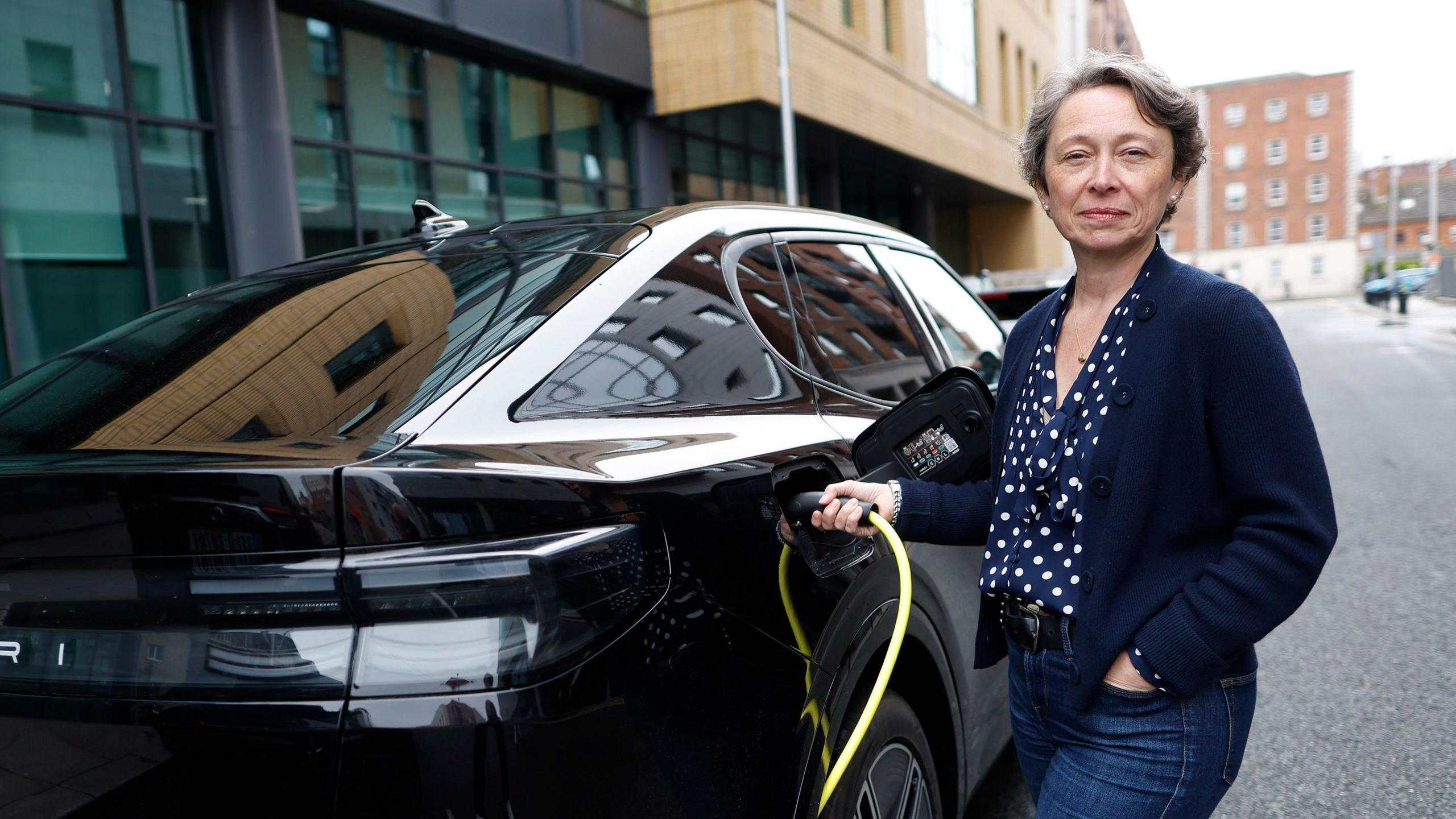
Ford UK's managing director, Lisa Brankin, has voiced concerns over potential new taxes on electric vehicles (EVs) as the UK government considers changes in the upcoming budget. With demand for EVs described as "fragile," Brankin argues that now is not the time to introduce additional financial burdens on consumers.
Proposed Tax Changes and Industry Concerns
Reports suggest that Chancellor Rachel Reeves is contemplating a new pay-per-mile charge for electric vehicles, set to be implemented by 2028. This proposal aims to address the decline in tax revenue from traditional petrol and diesel vehicles. However, Brankin warns that such measures could discourage drivers from transitioning to electric cars, a shift crucial for meeting the UK's net zero target of 80% new car sales being electric by 2030.
Government Support and Market Dynamics
In response to industry lobbying, the UK government has reinstated a grant of up to £3,750 to boost electric vehicle sales. Despite this support, Brankin highlights ongoing market challenges, including heavy discounting and lower resale values for second-hand EVs. These factors contribute to a "distorted" market, complicating efforts to meet ambitious sales targets.
Ford's Strategic Position and Future Plans
Ford, a major player in the UK car market with popular models like the Ford Puma, is under pressure to align with government targets. The company employs around 6,000 people in the UK, with significant operations in Dagenham and Halewood. While Ford has not manufactured vehicles in the UK since 2013, it remains committed to adapting its business strategy to future demands, including potential changes at its Dagenham plant.
WHAT THIS MIGHT MEAN
As the UK government deliberates on new EV taxes, the automotive industry faces a critical juncture. If the proposed pay-per-mile charge is implemented, it could reshape consumer behavior and impact the pace of the transition to electric vehicles. Industry leaders like Ford may need to intensify lobbying efforts to secure favorable policies that support their strategic goals.
The reinstatement of the electric car grant indicates the government's recognition of the challenges faced by carmakers. However, sustaining momentum in EV sales will require a balanced approach that considers both fiscal needs and environmental targets. As the market evolves, companies will need to innovate and adapt to maintain competitiveness in a rapidly changing landscape.
Images from the Web

Related Articles

US Supreme Court Ruling on Tariffs Sparks Uncertainty for UK and Global Trade

Middle East Conflict Drives UK Energy Prices to New Highs

Government Announces £4 Billion Overhaul of SEND Support in England

UK Government Announces Major Overhaul of SEND System with £3.4 Billion Investment

Prince Andrew's Ties to Epstein Under Scrutiny Amid Calls for Inquiry

Government Criticized for Mishandling Maccabi Tel Aviv Fan Ban
Ford UK Warns Against New Electric Vehicle Taxes Amid Fragile Demand
In This Article
 Daniel Rivera| Published
 HIGHLIGHTS
- Ford UK's managing director, Lisa Brankin, warns against new taxes on electric vehicles, citing fragile demand.
- Chancellor Rachel Reeves is reportedly considering a pay-per-mile charge for EVs starting in 2028.
- The UK government has reinstated a £3,750 grant to encourage EV purchases amid market distortions.
- Ford aims to meet the UK's target of 80% new car sales being electric by 2030, but stresses the need for government support.
- The UK car market saw a record surge in EV sales in September, yet challenges like heavy discounting persist.
Ford UK's managing director, Lisa Brankin, has voiced concerns over potential new taxes on electric vehicles (EVs) as the UK government considers changes in the upcoming budget. With demand for EVs described as "fragile," Brankin argues that now is not the time to introduce additional financial burdens on consumers.
Proposed Tax Changes and Industry Concerns
Reports suggest that Chancellor Rachel Reeves is contemplating a new pay-per-mile charge for electric vehicles, set to be implemented by 2028. This proposal aims to address the decline in tax revenue from traditional petrol and diesel vehicles. However, Brankin warns that such measures could discourage drivers from transitioning to electric cars, a shift crucial for meeting the UK's net zero target of 80% new car sales being electric by 2030.
Government Support and Market Dynamics
In response to industry lobbying, the UK government has reinstated a grant of up to £3,750 to boost electric vehicle sales. Despite this support, Brankin highlights ongoing market challenges, including heavy discounting and lower resale values for second-hand EVs. These factors contribute to a "distorted" market, complicating efforts to meet ambitious sales targets.
Ford's Strategic Position and Future Plans
Ford, a major player in the UK car market with popular models like the Ford Puma, is under pressure to align with government targets. The company employs around 6,000 people in the UK, with significant operations in Dagenham and Halewood. While Ford has not manufactured vehicles in the UK since 2013, it remains committed to adapting its business strategy to future demands, including potential changes at its Dagenham plant.
WHAT THIS MIGHT MEAN
As the UK government deliberates on new EV taxes, the automotive industry faces a critical juncture. If the proposed pay-per-mile charge is implemented, it could reshape consumer behavior and impact the pace of the transition to electric vehicles. Industry leaders like Ford may need to intensify lobbying efforts to secure favorable policies that support their strategic goals.
The reinstatement of the electric car grant indicates the government's recognition of the challenges faced by carmakers. However, sustaining momentum in EV sales will require a balanced approach that considers both fiscal needs and environmental targets. As the market evolves, companies will need to innovate and adapt to maintain competitiveness in a rapidly changing landscape.
Images from the Web
Related Articles
US Supreme Court Ruling on Tariffs Sparks Uncertainty for UK and Global Trade
Middle East Conflict Drives UK Energy Prices to New Highs
Government Announces £4 Billion Overhaul of SEND Support in England
UK Government Announces Major Overhaul of SEND System with £3.4 Billion Investment
Prince Andrew's Ties to Epstein Under Scrutiny Amid Calls for Inquiry
Government Criticized for Mishandling Maccabi Tel Aviv Fan Ban