
German Backpacker Carolina Wilga Rescued After 11 Days Lost in Australian Outback

In This Article
HIGHLIGHTS
- German backpacker Carolina Wilga survived 11 nights in Western Australia's outback, relying on minimal food and rainwater.
- Wilga, 26, was found 24km from her abandoned van, suffering from dehydration, exhaustion, and insect bites.
- She was rescued by a passing driver and airlifted to a hospital in Perth, where she is recovering.
- Police described the rescue as "sheer luck" due to the dangerous and disorienting terrain of the outback.
- Wilga's family expressed immense relief and gratitude following her safe recovery.
In a remarkable tale of endurance and survival, 26-year-old German backpacker Carolina Wilga was rescued after spending 11 harrowing nights lost in the remote wilderness of Western Australia. Wilga, who had been missing since June 29, was found 24 kilometers from her abandoned van, suffering from dehydration, exhaustion, and extensive insect bites.
A Desperate Struggle for Survival
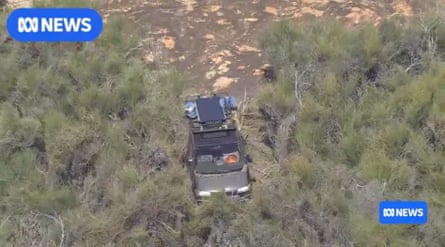
Wilga's ordeal began when her van became bogged down in the dense bushland near the town of Beacon, approximately 300 kilometers northeast of Perth. Disoriented and confused, she left the vehicle in search of help, relying on minimal food supplies and rainwater to survive. "She spent 11 nights exposed to the elements," said Acting Police Inspector Jessica Securo, highlighting the severity of the situation.
A Fortunate Rescue
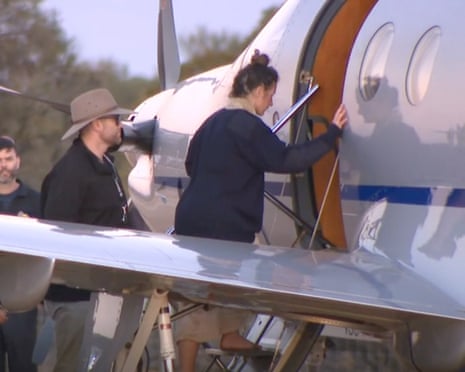
The breakthrough came when Tania Henley, a passing driver, spotted Wilga waving frantically by the side of a road. "She appeared to be in a fragile state," Henley recounted, noting Wilga's makeshift bandage on her injured foot. Wilga was subsequently airlifted to Fiona Stanley Hospital in Perth, where she is now recovering.
Community and Police Efforts
The rescue operation, described by police as "sheer luck," was a collaborative effort involving local volunteers and law enforcement. "The support of our WA community is our greatest asset," Securo emphasized, acknowledging the challenges posed by the vast and treacherous terrain. Temperatures in the area had plummeted to 0°C at night, further complicating the search efforts.
Family's Relief and Gratitude
Wilga's family, who had been anxiously awaiting news, expressed profound relief and gratitude upon learning of her safe recovery. "This is the best result we could have hoped for," Securo stated, underscoring the emotional impact of the rescue on all involved.
WHAT THIS MIGHT MEAN
The successful rescue of Carolina Wilga underscores the inherent dangers of exploring remote areas without proper preparation or communication tools. Experts suggest that this incident could prompt a review of safety guidelines for tourists venturing into Australia's vast outback. Additionally, the role of community support and local knowledge in such rescue operations may receive increased attention, potentially leading to enhanced collaboration between authorities and local residents in future search and rescue missions.
Images from the Web


Related Articles

Terrorism Charges Filed Over Alleged Bombing Attempt at Invasion Day Rally in Perth

Teen's Heroic Swim Saves Family Swept Out to Sea in Western Australia

Explosive Device Thrown at Perth Invasion Day Rally Sparks Arrest and Charges

Australian Man Charged with Racial Harassment Amid Rising Tensions Post-Bondi Attack

British Backpacker Jailed for Fatal E-Scooter Crash in Australia

Newly Discovered 'Lucifer' Bee Sparks Conservation Concerns in Western Australia
German Backpacker Carolina Wilga Rescued After 11 Days Lost in Australian Outback
In This Article
 Leila Hassan| Published
 HIGHLIGHTS
- German backpacker Carolina Wilga survived 11 nights in Western Australia's outback, relying on minimal food and rainwater.
- Wilga, 26, was found 24km from her abandoned van, suffering from dehydration, exhaustion, and insect bites.
- She was rescued by a passing driver and airlifted to a hospital in Perth, where she is recovering.
- Police described the rescue as "sheer luck" due to the dangerous and disorienting terrain of the outback.
- Wilga's family expressed immense relief and gratitude following her safe recovery.
In a remarkable tale of endurance and survival, 26-year-old German backpacker Carolina Wilga was rescued after spending 11 harrowing nights lost in the remote wilderness of Western Australia. Wilga, who had been missing since June 29, was found 24 kilometers from her abandoned van, suffering from dehydration, exhaustion, and extensive insect bites.
A Desperate Struggle for Survival
Wilga's ordeal began when her van became bogged down in the dense bushland near the town of Beacon, approximately 300 kilometers northeast of Perth. Disoriented and confused, she left the vehicle in search of help, relying on minimal food supplies and rainwater to survive. "She spent 11 nights exposed to the elements," said Acting Police Inspector Jessica Securo, highlighting the severity of the situation.
A Fortunate Rescue
The breakthrough came when Tania Henley, a passing driver, spotted Wilga waving frantically by the side of a road. "She appeared to be in a fragile state," Henley recounted, noting Wilga's makeshift bandage on her injured foot. Wilga was subsequently airlifted to Fiona Stanley Hospital in Perth, where she is now recovering.
Community and Police Efforts
The rescue operation, described by police as "sheer luck," was a collaborative effort involving local volunteers and law enforcement. "The support of our WA community is our greatest asset," Securo emphasized, acknowledging the challenges posed by the vast and treacherous terrain. Temperatures in the area had plummeted to 0°C at night, further complicating the search efforts.
Family's Relief and Gratitude
Wilga's family, who had been anxiously awaiting news, expressed profound relief and gratitude upon learning of her safe recovery. "This is the best result we could have hoped for," Securo stated, underscoring the emotional impact of the rescue on all involved.
WHAT THIS MIGHT MEAN
The successful rescue of Carolina Wilga underscores the inherent dangers of exploring remote areas without proper preparation or communication tools. Experts suggest that this incident could prompt a review of safety guidelines for tourists venturing into Australia's vast outback. Additionally, the role of community support and local knowledge in such rescue operations may receive increased attention, potentially leading to enhanced collaboration between authorities and local residents in future search and rescue missions.
Images from the Web
Related Articles
Terrorism Charges Filed Over Alleged Bombing Attempt at Invasion Day Rally in Perth
Teen's Heroic Swim Saves Family Swept Out to Sea in Western Australia
Explosive Device Thrown at Perth Invasion Day Rally Sparks Arrest and Charges
Australian Man Charged with Racial Harassment Amid Rising Tensions Post-Bondi Attack
British Backpacker Jailed for Fatal E-Scooter Crash in Australia
Newly Discovered 'Lucifer' Bee Sparks Conservation Concerns in Western Australia