
Newly Discovered 'Lucifer' Bee Sparks Conservation Concerns in Western Australia
In This Article
HIGHLIGHTS
- A new bee species, Megachile lucifer, with devil-like horns, has been discovered in Western Australia's Goldfields region.
- The discovery highlights the need for conservation efforts, as the bee and its associated wildflower habitat face threats from mining and climate change.
- Dr. Kit Prendergast, who named the bee after the Netflix show "Lucifer," emphasizes the importance of protecting native bee species and their ecosystems.
- The study calls for the formal protection of the area where the bee and endangered wildflowers were found to prevent habitat disturbance.
- Many mining companies overlook native bees in environmental impact assessments, risking the loss of crucial pollinator species.
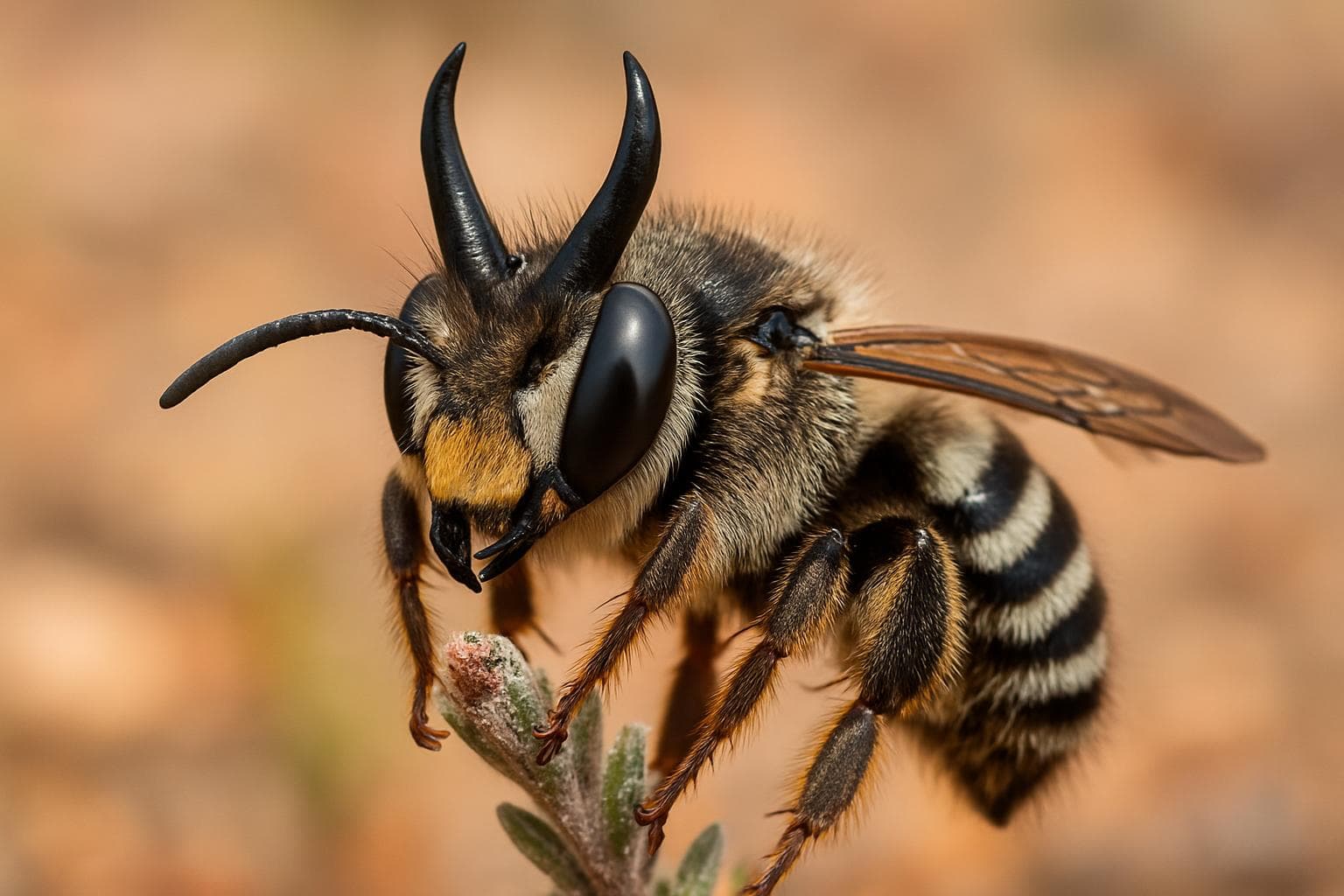
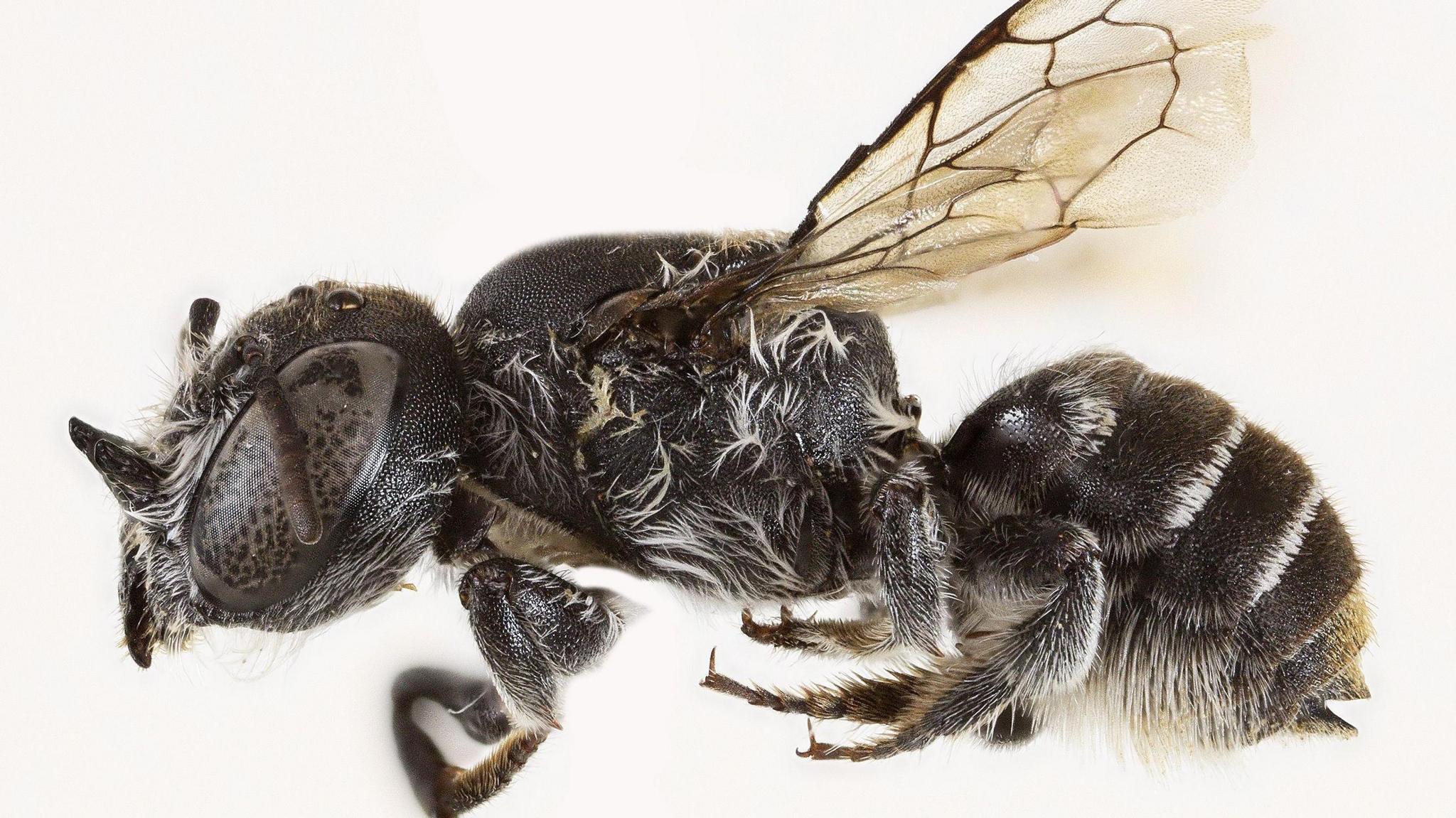
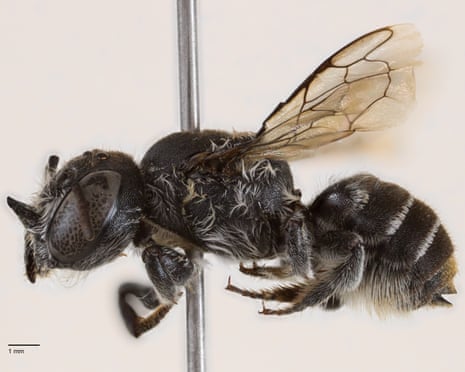
In a remarkable discovery, scientists in Western Australia have identified a new bee species, Megachile lucifer, distinguished by its devil-like horns. Found in the Bremer Ranges, 470 kilometers east of Perth, this unique bee was discovered by Dr. Kit Prendergast from Curtin University while studying a critically endangered wildflower in 2019.
A Devilish Discovery
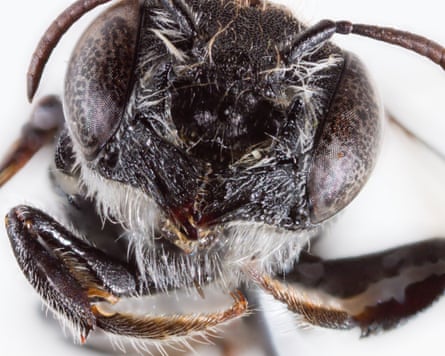
The female Megachile lucifer, with its striking horns, inspired Dr. Prendergast to name it after the Netflix series "Lucifer," a nod to its devilish appearance. This is the first new member of its bee group to be described in over two decades, underscoring the vast biodiversity yet to be uncovered. "The female had these incredible little horns on her face," Dr. Prendergast remarked, highlighting the bee's distinctive features.
Conservation Imperative
The discovery of the Lucifer bee has brought attention to the urgent need for conservation in the region. The bee and its associated wildflower habitat are at risk from habitat disturbance, mining activities, and climate change. Dr. Prendergast's study, published in the Journal of Hymenoptera Research, advocates for the formal protection of the area to safeguard these species. "Without knowing which native bees exist and what plants they depend on, we risk losing both before we even realize they're there," she warned.
Overlooked Pollinators
The study also highlights a significant gap in environmental assessments conducted by mining companies, which often neglect native bees. This oversight could lead to the loss of undescribed species that play vital roles in supporting threatened plants and ecosystems. Dr. Prendergast hopes the discovery will raise awareness about the importance of pollinator species and the need for comprehensive environmental surveys.
WHAT THIS MIGHT MEAN
The discovery of the Megachile lucifer bee could catalyze increased conservation efforts in Western Australia, particularly in areas threatened by industrial activities. If the region is formally protected, it could set a precedent for similar conservation initiatives, ensuring the survival of both the bee and its associated wildflowers. However, without immediate action, these species face significant threats from habitat loss and climate change. The findings may also prompt mining companies to incorporate native bee surveys into their environmental impact assessments, potentially leading to more sustainable practices that protect vital pollinator species.
Images from the Web
Related Articles

Terrorism Charges Filed Over Alleged Bombing Attempt at Invasion Day Rally in Perth

Explosive Device Thrown at Perth Invasion Day Rally Sparks Arrest and Charges

Perth Rally Bomb Suspect Faces Serious Charges Amid Calls for Justice

Australia Braces for Record-Breaking Heatwave Amid National Day Celebrations

Australia Braces for Catastrophic Fire Conditions Amid Severe Heatwave

Australian Man Charged with Racial Harassment Amid Rising Tensions Post-Bondi Attack
Newly Discovered 'Lucifer' Bee Sparks Conservation Concerns in Western Australia
In This Article
HIGHLIGHTS
- A new bee species, Megachile lucifer, with devil-like horns, has been discovered in Western Australia's Goldfields region.
- The discovery highlights the need for conservation efforts, as the bee and its associated wildflower habitat face threats from mining and climate change.
- Dr. Kit Prendergast, who named the bee after the Netflix show "Lucifer," emphasizes the importance of protecting native bee species and their ecosystems.
- The study calls for the formal protection of the area where the bee and endangered wildflowers were found to prevent habitat disturbance.
- Many mining companies overlook native bees in environmental impact assessments, risking the loss of crucial pollinator species.
In a remarkable discovery, scientists in Western Australia have identified a new bee species, Megachile lucifer, distinguished by its devil-like horns. Found in the Bremer Ranges, 470 kilometers east of Perth, this unique bee was discovered by Dr. Kit Prendergast from Curtin University while studying a critically endangered wildflower in 2019.
A Devilish Discovery
The female Megachile lucifer, with its striking horns, inspired Dr. Prendergast to name it after the Netflix series "Lucifer," a nod to its devilish appearance. This is the first new member of its bee group to be described in over two decades, underscoring the vast biodiversity yet to be uncovered. "The female had these incredible little horns on her face," Dr. Prendergast remarked, highlighting the bee's distinctive features.
Conservation Imperative
The discovery of the Lucifer bee has brought attention to the urgent need for conservation in the region. The bee and its associated wildflower habitat are at risk from habitat disturbance, mining activities, and climate change. Dr. Prendergast's study, published in the Journal of Hymenoptera Research, advocates for the formal protection of the area to safeguard these species. "Without knowing which native bees exist and what plants they depend on, we risk losing both before we even realize they're there," she warned.
Overlooked Pollinators
The study also highlights a significant gap in environmental assessments conducted by mining companies, which often neglect native bees. This oversight could lead to the loss of undescribed species that play vital roles in supporting threatened plants and ecosystems. Dr. Prendergast hopes the discovery will raise awareness about the importance of pollinator species and the need for comprehensive environmental surveys.
WHAT THIS MIGHT MEAN
The discovery of the Megachile lucifer bee could catalyze increased conservation efforts in Western Australia, particularly in areas threatened by industrial activities. If the region is formally protected, it could set a precedent for similar conservation initiatives, ensuring the survival of both the bee and its associated wildflowers. However, without immediate action, these species face significant threats from habitat loss and climate change. The findings may also prompt mining companies to incorporate native bee surveys into their environmental impact assessments, potentially leading to more sustainable practices that protect vital pollinator species.
Images from the Web
Related Articles
Terrorism Charges Filed Over Alleged Bombing Attempt at Invasion Day Rally in Perth
Explosive Device Thrown at Perth Invasion Day Rally Sparks Arrest and Charges
Perth Rally Bomb Suspect Faces Serious Charges Amid Calls for Justice
Australia Braces for Record-Breaking Heatwave Amid National Day Celebrations
Australia Braces for Catastrophic Fire Conditions Amid Severe Heatwave
Australian Man Charged with Racial Harassment Amid Rising Tensions Post-Bondi Attack