
Glasgow Hospital Water Contamination Linked to Fatal Infections: Inquiry Nears Conclusion

In This Article
HIGHLIGHTS
- NHS Greater Glasgow and Clyde admitted that water contamination at the Queen Elizabeth University Hospital likely caused infections linked to patient deaths.
- The Scottish Hospitals Inquiry is concluding with final submissions, focusing on hospital design and maintenance issues.
- Anas Sarwar, Scottish Labour leader, calls for investigations into former ministers, including Nicola Sturgeon and John Swinney, over alleged cover-ups.
- Families of victims, including Milly Main's mother, have long sought acknowledgment of the hospital's role in the infections.
- A corporate homicide investigation is ongoing, examining the deaths of several patients, including children.
The Scottish Hospitals Inquiry is set to conclude its final sessions, following a significant admission by NHS Greater Glasgow and Clyde (NHSGGC) regarding water contamination at the Queen Elizabeth University Hospital (QEUH) in Glasgow. The health board has acknowledged that infections among child cancer patients, which resulted in several deaths, were likely linked to the hospital's water system.
This admission marks a dramatic shift from NHSGGC's previous stance, where it denied any connection between the hospital environment and the infections. The inquiry, which has been examining the planning, design, and maintenance of the hospital, will hear final oral submissions before releasing a comprehensive report later this year.
Families Demand Accountability
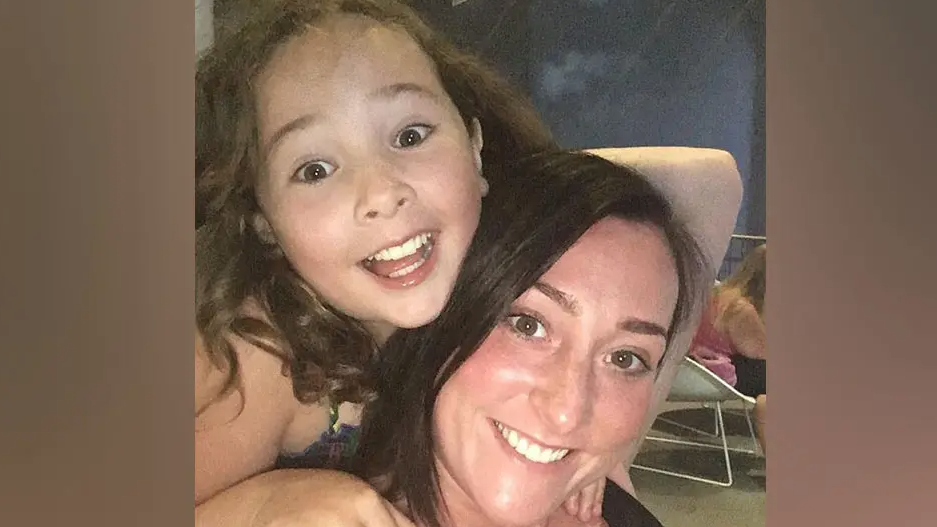
The acknowledgment has been welcomed by families who have long sought answers. Kimberly Darroch, mother of 10-year-old Milly Main, who died in 2017 after contracting an infection while in remission from leukemia, expressed relief at the admission. "As a mother, I've spent six years fighting for answers that should have been given at the very beginning," she stated.
The inquiry was launched in response to concerns about unusual infections and patient deaths at the QEUH and the Royal Hospital for Children, both part of the same campus. The hospitals, which opened in 2015, faced scrutiny over their water and ventilation systems following several fatalities, including that of Milly Main.
Political Repercussions and Calls for Investigation
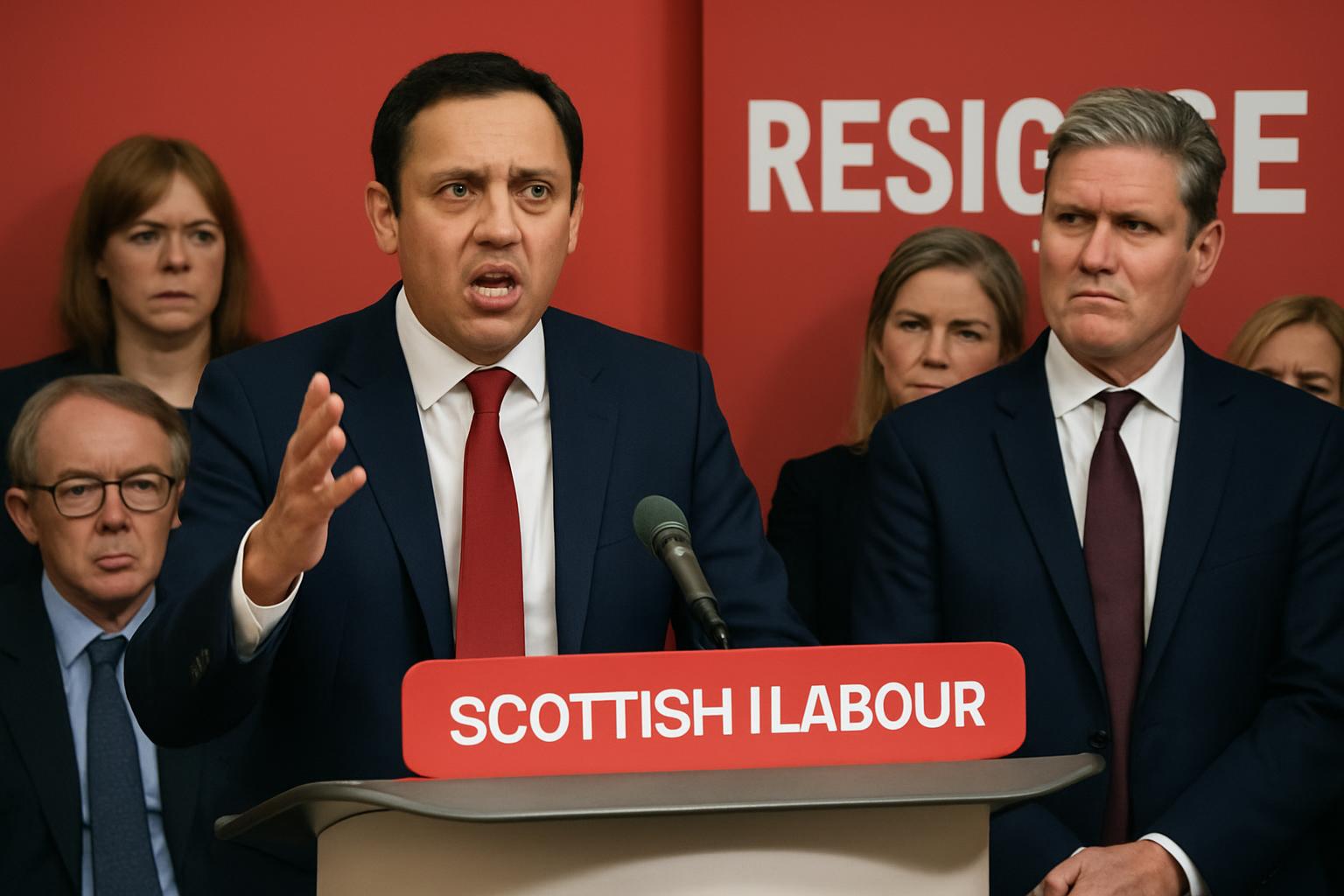
Scottish Labour leader Anas Sarwar has called for an investigation into former government ministers, including Nicola Sturgeon and John Swinney, who were in office during the hospital's opening. Sarwar described the situation as "the biggest scandal in the history of the Scottish Parliament" and suggested that a "criminal act" may have occurred.
Sarwar's demands for accountability extend to a corporate homicide investigation, which is already underway, examining the deaths of Milly Main and other patients. The Scottish Conservatives have echoed these calls, urging current health minister Neil Gray to address the issue in parliament.
A Turning Point in Public Health Accountability
The Scottish government's spokesperson emphasized the importance of the inquiry in providing answers and learning lessons for future hospital projects. The inquiry's findings are expected to have significant implications for public health policy and hospital management in Scotland.
WHAT THIS MIGHT MEAN
As the Scottish Hospitals Inquiry concludes, its findings could lead to significant legal and political ramifications. If the inquiry confirms systemic failures in hospital design and maintenance, it may prompt reforms in public health infrastructure and accountability measures. The ongoing corporate homicide investigation could result in legal actions against NHSGGC and potentially involve former government officials if evidence of a cover-up is substantiated. The outcome of these proceedings will likely influence public trust in Scotland's healthcare system and the political landscape, particularly concerning the accountability of past and present government officials.
Images from the Web
Related Articles
Anas Sarwar's Call for Starmer's Resignation Sparks Labour Party Turmoil

Scottish Government Faces Legal Challenge Over Transgender Inmate Policy

Scottish Labour's Anas Sarwar Sparks Controversy with Call for Starmer's Resignation

Keir Starmer Faces Leadership Crisis Amid Calls for Resignation

Keir Starmer Faces Leadership Crisis Amid Calls for Resignation

Labour MP's Husband Arrested in UK-China Espionage Probe
Glasgow Hospital Water Contamination Linked to Fatal Infections: Inquiry Nears Conclusion
In This Article
 Maya Singh| Published
 HIGHLIGHTS
- NHS Greater Glasgow and Clyde admitted that water contamination at the Queen Elizabeth University Hospital likely caused infections linked to patient deaths.
- The Scottish Hospitals Inquiry is concluding with final submissions, focusing on hospital design and maintenance issues.
- Anas Sarwar, Scottish Labour leader, calls for investigations into former ministers, including Nicola Sturgeon and John Swinney, over alleged cover-ups.
- Families of victims, including Milly Main's mother, have long sought acknowledgment of the hospital's role in the infections.
- A corporate homicide investigation is ongoing, examining the deaths of several patients, including children.
The Scottish Hospitals Inquiry is set to conclude its final sessions, following a significant admission by NHS Greater Glasgow and Clyde (NHSGGC) regarding water contamination at the Queen Elizabeth University Hospital (QEUH) in Glasgow. The health board has acknowledged that infections among child cancer patients, which resulted in several deaths, were likely linked to the hospital's water system.
This admission marks a dramatic shift from NHSGGC's previous stance, where it denied any connection between the hospital environment and the infections. The inquiry, which has been examining the planning, design, and maintenance of the hospital, will hear final oral submissions before releasing a comprehensive report later this year.
Families Demand Accountability
The acknowledgment has been welcomed by families who have long sought answers. Kimberly Darroch, mother of 10-year-old Milly Main, who died in 2017 after contracting an infection while in remission from leukemia, expressed relief at the admission. "As a mother, I've spent six years fighting for answers that should have been given at the very beginning," she stated.
The inquiry was launched in response to concerns about unusual infections and patient deaths at the QEUH and the Royal Hospital for Children, both part of the same campus. The hospitals, which opened in 2015, faced scrutiny over their water and ventilation systems following several fatalities, including that of Milly Main.
Political Repercussions and Calls for Investigation
Scottish Labour leader Anas Sarwar has called for an investigation into former government ministers, including Nicola Sturgeon and John Swinney, who were in office during the hospital's opening. Sarwar described the situation as "the biggest scandal in the history of the Scottish Parliament" and suggested that a "criminal act" may have occurred.
Sarwar's demands for accountability extend to a corporate homicide investigation, which is already underway, examining the deaths of Milly Main and other patients. The Scottish Conservatives have echoed these calls, urging current health minister Neil Gray to address the issue in parliament.
A Turning Point in Public Health Accountability
The Scottish government's spokesperson emphasized the importance of the inquiry in providing answers and learning lessons for future hospital projects. The inquiry's findings are expected to have significant implications for public health policy and hospital management in Scotland.
WHAT THIS MIGHT MEAN
As the Scottish Hospitals Inquiry concludes, its findings could lead to significant legal and political ramifications. If the inquiry confirms systemic failures in hospital design and maintenance, it may prompt reforms in public health infrastructure and accountability measures. The ongoing corporate homicide investigation could result in legal actions against NHSGGC and potentially involve former government officials if evidence of a cover-up is substantiated. The outcome of these proceedings will likely influence public trust in Scotland's healthcare system and the political landscape, particularly concerning the accountability of past and present government officials.
Images from the Web
Related Articles
Anas Sarwar's Call for Starmer's Resignation Sparks Labour Party Turmoil
Scottish Government Faces Legal Challenge Over Transgender Inmate Policy
Scottish Labour's Anas Sarwar Sparks Controversy with Call for Starmer's Resignation
Keir Starmer Faces Leadership Crisis Amid Calls for Resignation
Keir Starmer Faces Leadership Crisis Amid Calls for Resignation
Labour MP's Husband Arrested in UK-China Espionage Probe