
GPS-Based Ticketless Train Travel Trials Begin in England
In This Article
HIGHLIGHTS
- A new ticketless train travel system using GPS technology is being trialled in the East Midlands and Yorkshire, involving up to 4,000 passengers.
- The app automatically charges passengers the best fare at the end of the day, aiming to simplify the complex railway ticketing system.
- Trials are funded with £1 million from the government as part of its Plan for Change to modernize rail travel.
- The technology, previously tested in Switzerland and Denmark, could replace paper and QR code tickets if successful.
- Rail Minister Peter Hendy emphasized the need for a 21st-century upgrade to the railway ticketing system.
A groundbreaking trial for ticketless train travel using GPS technology is set to launch in England, marking a significant step towards modernizing the country's complex railway fare system. The trial, spearheaded by East Midlands Railway (EMR) and Northern Trains, will involve up to 4,000 passengers across the East Midlands and Yorkshire regions.
Innovative Technology for Simplified Travel
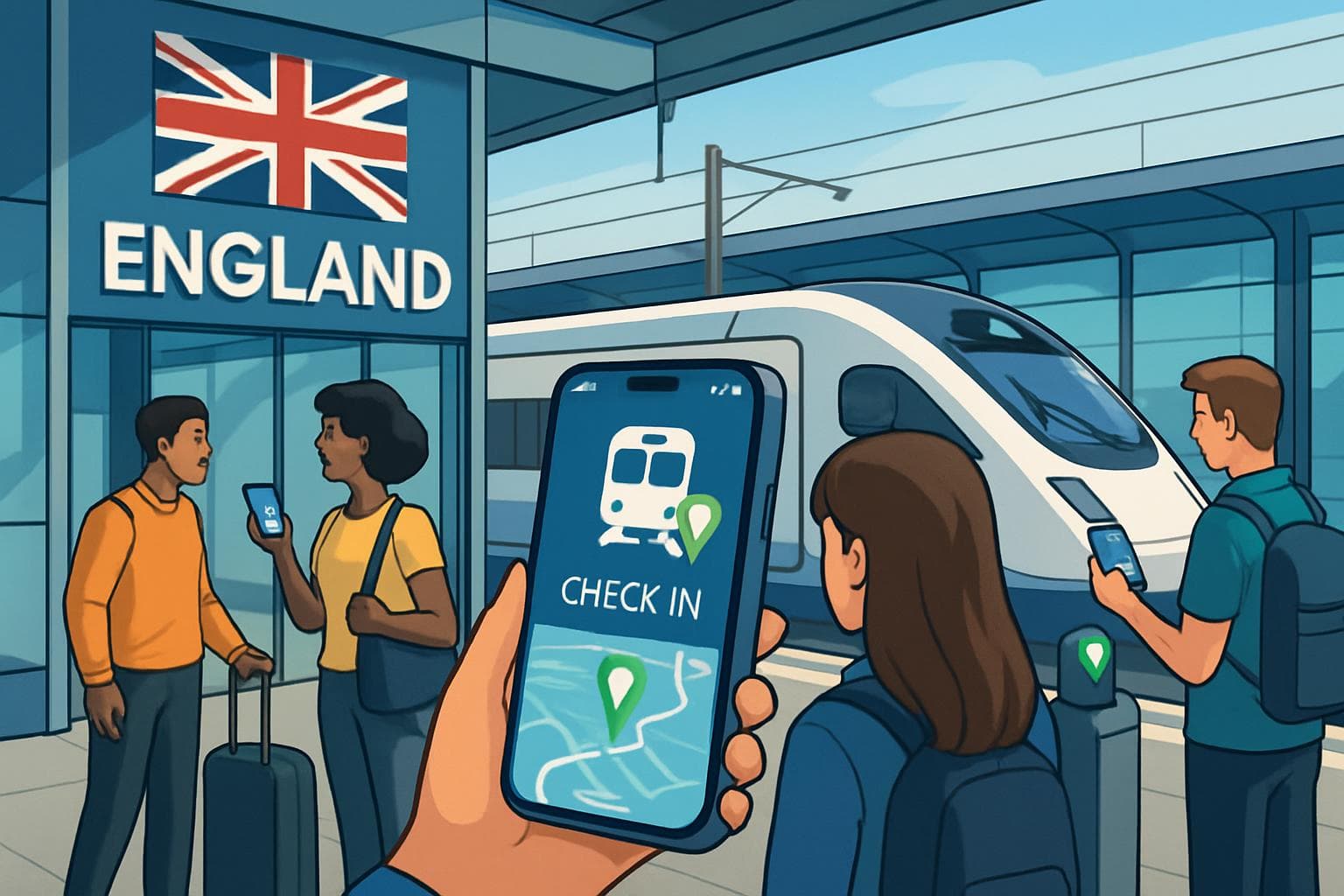
The new system allows passengers to check in via an app on their mobile phones, which tracks their journey using satellite location technology. At the end of the day, the app calculates and charges the best possible fare, eliminating the need for pre-purchased paper or QR code tickets. This initiative aims to address the long-standing issue of complicated fare structures, making rail travel more accessible and convenient.
Government Support and Future Prospects
Supported by £1 million in government funding, the trials are part of a broader Plan for Change to enhance the passenger experience. Rail Minister Peter Hendy stated, "The railway ticketing system is far too complicated and long overdue an upgrade to bring it into the 21st century." The trials are expected to run for nine months, with the potential to revolutionize ticketing if successful.
Passenger Experience at the Forefront
Oli Cox, EMR's head of commercial strategy, noted that over 500 people have already signed up for the trial. He emphasized that the new system removes the uncertainty of complex fares, allowing passengers to travel with confidence that they are receiving the best value. The trial's success could pave the way for broader implementation across the UK, following successful tests in countries like Switzerland and Denmark.
WHAT THIS MIGHT MEAN
If the trials prove successful, the GPS-based ticketing system could be rolled out nationwide, potentially replacing traditional ticketing methods. This would not only simplify the fare system but also enhance the overall passenger experience. However, challenges remain, including addressing privacy concerns related to location tracking and ensuring the technology's reliability across diverse rail networks. As the government and rail industry continue to explore innovative solutions, the outcome of these trials could significantly influence the future of rail travel in the UK.
Related Articles

UK Government to Reform Asylum Seeker Support and Employment Policies

Saharan Dust to Illuminate UK Skies with Vivid Sunrises and Sunsets

Canada and Australia Forge Strategic Partnership Amid Global Uncertainty

Middle East Conflict Drives UK Energy Prices to New Highs

UK Faces Dilemmas Amid Iran Conflict and China Spying Allegations

UK Reinforces Military Presence in Cyprus Amid Middle East Tensions
GPS-Based Ticketless Train Travel Trials Begin in England
In This Article
 Leila Hassan| Published
 HIGHLIGHTS
- A new ticketless train travel system using GPS technology is being trialled in the East Midlands and Yorkshire, involving up to 4,000 passengers.
- The app automatically charges passengers the best fare at the end of the day, aiming to simplify the complex railway ticketing system.
- Trials are funded with £1 million from the government as part of its Plan for Change to modernize rail travel.
- The technology, previously tested in Switzerland and Denmark, could replace paper and QR code tickets if successful.
- Rail Minister Peter Hendy emphasized the need for a 21st-century upgrade to the railway ticketing system.
A groundbreaking trial for ticketless train travel using GPS technology is set to launch in England, marking a significant step towards modernizing the country's complex railway fare system. The trial, spearheaded by East Midlands Railway (EMR) and Northern Trains, will involve up to 4,000 passengers across the East Midlands and Yorkshire regions.
Innovative Technology for Simplified Travel
The new system allows passengers to check in via an app on their mobile phones, which tracks their journey using satellite location technology. At the end of the day, the app calculates and charges the best possible fare, eliminating the need for pre-purchased paper or QR code tickets. This initiative aims to address the long-standing issue of complicated fare structures, making rail travel more accessible and convenient.
Government Support and Future Prospects
Supported by £1 million in government funding, the trials are part of a broader Plan for Change to enhance the passenger experience. Rail Minister Peter Hendy stated, "The railway ticketing system is far too complicated and long overdue an upgrade to bring it into the 21st century." The trials are expected to run for nine months, with the potential to revolutionize ticketing if successful.
Passenger Experience at the Forefront
Oli Cox, EMR's head of commercial strategy, noted that over 500 people have already signed up for the trial. He emphasized that the new system removes the uncertainty of complex fares, allowing passengers to travel with confidence that they are receiving the best value. The trial's success could pave the way for broader implementation across the UK, following successful tests in countries like Switzerland and Denmark.
WHAT THIS MIGHT MEAN
If the trials prove successful, the GPS-based ticketing system could be rolled out nationwide, potentially replacing traditional ticketing methods. This would not only simplify the fare system but also enhance the overall passenger experience. However, challenges remain, including addressing privacy concerns related to location tracking and ensuring the technology's reliability across diverse rail networks. As the government and rail industry continue to explore innovative solutions, the outcome of these trials could significantly influence the future of rail travel in the UK.
Related Articles
UK Government to Reform Asylum Seeker Support and Employment Policies
Saharan Dust to Illuminate UK Skies with Vivid Sunrises and Sunsets
Canada and Australia Forge Strategic Partnership Amid Global Uncertainty
Middle East Conflict Drives UK Energy Prices to New Highs
UK Faces Dilemmas Amid Iran Conflict and China Spying Allegations
UK Reinforces Military Presence in Cyprus Amid Middle East Tensions