
Graham Linehan Cleared of Harassment but Convicted for Phone Damage in Trans Activist Case
In This Article
HIGHLIGHTS
- Graham Linehan was cleared of harassing a transgender activist but found guilty of damaging their phone.
- The incident occurred outside the Battle of Ideas conference in London in October 2024.
- Linehan was fined £500 and ordered to pay additional costs totaling £850.
- Judge Briony Clarke ruled that Linehan's social media posts did not meet the criminal standard for harassment.
- The case highlights ongoing tensions in the gender identity debate, with both parties expressing strong views.
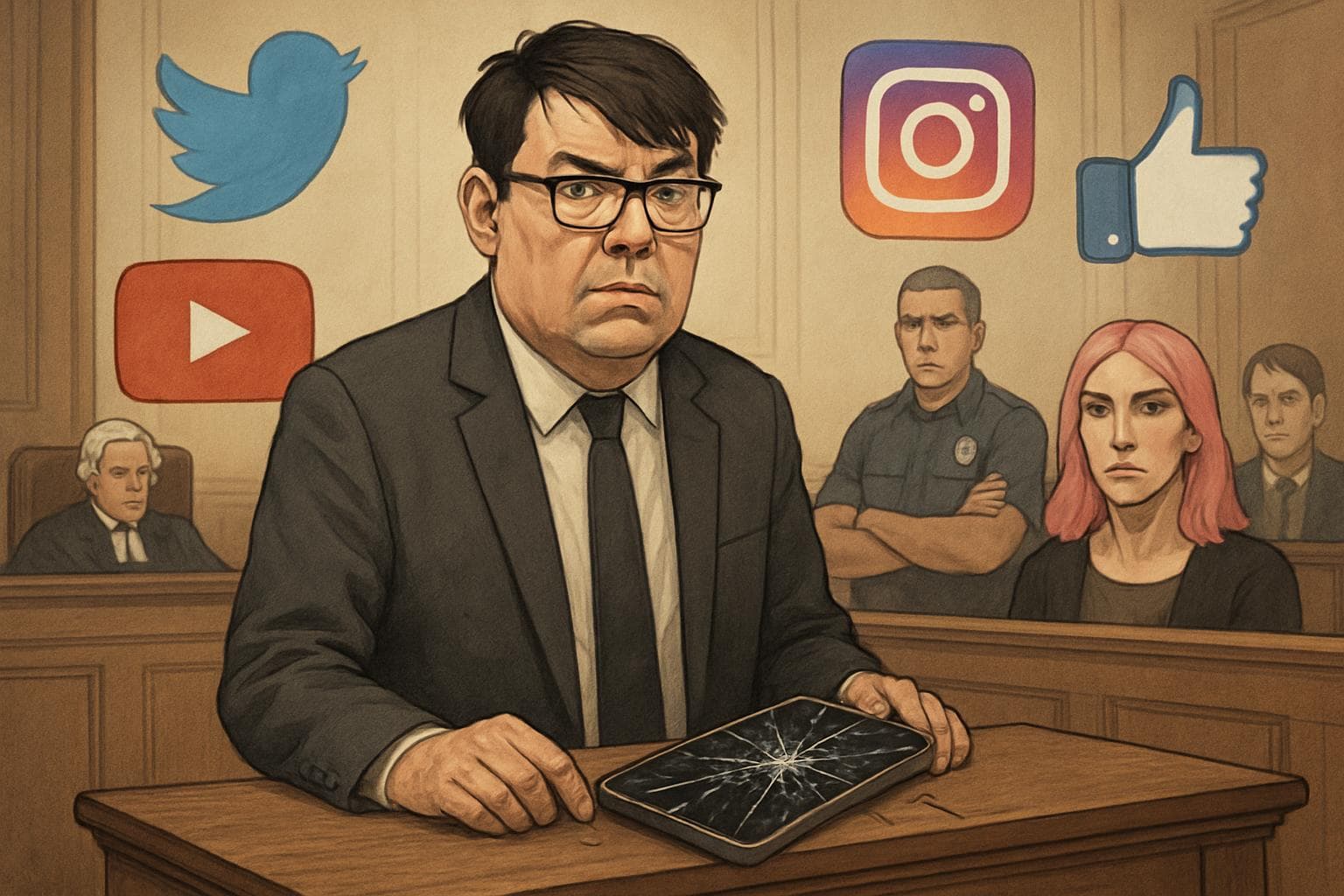
Graham Linehan, the co-creator of the popular sitcom "Father Ted," has been acquitted of harassing a transgender activist on social media but was convicted of criminal damage to the activist's phone. The verdict was delivered at Westminster Magistrates' Court, where Linehan appeared in person after traveling from Arizona.
Incident at the Battle of Ideas Conference
The legal proceedings stemmed from an altercation outside the Battle of Ideas conference in London last October. The court heard that Linehan, 57, had a confrontation with Sophia Brooks, a 17-year-old transgender activist, during which he "deliberately whacked" Brooks' phone, causing it to fall into the road. This incident followed a heated exchange where Brooks questioned Linehan's derogatory comments about teenagers on social media.
Social Media Posts Under Scrutiny
Linehan faced accusations of harassment for his social media activity between October 11 and 27, 2024. His posts, described as "unattractive, annoying, and irritating" by District Judge Briony Clarke, included terms such as "sociopath" and "groomer." However, the judge ruled that these did not constitute harassment under criminal law, despite being "deeply unpleasant."
Legal and Financial Consequences
While cleared of harassment, Linehan was found guilty of criminal damage for the phone incident. He was fined £500 and ordered to pay £650 in costs and a £200 statutory surcharge. His lawyer, Sarah Vine KC, requested a 28-day period for payment.
Broader Implications and Reactions
The case underscores the ongoing debate over gender identity and free speech. Linehan, known for his outspoken views on gender issues, claimed his life had been "made hell" by transgender activists. Outside court, he expressed pride in standing up to what he described as a "misogynistic agenda." Meanwhile, Brooks, in a statement, labeled Linehan a "bigoted, bad-tempered thug" and expressed satisfaction with the court's decision.
WHAT THIS MIGHT MEAN
The outcome of this case may influence future legal interpretations of social media conduct and its intersection with free speech and harassment laws. As gender identity remains a contentious topic, this case could set a precedent for how courts handle similar disputes. Legal experts suggest that while the ruling clarifies the threshold for harassment, it also highlights the complexities involved in balancing free expression with protection against targeted abuse. As societal debates on gender continue, further legal challenges are likely to arise, potentially shaping future legislation and public discourse.
Related Articles
Labour MP's Husband Arrested in UK-China Espionage Probe
Bafta Film Awards 2023: A Night of Glamour, Talent, and Fashion Statements
Nottingham Attacks Inquiry: Families Demand Accountability and Truth
Bafta Film Awards 2026: A Night of Glamour and Identity Challenges
UK Police Intensify Investigation into Andrew Mountbatten-Windsor Amid Misconduct Allegations
Prince Andrew's Arrest Raises Questions About Royal Succession and Monarchy's Future
Graham Linehan Cleared of Harassment but Convicted for Phone Damage in Trans Activist Case
In This Article
 Alex Carter| Published
 HIGHLIGHTS
- Graham Linehan was cleared of harassing a transgender activist but found guilty of damaging their phone.
- The incident occurred outside the Battle of Ideas conference in London in October 2024.
- Linehan was fined £500 and ordered to pay additional costs totaling £850.
- Judge Briony Clarke ruled that Linehan's social media posts did not meet the criminal standard for harassment.
- The case highlights ongoing tensions in the gender identity debate, with both parties expressing strong views.
Graham Linehan, the co-creator of the popular sitcom "Father Ted," has been acquitted of harassing a transgender activist on social media but was convicted of criminal damage to the activist's phone. The verdict was delivered at Westminster Magistrates' Court, where Linehan appeared in person after traveling from Arizona.
Incident at the Battle of Ideas Conference
The legal proceedings stemmed from an altercation outside the Battle of Ideas conference in London last October. The court heard that Linehan, 57, had a confrontation with Sophia Brooks, a 17-year-old transgender activist, during which he "deliberately whacked" Brooks' phone, causing it to fall into the road. This incident followed a heated exchange where Brooks questioned Linehan's derogatory comments about teenagers on social media.
Social Media Posts Under Scrutiny
Linehan faced accusations of harassment for his social media activity between October 11 and 27, 2024. His posts, described as "unattractive, annoying, and irritating" by District Judge Briony Clarke, included terms such as "sociopath" and "groomer." However, the judge ruled that these did not constitute harassment under criminal law, despite being "deeply unpleasant."
Legal and Financial Consequences
While cleared of harassment, Linehan was found guilty of criminal damage for the phone incident. He was fined £500 and ordered to pay £650 in costs and a £200 statutory surcharge. His lawyer, Sarah Vine KC, requested a 28-day period for payment.
Broader Implications and Reactions
The case underscores the ongoing debate over gender identity and free speech. Linehan, known for his outspoken views on gender issues, claimed his life had been "made hell" by transgender activists. Outside court, he expressed pride in standing up to what he described as a "misogynistic agenda." Meanwhile, Brooks, in a statement, labeled Linehan a "bigoted, bad-tempered thug" and expressed satisfaction with the court's decision.
WHAT THIS MIGHT MEAN
The outcome of this case may influence future legal interpretations of social media conduct and its intersection with free speech and harassment laws. As gender identity remains a contentious topic, this case could set a precedent for how courts handle similar disputes. Legal experts suggest that while the ruling clarifies the threshold for harassment, it also highlights the complexities involved in balancing free expression with protection against targeted abuse. As societal debates on gender continue, further legal challenges are likely to arise, potentially shaping future legislation and public discourse.
Related Articles
Labour MP's Husband Arrested in UK-China Espionage Probe
Bafta Film Awards 2023: A Night of Glamour, Talent, and Fashion Statements
Nottingham Attacks Inquiry: Families Demand Accountability and Truth
Bafta Film Awards 2026: A Night of Glamour and Identity Challenges
UK Police Intensify Investigation into Andrew Mountbatten-Windsor Amid Misconduct Allegations
Prince Andrew's Arrest Raises Questions About Royal Succession and Monarchy's Future