
Tarique Rahman Set to Lead Bangladesh Amid Promises of Reform

In This Article
HIGHLIGHTS
- Tarique Rahman is poised to become Bangladesh's next prime minister after the BNP secured a majority in the general election.
- Rahman, a member of the influential Zia family, has faced allegations of nepotism and corruption throughout his political career.
- The recent elections mark the first free and fair polls in nearly two decades, following the fall of former Prime Minister Sheikh Hasina.
- Rahman has pledged to combat corruption and establish accountability within the government, promising a "new path" for Bangladesh.
- An interim government led by Nobel laureate Muhammad Yunus has been in place since August 2024 to restore democracy.
Tarique Rahman is on the brink of becoming Bangladesh's next prime minister after his Bangladesh Nationalist Party (BNP) secured a majority in the country's first free and fair elections in nearly two decades. The 60-year-old Rahman, who has spent 17 years in exile, is the latest figure from the influential Zia family to ascend to power, following in the footsteps of his parents, both former leaders of Bangladesh.
A Political Dynasty and Controversial Past
Rahman's political journey has been marked by controversy, including allegations of nepotism and corruption. His rise within the BNP began in 2001 during his mother's second term as prime minister. Despite accusations of using his influence for personal gain, Rahman has consistently denied any wrongdoing. His political career was interrupted in 2007 when he was arrested on corruption charges and subsequently left Bangladesh for London, where he remained until his recent return.
A New Era for Bangladesh
The recent elections, held after the fall of former Prime Minister Sheikh Hasina, are seen as a pivotal moment for Bangladesh. Hasina's regime, which ended in 2024 following a student-led uprising, was marred by accusations of electoral fraud and human rights abuses. Rahman has promised to usher in an era of clean politics, emphasizing a "top down, no tolerance" approach to tackling corruption. "Our economy was left destroyed," Rahman stated, highlighting the need for accountability to restore the country's economic health.
Interim Leadership and Democratic Restoration
Since August 2024, an interim government led by Nobel laureate Muhammad Yunus has been tasked with restoring democracy in Bangladesh. The recent elections, which saw 127 million registered voters, were closely monitored by over 900,000 security personnel to ensure a peaceful process. Analysts, including Thomas Kean from Crisis Group, have underscored the significance of these elections in re-establishing democratic norms in the country.
WHAT THIS MIGHT MEAN
As Tarique Rahman prepares to assume leadership, his administration will face the challenge of delivering on promises to combat corruption and restore economic stability. The success of these efforts will be crucial in gaining public trust and maintaining political stability. The international community will likely watch closely, as Bangladesh's democratic trajectory could influence regional dynamics. Furthermore, the BNP's approach to governance will be pivotal in determining whether the country can move beyond its history of political turmoil and establish a sustainable democratic framework.
Related Articles
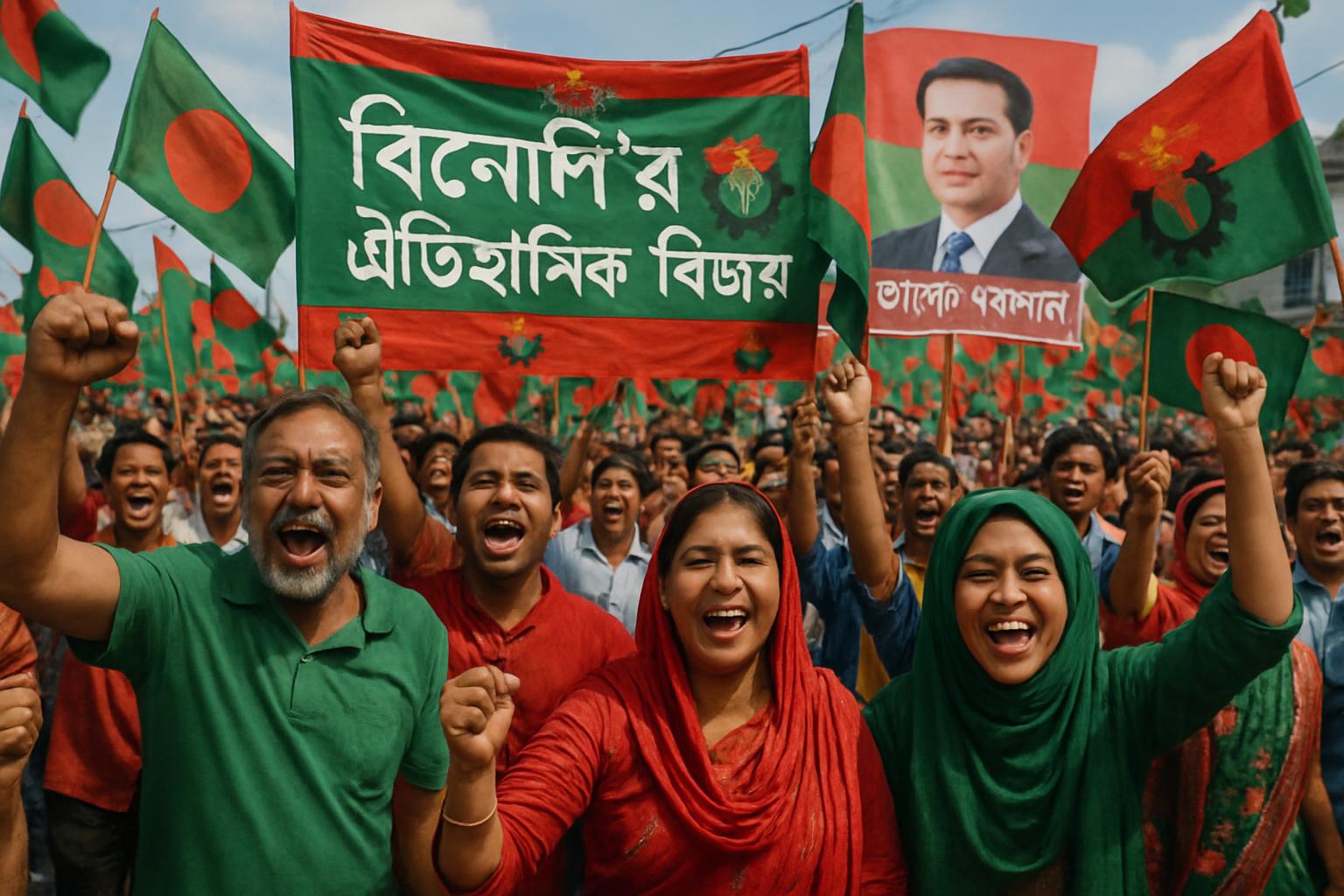
Bangladesh Nationalist Party Wins Historic Election Amidst Political Transformation

Labour MP's Husband Arrested in UK-China Espionage Probe

Bafta Film Awards 2023: A Night of Glamour, Talent, and Fashion Statements
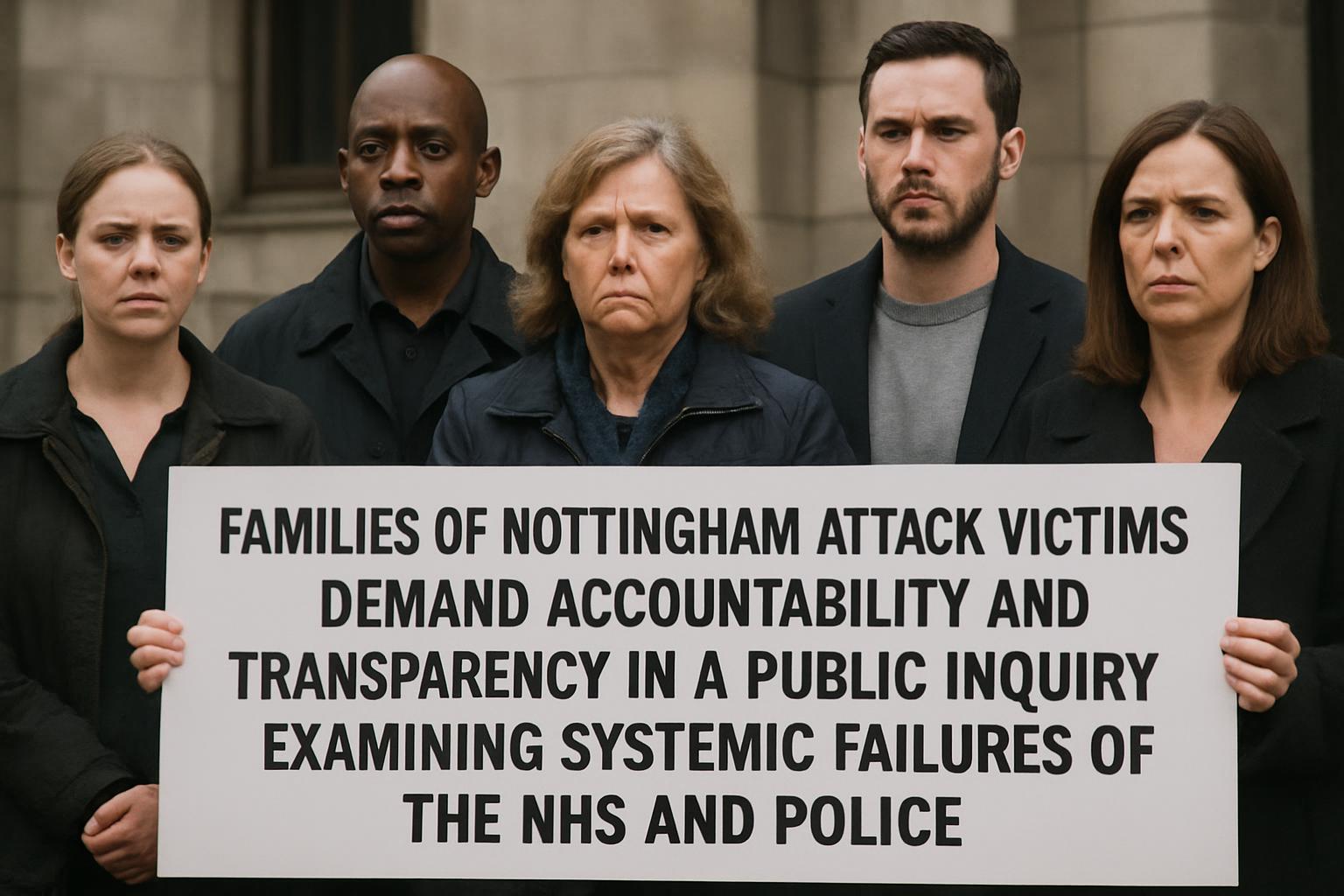
Nottingham Attacks Inquiry: Families Demand Accountability and Truth

Bafta Film Awards 2026: A Night of Glamour and Identity Challenges

UK Police Intensify Investigation into Andrew Mountbatten-Windsor Amid Misconduct Allegations
Tarique Rahman Set to Lead Bangladesh Amid Promises of Reform
In This Article
 Alex Carter| Published
 HIGHLIGHTS
- Tarique Rahman is poised to become Bangladesh's next prime minister after the BNP secured a majority in the general election.
- Rahman, a member of the influential Zia family, has faced allegations of nepotism and corruption throughout his political career.
- The recent elections mark the first free and fair polls in nearly two decades, following the fall of former Prime Minister Sheikh Hasina.
- Rahman has pledged to combat corruption and establish accountability within the government, promising a "new path" for Bangladesh.
- An interim government led by Nobel laureate Muhammad Yunus has been in place since August 2024 to restore democracy.
Tarique Rahman is on the brink of becoming Bangladesh's next prime minister after his Bangladesh Nationalist Party (BNP) secured a majority in the country's first free and fair elections in nearly two decades. The 60-year-old Rahman, who has spent 17 years in exile, is the latest figure from the influential Zia family to ascend to power, following in the footsteps of his parents, both former leaders of Bangladesh.
A Political Dynasty and Controversial Past
Rahman's political journey has been marked by controversy, including allegations of nepotism and corruption. His rise within the BNP began in 2001 during his mother's second term as prime minister. Despite accusations of using his influence for personal gain, Rahman has consistently denied any wrongdoing. His political career was interrupted in 2007 when he was arrested on corruption charges and subsequently left Bangladesh for London, where he remained until his recent return.
A New Era for Bangladesh
The recent elections, held after the fall of former Prime Minister Sheikh Hasina, are seen as a pivotal moment for Bangladesh. Hasina's regime, which ended in 2024 following a student-led uprising, was marred by accusations of electoral fraud and human rights abuses. Rahman has promised to usher in an era of clean politics, emphasizing a "top down, no tolerance" approach to tackling corruption. "Our economy was left destroyed," Rahman stated, highlighting the need for accountability to restore the country's economic health.
Interim Leadership and Democratic Restoration
Since August 2024, an interim government led by Nobel laureate Muhammad Yunus has been tasked with restoring democracy in Bangladesh. The recent elections, which saw 127 million registered voters, were closely monitored by over 900,000 security personnel to ensure a peaceful process. Analysts, including Thomas Kean from Crisis Group, have underscored the significance of these elections in re-establishing democratic norms in the country.
WHAT THIS MIGHT MEAN
As Tarique Rahman prepares to assume leadership, his administration will face the challenge of delivering on promises to combat corruption and restore economic stability. The success of these efforts will be crucial in gaining public trust and maintaining political stability. The international community will likely watch closely, as Bangladesh's democratic trajectory could influence regional dynamics. Furthermore, the BNP's approach to governance will be pivotal in determining whether the country can move beyond its history of political turmoil and establish a sustainable democratic framework.
Related Articles
Bangladesh Nationalist Party Wins Historic Election Amidst Political Transformation
Labour MP's Husband Arrested in UK-China Espionage Probe
Bafta Film Awards 2023: A Night of Glamour, Talent, and Fashion Statements
Nottingham Attacks Inquiry: Families Demand Accountability and Truth
Bafta Film Awards 2026: A Night of Glamour and Identity Challenges
UK Police Intensify Investigation into Andrew Mountbatten-Windsor Amid Misconduct Allegations