
Greater Manchester's Bee Network to Integrate Rail Services by 2025
In This Article
HIGHLIGHTS
- Greater Manchester's Bee Network will integrate its first Northern train by December 2025, marking a significant step towards a fully integrated public transport system.
- The Bee Network aims to simplify travel with contactless payments and capped fares across buses, trams, and trains.
- By 2027 and 2028, additional rail lines will join the Bee Network, enhancing connectivity and accessibility across the region.
- The initiative is part of a broader strategy to drive economic growth and improve transport infrastructure in Greater Manchester.
- Rail Minister Peter Hendy emphasized the role of local leadership in creating a more equitable and prosperous transport network.
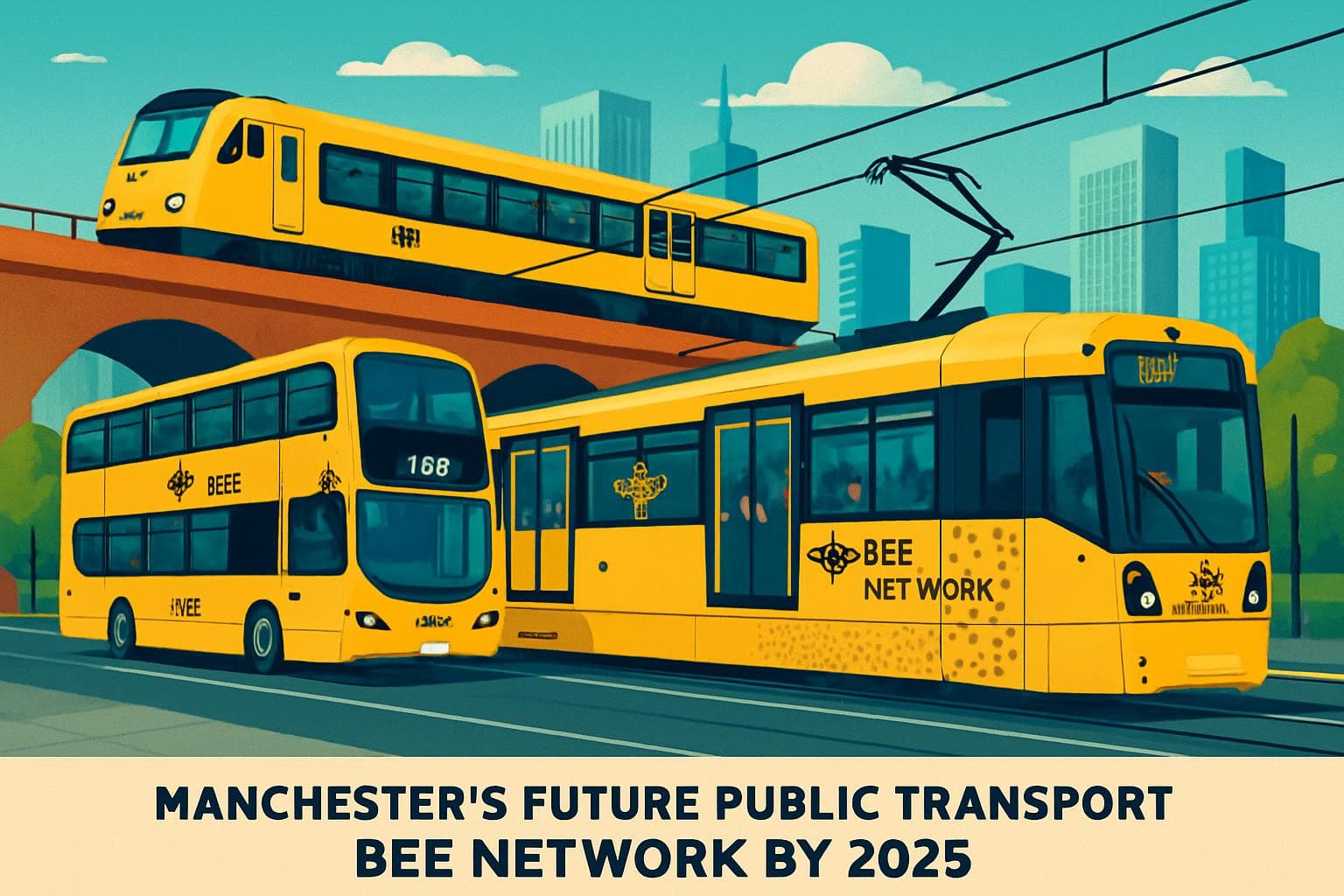
Greater Manchester is set to revolutionize its public transport system with the integration of rail services into the Bee Network by December 2025. This ambitious project, spearheaded by Mayor Andy Burnham, aims to create the UK's first fully integrated public transport system outside London, enhancing connectivity and accessibility across the region.
A Unified Transport Vision
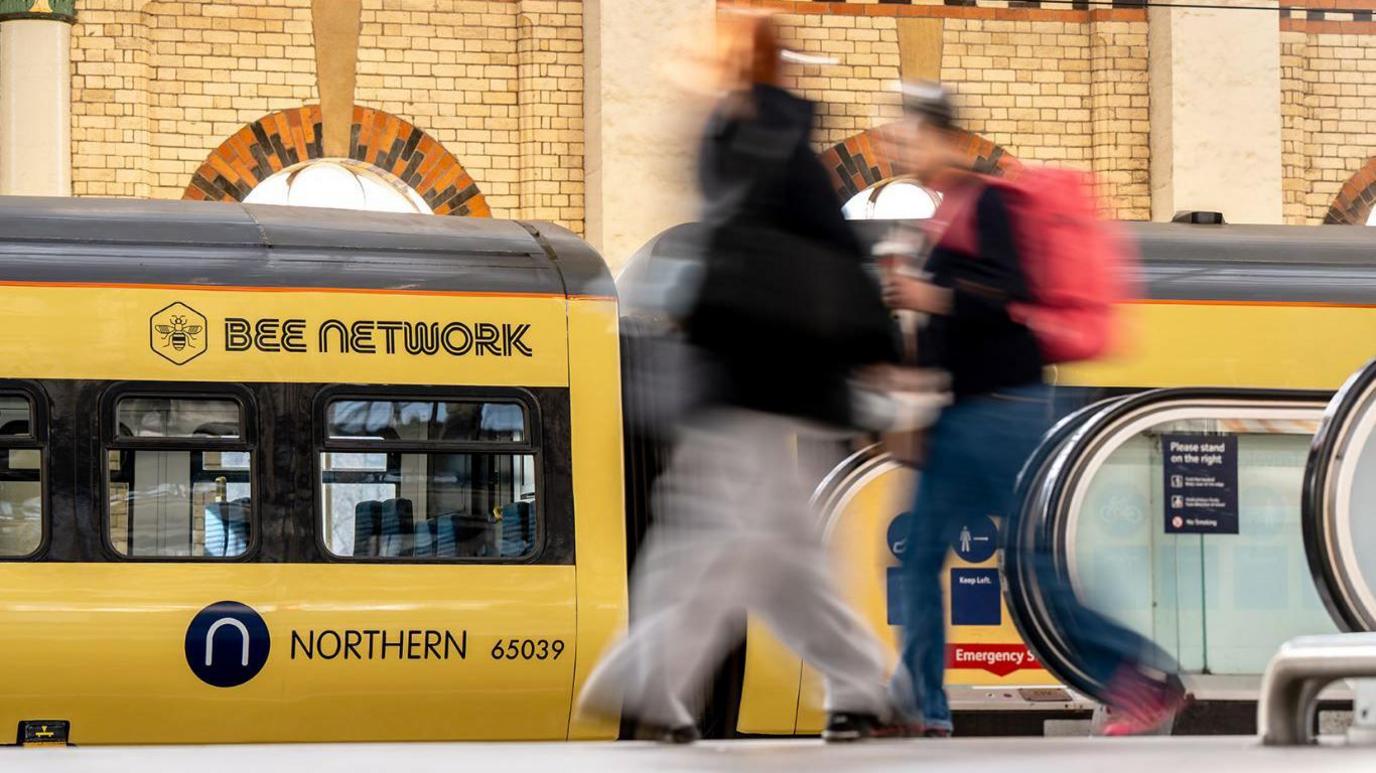
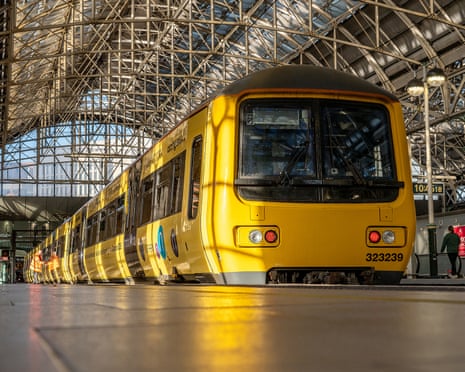
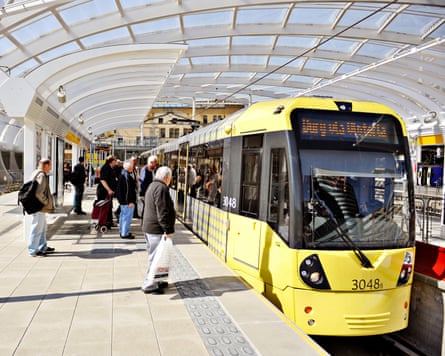
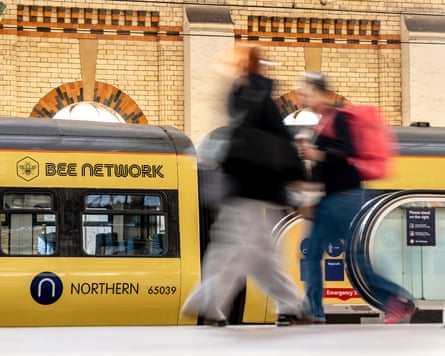
Unveiled at Manchester's Piccadilly station, the first Northern train to join the Bee Network will feature the distinctive yellow branding synonymous with the city's buses and trams. This integration will introduce contactless travel with capped fares, simplifying journeys for passengers across Greater Manchester. "We are on the cusp of delivering a fully integrated, world-class transport system for our global city region," Burnham stated, highlighting the transformative potential of this initiative.
Expanding Connectivity
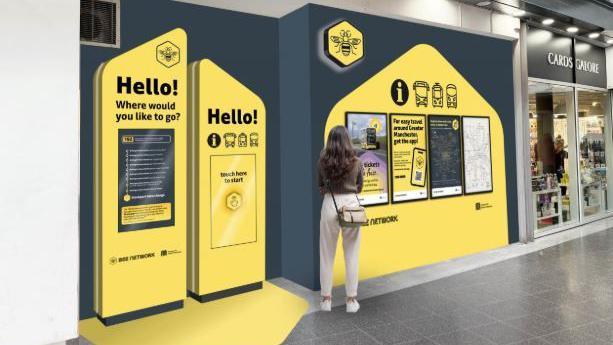
The Bee Network's expansion will see two lines from central Manchester to Glossop and Stalybridge joining by the end of 2026. By 2027 and 2028, additional rail lines, including those to Manchester Airport and Alderley Edge, will be integrated, further enhancing the region's transport infrastructure. Transport for Greater Manchester (TfGM) has also announced plans to improve journey planning and provide real-time travel information through its website and apps.
Economic and Social Impact
The integration of rail services is part of a broader strategy to drive economic growth and improve transport infrastructure in Greater Manchester. Rail Minister Peter Hendy emphasized the importance of local leadership in creating a fairer, more prosperous transport network. "This investment is not just about better journeys – it’s helping to unlock jobs, drive economic growth, and support new homes across the region," he noted.
WHAT THIS MIGHT MEAN
The integration of rail services into Greater Manchester's Bee Network could set a precedent for other UK regions seeking to enhance their public transport systems. As the project progresses, it may influence national policies by demonstrating the benefits of localized control over transport planning and funding. Experts suggest that successful implementation could lead to increased investment in similar initiatives across the country, promoting economic growth and improving connectivity. However, challenges such as funding and coordination between different transport modes will need to be addressed to ensure the project's long-term success.
Images from the Web
Related Articles
UK Government to Reform Asylum Seeker Support and Employment Policies

UK Faces Dilemmas Amid Iran Conflict and China Spying Allegations
UK Reinforces Military Presence in Cyprus Amid Middle East Tensions

Labour MP's Husband Arrested in UK-China Espionage Probe

UK-Iran Tensions: Starmer Defends Cautious Approach Amid Trump Criticism
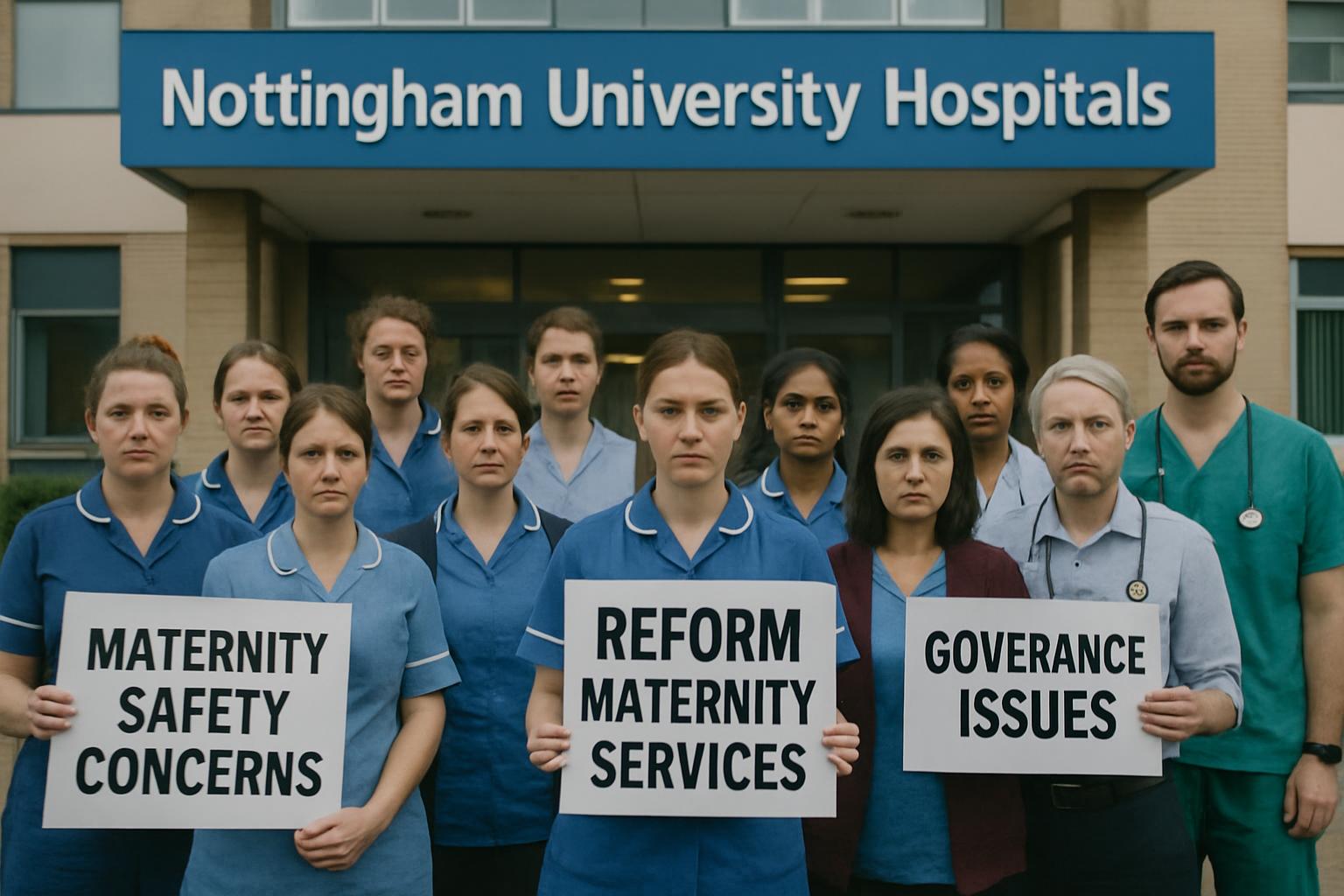
Persistent Safety Concerns in Nottingham Maternity Services Amidst Calls for Systemic Reform
Greater Manchester's Bee Network to Integrate Rail Services by 2025
In This Article
 Ethan Brooks| Published
 HIGHLIGHTS
- Greater Manchester's Bee Network will integrate its first Northern train by December 2025, marking a significant step towards a fully integrated public transport system.
- The Bee Network aims to simplify travel with contactless payments and capped fares across buses, trams, and trains.
- By 2027 and 2028, additional rail lines will join the Bee Network, enhancing connectivity and accessibility across the region.
- The initiative is part of a broader strategy to drive economic growth and improve transport infrastructure in Greater Manchester.
- Rail Minister Peter Hendy emphasized the role of local leadership in creating a more equitable and prosperous transport network.
Greater Manchester is set to revolutionize its public transport system with the integration of rail services into the Bee Network by December 2025. This ambitious project, spearheaded by Mayor Andy Burnham, aims to create the UK's first fully integrated public transport system outside London, enhancing connectivity and accessibility across the region.
A Unified Transport Vision
Unveiled at Manchester's Piccadilly station, the first Northern train to join the Bee Network will feature the distinctive yellow branding synonymous with the city's buses and trams. This integration will introduce contactless travel with capped fares, simplifying journeys for passengers across Greater Manchester. "We are on the cusp of delivering a fully integrated, world-class transport system for our global city region," Burnham stated, highlighting the transformative potential of this initiative.
Expanding Connectivity
The Bee Network's expansion will see two lines from central Manchester to Glossop and Stalybridge joining by the end of 2026. By 2027 and 2028, additional rail lines, including those to Manchester Airport and Alderley Edge, will be integrated, further enhancing the region's transport infrastructure. Transport for Greater Manchester (TfGM) has also announced plans to improve journey planning and provide real-time travel information through its website and apps.
Economic and Social Impact
The integration of rail services is part of a broader strategy to drive economic growth and improve transport infrastructure in Greater Manchester. Rail Minister Peter Hendy emphasized the importance of local leadership in creating a fairer, more prosperous transport network. "This investment is not just about better journeys – it’s helping to unlock jobs, drive economic growth, and support new homes across the region," he noted.
WHAT THIS MIGHT MEAN
The integration of rail services into Greater Manchester's Bee Network could set a precedent for other UK regions seeking to enhance their public transport systems. As the project progresses, it may influence national policies by demonstrating the benefits of localized control over transport planning and funding. Experts suggest that successful implementation could lead to increased investment in similar initiatives across the country, promoting economic growth and improving connectivity. However, challenges such as funding and coordination between different transport modes will need to be addressed to ensure the project's long-term success.
Images from the Web
Related Articles
UK Government to Reform Asylum Seeker Support and Employment Policies
UK Faces Dilemmas Amid Iran Conflict and China Spying Allegations
UK Reinforces Military Presence in Cyprus Amid Middle East Tensions
Labour MP's Husband Arrested in UK-China Espionage Probe
UK-Iran Tensions: Starmer Defends Cautious Approach Amid Trump Criticism
Persistent Safety Concerns in Nottingham Maternity Services Amidst Calls for Systemic Reform