
Gunman Targets CDC Headquarters Amid Vaccine Misinformation Concerns
In This Article
HIGHLIGHTS
- Patrick Joseph White fired over 180 shots at the CDC headquarters in Atlanta on August 8, causing significant damage but no civilian injuries.
- Officer David Rose, a former Marine, was killed in the line of duty while responding to the active shooter situation.
- White, who expressed distrust of Covid-19 vaccines, died from a self-inflicted gunshot wound after the attack.
- The incident has raised concerns about the impact of vaccine misinformation on public safety and mental health.
- US Health Secretary Robert F. Kennedy Jr. visited the CDC to offer condolences and support to the affected families and staff.
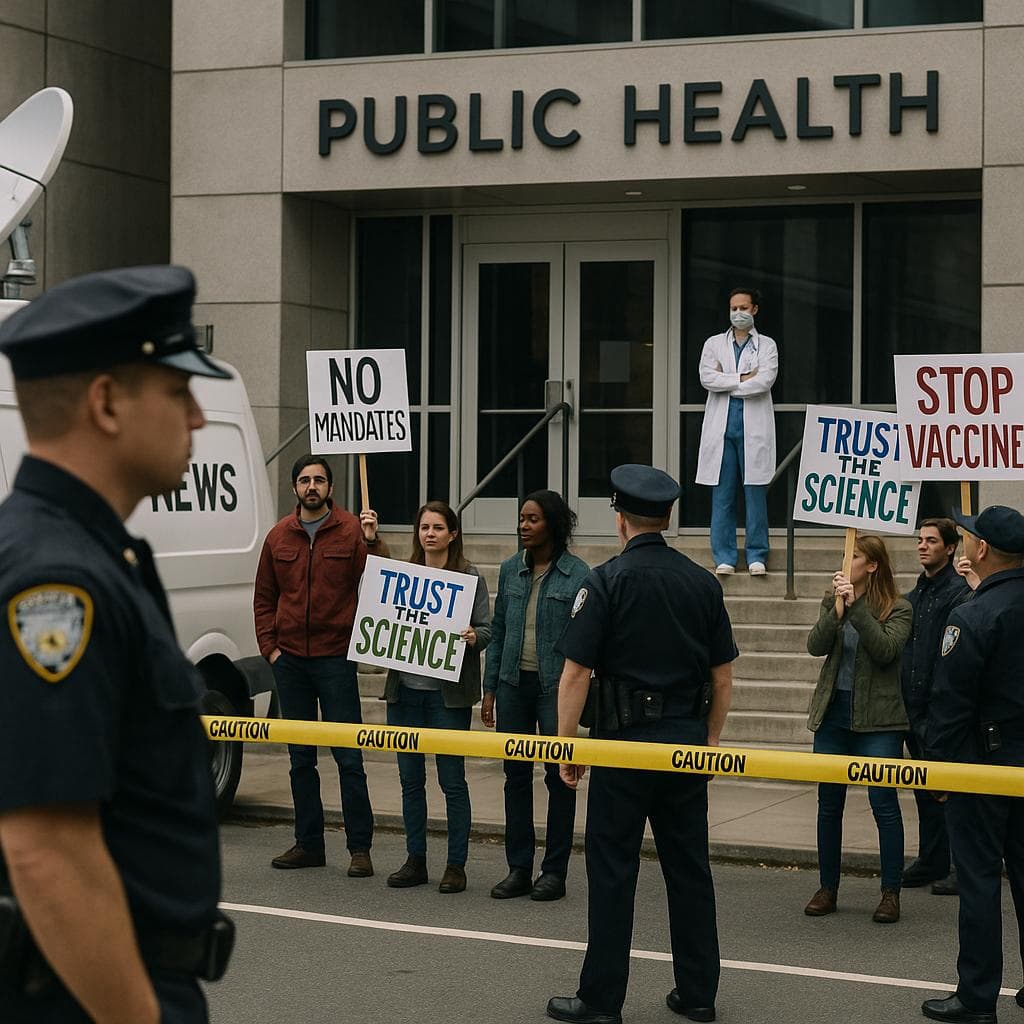
In a shocking attack on the US Centers for Disease Control and Prevention (CDC) headquarters in Atlanta, Georgia, a gunman fired over 180 rounds, shattering approximately 150 windows and causing extensive damage to the facility. The incident, which took place on August 8, resulted in the tragic death of DeKalb County Police Officer David Rose, who was responding to the active shooter situation.
The Attack and Its Aftermath
Patrick Joseph White, a 30-year-old Georgia resident, launched the assault on the CDC complex, reportedly driven by his distrust of Covid-19 vaccines. Investigators revealed that White had expressed suicidal thoughts and blamed the vaccine for his mental health struggles. During the attack, White managed to breach a safe at his family home to access firearms, which he used to fire hundreds of rounds at the CDC buildings.
Officer David Rose, a former Marine with service in Afghanistan, was fatally wounded during the response to the shooting. Despite the extensive damage, no CDC employees or civilians were injured, thanks to the swift actions of law enforcement and CDC security personnel. White ultimately died from a self-inflicted gunshot wound.
Response and Reactions
The attack has sparked a broader conversation about the dangers of vaccine misinformation and its potential to incite violence. US Health Secretary Robert F. Kennedy Jr. visited the CDC campus to meet with the agency's director, Susan Monarez, and offer condolences to Officer Rose's family. Kennedy emphasized the importance of protecting public health workers from violence and reiterated the agency's commitment to honoring Officer Rose's sacrifice.
CDC employees have been advised to work from home as the agency assesses the damage and begins repairs. The attack has raised concerns about the long-term impact on the willingness of young scientists to work in public health, with some fearing it could deter future talent from joining government agencies.
Broader Implications
The attack on the CDC highlights the potential consequences of vaccine skepticism and misinformation, which have been exacerbated during the Covid-19 pandemic. Experts warn that false narratives about vaccines can contribute to mental health issues and, in extreme cases, lead to violence. Dr. Jerome Adams, former US Surgeon General, stressed the importance of responsible communication by health leaders to prevent such incidents.
As the CDC and law enforcement continue their investigations, the focus remains on ensuring the safety of public health workers and addressing the root causes of vaccine-related misinformation. The tragedy serves as a stark reminder of the need for accurate information and support for those affected by mental health challenges.
WHAT THIS MIGHT MEAN
Moving forward, the CDC and other public health agencies may need to enhance security measures to protect their staff and facilities from potential threats. The incident could also prompt a reevaluation of how vaccine information is communicated to the public, with an emphasis on countering misinformation effectively. Additionally, there may be increased efforts to provide mental health support to individuals struggling with vaccine-related anxieties, aiming to prevent similar tragedies in the future.
Related Articles
Tragic Loss: Lil Jon's Son Found Dead in Georgia Pond

Marjorie Taylor Greene Resigns Amidst Feud with Trump Over Epstein Files

Canada's Supreme Court Clears Way for Controversial Ostrich Cull Amid Avian Flu Concerns
Trump to Award Rudy Giuliani the Presidential Medal of Freedom
Trump's Tariff Strategy Faces Supreme Court Setback, Sparks New Trade Policy
Trump Urges Republicans to 'Nationalize' Elections Amid Fraud Allegations
Gunman Targets CDC Headquarters Amid Vaccine Misinformation Concerns
In This Article
 Ethan Brooks| Published
 HIGHLIGHTS
- Patrick Joseph White fired over 180 shots at the CDC headquarters in Atlanta on August 8, causing significant damage but no civilian injuries.
- Officer David Rose, a former Marine, was killed in the line of duty while responding to the active shooter situation.
- White, who expressed distrust of Covid-19 vaccines, died from a self-inflicted gunshot wound after the attack.
- The incident has raised concerns about the impact of vaccine misinformation on public safety and mental health.
- US Health Secretary Robert F. Kennedy Jr. visited the CDC to offer condolences and support to the affected families and staff.
In a shocking attack on the US Centers for Disease Control and Prevention (CDC) headquarters in Atlanta, Georgia, a gunman fired over 180 rounds, shattering approximately 150 windows and causing extensive damage to the facility. The incident, which took place on August 8, resulted in the tragic death of DeKalb County Police Officer David Rose, who was responding to the active shooter situation.
The Attack and Its Aftermath
Patrick Joseph White, a 30-year-old Georgia resident, launched the assault on the CDC complex, reportedly driven by his distrust of Covid-19 vaccines. Investigators revealed that White had expressed suicidal thoughts and blamed the vaccine for his mental health struggles. During the attack, White managed to breach a safe at his family home to access firearms, which he used to fire hundreds of rounds at the CDC buildings.
Officer David Rose, a former Marine with service in Afghanistan, was fatally wounded during the response to the shooting. Despite the extensive damage, no CDC employees or civilians were injured, thanks to the swift actions of law enforcement and CDC security personnel. White ultimately died from a self-inflicted gunshot wound.
Response and Reactions
The attack has sparked a broader conversation about the dangers of vaccine misinformation and its potential to incite violence. US Health Secretary Robert F. Kennedy Jr. visited the CDC campus to meet with the agency's director, Susan Monarez, and offer condolences to Officer Rose's family. Kennedy emphasized the importance of protecting public health workers from violence and reiterated the agency's commitment to honoring Officer Rose's sacrifice.
CDC employees have been advised to work from home as the agency assesses the damage and begins repairs. The attack has raised concerns about the long-term impact on the willingness of young scientists to work in public health, with some fearing it could deter future talent from joining government agencies.
Broader Implications
The attack on the CDC highlights the potential consequences of vaccine skepticism and misinformation, which have been exacerbated during the Covid-19 pandemic. Experts warn that false narratives about vaccines can contribute to mental health issues and, in extreme cases, lead to violence. Dr. Jerome Adams, former US Surgeon General, stressed the importance of responsible communication by health leaders to prevent such incidents.
As the CDC and law enforcement continue their investigations, the focus remains on ensuring the safety of public health workers and addressing the root causes of vaccine-related misinformation. The tragedy serves as a stark reminder of the need for accurate information and support for those affected by mental health challenges.
WHAT THIS MIGHT MEAN
Moving forward, the CDC and other public health agencies may need to enhance security measures to protect their staff and facilities from potential threats. The incident could also prompt a reevaluation of how vaccine information is communicated to the public, with an emphasis on countering misinformation effectively. Additionally, there may be increased efforts to provide mental health support to individuals struggling with vaccine-related anxieties, aiming to prevent similar tragedies in the future.
Related Articles
Tragic Loss: Lil Jon's Son Found Dead in Georgia Pond
Marjorie Taylor Greene Resigns Amidst Feud with Trump Over Epstein Files
Canada's Supreme Court Clears Way for Controversial Ostrich Cull Amid Avian Flu Concerns
Trump to Award Rudy Giuliani the Presidential Medal of Freedom
Trump's Tariff Strategy Faces Supreme Court Setback, Sparks New Trade Policy
Trump Urges Republicans to 'Nationalize' Elections Amid Fraud Allegations