
Heathrow Expansion Plans Spark Debate Amid Competing Proposals
In This Article
HIGHLIGHTS
- Surinder Arora's Arora Group has submitted a competing proposal for Heathrow's third runway, emphasizing cost efficiency and reduced disruption.
- Heathrow Airport's expansion plan, estimated at £49 billion, aims to increase capacity to 150 million passengers annually by 2035.
- Environmental concerns persist, with campaigners warning the expansion could breach the UK's carbon budgets.
- The UK government is reviewing both Heathrow's and Arora Group's proposals, with a decision expected in early autumn.
- The expansion plans are backed by significant private investment, including stakeholders from Saudi Arabia and Qatar.
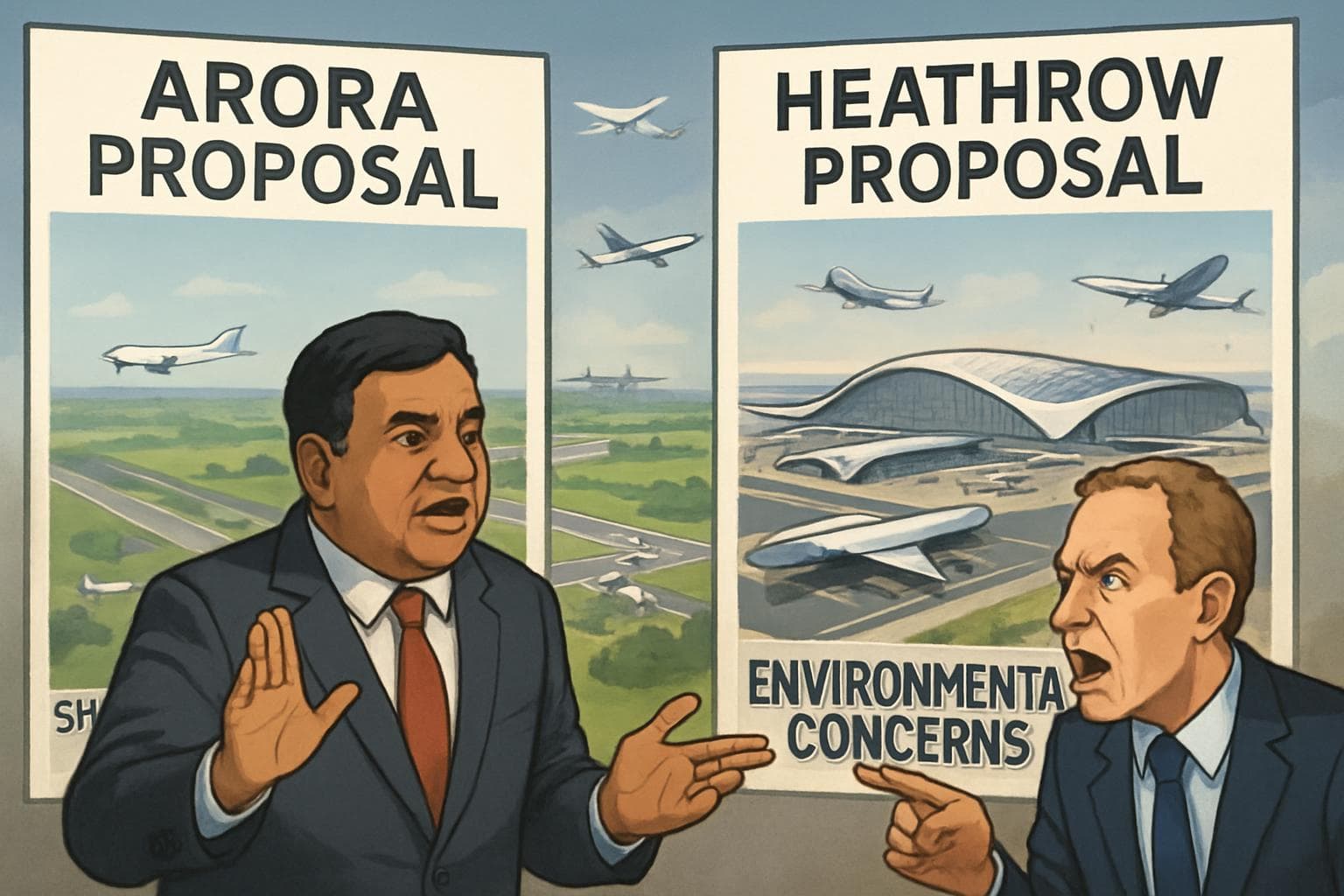
The expansion of Heathrow Airport, Europe's busiest, has taken a new turn as competing proposals vie for government approval. Surinder Arora's Arora Group has unveiled its Heathrow West proposal, challenging Heathrow Airport's £49 billion expansion plan. Both proposals aim to address the airport's capacity issues but differ significantly in approach and cost.
Competing Visions for Expansion
Arora Group's proposal focuses on a shorter, 2,800-meter runway, which it claims will minimize disruption and costs by avoiding the need to divert the M25 motorway. The plan, developed with Bechtel, estimates a cost under £25 billion and promises operational readiness by 2035. Arora, a major landowner at Heathrow, emphasized the group's track record of delivering projects on time and budget, stating, "We are delighted that the government has taken a common-sense approach to invite proposals from all interested parties."
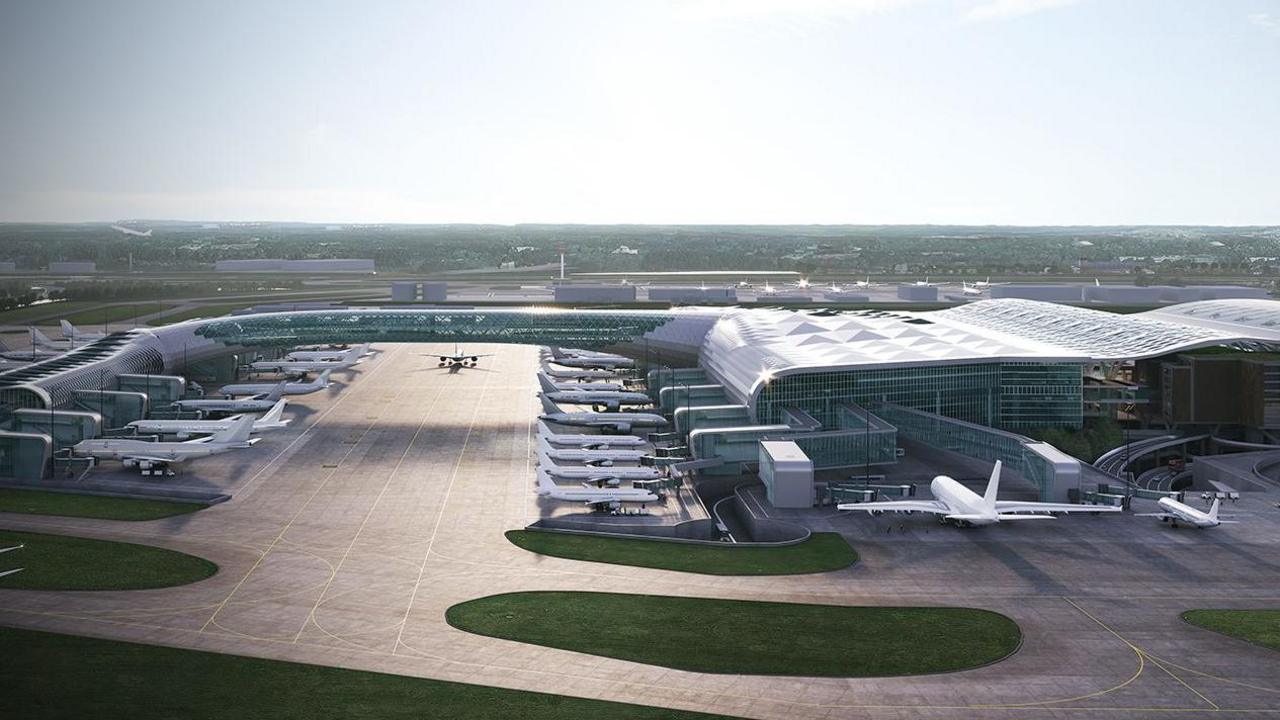
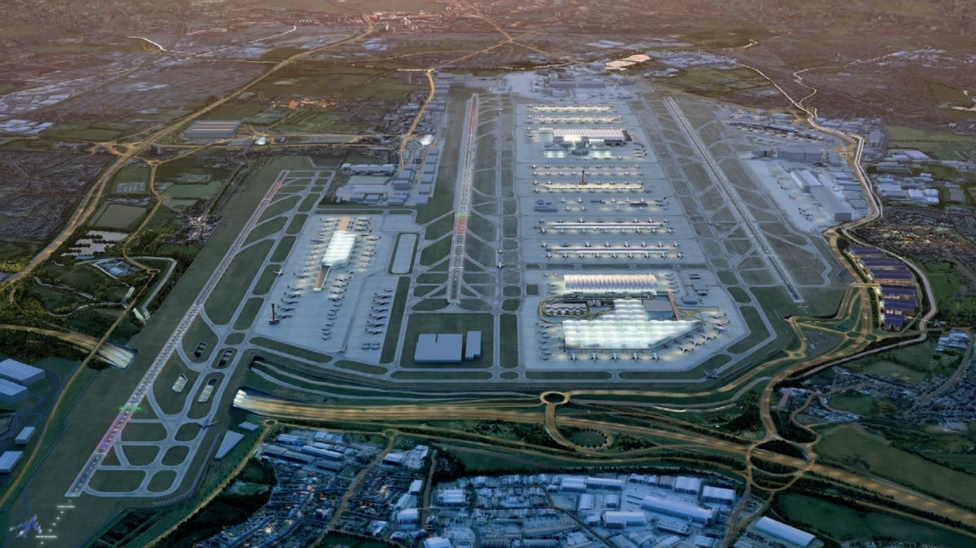
In contrast, Heathrow Airport's plan involves a 3,500-meter runway and extensive infrastructure upgrades, including a new terminal and improved transport links. The airport's CEO, Thomas Woldbye, stressed the urgency of expansion to enhance trade and connectivity, noting that the airport is currently operating at full capacity. The project, backed by private finance, aims to boost passenger capacity to 150 million annually by 2035.
Environmental and Economic Implications
The expansion plans have sparked significant environmental concerns. Campaigners argue that the additional flights would exacerbate carbon emissions, challenging the UK's climate goals. The Climate Change Committee has warned that airport expansion could breach carbon budgets unless offset by significant emission reductions elsewhere.
Despite these concerns, the expansion has garnered support from business groups and the government, which sees it as a catalyst for economic growth. Chancellor Rachel Reeves has endorsed the third runway, highlighting its potential to make Britain the world's best-connected business hub.
Government Review and Future Prospects
The UK government is currently reviewing both proposals, with a decision expected in early autumn. The outcome will determine whether Heathrow can proceed with its ambitious expansion or if Arora Group's alternative will gain traction. The decision will also consider the legal, environmental, and political contexts, with stakeholders seeking assurances on regulatory support and airspace modernization.
WHAT THIS MIGHT MEAN
As the government reviews the competing proposals, the decision will have far-reaching implications for the UK's aviation industry and environmental commitments. If Heathrow's plan is approved, it could set a precedent for large-scale infrastructure projects, potentially boosting the economy but also intensifying environmental debates. Alternatively, if Arora Group's proposal is favored, it may signal a shift towards more cost-effective and less disruptive development strategies. Regardless of the outcome, the expansion will require careful balancing of economic benefits and environmental responsibilities, with ongoing scrutiny from both industry stakeholders and environmental advocates.
Images from the Web

Related Articles

Middle East Conflict Drives UK Energy Prices to New Highs
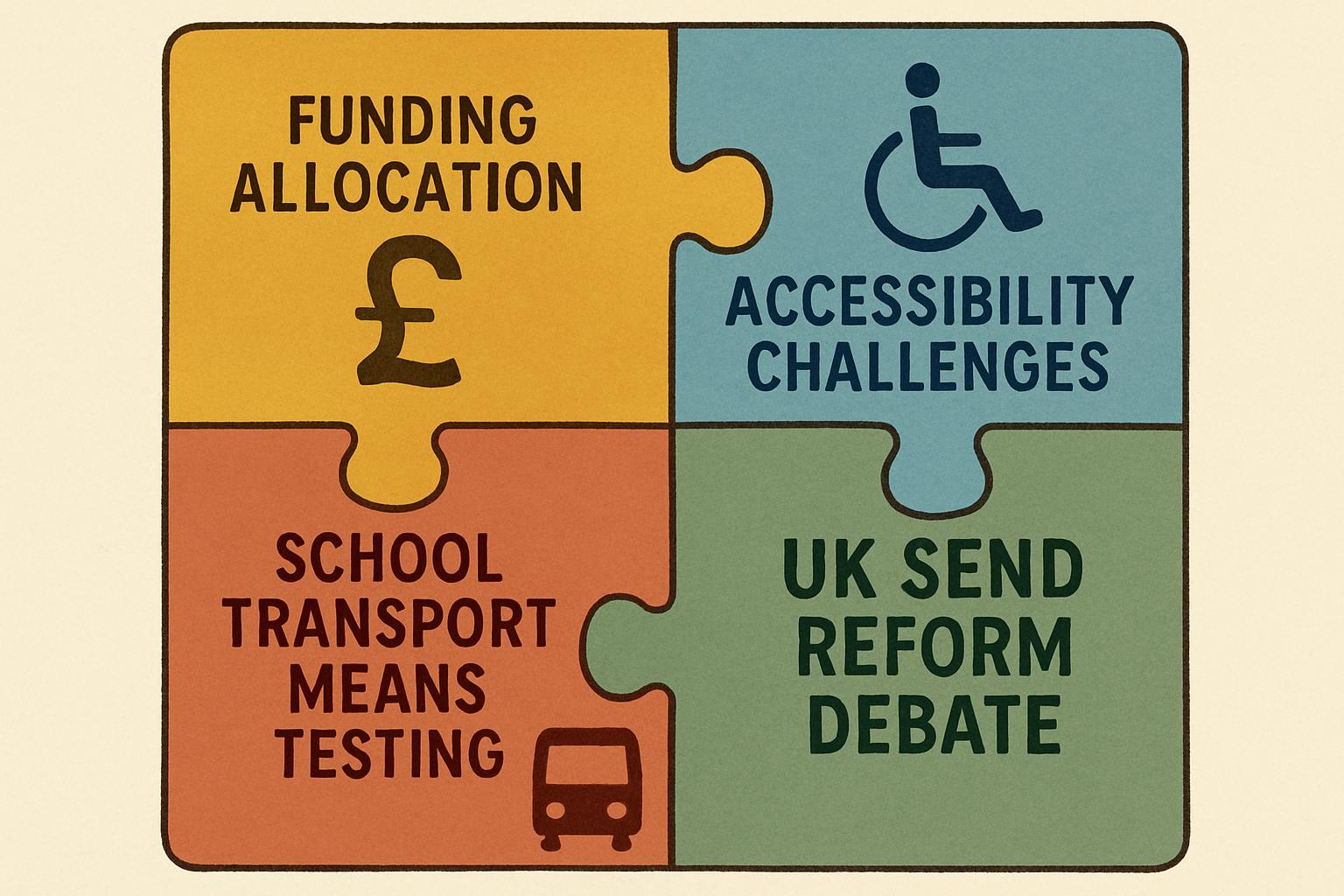
UK Government's SEND Reforms Spark Debate Over Funding and Accessibility

Government Announces £4 Billion Overhaul of SEND Support in England

UK Government Announces Major Overhaul of SEND System with £3.4 Billion Investment

Prince Andrew's Ties to Epstein Under Scrutiny Amid Calls for Inquiry

Government Criticized for Mishandling Maccabi Tel Aviv Fan Ban
Heathrow Expansion Plans Spark Debate Amid Competing Proposals
In This Article
 Leila Hassan| Published
 HIGHLIGHTS
- Surinder Arora's Arora Group has submitted a competing proposal for Heathrow's third runway, emphasizing cost efficiency and reduced disruption.
- Heathrow Airport's expansion plan, estimated at £49 billion, aims to increase capacity to 150 million passengers annually by 2035.
- Environmental concerns persist, with campaigners warning the expansion could breach the UK's carbon budgets.
- The UK government is reviewing both Heathrow's and Arora Group's proposals, with a decision expected in early autumn.
- The expansion plans are backed by significant private investment, including stakeholders from Saudi Arabia and Qatar.
The expansion of Heathrow Airport, Europe's busiest, has taken a new turn as competing proposals vie for government approval. Surinder Arora's Arora Group has unveiled its Heathrow West proposal, challenging Heathrow Airport's £49 billion expansion plan. Both proposals aim to address the airport's capacity issues but differ significantly in approach and cost.
Competing Visions for Expansion
Arora Group's proposal focuses on a shorter, 2,800-meter runway, which it claims will minimize disruption and costs by avoiding the need to divert the M25 motorway. The plan, developed with Bechtel, estimates a cost under £25 billion and promises operational readiness by 2035. Arora, a major landowner at Heathrow, emphasized the group's track record of delivering projects on time and budget, stating, "We are delighted that the government has taken a common-sense approach to invite proposals from all interested parties."
In contrast, Heathrow Airport's plan involves a 3,500-meter runway and extensive infrastructure upgrades, including a new terminal and improved transport links. The airport's CEO, Thomas Woldbye, stressed the urgency of expansion to enhance trade and connectivity, noting that the airport is currently operating at full capacity. The project, backed by private finance, aims to boost passenger capacity to 150 million annually by 2035.
Environmental and Economic Implications
The expansion plans have sparked significant environmental concerns. Campaigners argue that the additional flights would exacerbate carbon emissions, challenging the UK's climate goals. The Climate Change Committee has warned that airport expansion could breach carbon budgets unless offset by significant emission reductions elsewhere.
Despite these concerns, the expansion has garnered support from business groups and the government, which sees it as a catalyst for economic growth. Chancellor Rachel Reeves has endorsed the third runway, highlighting its potential to make Britain the world's best-connected business hub.
Government Review and Future Prospects
The UK government is currently reviewing both proposals, with a decision expected in early autumn. The outcome will determine whether Heathrow can proceed with its ambitious expansion or if Arora Group's alternative will gain traction. The decision will also consider the legal, environmental, and political contexts, with stakeholders seeking assurances on regulatory support and airspace modernization.
WHAT THIS MIGHT MEAN
As the government reviews the competing proposals, the decision will have far-reaching implications for the UK's aviation industry and environmental commitments. If Heathrow's plan is approved, it could set a precedent for large-scale infrastructure projects, potentially boosting the economy but also intensifying environmental debates. Alternatively, if Arora Group's proposal is favored, it may signal a shift towards more cost-effective and less disruptive development strategies. Regardless of the outcome, the expansion will require careful balancing of economic benefits and environmental responsibilities, with ongoing scrutiny from both industry stakeholders and environmental advocates.
Images from the Web
Related Articles
Middle East Conflict Drives UK Energy Prices to New Highs
UK Government's SEND Reforms Spark Debate Over Funding and Accessibility
Government Announces £4 Billion Overhaul of SEND Support in England
UK Government Announces Major Overhaul of SEND System with £3.4 Billion Investment
Prince Andrew's Ties to Epstein Under Scrutiny Amid Calls for Inquiry
Government Criticized for Mishandling Maccabi Tel Aviv Fan Ban