
Heathrow Airport's Crowding Issue: A Matter of Direction, Not Density
In This Article
HIGHLIGHTS
- Heathrow Airport's Terminal 5 feels crowded due to travelers walking on different sides, not actual congestion.
- CEO Thomas Woldbye highlights the need for better passenger management to prevent collisions.
- The proposed third runway could increase capacity to 150 million passengers annually, but faces environmental opposition.
- Heathrow is investing in sustainable aviation fuel to align with the UK's 2050 net zero targets.
- Despite expansion plans, Heathrow may lose market share to faster-growing international hubs.
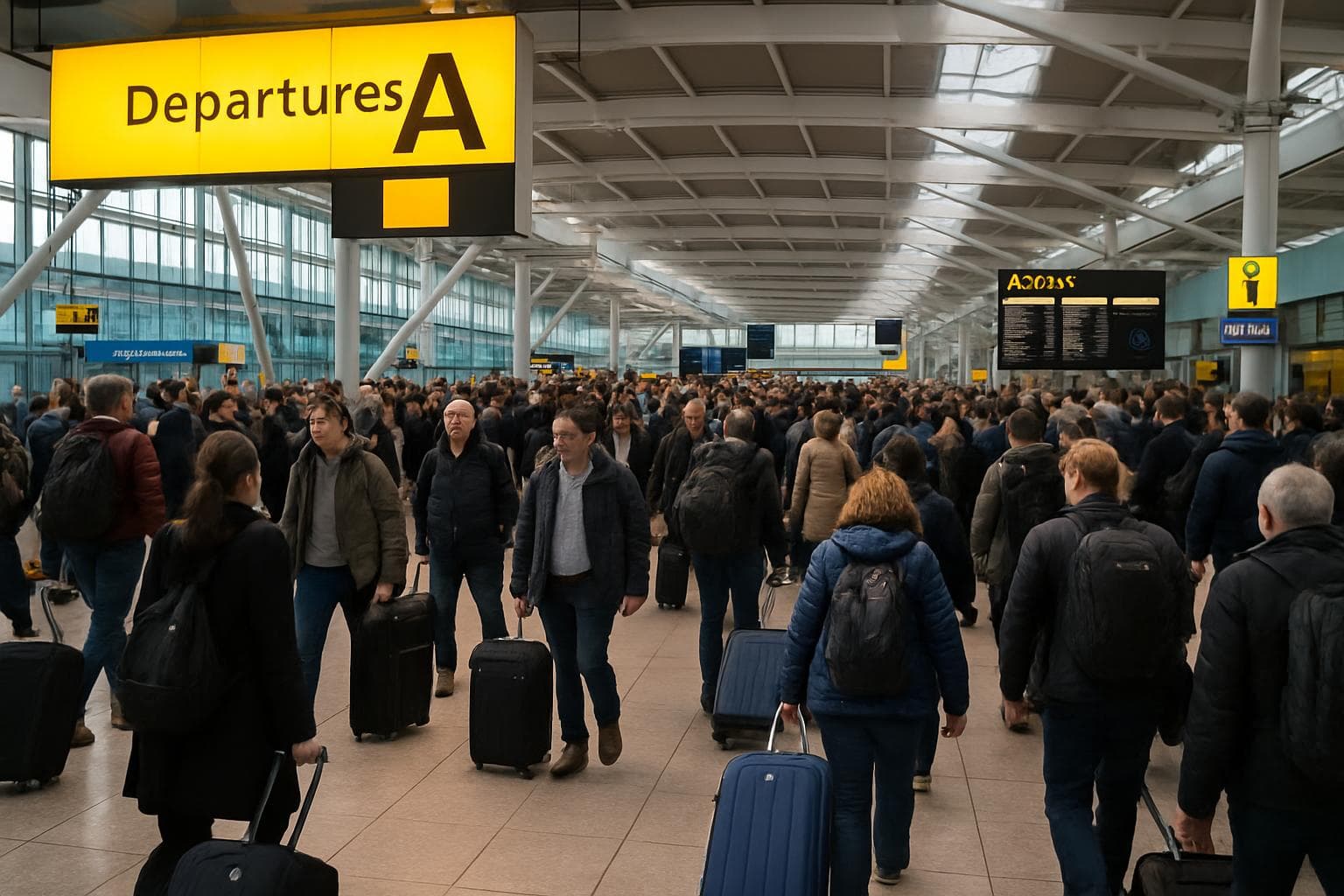
Heathrow Airport, the UK's busiest aviation hub, is grappling with a unique crowding issue at its Terminal 5. According to CEO Thomas Woldbye, the perceived congestion is not due to the number of passengers but rather the differing walking habits of British and European travelers. Speaking at the Aviation Club UK, Woldbye explained that British travelers tend to keep to the left, while Europeans keep to the right, leading to frequent collisions and a sense of overcrowding.
Passenger Management Challenges
Woldbye emphasized the importance of improving passenger management to address this issue. "We just need to make sure that everybody going this way keeps to the left and this way to the right," he stated, suggesting that better organization could alleviate the problem. This approach is part of a broader strategy to enhance the airport experience without relying solely on physical expansion.
Expansion Plans and Environmental Concerns
Heathrow's plans to build a third runway, which could boost its capacity to 150 million passengers annually, have been met with mixed reactions. While the UK government supports the expansion for economic growth, environmentalists and local residents oppose it due to potential ecological impacts. The airport is also exploring sustainable aviation fuel (SAF) to mitigate environmental concerns, aiming to exceed national SAF mandates by 2026.
Competitive Pressures
Despite these efforts, Woldbye warned that Heathrow might lose market share to international competitors over the next decade. The airport's expansion plans include additional satellite terminals and increased flight capacity, but rival hubs are expected to grow at a faster pace. Heathrow's commitment to sustainable practices, such as investing in SAF, is part of its strategy to remain competitive while addressing climate goals.
WHAT THIS MIGHT MEAN
As Heathrow Airport navigates its crowding and expansion challenges, the focus on passenger management and sustainable practices will be crucial. If successful, these strategies could enhance the airport's efficiency and environmental credentials. However, the expansion's environmental impact remains a contentious issue, potentially delaying progress. In the competitive landscape, Heathrow's ability to innovate and adapt will determine its future market position, especially as global hubs continue to expand rapidly.
Related Articles
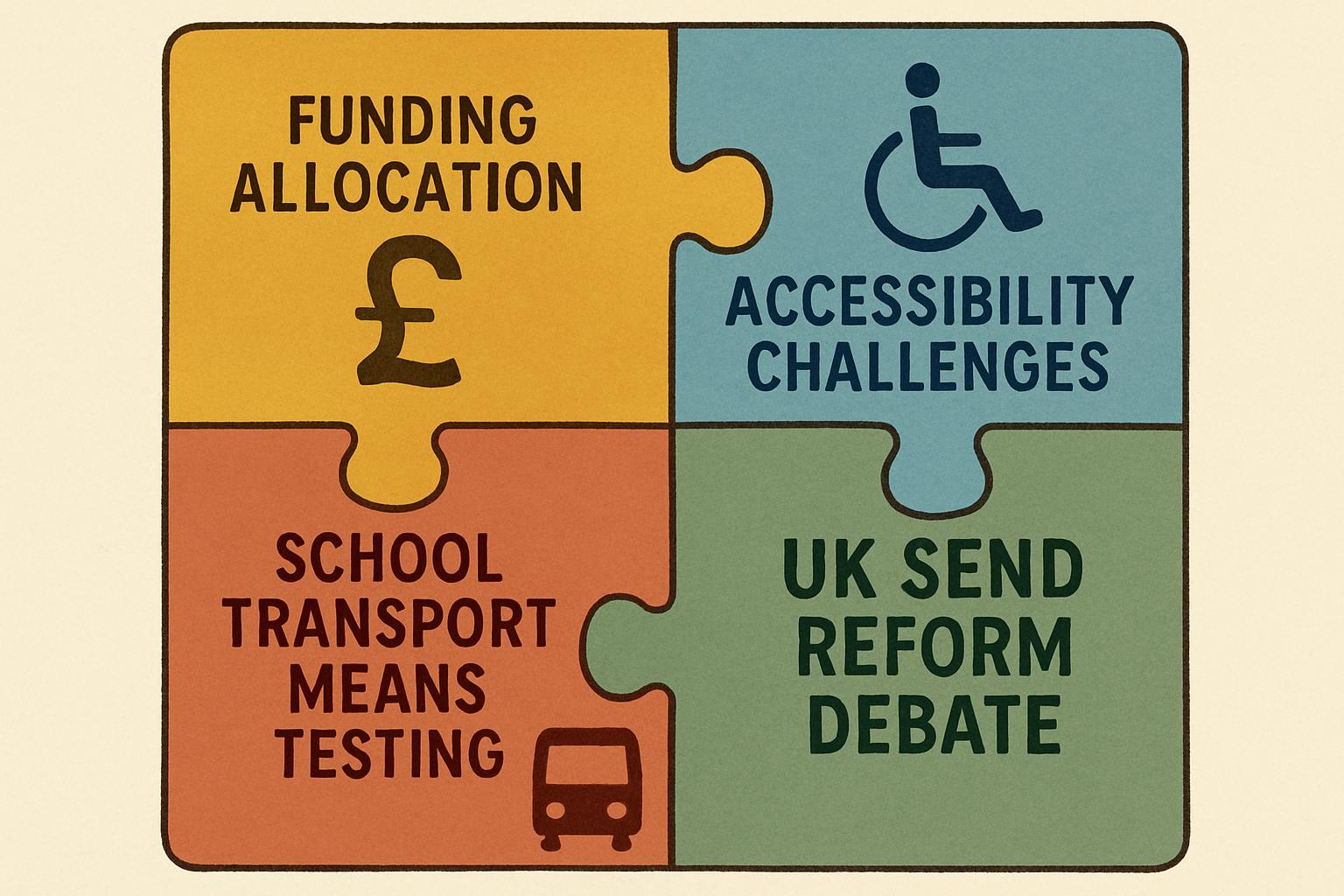
UK Government's SEND Reforms Spark Debate Over Funding and Accessibility
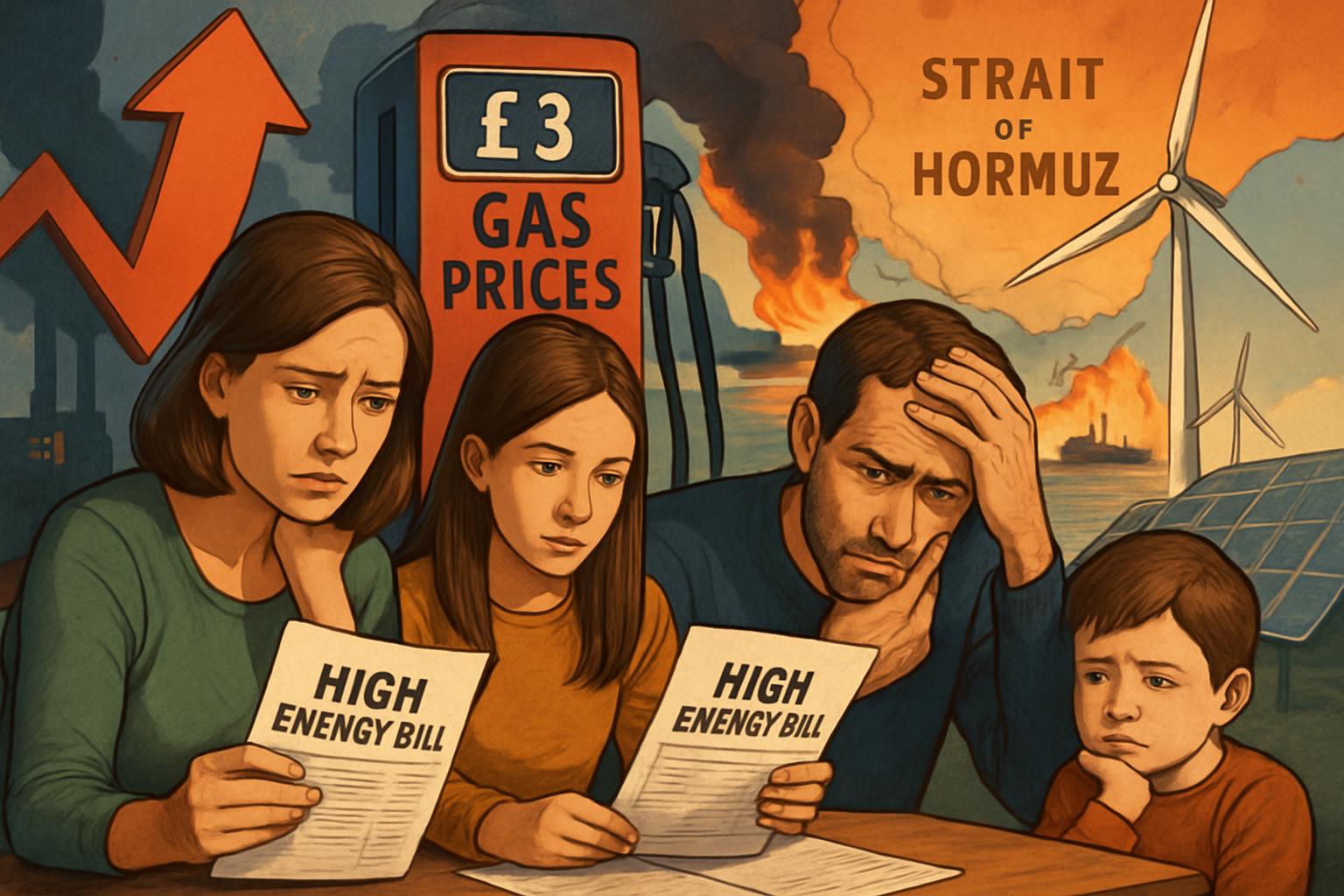
Middle East Conflict Drives UK Energy Prices to New Highs

Government Announces £4 Billion Overhaul of SEND Support in England

UK Government Announces Major Overhaul of SEND System with £3.4 Billion Investment

Prince Andrew's Ties to Epstein Under Scrutiny Amid Calls for Inquiry

Government Criticized for Mishandling Maccabi Tel Aviv Fan Ban
Heathrow Airport's Crowding Issue: A Matter of Direction, Not Density
In This Article
 Leila Hassan| Published
 HIGHLIGHTS
- Heathrow Airport's Terminal 5 feels crowded due to travelers walking on different sides, not actual congestion.
- CEO Thomas Woldbye highlights the need for better passenger management to prevent collisions.
- The proposed third runway could increase capacity to 150 million passengers annually, but faces environmental opposition.
- Heathrow is investing in sustainable aviation fuel to align with the UK's 2050 net zero targets.
- Despite expansion plans, Heathrow may lose market share to faster-growing international hubs.
Heathrow Airport, the UK's busiest aviation hub, is grappling with a unique crowding issue at its Terminal 5. According to CEO Thomas Woldbye, the perceived congestion is not due to the number of passengers but rather the differing walking habits of British and European travelers. Speaking at the Aviation Club UK, Woldbye explained that British travelers tend to keep to the left, while Europeans keep to the right, leading to frequent collisions and a sense of overcrowding.
Passenger Management Challenges
Woldbye emphasized the importance of improving passenger management to address this issue. "We just need to make sure that everybody going this way keeps to the left and this way to the right," he stated, suggesting that better organization could alleviate the problem. This approach is part of a broader strategy to enhance the airport experience without relying solely on physical expansion.
Expansion Plans and Environmental Concerns
Heathrow's plans to build a third runway, which could boost its capacity to 150 million passengers annually, have been met with mixed reactions. While the UK government supports the expansion for economic growth, environmentalists and local residents oppose it due to potential ecological impacts. The airport is also exploring sustainable aviation fuel (SAF) to mitigate environmental concerns, aiming to exceed national SAF mandates by 2026.
Competitive Pressures
Despite these efforts, Woldbye warned that Heathrow might lose market share to international competitors over the next decade. The airport's expansion plans include additional satellite terminals and increased flight capacity, but rival hubs are expected to grow at a faster pace. Heathrow's commitment to sustainable practices, such as investing in SAF, is part of its strategy to remain competitive while addressing climate goals.
WHAT THIS MIGHT MEAN
As Heathrow Airport navigates its crowding and expansion challenges, the focus on passenger management and sustainable practices will be crucial. If successful, these strategies could enhance the airport's efficiency and environmental credentials. However, the expansion's environmental impact remains a contentious issue, potentially delaying progress. In the competitive landscape, Heathrow's ability to innovate and adapt will determine its future market position, especially as global hubs continue to expand rapidly.
Related Articles
UK Government's SEND Reforms Spark Debate Over Funding and Accessibility
Middle East Conflict Drives UK Energy Prices to New Highs
Government Announces £4 Billion Overhaul of SEND Support in England
UK Government Announces Major Overhaul of SEND System with £3.4 Billion Investment
Prince Andrew's Ties to Epstein Under Scrutiny Amid Calls for Inquiry
Government Criticized for Mishandling Maccabi Tel Aviv Fan Ban