
High Court Rules Against Police Participation in Pride March

In This Article
HIGHLIGHTS
- A High Court ruling deemed Northumbria Police's participation in a Pride march in uniform as unlawful, citing a breach of impartiality.
- The case was brought by Lindsey Smith, a gender-critical activist, who argued that the police's involvement showed bias towards transgender rights.
- The court found that Chief Constable Vanessa Jardine's decision to allow uniformed officers to march was "irrational" and outside reasonable decision-making.
- Northumbria Police defended its actions, emphasizing the importance of visibility and engagement with the LGBT community.
- Moving forward, only off-duty officers will be allowed to participate in Pride events, and they will not wear uniforms.
A recent High Court decision has sparked debate over the role of police in public events, ruling that Northumbria Police's participation in last year's Newcastle Pride march was unlawful. The judgment, delivered by Mr Justice Linden, found that the force's decision to allow uniformed officers to join the event breached their duty of impartiality.
Background of the Case
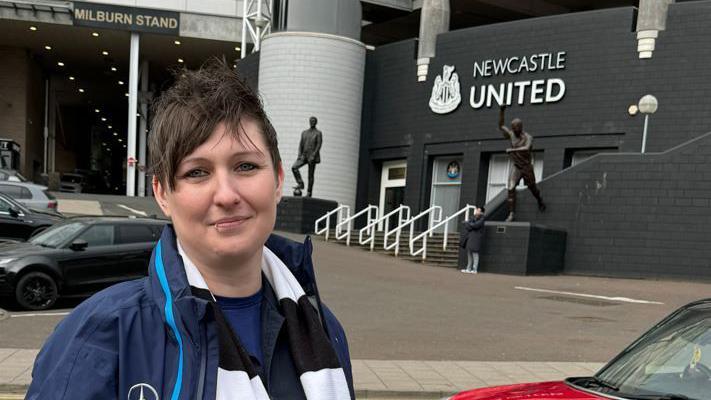
The legal challenge was initiated by Lindsey Smith, a self-described gender-critical lesbian from Newcastle. Smith argued that the police's involvement in the Pride march, which prominently featured transgender rights advocacy, compromised their ability to remain neutral in potential disputes involving gender ideology. Her lawyers contended that the presence of uniformed officers, some displaying Pride flags, aligned the force with a controversial political stance.
Court's Findings and Police Response
The court sided with Smith, describing Chief Constable Vanessa Jardine's decision as "irrational" and beyond the scope of reasonable choices. The ruling emphasized that police must maintain impartiality, especially when participating in events that could be perceived as politically charged.
In response, Northumbria Police expressed their commitment to understanding the ruling's implications while maintaining their values of fairness and community support. The force highlighted the importance of engaging with the LGBT community to build trust and ensure safety. Moving forward, only off-duty officers will be allowed to participate in Pride events, and they will not wear uniforms.
Implications for Policing and Public Events
The ruling has prompted a broader discussion among police chiefs nationwide, with concerns about the potential impact on police participation in various community and commemorative events. Some officials worry that the decision could restrict police representation at events like Remembrance parades or religious celebrations if objections arise.
Perspectives on the Ruling
While some view the judgment as a necessary reinforcement of police impartiality, others argue it could hinder efforts to foster positive relationships with marginalized communities. Chief Constable Gavin Stephens, chair of the National Police Chiefs' Council, stated that the ruling would be communicated to forces across the country to ensure compliance and clarity.
WHAT THIS MIGHT MEAN
The High Court's decision may lead to significant changes in how police forces engage with public events, particularly those with political or social implications. As forces reassess their policies, there could be increased scrutiny on the balance between community engagement and maintaining impartiality. Legal experts suggest that this ruling might set a precedent for future cases, potentially influencing police participation in a wide range of events. Policymakers and police leaders will need to navigate these complexities to uphold public trust while respecting diverse community perspectives.
Images from the Web
Related Articles
High Court Upholds Met Police's Freemasons Disclosure Policy
High Court Rules Palestine Action Ban Unlawful, Government to Appeal
University of Sussex Challenges Record Fine Over Free Speech Allegations
Noel Clarke Arrested Over 2007 Attempted Rape Allegation
US Investigator Admits to Privacy Breaches for UK Tabloids in High-Profile Legal Case
Facial Recognition Technology Faces Legal and Ethical Challenges in the UK and US
High Court Rules Against Police Participation in Pride March
In This Article
 Sofia Romano| Published
 HIGHLIGHTS
- A High Court ruling deemed Northumbria Police's participation in a Pride march in uniform as unlawful, citing a breach of impartiality.
- The case was brought by Lindsey Smith, a gender-critical activist, who argued that the police's involvement showed bias towards transgender rights.
- The court found that Chief Constable Vanessa Jardine's decision to allow uniformed officers to march was "irrational" and outside reasonable decision-making.
- Northumbria Police defended its actions, emphasizing the importance of visibility and engagement with the LGBT community.
- Moving forward, only off-duty officers will be allowed to participate in Pride events, and they will not wear uniforms.
A recent High Court decision has sparked debate over the role of police in public events, ruling that Northumbria Police's participation in last year's Newcastle Pride march was unlawful. The judgment, delivered by Mr Justice Linden, found that the force's decision to allow uniformed officers to join the event breached their duty of impartiality.
Background of the Case
The legal challenge was initiated by Lindsey Smith, a self-described gender-critical lesbian from Newcastle. Smith argued that the police's involvement in the Pride march, which prominently featured transgender rights advocacy, compromised their ability to remain neutral in potential disputes involving gender ideology. Her lawyers contended that the presence of uniformed officers, some displaying Pride flags, aligned the force with a controversial political stance.
Court's Findings and Police Response
The court sided with Smith, describing Chief Constable Vanessa Jardine's decision as "irrational" and beyond the scope of reasonable choices. The ruling emphasized that police must maintain impartiality, especially when participating in events that could be perceived as politically charged.
In response, Northumbria Police expressed their commitment to understanding the ruling's implications while maintaining their values of fairness and community support. The force highlighted the importance of engaging with the LGBT community to build trust and ensure safety. Moving forward, only off-duty officers will be allowed to participate in Pride events, and they will not wear uniforms.
Implications for Policing and Public Events
The ruling has prompted a broader discussion among police chiefs nationwide, with concerns about the potential impact on police participation in various community and commemorative events. Some officials worry that the decision could restrict police representation at events like Remembrance parades or religious celebrations if objections arise.
Perspectives on the Ruling
While some view the judgment as a necessary reinforcement of police impartiality, others argue it could hinder efforts to foster positive relationships with marginalized communities. Chief Constable Gavin Stephens, chair of the National Police Chiefs' Council, stated that the ruling would be communicated to forces across the country to ensure compliance and clarity.
WHAT THIS MIGHT MEAN
The High Court's decision may lead to significant changes in how police forces engage with public events, particularly those with political or social implications. As forces reassess their policies, there could be increased scrutiny on the balance between community engagement and maintaining impartiality. Legal experts suggest that this ruling might set a precedent for future cases, potentially influencing police participation in a wide range of events. Policymakers and police leaders will need to navigate these complexities to uphold public trust while respecting diverse community perspectives.
Images from the Web
Related Articles
High Court Upholds Met Police's Freemasons Disclosure Policy
High Court Rules Palestine Action Ban Unlawful, Government to Appeal
University of Sussex Challenges Record Fine Over Free Speech Allegations
Noel Clarke Arrested Over 2007 Attempted Rape Allegation
US Investigator Admits to Privacy Breaches for UK Tabloids in High-Profile Legal Case
Facial Recognition Technology Faces Legal and Ethical Challenges in the UK and US