
Facial Recognition Technology Faces Legal and Ethical Challenges in the UK and US
In This Article
HIGHLIGHTS
- The Met Police's use of live facial recognition (LFR) technology is under legal scrutiny due to privacy concerns and potential discriminatory use.
- Home Secretary Shabana Mahmood plans to expand facial recognition across England and Wales, increasing the number of vans from 10 to 50.
- In the US, ICE's use of the Mobile Fortify app for facial recognition has sparked legal challenges and protests over privacy and civil liberties.
- Critics argue that facial recognition technology has higher error rates for women and people of color, raising concerns about misidentification.
- A lawsuit in Illinois challenges the Department of Homeland Security's use of Mobile Fortify, claiming it exceeds congressional limits on biometric data collection.
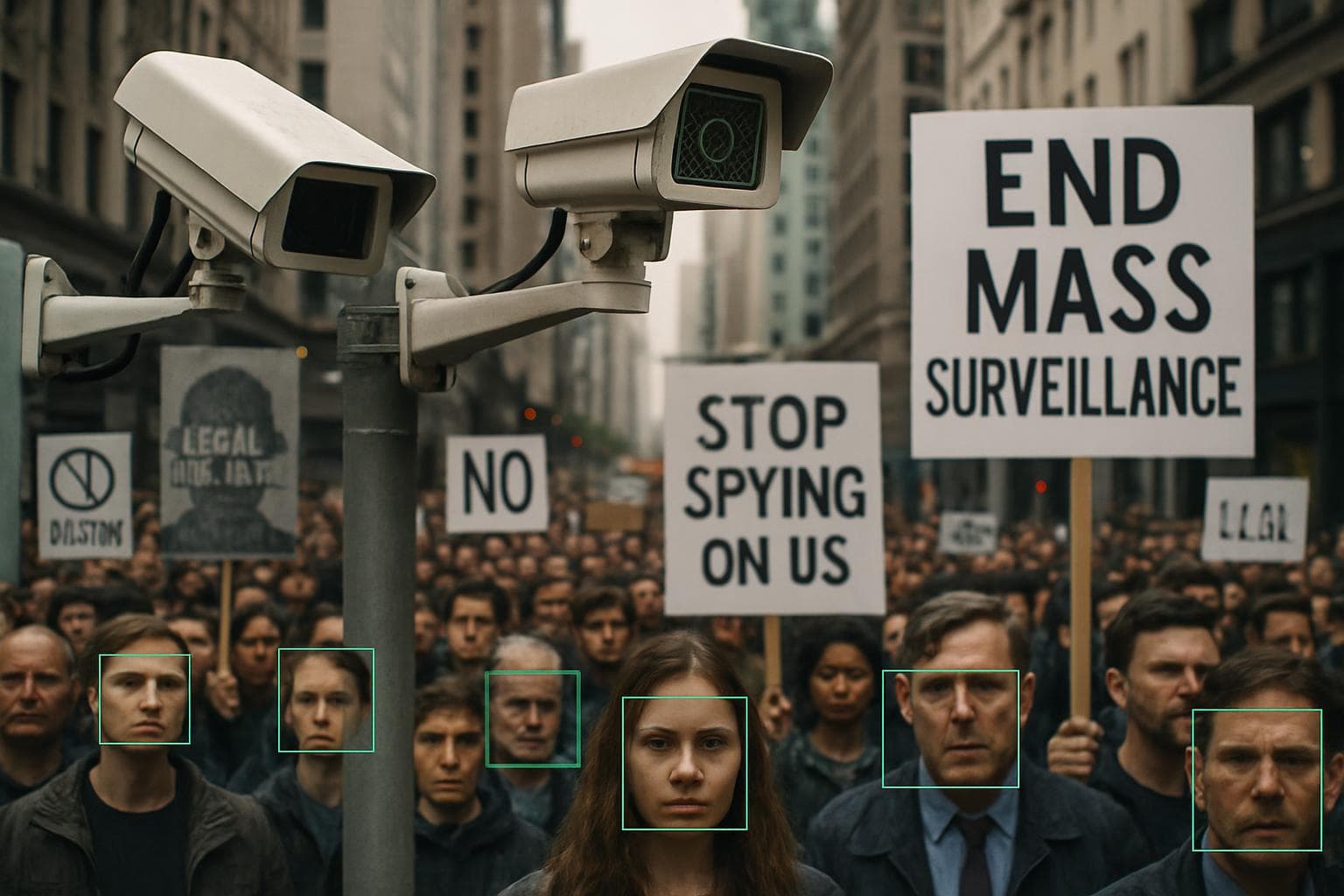
The use of facial recognition technology by law enforcement agencies is facing increasing legal and ethical scrutiny in both the UK and the US. In London, the Metropolitan Police's deployment of live facial recognition (LFR) technology is being challenged in the High Court by campaigners who argue that it lacks adequate safeguards and poses significant privacy risks. The case highlights concerns that the technology could lead to arbitrary and discriminatory practices, making it difficult for Londoners to travel without being scanned.
The legal challenge comes as Home Secretary Shabana Mahmood pushes forward with plans to expand facial recognition capabilities across England and Wales. The proposal includes increasing the number of facial recognition vans from 10 to 50, despite ongoing consultations. Dan Squires KC, representing the campaigners, emphasized the exponential increase in LFR use, citing that the Met Police deployed the technology 231 times in 2025, scanning approximately four million faces. He warned that without strict limits, it would be impossible for people to move across London without their biometric data being collected.
In the US, the Department of Homeland Security's use of the Mobile Fortify app by Immigration and Customs Enforcement (ICE) has sparked controversy. The app allows agents to scan faces and access data from multiple databases, raising concerns about privacy and civil liberties. Critics, including Nathan Freed Wessler from the ACLU, argue that the app's use in high-pressure situations increases the likelihood of false matches, particularly affecting women and people of color. A lawsuit in Illinois challenges the app's use, claiming it exceeds congressional limits on biometric data collection.
Protests and legal actions have emerged in response to ICE's use of facial recognition technology, with Democratic lawmakers introducing a bill to ban the use of such apps by the Department of Homeland Security, except at points of entry. The DHS maintains that Mobile Fortify does not infringe on constitutional rights or privacy.
WHAT THIS MIGHT MEAN
The ongoing legal challenges and public backlash against facial recognition technology in both the UK and US could lead to significant policy changes. In the UK, the High Court's decision could set a precedent for how LFR technology is regulated, potentially influencing future deployments by law enforcement agencies. If the court rules in favor of the campaigners, it may prompt stricter guidelines and oversight.
In the US, the outcome of the Illinois lawsuit and the proposed congressional bill could reshape the use of facial recognition by federal agencies. A successful legal challenge or legislative action might restrict the use of apps like Mobile Fortify, emphasizing the need for transparency and accountability in biometric data collection. As public awareness and concern grow, governments may face increasing pressure to balance security needs with the protection of civil liberties and privacy rights.
Related Articles

Tech Giants Pledge to Cover AI Data Center Energy Costs Amid Rising Electricity Concerns

Labour MP's Husband Arrested in UK-China Espionage Probe

Saharan Dust to Illuminate UK Skies with Vivid Sunrises and Sunsets

Canada and Australia Forge Strategic Partnership Amid Global Uncertainty
UK Government to Reform Asylum Seeker Support and Employment Policies

Middle East Conflict Drives UK Energy Prices to New Highs
Facial Recognition Technology Faces Legal and Ethical Challenges in the UK and US
In This Article
 Himanshu Kaushik| Published
 HIGHLIGHTS
- The Met Police's use of live facial recognition (LFR) technology is under legal scrutiny due to privacy concerns and potential discriminatory use.
- Home Secretary Shabana Mahmood plans to expand facial recognition across England and Wales, increasing the number of vans from 10 to 50.
- In the US, ICE's use of the Mobile Fortify app for facial recognition has sparked legal challenges and protests over privacy and civil liberties.
- Critics argue that facial recognition technology has higher error rates for women and people of color, raising concerns about misidentification.
- A lawsuit in Illinois challenges the Department of Homeland Security's use of Mobile Fortify, claiming it exceeds congressional limits on biometric data collection.
The use of facial recognition technology by law enforcement agencies is facing increasing legal and ethical scrutiny in both the UK and the US. In London, the Metropolitan Police's deployment of live facial recognition (LFR) technology is being challenged in the High Court by campaigners who argue that it lacks adequate safeguards and poses significant privacy risks. The case highlights concerns that the technology could lead to arbitrary and discriminatory practices, making it difficult for Londoners to travel without being scanned.
The legal challenge comes as Home Secretary Shabana Mahmood pushes forward with plans to expand facial recognition capabilities across England and Wales. The proposal includes increasing the number of facial recognition vans from 10 to 50, despite ongoing consultations. Dan Squires KC, representing the campaigners, emphasized the exponential increase in LFR use, citing that the Met Police deployed the technology 231 times in 2025, scanning approximately four million faces. He warned that without strict limits, it would be impossible for people to move across London without their biometric data being collected.
In the US, the Department of Homeland Security's use of the Mobile Fortify app by Immigration and Customs Enforcement (ICE) has sparked controversy. The app allows agents to scan faces and access data from multiple databases, raising concerns about privacy and civil liberties. Critics, including Nathan Freed Wessler from the ACLU, argue that the app's use in high-pressure situations increases the likelihood of false matches, particularly affecting women and people of color. A lawsuit in Illinois challenges the app's use, claiming it exceeds congressional limits on biometric data collection.
Protests and legal actions have emerged in response to ICE's use of facial recognition technology, with Democratic lawmakers introducing a bill to ban the use of such apps by the Department of Homeland Security, except at points of entry. The DHS maintains that Mobile Fortify does not infringe on constitutional rights or privacy.
WHAT THIS MIGHT MEAN
The ongoing legal challenges and public backlash against facial recognition technology in both the UK and US could lead to significant policy changes. In the UK, the High Court's decision could set a precedent for how LFR technology is regulated, potentially influencing future deployments by law enforcement agencies. If the court rules in favor of the campaigners, it may prompt stricter guidelines and oversight.
In the US, the outcome of the Illinois lawsuit and the proposed congressional bill could reshape the use of facial recognition by federal agencies. A successful legal challenge or legislative action might restrict the use of apps like Mobile Fortify, emphasizing the need for transparency and accountability in biometric data collection. As public awareness and concern grow, governments may face increasing pressure to balance security needs with the protection of civil liberties and privacy rights.
Related Articles
Tech Giants Pledge to Cover AI Data Center Energy Costs Amid Rising Electricity Concerns
Labour MP's Husband Arrested in UK-China Espionage Probe
Saharan Dust to Illuminate UK Skies with Vivid Sunrises and Sunsets
Canada and Australia Forge Strategic Partnership Amid Global Uncertainty
UK Government to Reform Asylum Seeker Support and Employment Policies
Middle East Conflict Drives UK Energy Prices to New Highs