
Home Secretary Loses Confidence in West Midlands Police Chief Over Israeli Fans Ban
In This Article
HIGHLIGHTS
- Home Secretary Shabana Mahmood has expressed a lack of confidence in West Midlands Police Chief Constable Craig Guildford following a report on the Maccabi Tel Aviv fans ban.
- The report, led by Sir Andy Cooke, highlighted "confirmation bias" and inaccuracies in the intelligence used to justify the ban.
- Mahmood is advocating for legislative changes to allow home secretaries to dismiss chief constables, a power currently held by local police commissioners.
- The report found no evidence of antisemitism but criticized the force for insufficient engagement with the Jewish community.
- Guildford admitted to errors in intelligence gathering, including the use of AI, and faces a meeting with Police and Crime Commissioner Simon Foster on January 27.
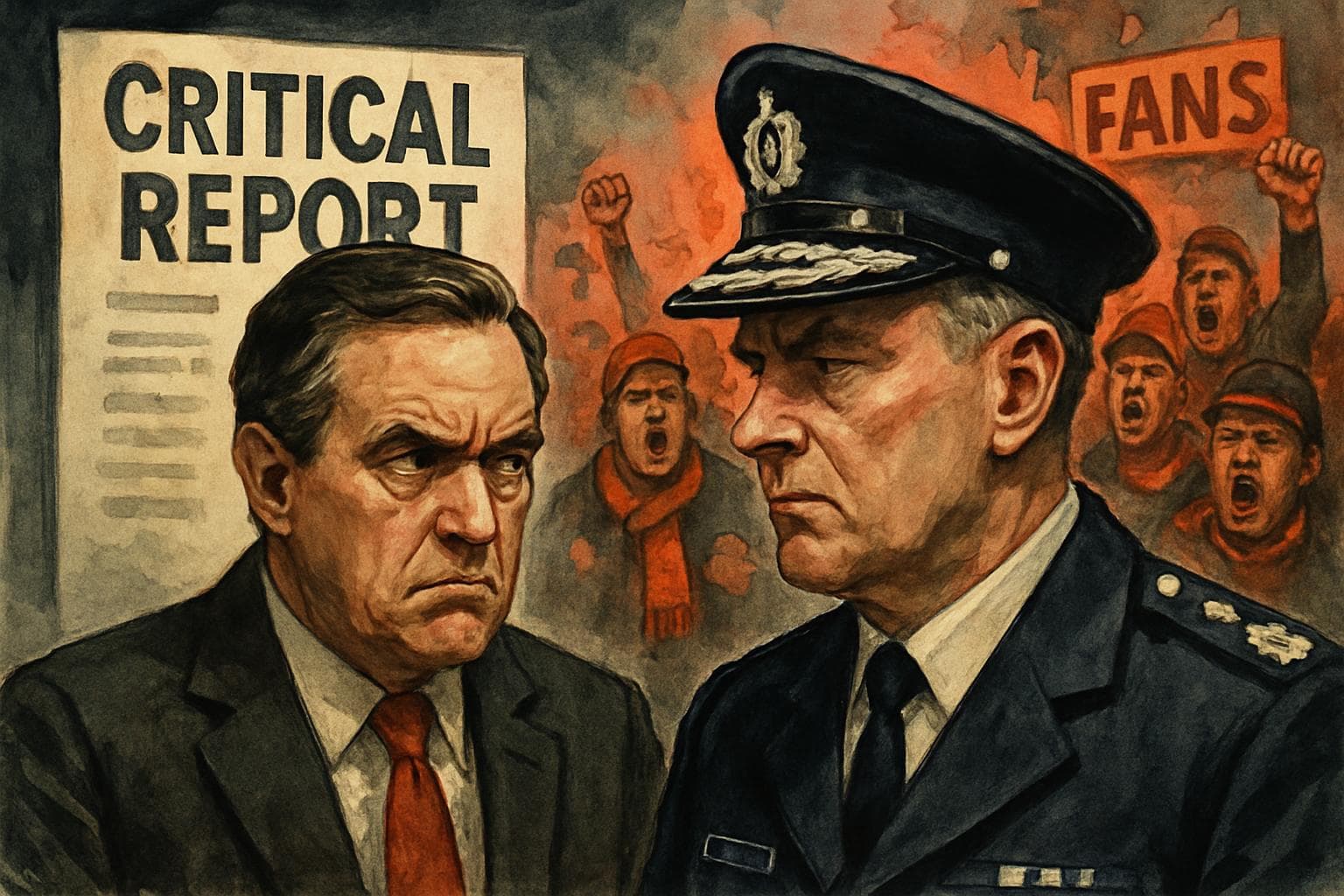
Home Secretary Shabana Mahmood has publicly declared her loss of confidence in West Midlands Police Chief Constable Craig Guildford following a critical report on the ban of Maccabi Tel Aviv fans from a football match against Aston Villa. The report, commissioned by Mahmood and conducted by His Majesty's Chief Inspector of Constabulary Sir Andy Cooke, revealed significant flaws in the intelligence process that led to the controversial decision.
Damning Report Unveils Intelligence Failures
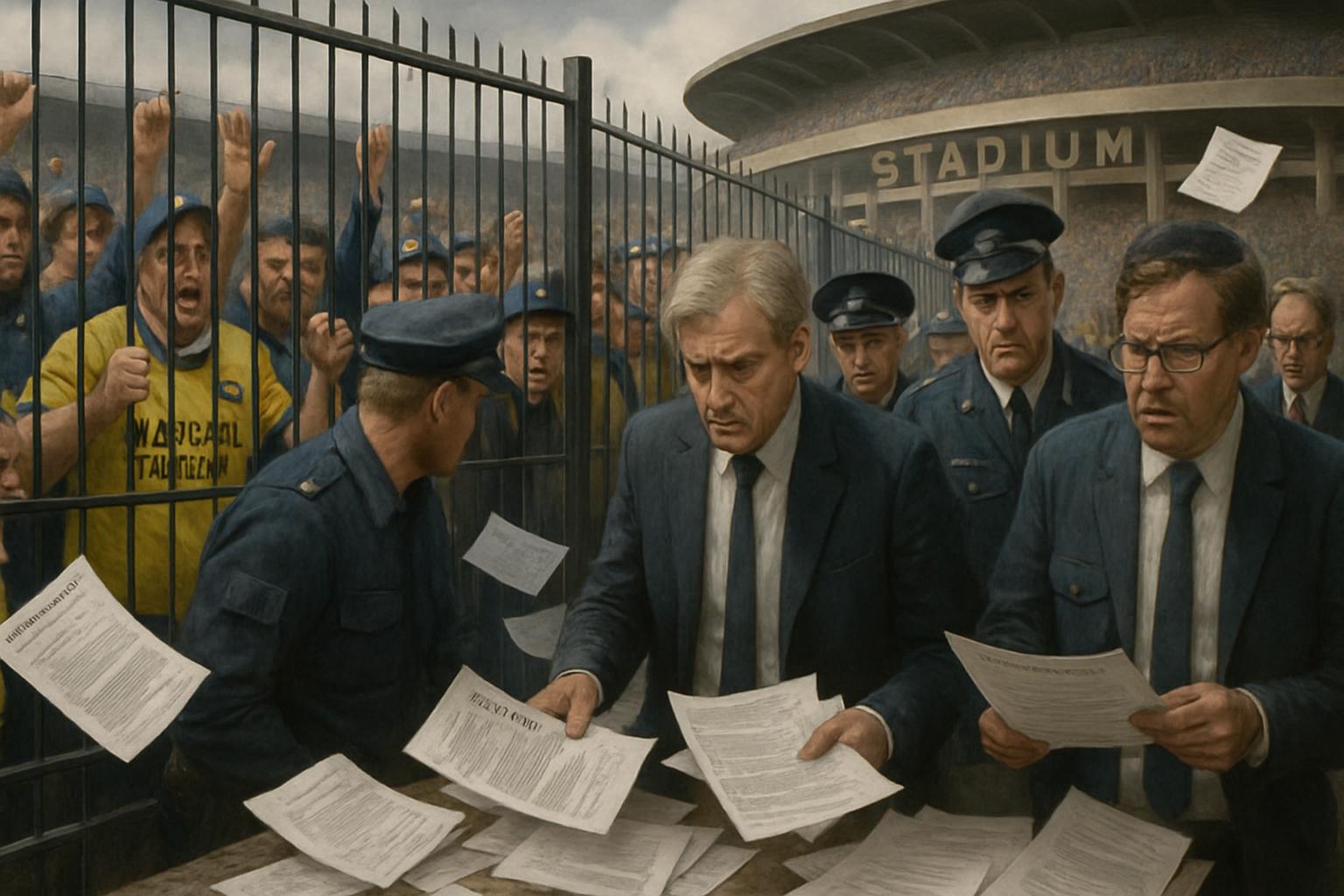
The inquiry found that the intelligence used to justify the ban was exaggerated and, in some cases, untrue. Sir Andy Cooke's report pointed to "confirmation bias" within the force, where officers sought evidence to support a predetermined conclusion rather than objectively assessing the situation. This approach led to overstating the threat posed by Maccabi Tel Aviv fans while downplaying the risks to Israeli fans traveling to the area.
Calls for Legislative Changes
Mahmood, addressing MPs, criticized the "failure of leadership" within West Midlands Police, which she said has damaged public confidence. She is now advocating for legislative changes to restore the power of home secretaries to dismiss chief constables, a power currently held by local Police and Crime Commissioners. Mahmood emphasized the need for accountability, stating, "The ultimate responsibility for the force’s failure rests with the chief constable."
AI and Intelligence Gathering
Chief Constable Guildford admitted to errors in the intelligence process, including the use of AI tools that contributed to the misinformation. Initially denying the use of AI, Guildford later acknowledged that Microsoft Copilot had been used, leading to inaccuracies such as the mention of a non-existent match between Tel Aviv and West Ham. Guildford has issued a "profound apology" for these mistakes.
Community Engagement Criticized
The report also criticized the force for insufficient engagement with the Jewish community prior to the decision. Mahmood highlighted this lack of communication as a significant oversight, further eroding trust in the police. Despite the report's findings, it did not conclude that the force was motivated by antisemitism.
WHAT THIS MIGHT MEAN
The upcoming meeting on January 27 between Chief Constable Guildford and Police and Crime Commissioner Simon Foster could determine Guildford's future with West Midlands Police. Foster, who holds the authority to dismiss Guildford, has indicated a cautious approach, preferring to take time before making a decision. Meanwhile, Mahmood's push for legislative changes could reignite debates over the balance of power between local and national authorities in policing oversight. As the situation unfolds, the focus will likely remain on restoring public confidence and ensuring accountability within the police force.
Images from the Web

Related Articles

West Midlands Police Vows to Rebuild Trust After Controversial Fan Ban
Government Criticized for Mishandling Maccabi Tel Aviv Fan Ban

UK Government to Reform Asylum Seeker Support and Employment Policies

Surge in Antisemitic Incidents in UK Following Manchester Synagogue Attack

Labour's Policing Reforms Spark Debate Over Centralisation and Devolution

Sweeping Police Reforms in England and Wales to Enforce Stricter Emergency Response Times
Home Secretary Loses Confidence in West Midlands Police Chief Over Israeli Fans Ban
In This Article
 Ethan Brooks| Published
 HIGHLIGHTS
- Home Secretary Shabana Mahmood has expressed a lack of confidence in West Midlands Police Chief Constable Craig Guildford following a report on the Maccabi Tel Aviv fans ban.
- The report, led by Sir Andy Cooke, highlighted "confirmation bias" and inaccuracies in the intelligence used to justify the ban.
- Mahmood is advocating for legislative changes to allow home secretaries to dismiss chief constables, a power currently held by local police commissioners.
- The report found no evidence of antisemitism but criticized the force for insufficient engagement with the Jewish community.
- Guildford admitted to errors in intelligence gathering, including the use of AI, and faces a meeting with Police and Crime Commissioner Simon Foster on January 27.
Home Secretary Shabana Mahmood has publicly declared her loss of confidence in West Midlands Police Chief Constable Craig Guildford following a critical report on the ban of Maccabi Tel Aviv fans from a football match against Aston Villa. The report, commissioned by Mahmood and conducted by His Majesty's Chief Inspector of Constabulary Sir Andy Cooke, revealed significant flaws in the intelligence process that led to the controversial decision.
Damning Report Unveils Intelligence Failures
The inquiry found that the intelligence used to justify the ban was exaggerated and, in some cases, untrue. Sir Andy Cooke's report pointed to "confirmation bias" within the force, where officers sought evidence to support a predetermined conclusion rather than objectively assessing the situation. This approach led to overstating the threat posed by Maccabi Tel Aviv fans while downplaying the risks to Israeli fans traveling to the area.
Calls for Legislative Changes
Mahmood, addressing MPs, criticized the "failure of leadership" within West Midlands Police, which she said has damaged public confidence. She is now advocating for legislative changes to restore the power of home secretaries to dismiss chief constables, a power currently held by local Police and Crime Commissioners. Mahmood emphasized the need for accountability, stating, "The ultimate responsibility for the force’s failure rests with the chief constable."
AI and Intelligence Gathering
Chief Constable Guildford admitted to errors in the intelligence process, including the use of AI tools that contributed to the misinformation. Initially denying the use of AI, Guildford later acknowledged that Microsoft Copilot had been used, leading to inaccuracies such as the mention of a non-existent match between Tel Aviv and West Ham. Guildford has issued a "profound apology" for these mistakes.
Community Engagement Criticized
The report also criticized the force for insufficient engagement with the Jewish community prior to the decision. Mahmood highlighted this lack of communication as a significant oversight, further eroding trust in the police. Despite the report's findings, it did not conclude that the force was motivated by antisemitism.
WHAT THIS MIGHT MEAN
The upcoming meeting on January 27 between Chief Constable Guildford and Police and Crime Commissioner Simon Foster could determine Guildford's future with West Midlands Police. Foster, who holds the authority to dismiss Guildford, has indicated a cautious approach, preferring to take time before making a decision. Meanwhile, Mahmood's push for legislative changes could reignite debates over the balance of power between local and national authorities in policing oversight. As the situation unfolds, the focus will likely remain on restoring public confidence and ensuring accountability within the police force.
Images from the Web
Related Articles
West Midlands Police Vows to Rebuild Trust After Controversial Fan Ban
Government Criticized for Mishandling Maccabi Tel Aviv Fan Ban
UK Government to Reform Asylum Seeker Support and Employment Policies
Surge in Antisemitic Incidents in UK Following Manchester Synagogue Attack
Labour's Policing Reforms Spark Debate Over Centralisation and Devolution
Sweeping Police Reforms in England and Wales to Enforce Stricter Emergency Response Times