
Hong Kong Activists Granted Asylum in UK and Australia Amid Political Tensions
In This Article
HIGHLIGHTS
- Hong Kong activists Ted Hui and Tony Chung have been granted asylum in Australia and the UK, respectively, amid ongoing political repression.
- The Hong Kong government summoned UK and Australian envoys, warning against "harbouring offenders" under the national security law.
- Hui and Chung, both targeted with arrest warrants and bounties, fled Hong Kong citing persecution fears and stress from police scrutiny.
- The national security law, enacted in 2020, has been criticized for stifling dissent and leading to the arrest of hundreds of activists.
- The UK and Australia have condemned Hong Kong's actions, with the UK labeling recent bounties as "transnational repression."
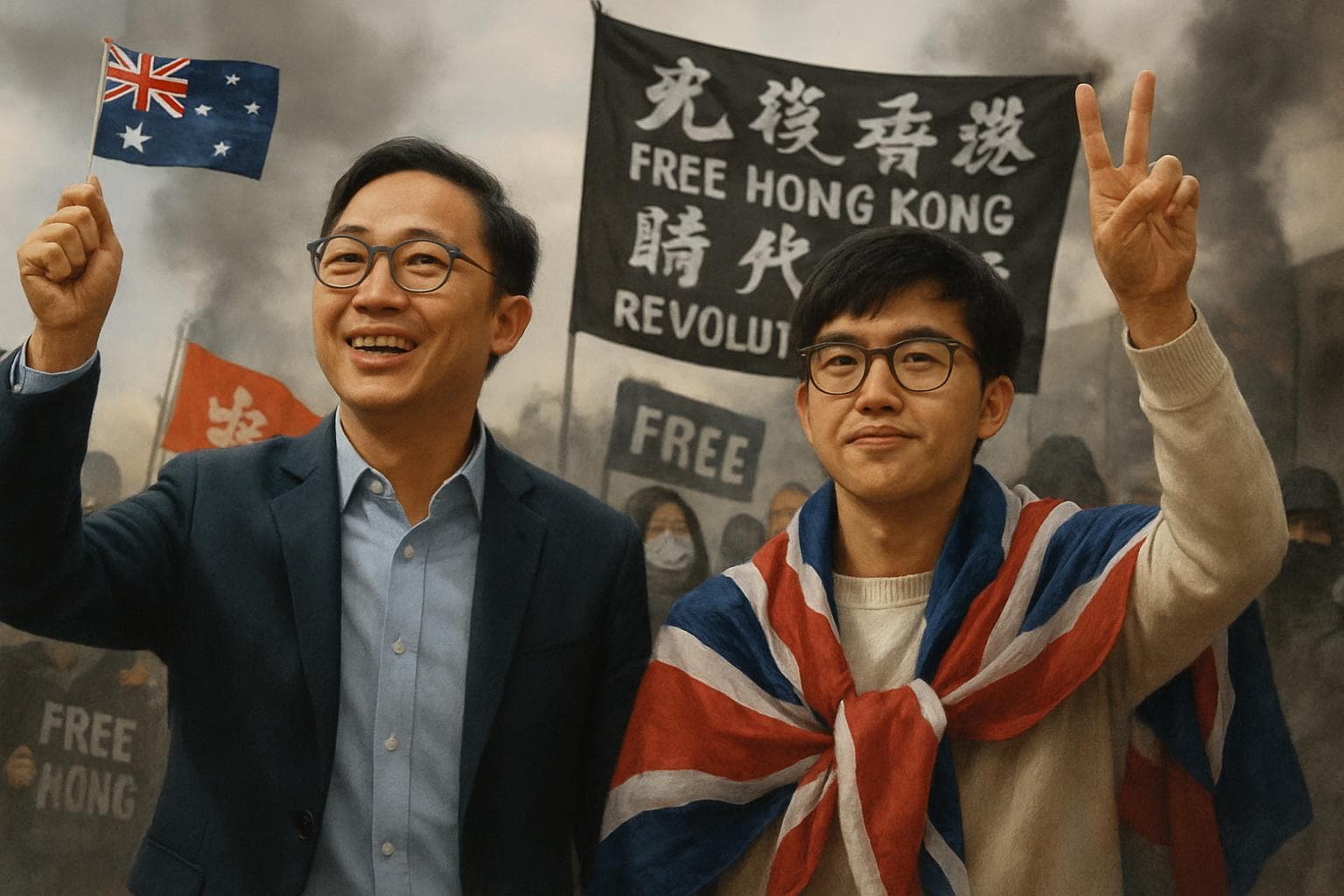
Two prominent Hong Kong pro-democracy activists, Ted Hui and Tony Chung, have been granted asylum in Australia and the United Kingdom, respectively, highlighting the ongoing international tensions surrounding Hong Kong's national security law. The move has provoked a stern response from Hong Kong authorities, who summoned the UK and Australian envoys to express their discontent.
Asylum Granted Amidst Political Repression
Ted Hui, a former Hong Kong legislator, and Tony Chung, a young independence activist, have both secured asylum after fleeing Hong Kong due to fears of persecution under the controversial national security law. Hui, who relocated to Adelaide with his family, expressed gratitude to the Australian government for recognizing their need for protection. Meanwhile, Chung, who has been living in the UK since 2023, shared his relief on social media, stating, "After waiting for over a year and a half, I can finally begin to try to start a new life."
Hong Kong's Response and International Condemnation
The Hong Kong government has reacted by summoning the British and Australian envoys, warning them against "harbouring offenders." The national security law, imposed by Beijing in 2020, has been criticized for its role in suppressing dissent and instilling fear among activists. Hundreds have been arrested under the law, which critics argue is being used to silence opposition voices.
Personal Struggles and Ongoing Activism
Both Hui and Chung have faced significant personal challenges since their arrests. Hui, known for his dramatic protest in the Hong Kong Legislative Council, described the emotional toll of leaving his homeland. Chung, who has battled depression since his arrest, remains committed to his activism, despite questioning the impact of his efforts from abroad. "I’m still willing to fully commit to anything I believe is worthwhile," Chung stated.
Broader Implications and Global Reactions
The asylum grants have drawn international attention, with the UK condemning Hong Kong's recent bounties on activists as "transnational repression." Observers note that these bounties are largely symbolic, given the lack of extradition agreements with countries where the activists reside. Nonetheless, the situation underscores the broader geopolitical tensions and the ongoing struggle for human rights in Hong Kong.
WHAT THIS MIGHT MEAN
The granting of asylum to Ted Hui and Tony Chung could further strain diplomatic relations between Hong Kong and Western nations, particularly as the UK and Australia continue to criticize the national security law. This development may encourage other activists facing persecution to seek refuge abroad, potentially leading to more asylum requests. Additionally, the international community's response could pressure Hong Kong to reconsider its approach to dissent, although significant policy changes remain uncertain. As the situation evolves, the global spotlight on Hong Kong's human rights record is likely to intensify, potentially influencing future diplomatic and economic interactions.
Related Articles

Canada and Australia Forge Strategic Partnership Amid Global Uncertainty

UK Faces Dilemmas Amid Iran Conflict and China Spying Allegations
Trump's New Tariff Strategy Sparks Global Trade Uncertainty
China Sets Lowest GDP Growth Target in Decades Amid Economic Challenges

UK Government to Reform Asylum Seeker Support and Employment Policies

Breakthrough Drug Offers Hope for Children with Severe Epilepsy
Hong Kong Activists Granted Asylum in UK and Australia Amid Political Tensions
In This Article
HIGHLIGHTS
- Hong Kong activists Ted Hui and Tony Chung have been granted asylum in Australia and the UK, respectively, amid ongoing political repression.
- The Hong Kong government summoned UK and Australian envoys, warning against "harbouring offenders" under the national security law.
- Hui and Chung, both targeted with arrest warrants and bounties, fled Hong Kong citing persecution fears and stress from police scrutiny.
- The national security law, enacted in 2020, has been criticized for stifling dissent and leading to the arrest of hundreds of activists.
- The UK and Australia have condemned Hong Kong's actions, with the UK labeling recent bounties as "transnational repression."
Two prominent Hong Kong pro-democracy activists, Ted Hui and Tony Chung, have been granted asylum in Australia and the United Kingdom, respectively, highlighting the ongoing international tensions surrounding Hong Kong's national security law. The move has provoked a stern response from Hong Kong authorities, who summoned the UK and Australian envoys to express their discontent.
Asylum Granted Amidst Political Repression
Ted Hui, a former Hong Kong legislator, and Tony Chung, a young independence activist, have both secured asylum after fleeing Hong Kong due to fears of persecution under the controversial national security law. Hui, who relocated to Adelaide with his family, expressed gratitude to the Australian government for recognizing their need for protection. Meanwhile, Chung, who has been living in the UK since 2023, shared his relief on social media, stating, "After waiting for over a year and a half, I can finally begin to try to start a new life."
Hong Kong's Response and International Condemnation
The Hong Kong government has reacted by summoning the British and Australian envoys, warning them against "harbouring offenders." The national security law, imposed by Beijing in 2020, has been criticized for its role in suppressing dissent and instilling fear among activists. Hundreds have been arrested under the law, which critics argue is being used to silence opposition voices.
Personal Struggles and Ongoing Activism
Both Hui and Chung have faced significant personal challenges since their arrests. Hui, known for his dramatic protest in the Hong Kong Legislative Council, described the emotional toll of leaving his homeland. Chung, who has battled depression since his arrest, remains committed to his activism, despite questioning the impact of his efforts from abroad. "I’m still willing to fully commit to anything I believe is worthwhile," Chung stated.
Broader Implications and Global Reactions
The asylum grants have drawn international attention, with the UK condemning Hong Kong's recent bounties on activists as "transnational repression." Observers note that these bounties are largely symbolic, given the lack of extradition agreements with countries where the activists reside. Nonetheless, the situation underscores the broader geopolitical tensions and the ongoing struggle for human rights in Hong Kong.
WHAT THIS MIGHT MEAN
The granting of asylum to Ted Hui and Tony Chung could further strain diplomatic relations between Hong Kong and Western nations, particularly as the UK and Australia continue to criticize the national security law. This development may encourage other activists facing persecution to seek refuge abroad, potentially leading to more asylum requests. Additionally, the international community's response could pressure Hong Kong to reconsider its approach to dissent, although significant policy changes remain uncertain. As the situation evolves, the global spotlight on Hong Kong's human rights record is likely to intensify, potentially influencing future diplomatic and economic interactions.
Related Articles
Canada and Australia Forge Strategic Partnership Amid Global Uncertainty
UK Faces Dilemmas Amid Iran Conflict and China Spying Allegations
Trump's New Tariff Strategy Sparks Global Trade Uncertainty
China Sets Lowest GDP Growth Target in Decades Amid Economic Challenges
UK Government to Reform Asylum Seeker Support and Employment Policies
Breakthrough Drug Offers Hope for Children with Severe Epilepsy