
Hosepipe Bans Enforced Across England Amid Record Low Reservoir Levels
In This Article
HIGHLIGHTS
- Yorkshire and South East England have implemented hosepipe bans due to record low reservoir levels and prolonged dry weather.
- The bans affect millions, prohibiting non-essential water use like garden watering and car washing, with fines up to £1,000 for violations.
- Yorkshire Water faces criticism for high leakage rates, losing 260 million litres daily, despite efforts to reduce it.
- Experts urge proactive water conservation measures, noting that hosepipe bans can save up to 7% of daily water use.
- Police advise reporting hosepipe ban violations to water companies, not law enforcement, to avoid diverting emergency resources.
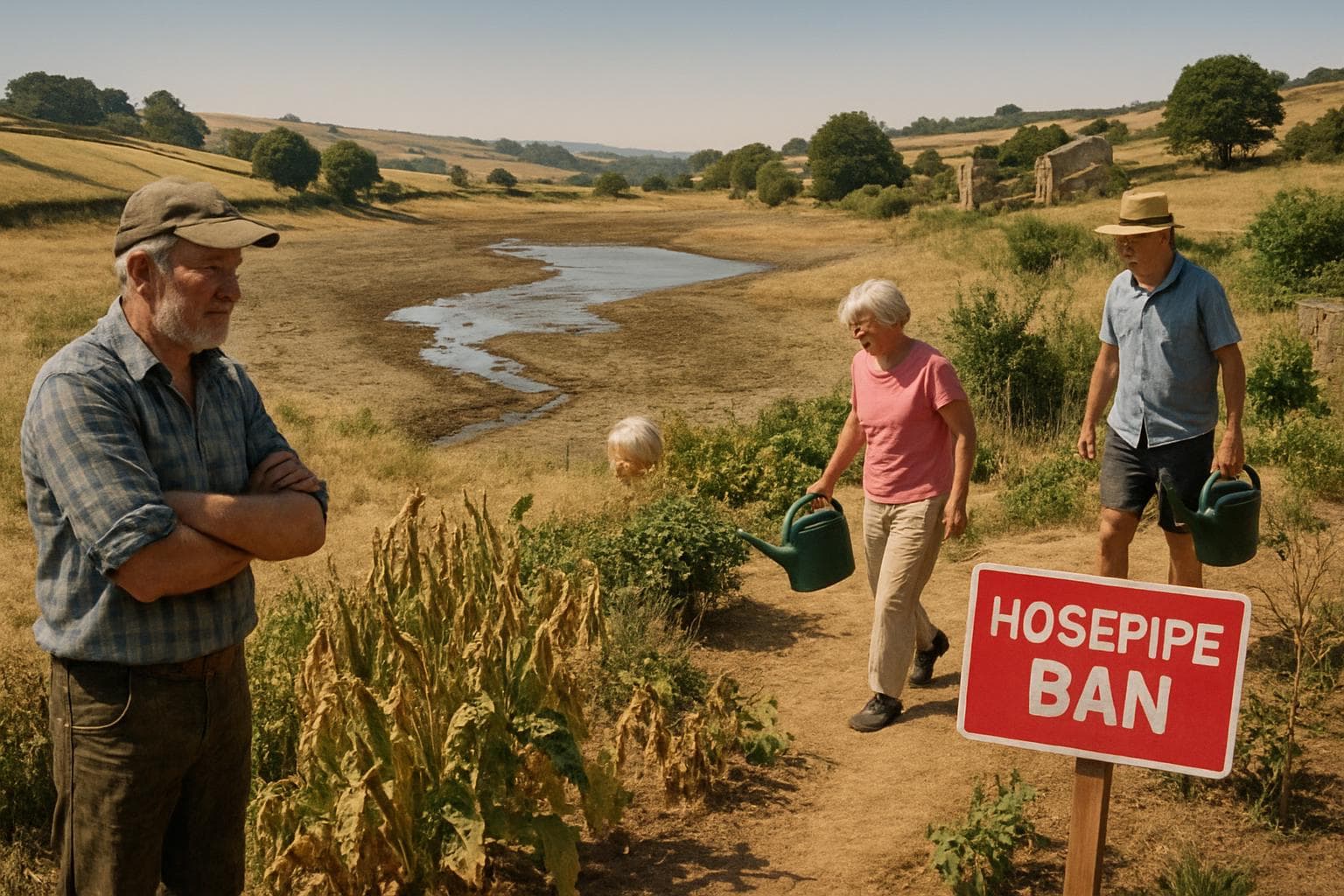
As England grapples with its driest spring in over a century, water companies have imposed hosepipe bans across Yorkshire and parts of South East England to conserve dwindling water supplies. The restrictions, which came into effect recently, prohibit the use of hosepipes for non-essential activities such as watering gardens, washing cars, and filling paddling pools. Violators face fines of up to £1,000.
Yorkshire's Water Woes
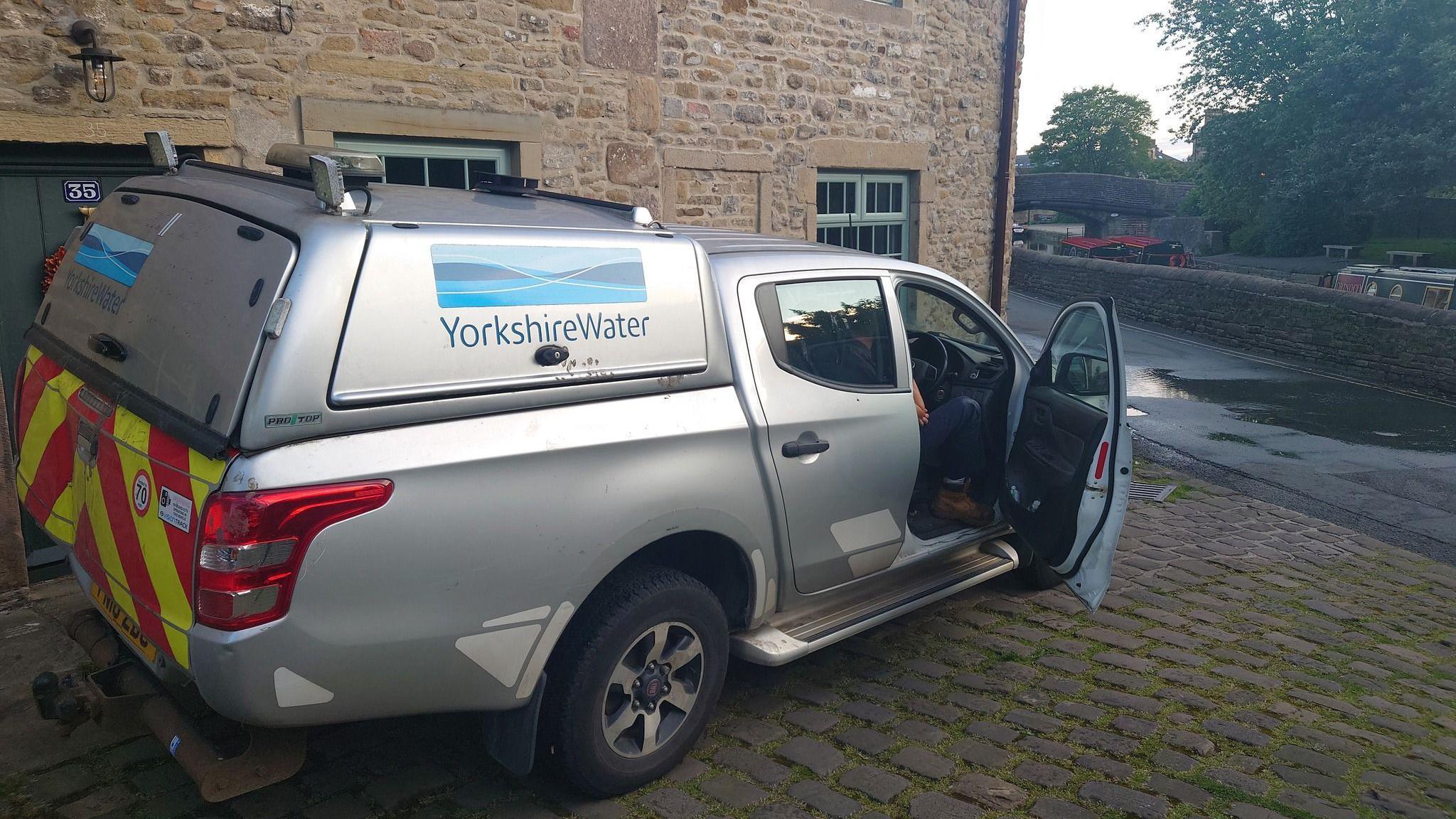
Yorkshire Water, serving over five million residents, has introduced the first regional ban of the year. The company cites the region's driest and warmest spring on record, with rainfall between February and June at less than half the average. Chief Executive Nicola Shaw anticipates the ban will last until winter, when reservoirs are expected to recharge. However, the company faces criticism for its high leakage rate, losing 21% of its supply daily, equating to 260 million litres. Shaw acknowledges the issue, emphasizing ongoing efforts to address leaks more swiftly.
South East England Follows Suit
South East Water has also announced a temporary ban affecting 1.4 million residents in Kent and Sussex. The company reports record demand for drinking water due to prolonged dry weather, with usage peaking at 680 million litres on June 30. Chief Executive David Hinton stresses the necessity of the ban, urging residents to conserve water during the heatwave. The company continues to monitor the situation, with no end date for the ban yet specified.
Expert Opinions and Public Response
Experts like Dr. Jess Neumann from the University of Reading advocate for hosepipe bans as effective tools for water conservation, potentially saving 3%-7% of daily use. Despite public frustration over unchecked leaks, water companies are urged to implement bans proactively to stabilize reservoir levels. Police have advised the public to report violations to water companies, not law enforcement, to prevent diverting resources from emergencies.
Impact on Communities and Agriculture
The bans have sparked concerns among residents and farmers alike. In Yorkshire, allotment owners worry about crop yields, while in East Anglia, farmers face irrigation restrictions, risking food production. The National Farmers' Union highlights the critical need for water management to support agriculture amid these challenging conditions.
WHAT THIS MIGHT MEAN
The hosepipe bans across England highlight the urgent need for sustainable water management practices as climate change exacerbates weather extremes. If dry conditions persist, further restrictions may be necessary, impacting both urban and rural communities. Water companies face mounting pressure to address infrastructure issues, particularly leakage, to ensure long-term water security. Policymakers and industry leaders must collaborate on innovative solutions to mitigate the effects of future droughts, balancing environmental conservation with public and agricultural needs.
Images from the Web

Related Articles

Saharan Dust to Illuminate UK Skies with Vivid Sunrises and Sunsets

Crackdown on Waste Crime: £1.2 Million Fine and New Drone Unit to Combat Illegal Dumping

Government Announces £4 Billion Overhaul of SEND Support in England

UK Government Announces Major Overhaul of SEND System with £3.4 Billion Investment

Government Unveils Ambitious Plan to Halve Attainment Gap in England's Schools

UK Government's SEND Reforms: A Critical Turning Point for Special Education
Hosepipe Bans Enforced Across England Amid Record Low Reservoir Levels
In This Article
 Leila Hassan| Published
 HIGHLIGHTS
- Yorkshire and South East England have implemented hosepipe bans due to record low reservoir levels and prolonged dry weather.
- The bans affect millions, prohibiting non-essential water use like garden watering and car washing, with fines up to £1,000 for violations.
- Yorkshire Water faces criticism for high leakage rates, losing 260 million litres daily, despite efforts to reduce it.
- Experts urge proactive water conservation measures, noting that hosepipe bans can save up to 7% of daily water use.
- Police advise reporting hosepipe ban violations to water companies, not law enforcement, to avoid diverting emergency resources.
As England grapples with its driest spring in over a century, water companies have imposed hosepipe bans across Yorkshire and parts of South East England to conserve dwindling water supplies. The restrictions, which came into effect recently, prohibit the use of hosepipes for non-essential activities such as watering gardens, washing cars, and filling paddling pools. Violators face fines of up to £1,000.
Yorkshire's Water Woes
Yorkshire Water, serving over five million residents, has introduced the first regional ban of the year. The company cites the region's driest and warmest spring on record, with rainfall between February and June at less than half the average. Chief Executive Nicola Shaw anticipates the ban will last until winter, when reservoirs are expected to recharge. However, the company faces criticism for its high leakage rate, losing 21% of its supply daily, equating to 260 million litres. Shaw acknowledges the issue, emphasizing ongoing efforts to address leaks more swiftly.
South East England Follows Suit
South East Water has also announced a temporary ban affecting 1.4 million residents in Kent and Sussex. The company reports record demand for drinking water due to prolonged dry weather, with usage peaking at 680 million litres on June 30. Chief Executive David Hinton stresses the necessity of the ban, urging residents to conserve water during the heatwave. The company continues to monitor the situation, with no end date for the ban yet specified.
Expert Opinions and Public Response
Experts like Dr. Jess Neumann from the University of Reading advocate for hosepipe bans as effective tools for water conservation, potentially saving 3%-7% of daily use. Despite public frustration over unchecked leaks, water companies are urged to implement bans proactively to stabilize reservoir levels. Police have advised the public to report violations to water companies, not law enforcement, to prevent diverting resources from emergencies.
Impact on Communities and Agriculture
The bans have sparked concerns among residents and farmers alike. In Yorkshire, allotment owners worry about crop yields, while in East Anglia, farmers face irrigation restrictions, risking food production. The National Farmers' Union highlights the critical need for water management to support agriculture amid these challenging conditions.
WHAT THIS MIGHT MEAN
The hosepipe bans across England highlight the urgent need for sustainable water management practices as climate change exacerbates weather extremes. If dry conditions persist, further restrictions may be necessary, impacting both urban and rural communities. Water companies face mounting pressure to address infrastructure issues, particularly leakage, to ensure long-term water security. Policymakers and industry leaders must collaborate on innovative solutions to mitigate the effects of future droughts, balancing environmental conservation with public and agricultural needs.
Images from the Web
Related Articles
Saharan Dust to Illuminate UK Skies with Vivid Sunrises and Sunsets
Crackdown on Waste Crime: £1.2 Million Fine and New Drone Unit to Combat Illegal Dumping
Government Announces £4 Billion Overhaul of SEND Support in England
UK Government Announces Major Overhaul of SEND System with £3.4 Billion Investment
Government Unveils Ambitious Plan to Halve Attainment Gap in England's Schools
UK Government's SEND Reforms: A Critical Turning Point for Special Education