
Human Trafficking Trial Unveils Exploitation in France's Champagne Industry
In This Article
HIGHLIGHTS
- A trial in Reims, France, has exposed human trafficking and exploitation among grape-pickers in the champagne industry.
- Three individuals are accused of exploiting over 50 undocumented migrants from West Africa, subjecting them to inhumane living and working conditions.
- The workers were recruited via a WhatsApp group, promising well-paid jobs, but faced deplorable conditions and inadequate pay.
- The accused face charges including human trafficking, undeclared labour, and employing foreigners without permits, with potential sentences of up to seven years.
- The case highlights broader issues of labour exploitation in France's €6bn champagne industry, which relies heavily on seasonal workers.
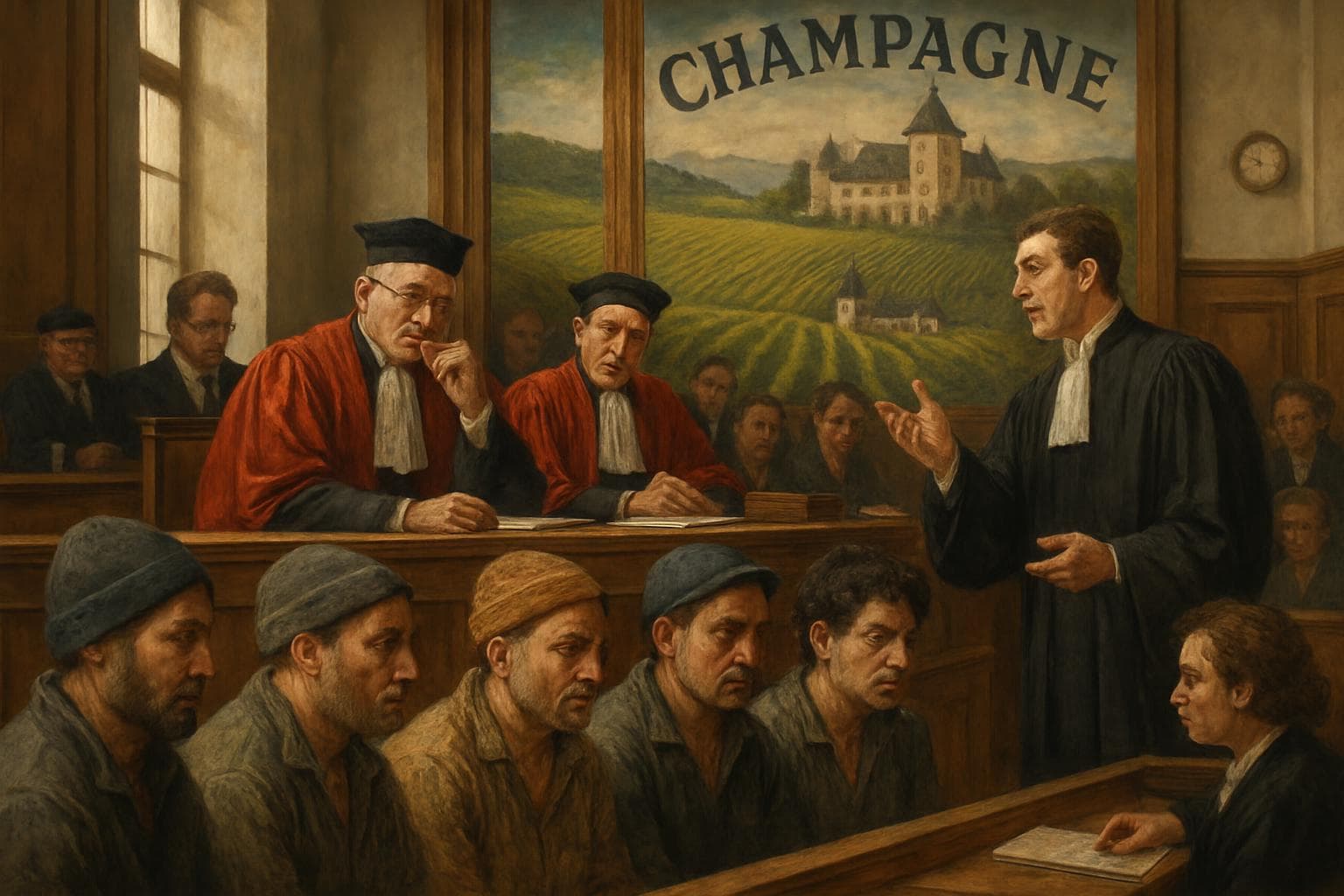
A significant trial has commenced in Reims, France, shedding light on the exploitation of seasonal workers in the prestigious champagne industry. Three individuals—a Kyrgyz woman, a Georgian man, and a French national—stand accused of human trafficking and exploiting over 50 undocumented migrants, primarily from West Africa. The trial, which has captured national attention, underscores the darker side of an industry renowned for its luxury.
Exploitation in the Vineyards
The accused allegedly recruited workers through a WhatsApp group targeting the Soninke ethnic community in Paris, promising lucrative employment in the Champagne region. However, upon arrival, the workers, aged between 16 and 65, were subjected to appalling conditions. They were housed in a dilapidated building in Nesle-le-Repons, southwest of Reims, where they endured cramped quarters, inadequate sanitation, and insufficient food.
"They shouted at us in Russian and crammed us into this broken-down house, with mattresses on the floor," recounted Kanouitié Djakariayou, a 44-year-old worker, to La Croix newspaper. The workers were forced to toil for ten hours daily with minimal breaks, transported to vineyards in overcrowded trucks without proper seating.
Legal Proceedings and Industry Implications
The trial, held at the criminal court of Châlons-en-Champagne, has been dubbed "the grape harvest of shame." The prosecution has charged the defendants with human trafficking, undeclared labour, and employing foreigners without permits. If convicted, they face up to seven years in prison and substantial fines.
The case has sparked a broader conversation about labour exploitation in France's €6bn champagne industry, which relies on approximately 120,000 seasonal workers annually. The Champagne Committee, representing thousands of winemakers and cooperatives, has expressed concern over the scandal, emphasizing the need for ethical labour practices.
Voices of the Victims
Many of the affected workers have shared harrowing accounts of their experiences. Doumbia Mamadou, 45, told L'Union newspaper, "What we lived through there was truly terrible. We were traumatised by the experience." The lack of psychological support for these undocumented migrants further exacerbates their plight, highlighting systemic issues within the industry.
WHAT THIS MIGHT MEAN
The outcome of this trial could have significant implications for the champagne industry and labour laws in France. A conviction may prompt stricter regulations and oversight of recruitment practices, potentially leading to reforms that protect seasonal workers from exploitation. Additionally, the case could serve as a catalyst for broader discussions on undocumented migrants' rights and the responsibilities of industries reliant on seasonal labour. As the trial progresses, it remains to be seen how these developments will shape the future of labour practices in France's vineyards.
Related Articles

Arrests Over French Activist's Death Heighten Political Tensions

Gisèle Pelicot: A Journey from Horror to Advocacy in France's Largest Rape Trial

Louvre Museum Faces Challenges Amid Water Leak and Ticket Fraud Investigation

UK and Allies Accuse Russia of Killing Navalny with Dart Frog Toxin

Trump's Board of Peace Pledges $7 Billion for Gaza Amidst International Skepticism

New UK Entry Rules for Dual Nationals Spark Outcry
Human Trafficking Trial Unveils Exploitation in France's Champagne Industry
In This Article
 Sofia Romano| Published
 HIGHLIGHTS
- A trial in Reims, France, has exposed human trafficking and exploitation among grape-pickers in the champagne industry.
- Three individuals are accused of exploiting over 50 undocumented migrants from West Africa, subjecting them to inhumane living and working conditions.
- The workers were recruited via a WhatsApp group, promising well-paid jobs, but faced deplorable conditions and inadequate pay.
- The accused face charges including human trafficking, undeclared labour, and employing foreigners without permits, with potential sentences of up to seven years.
- The case highlights broader issues of labour exploitation in France's €6bn champagne industry, which relies heavily on seasonal workers.
A significant trial has commenced in Reims, France, shedding light on the exploitation of seasonal workers in the prestigious champagne industry. Three individuals—a Kyrgyz woman, a Georgian man, and a French national—stand accused of human trafficking and exploiting over 50 undocumented migrants, primarily from West Africa. The trial, which has captured national attention, underscores the darker side of an industry renowned for its luxury.
Exploitation in the Vineyards
The accused allegedly recruited workers through a WhatsApp group targeting the Soninke ethnic community in Paris, promising lucrative employment in the Champagne region. However, upon arrival, the workers, aged between 16 and 65, were subjected to appalling conditions. They were housed in a dilapidated building in Nesle-le-Repons, southwest of Reims, where they endured cramped quarters, inadequate sanitation, and insufficient food.
"They shouted at us in Russian and crammed us into this broken-down house, with mattresses on the floor," recounted Kanouitié Djakariayou, a 44-year-old worker, to La Croix newspaper. The workers were forced to toil for ten hours daily with minimal breaks, transported to vineyards in overcrowded trucks without proper seating.
Legal Proceedings and Industry Implications
The trial, held at the criminal court of Châlons-en-Champagne, has been dubbed "the grape harvest of shame." The prosecution has charged the defendants with human trafficking, undeclared labour, and employing foreigners without permits. If convicted, they face up to seven years in prison and substantial fines.
The case has sparked a broader conversation about labour exploitation in France's €6bn champagne industry, which relies on approximately 120,000 seasonal workers annually. The Champagne Committee, representing thousands of winemakers and cooperatives, has expressed concern over the scandal, emphasizing the need for ethical labour practices.
Voices of the Victims
Many of the affected workers have shared harrowing accounts of their experiences. Doumbia Mamadou, 45, told L'Union newspaper, "What we lived through there was truly terrible. We were traumatised by the experience." The lack of psychological support for these undocumented migrants further exacerbates their plight, highlighting systemic issues within the industry.
WHAT THIS MIGHT MEAN
The outcome of this trial could have significant implications for the champagne industry and labour laws in France. A conviction may prompt stricter regulations and oversight of recruitment practices, potentially leading to reforms that protect seasonal workers from exploitation. Additionally, the case could serve as a catalyst for broader discussions on undocumented migrants' rights and the responsibilities of industries reliant on seasonal labour. As the trial progresses, it remains to be seen how these developments will shape the future of labour practices in France's vineyards.
Related Articles
Arrests Over French Activist's Death Heighten Political Tensions
Gisèle Pelicot: A Journey from Horror to Advocacy in France's Largest Rape Trial
Louvre Museum Faces Challenges Amid Water Leak and Ticket Fraud Investigation
UK and Allies Accuse Russia of Killing Navalny with Dart Frog Toxin
Trump's Board of Peace Pledges $7 Billion for Gaza Amidst International Skepticism
New UK Entry Rules for Dual Nationals Spark Outcry