
Hurricane Erin Threatens US East Coast with Dangerous Surf and Evacuations
In This Article
HIGHLIGHTS
- Hurricane Erin, a Category 2 storm, is causing significant disruption along the US East Coast, particularly in North Carolina's Outer Banks.
- The National Hurricane Center warns of life-threatening surf and rip currents, with waves reaching up to 30ft.
- Mandatory evacuations have been ordered in parts of North Carolina, with over 2,200 people evacuated from Hatteras and Ocracoke Islands.
- Erin is expected to weaken by Friday but will remain a hurricane through the weekend before moving towards the UK as an extra-tropical storm.
- The storm's rapid intensification highlights concerns about climate change's role in increasing storm severity.
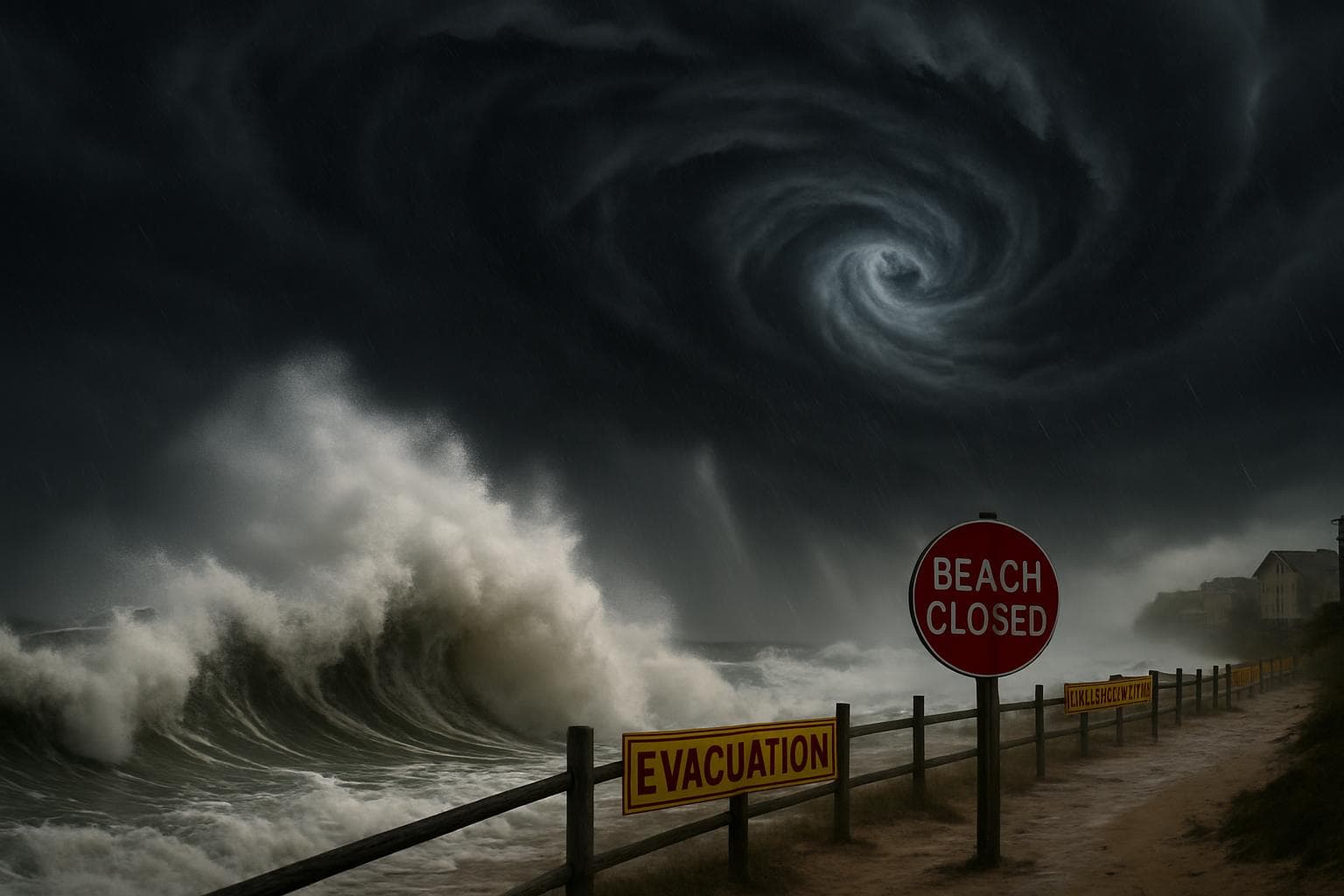
Hurricane Erin, a formidable Category 2 storm, is unleashing its fury along the US East Coast, with North Carolina's Outer Banks bearing the brunt of its impact. The National Hurricane Center (NHC) has issued warnings about life-threatening surf and rip currents, urging residents and tourists to stay out of the ocean. With maximum sustained winds of 105mph (168km/h), Erin's reach extends over 500 miles, creating hazardous conditions across a vast area.
Impact on North Carolina
In North Carolina, authorities have closed Highway 12, a critical route on the Outer Banks, due to dangerous conditions. The state's ferry system has evacuated more than 2,200 people from Hatteras and Ocracoke Islands following mandatory evacuation orders. Despite these warnings, some residents, like Vicki Harrison of Hatteras Island, have chosen to stay, citing past experiences and preparedness. "We're very safe, we're all hunkered down," she said, emphasizing her family's resilience.
Broader East Coast Effects
The storm's influence extends beyond North Carolina, with beach closures and swimming prohibitions in place from Florida to New York. In New York City, beaches are closed due to treacherous currents, while New Jersey and Delaware have extended beach closures through the week. The NHC has highlighted the risk of a storm surge up to 4ft, which could exacerbate flooding and beach erosion.
Erin's Path and Future
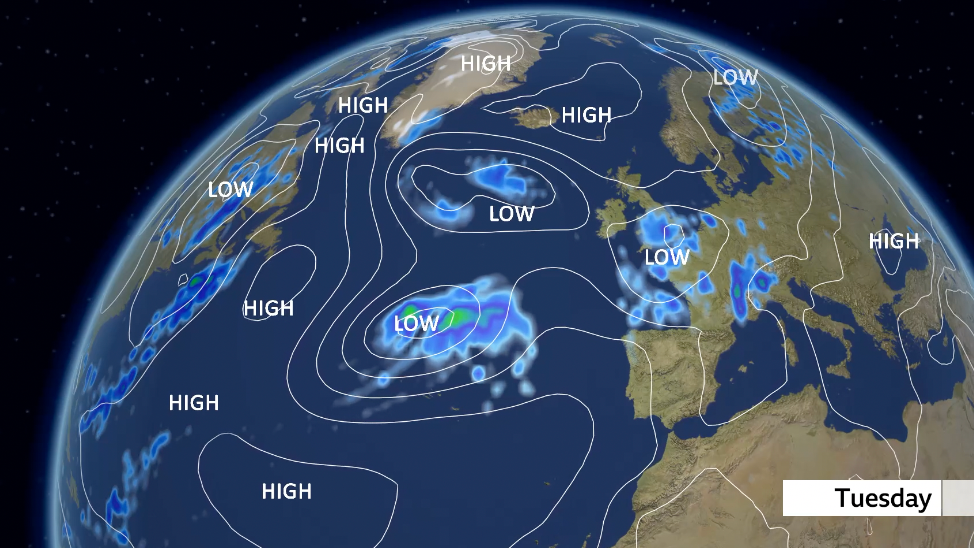
While Erin is expected to weaken by Friday, it will remain a hurricane into the weekend. The storm is projected to track northeast, eventually reaching the UK as an extra-tropical storm. This transition is typical for ex-hurricanes, which lose their tropical characteristics as they move over cooler Atlantic waters.
Climate Change Concerns
Erin's rapid intensification underscores concerns about the climate crisis, with scientists warning that human-driven greenhouse gas emissions are contributing to more severe storms. The storm's swift growth ranks it among the fastest-intensifying hurricanes observed in the Atlantic, highlighting the urgent need for climate action.
WHAT THIS MIGHT MEAN
As Hurricane Erin continues its path along the US East Coast, authorities remain vigilant, with emergency services on high alert. The storm's eventual weakening and transition into an extra-tropical system as it approaches the UK could bring unsettled weather, including rain and strong winds, to the region. Meteorologists caution that while ex-hurricanes can cause disruption, they are unlikely to match the intensity of their tropical counterparts.
The rapid intensification of Erin serves as a stark reminder of the potential impacts of climate change on storm behavior. As global temperatures rise, the frequency and severity of such storms may increase, necessitating enhanced preparedness and mitigation strategies. The ongoing situation with Hurricane Erin highlights the importance of robust climate policies and international cooperation to address the challenges posed by extreme weather events.
Images from the Web
Related Articles

Saharan Dust to Illuminate UK Skies with Vivid Sunrises and Sunsets
Canada and Australia Forge Strategic Partnership Amid Global Uncertainty

UK Government to Reform Asylum Seeker Support and Employment Policies

Middle East Conflict Drives UK Energy Prices to New Highs

UK Faces Dilemmas Amid Iran Conflict and China Spying Allegations

UK Reinforces Military Presence in Cyprus Amid Middle East Tensions
Hurricane Erin Threatens US East Coast with Dangerous Surf and Evacuations
In This Article
 Leila Hassan| Published
 HIGHLIGHTS
- Hurricane Erin, a Category 2 storm, is causing significant disruption along the US East Coast, particularly in North Carolina's Outer Banks.
- The National Hurricane Center warns of life-threatening surf and rip currents, with waves reaching up to 30ft.
- Mandatory evacuations have been ordered in parts of North Carolina, with over 2,200 people evacuated from Hatteras and Ocracoke Islands.
- Erin is expected to weaken by Friday but will remain a hurricane through the weekend before moving towards the UK as an extra-tropical storm.
- The storm's rapid intensification highlights concerns about climate change's role in increasing storm severity.
Hurricane Erin, a formidable Category 2 storm, is unleashing its fury along the US East Coast, with North Carolina's Outer Banks bearing the brunt of its impact. The National Hurricane Center (NHC) has issued warnings about life-threatening surf and rip currents, urging residents and tourists to stay out of the ocean. With maximum sustained winds of 105mph (168km/h), Erin's reach extends over 500 miles, creating hazardous conditions across a vast area.
Impact on North Carolina
In North Carolina, authorities have closed Highway 12, a critical route on the Outer Banks, due to dangerous conditions. The state's ferry system has evacuated more than 2,200 people from Hatteras and Ocracoke Islands following mandatory evacuation orders. Despite these warnings, some residents, like Vicki Harrison of Hatteras Island, have chosen to stay, citing past experiences and preparedness. "We're very safe, we're all hunkered down," she said, emphasizing her family's resilience.
Broader East Coast Effects
The storm's influence extends beyond North Carolina, with beach closures and swimming prohibitions in place from Florida to New York. In New York City, beaches are closed due to treacherous currents, while New Jersey and Delaware have extended beach closures through the week. The NHC has highlighted the risk of a storm surge up to 4ft, which could exacerbate flooding and beach erosion.
Erin's Path and Future
While Erin is expected to weaken by Friday, it will remain a hurricane into the weekend. The storm is projected to track northeast, eventually reaching the UK as an extra-tropical storm. This transition is typical for ex-hurricanes, which lose their tropical characteristics as they move over cooler Atlantic waters.
Climate Change Concerns
Erin's rapid intensification underscores concerns about the climate crisis, with scientists warning that human-driven greenhouse gas emissions are contributing to more severe storms. The storm's swift growth ranks it among the fastest-intensifying hurricanes observed in the Atlantic, highlighting the urgent need for climate action.
WHAT THIS MIGHT MEAN
As Hurricane Erin continues its path along the US East Coast, authorities remain vigilant, with emergency services on high alert. The storm's eventual weakening and transition into an extra-tropical system as it approaches the UK could bring unsettled weather, including rain and strong winds, to the region. Meteorologists caution that while ex-hurricanes can cause disruption, they are unlikely to match the intensity of their tropical counterparts.
The rapid intensification of Erin serves as a stark reminder of the potential impacts of climate change on storm behavior. As global temperatures rise, the frequency and severity of such storms may increase, necessitating enhanced preparedness and mitigation strategies. The ongoing situation with Hurricane Erin highlights the importance of robust climate policies and international cooperation to address the challenges posed by extreme weather events.
Images from the Web
Related Articles
Saharan Dust to Illuminate UK Skies with Vivid Sunrises and Sunsets
Canada and Australia Forge Strategic Partnership Amid Global Uncertainty
UK Government to Reform Asylum Seeker Support and Employment Policies
Middle East Conflict Drives UK Energy Prices to New Highs
UK Faces Dilemmas Amid Iran Conflict and China Spying Allegations
UK Reinforces Military Presence in Cyprus Amid Middle East Tensions