
Ian Blair, Former Met Police Commissioner, Dies at 72
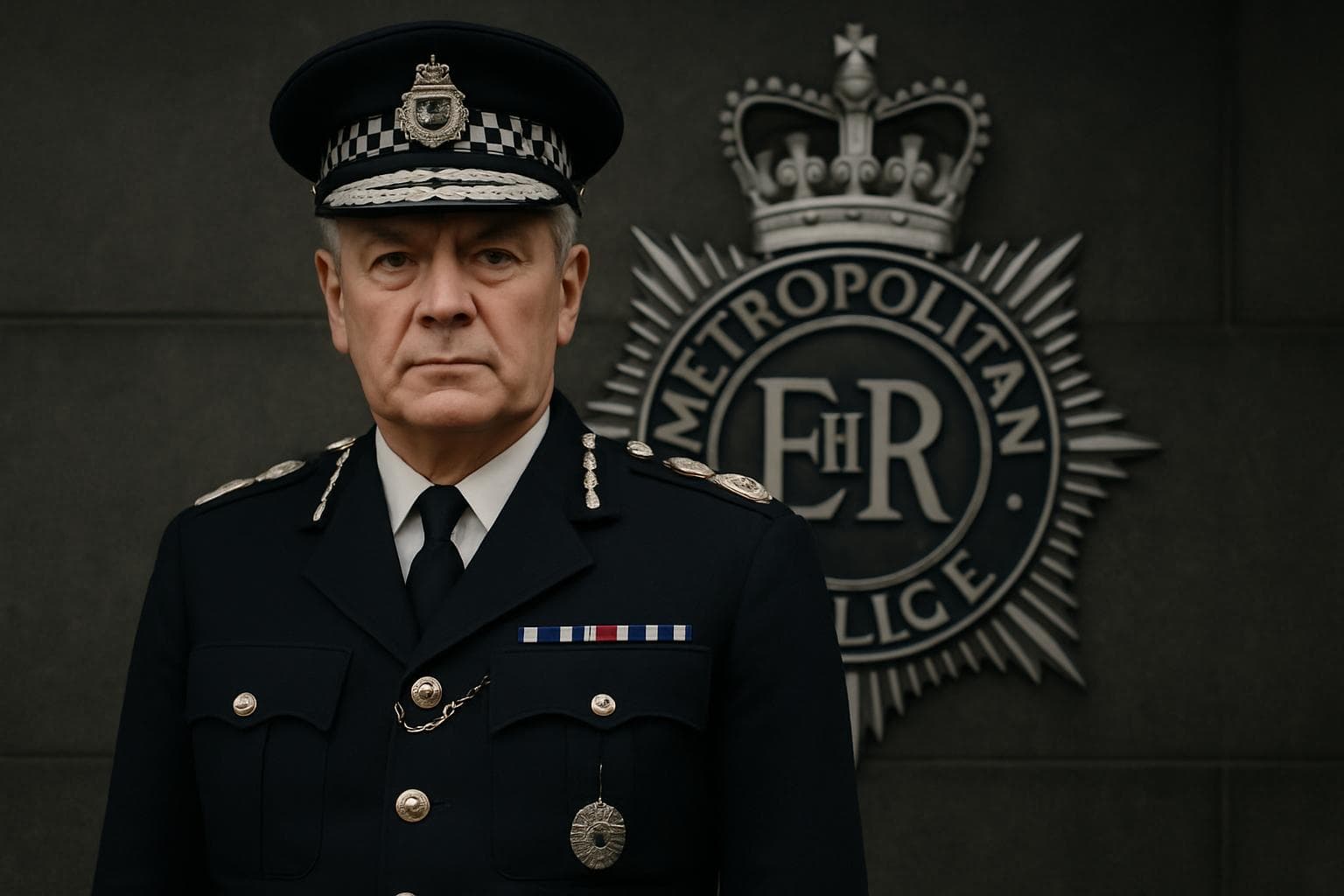
In This Article
HIGHLIGHTS
- Former Metropolitan Police commissioner Ian Blair has died at 72 after a short illness.
- Blair led the Met during the 7/7 bombings and the controversial shooting of Jean Charles de Menezes.
- He resigned in 2008 after Boris Johnson, then London Mayor, expressed no confidence in him.
- Blair was known for his efforts to reform the police and was a crossbench peer in the House of Lords.
- Current Met Commissioner Sir Mark Rowley praised Blair as an influential leader in policing.
Ian Blair, the former commissioner of the Metropolitan Police, has passed away at the age of 72 following a brief illness. Blair, who served as the head of the UK's largest police force from 2005 to 2008, was a pivotal figure during some of the most challenging times in recent British history, including the 7/7 bombings and the controversial shooting of Jean Charles de Menezes.
Blair's tenure as commissioner began in February 2005, with a strong mandate to reform the Metropolitan Police. However, his leadership was soon tested by the July 7, 2005, suicide bombings in London, which claimed 52 lives. Just two weeks later, the Met faced intense scrutiny after officers mistakenly shot and killed Brazilian electrician Jean Charles de Menezes, believing him to be a suicide bomber. This incident marked a turning point in Blair's career, leading to sustained pressure and calls for his resignation.
Despite the controversies, Blair was recognized for his dedication to public service and his efforts to modernize policing. He joined the Met in 1974 as part of its graduate entry scheme and quickly rose through the ranks, eventually becoming chief constable of Surrey Police before returning to the Met as deputy commissioner in 2000.
Blair's career came to an abrupt end in 2008 when Boris Johnson, newly elected as the Mayor of London, expressed a lack of confidence in his leadership. Blair resigned, marking the first time in over a century that a Met commissioner had stepped down from office. In his resignation letter, Blair expressed pride in leading the Metropolitan Police and emphasized the importance of guiding the force through both prosperous and challenging times.
After leaving the Met, Blair continued to contribute to public discourse on policing as a crossbench peer in the House of Lords. He was ennobled in 2010, becoming Lord Blair of Boughton. Current Met Commissioner Sir Mark Rowley described Blair's passing as a "huge loss to the police family," highlighting his significant contributions to policing and victim services.
WHAT THIS MIGHT MEAN
Ian Blair's death marks the end of an era for the Metropolitan Police, but his legacy in policing reform and leadership during crises will likely continue to influence the force. As the Met grapples with ongoing challenges, including public trust and accountability, Blair's tenure serves as a reminder of the complexities involved in leading a major police force through turbulent times.
The controversies surrounding the shooting of Jean Charles de Menezes and the subsequent legal and public fallout underscore the critical importance of clear communication and accountability in law enforcement. Future leaders may draw lessons from Blair's experiences to navigate similar challenges more effectively.
As the Met continues to evolve, Blair's advocacy for neighborhood policing and reform may inspire ongoing discussions about the role of police in communities and the balance between security and civil liberties.
Related Articles
Labour MP's Husband Arrested in UK-China Espionage Probe
UK Police Assess Epstein's Use of Private Flights Amid Trafficking Allegations
Nottingham Attacks Inquiry: Families Demand Accountability and Truth
Prince Andrew's Ties to Epstein Under Scrutiny Amid Calls for Inquiry
MPs Weigh Inquiry into Andrew Mountbatten-Windsor's Trade Envoy Role Amid Arrest
UK Police Intensify Investigation into Andrew Mountbatten-Windsor Amid Misconduct Allegations
Ian Blair, Former Met Police Commissioner, Dies at 72
In This Article
 Ethan Brooks| Published
 HIGHLIGHTS
- Former Metropolitan Police commissioner Ian Blair has died at 72 after a short illness.
- Blair led the Met during the 7/7 bombings and the controversial shooting of Jean Charles de Menezes.
- He resigned in 2008 after Boris Johnson, then London Mayor, expressed no confidence in him.
- Blair was known for his efforts to reform the police and was a crossbench peer in the House of Lords.
- Current Met Commissioner Sir Mark Rowley praised Blair as an influential leader in policing.
Ian Blair, the former commissioner of the Metropolitan Police, has passed away at the age of 72 following a brief illness. Blair, who served as the head of the UK's largest police force from 2005 to 2008, was a pivotal figure during some of the most challenging times in recent British history, including the 7/7 bombings and the controversial shooting of Jean Charles de Menezes.
Blair's tenure as commissioner began in February 2005, with a strong mandate to reform the Metropolitan Police. However, his leadership was soon tested by the July 7, 2005, suicide bombings in London, which claimed 52 lives. Just two weeks later, the Met faced intense scrutiny after officers mistakenly shot and killed Brazilian electrician Jean Charles de Menezes, believing him to be a suicide bomber. This incident marked a turning point in Blair's career, leading to sustained pressure and calls for his resignation.
Despite the controversies, Blair was recognized for his dedication to public service and his efforts to modernize policing. He joined the Met in 1974 as part of its graduate entry scheme and quickly rose through the ranks, eventually becoming chief constable of Surrey Police before returning to the Met as deputy commissioner in 2000.
Blair's career came to an abrupt end in 2008 when Boris Johnson, newly elected as the Mayor of London, expressed a lack of confidence in his leadership. Blair resigned, marking the first time in over a century that a Met commissioner had stepped down from office. In his resignation letter, Blair expressed pride in leading the Metropolitan Police and emphasized the importance of guiding the force through both prosperous and challenging times.
After leaving the Met, Blair continued to contribute to public discourse on policing as a crossbench peer in the House of Lords. He was ennobled in 2010, becoming Lord Blair of Boughton. Current Met Commissioner Sir Mark Rowley described Blair's passing as a "huge loss to the police family," highlighting his significant contributions to policing and victim services.
WHAT THIS MIGHT MEAN
Ian Blair's death marks the end of an era for the Metropolitan Police, but his legacy in policing reform and leadership during crises will likely continue to influence the force. As the Met grapples with ongoing challenges, including public trust and accountability, Blair's tenure serves as a reminder of the complexities involved in leading a major police force through turbulent times.
The controversies surrounding the shooting of Jean Charles de Menezes and the subsequent legal and public fallout underscore the critical importance of clear communication and accountability in law enforcement. Future leaders may draw lessons from Blair's experiences to navigate similar challenges more effectively.
As the Met continues to evolve, Blair's advocacy for neighborhood policing and reform may inspire ongoing discussions about the role of police in communities and the balance between security and civil liberties.
Related Articles
Labour MP's Husband Arrested in UK-China Espionage Probe
UK Police Assess Epstein's Use of Private Flights Amid Trafficking Allegations
Nottingham Attacks Inquiry: Families Demand Accountability and Truth
Prince Andrew's Ties to Epstein Under Scrutiny Amid Calls for Inquiry
MPs Weigh Inquiry into Andrew Mountbatten-Windsor's Trade Envoy Role Amid Arrest
UK Police Intensify Investigation into Andrew Mountbatten-Windsor Amid Misconduct Allegations