
Federal Agents Under Scrutiny After Fatal ICE Shooting in Minneapolis
In This Article
HIGHLIGHTS
- An ICE agent shot and killed Renee Nicole Good in Minneapolis, with federal officials claiming self-defense.
- Witnesses report federal agents blocked emergency medical personnel from reaching Good promptly.
- The ICE agent involved was reportedly dragged by a car in a separate incident in June, sustaining significant injuries.
- The Department of Homeland Security mandates officers to render medical aid after using force, but this was allegedly not followed.
- The incident has sparked controversy over federal law enforcement practices and emergency response protocols.
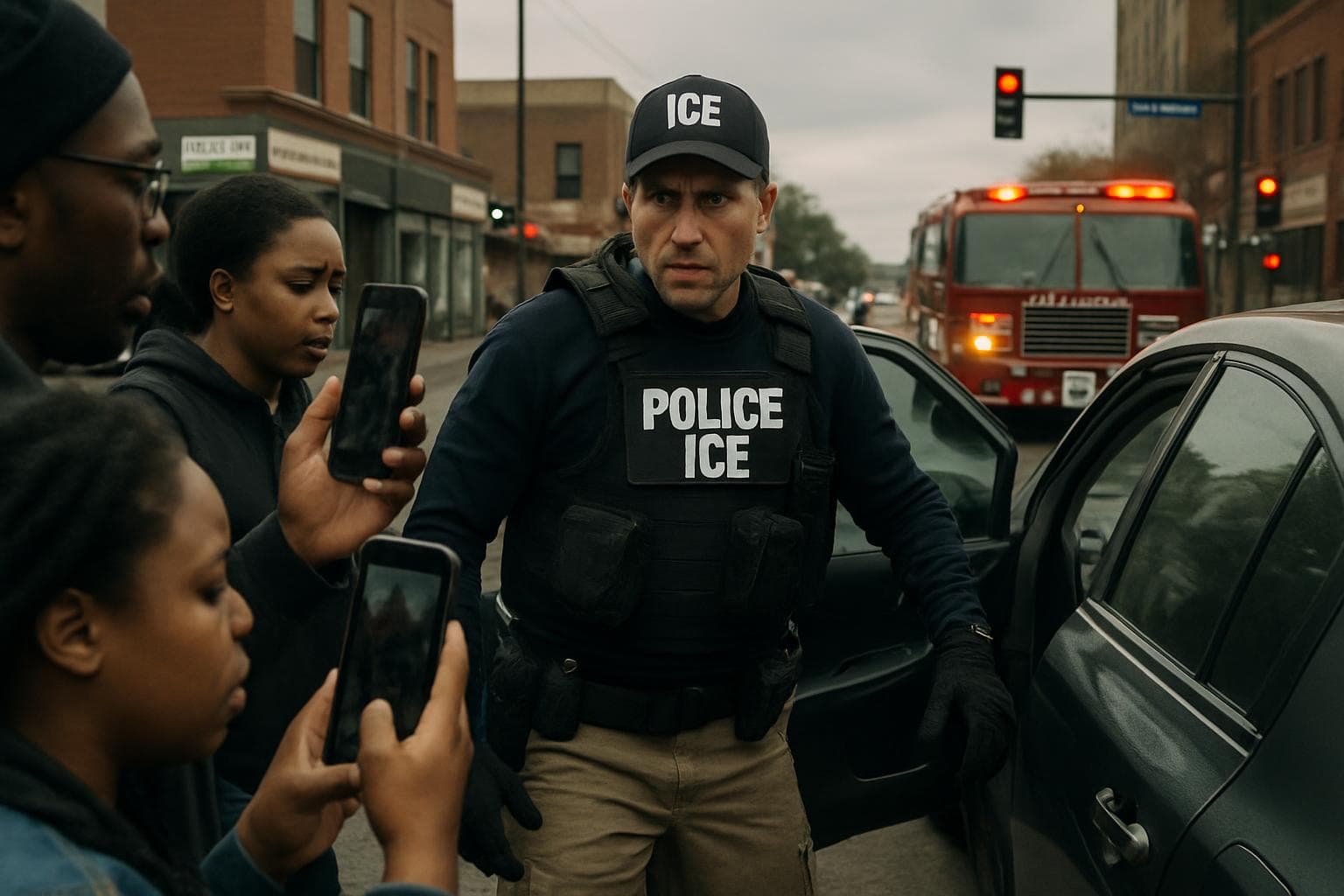
The recent fatal shooting of Renee Nicole Good by an Immigration and Customs Enforcement (ICE) agent in Minneapolis has raised significant concerns over federal law enforcement practices and emergency response protocols. The incident, which occurred on Wednesday, has been described by federal officials as an act of self-defense, though this account is contested by state officials and witnesses.
Incident Details and Background
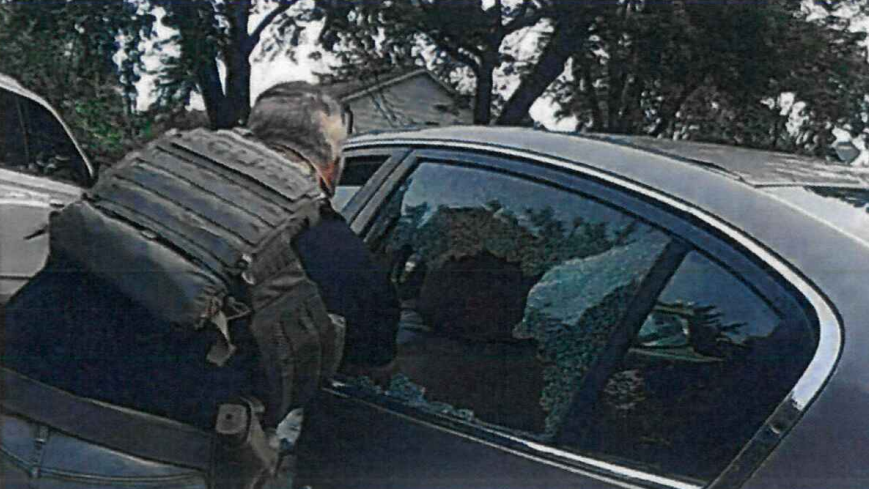
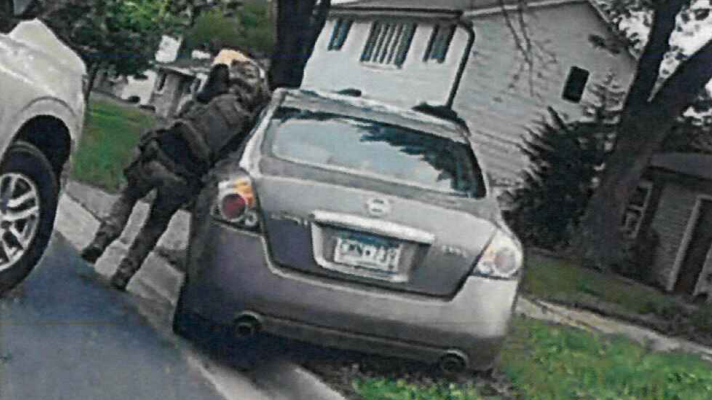
The ICE agent involved in the shooting has not been publicly named, but reports suggest he was previously injured in a separate incident in June. During that event, the agent, identified in court documents as Jonathan Ross, was dragged by a vehicle while attempting to detain a suspect, resulting in severe injuries that required over 50 stitches. Ross, who has been with ICE in Minnesota since 2017, is part of a specialized response team dealing with high-risk warrants and deportations.
Witness Accounts and Medical Response
Witnesses at the scene of Good's shooting have accused federal agents of obstructing emergency medical personnel. Emily Heller, a local resident, recorded the aftermath, noting that agents blocked access to Good's vehicle. A physician on the scene was reportedly denied access to check Good's pulse, with agents claiming they had their own medics, though no evidence of such support was visible.
The Department of Homeland Security's policy requires officers to provide medical aid following the use of force. However, video evidence and witness accounts suggest this protocol was not followed, as it took 15 minutes for an ambulance to reach the scene due to blocked roads.
Legal and Policy Implications
The shooting has sparked a debate over the conduct of federal law enforcement and their adherence to established protocols. The Department of Homeland Security has yet to comment on the incident, leaving questions about the enforcement of its medical aid policy unanswered.
WHAT THIS MIGHT MEAN
The Minneapolis shooting involving an ICE agent could lead to increased scrutiny of federal law enforcement practices, particularly regarding the use of force and emergency response protocols. Legal experts suggest that the incident may prompt a review of ICE's operational procedures and training, especially in high-risk situations. Additionally, the controversy could influence public opinion and policy discussions on the role and oversight of federal agents in local communities. As investigations continue, the findings may have broader implications for law enforcement accountability and transparency.
Images from the Web
Related Articles
Nationwide Protests Erupt Against ICE Following Fatal Shootings
DHS Spokesperson Tricia McLaughlin to Depart Amidst Immigration Policy Controversy
Don Lemon Pleads Not Guilty in Minnesota Church Protest Case
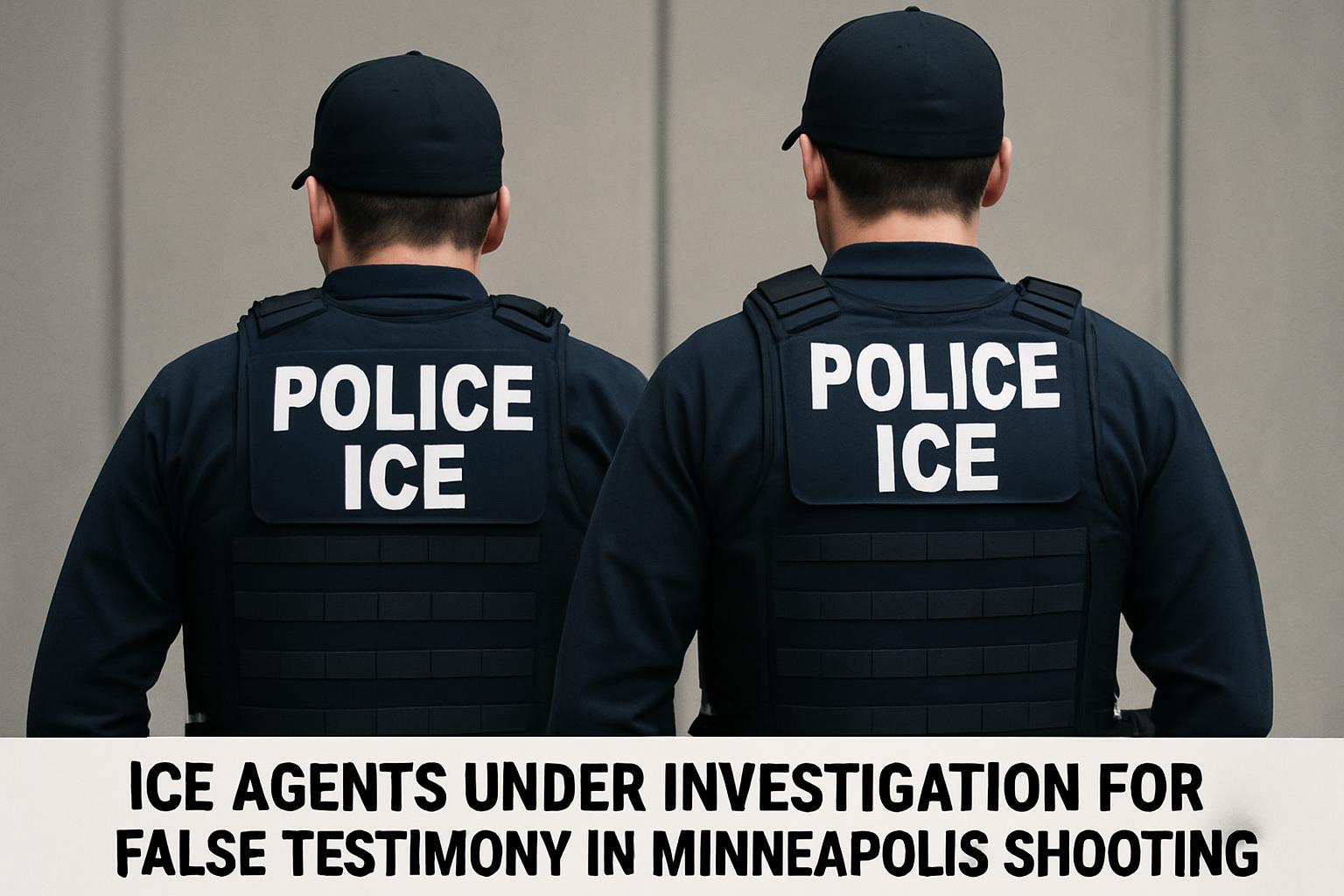
ICE Agents Under Investigation for Alleged False Testimony in Minneapolis Shooting
Senate Stalemate Over DHS Funding Amid Immigration Reform Dispute
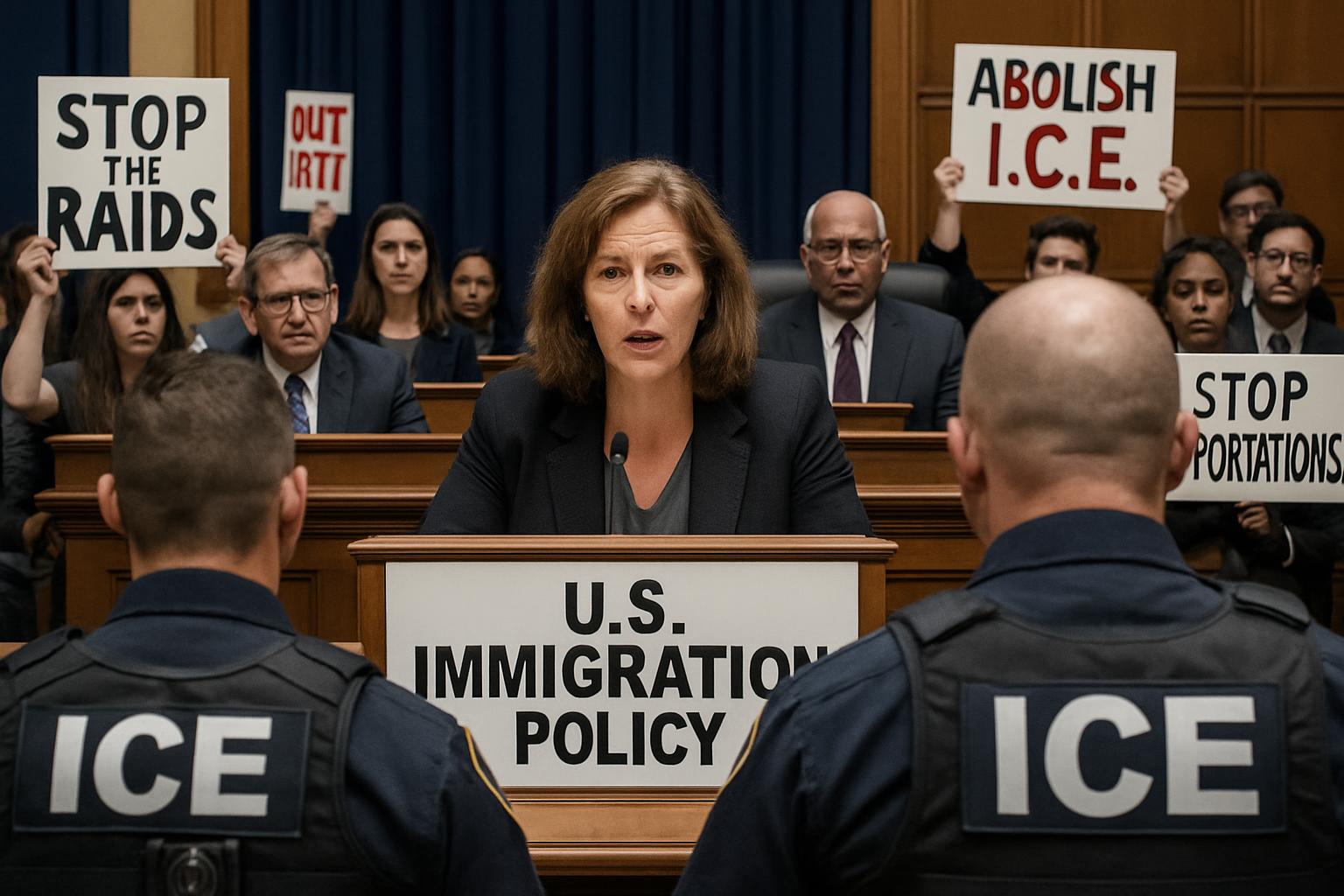
US Immigration Policy Under Scrutiny Amid Rising Tensions and Calls for Transparency
Federal Agents Under Scrutiny After Fatal ICE Shooting in Minneapolis
In This Article
 Ethan Brooks| Published
 HIGHLIGHTS
- An ICE agent shot and killed Renee Nicole Good in Minneapolis, with federal officials claiming self-defense.
- Witnesses report federal agents blocked emergency medical personnel from reaching Good promptly.
- The ICE agent involved was reportedly dragged by a car in a separate incident in June, sustaining significant injuries.
- The Department of Homeland Security mandates officers to render medical aid after using force, but this was allegedly not followed.
- The incident has sparked controversy over federal law enforcement practices and emergency response protocols.
The recent fatal shooting of Renee Nicole Good by an Immigration and Customs Enforcement (ICE) agent in Minneapolis has raised significant concerns over federal law enforcement practices and emergency response protocols. The incident, which occurred on Wednesday, has been described by federal officials as an act of self-defense, though this account is contested by state officials and witnesses.
Incident Details and Background
The ICE agent involved in the shooting has not been publicly named, but reports suggest he was previously injured in a separate incident in June. During that event, the agent, identified in court documents as Jonathan Ross, was dragged by a vehicle while attempting to detain a suspect, resulting in severe injuries that required over 50 stitches. Ross, who has been with ICE in Minnesota since 2017, is part of a specialized response team dealing with high-risk warrants and deportations.
Witness Accounts and Medical Response
Witnesses at the scene of Good's shooting have accused federal agents of obstructing emergency medical personnel. Emily Heller, a local resident, recorded the aftermath, noting that agents blocked access to Good's vehicle. A physician on the scene was reportedly denied access to check Good's pulse, with agents claiming they had their own medics, though no evidence of such support was visible.
The Department of Homeland Security's policy requires officers to provide medical aid following the use of force. However, video evidence and witness accounts suggest this protocol was not followed, as it took 15 minutes for an ambulance to reach the scene due to blocked roads.
Legal and Policy Implications
The shooting has sparked a debate over the conduct of federal law enforcement and their adherence to established protocols. The Department of Homeland Security has yet to comment on the incident, leaving questions about the enforcement of its medical aid policy unanswered.
WHAT THIS MIGHT MEAN
The Minneapolis shooting involving an ICE agent could lead to increased scrutiny of federal law enforcement practices, particularly regarding the use of force and emergency response protocols. Legal experts suggest that the incident may prompt a review of ICE's operational procedures and training, especially in high-risk situations. Additionally, the controversy could influence public opinion and policy discussions on the role and oversight of federal agents in local communities. As investigations continue, the findings may have broader implications for law enforcement accountability and transparency.
Images from the Web
Related Articles
Nationwide Protests Erupt Against ICE Following Fatal Shootings
DHS Spokesperson Tricia McLaughlin to Depart Amidst Immigration Policy Controversy
Don Lemon Pleads Not Guilty in Minnesota Church Protest Case
ICE Agents Under Investigation for Alleged False Testimony in Minneapolis Shooting
Senate Stalemate Over DHS Funding Amid Immigration Reform Dispute
US Immigration Policy Under Scrutiny Amid Rising Tensions and Calls for Transparency