
Indian National Pleads Guilty in US Murder-for-Hire Plot Targeting Sikh Activist
In This Article
HIGHLIGHTS
- Nikhil Gupta, an Indian national, pleaded guilty to charges related to a murder-for-hire plot targeting US-based Sikh activist Gurpatwant Singh Pannun.
- Gupta faces up to 40 years in prison for murder-for-hire, conspiracy to commit murder-for-hire, and money laundering.
- Prosecutors allege Gupta was directed by Vikash Yadav, an Indian government official, to carry out the assassination.
- The plot is linked to the broader Khalistan movement, which advocates for a Sikh homeland in India.
- The case has strained US-India relations, with India denying any involvement in the plot.
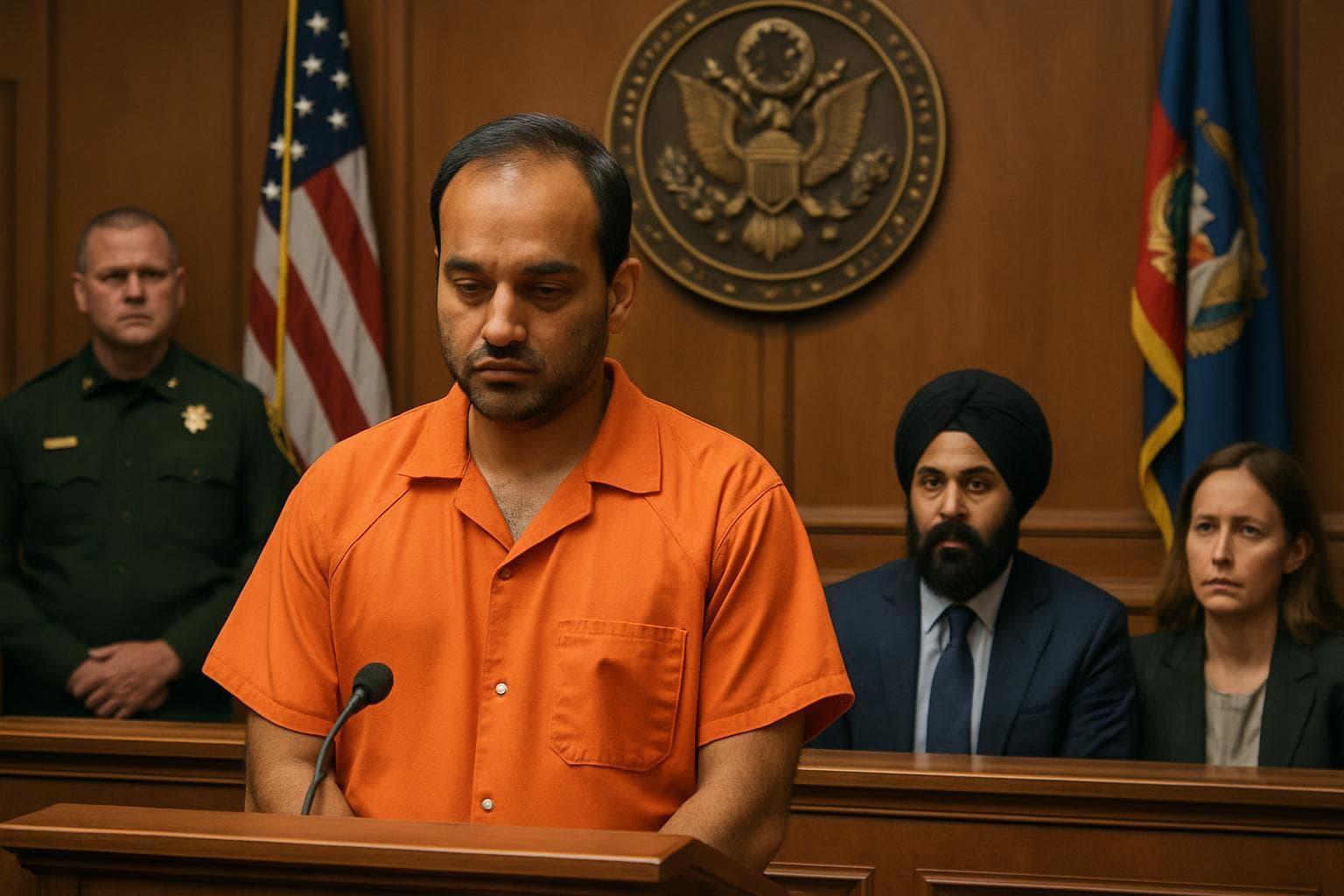
In a significant legal development, Nikhil Gupta, a 54-year-old Indian national, has pleaded guilty in a US federal court to charges related to a murder-for-hire plot targeting Gurpatwant Singh Pannun, a prominent Sikh activist based in New York. Gupta admitted to charges of murder-for-hire, conspiracy to commit murder-for-hire, and money laundering, facing a potential sentence of up to 40 years in prison.
Alleged Government Involvement
Prosecutors allege that Gupta was recruited by Vikash Yadav, an employee of the Indian government's Cabinet Secretariat, to orchestrate the assassination of Pannun, who is known for advocating the Khalistan movement—a campaign for a sovereign Sikh state in northern India. The indictment claims that Gupta met with Yadav in Delhi in May 2023 to discuss the plot, which involved hiring a hitman to carry out the murder in New York. However, the supposed hitman was an undercover agent working with the US Drug Enforcement Administration.
Diplomatic Tensions
The case has added tension to US-India diplomatic relations, with India denying any involvement in the plot. Pannun, who leads the New York-based group Sikhs for Justice, described Gupta's guilty plea as "judicial confirmation" of the Indian government's involvement in an assassination plot on American soil. He criticized the Modi administration for allegedly targeting him for exercising his First Amendment rights in the US.
Broader Context
The plot against Pannun is linked to the broader context of the Khalistan movement, which, while not prominent in India, continues to have support among the Sikh diaspora. The case also follows the murder of another Sikh activist, Hardeep Singh Nijjar, in Canada, which Canadian authorities have linked to Indian government agents—a claim India has dismissed as politically motivated.
WHAT THIS MIGHT MEAN
The guilty plea by Nikhil Gupta could have significant implications for US-India relations, particularly if further evidence emerges linking Indian officials to the plot. The case may prompt the US to reassess its diplomatic stance and security protocols concerning foreign influence and interference. Legal experts suggest that the outcome of Gupta's sentencing could set a precedent for how the US handles similar cases of international political plots on its soil. As the investigation continues, the focus may also shift to securing the arrest of Vikash Yadav, who remains at large, potentially complicating diplomatic negotiations between the two nations.
Related Articles

Canada Calls for De-escalation Amid US-Israel Strikes on Iran

OpenAI's Missed Warning: Tumbler Ridge Shooting Raises Questions on AI's Role in Violence Prevention

Bill Gates Withdraws from India AI Summit Amid Epstein Controversy

Canada and Australia Forge Strategic Partnership Amid Global Uncertainty

Iran Postpones Khamenei Funeral Amid Escalating US-Israeli Strikes

El Mencho's Death Sparks Violent Unrest Across Mexico
Indian National Pleads Guilty in US Murder-for-Hire Plot Targeting Sikh Activist
In This Article
 Sofia Romano| Published
 HIGHLIGHTS
- Nikhil Gupta, an Indian national, pleaded guilty to charges related to a murder-for-hire plot targeting US-based Sikh activist Gurpatwant Singh Pannun.
- Gupta faces up to 40 years in prison for murder-for-hire, conspiracy to commit murder-for-hire, and money laundering.
- Prosecutors allege Gupta was directed by Vikash Yadav, an Indian government official, to carry out the assassination.
- The plot is linked to the broader Khalistan movement, which advocates for a Sikh homeland in India.
- The case has strained US-India relations, with India denying any involvement in the plot.
In a significant legal development, Nikhil Gupta, a 54-year-old Indian national, has pleaded guilty in a US federal court to charges related to a murder-for-hire plot targeting Gurpatwant Singh Pannun, a prominent Sikh activist based in New York. Gupta admitted to charges of murder-for-hire, conspiracy to commit murder-for-hire, and money laundering, facing a potential sentence of up to 40 years in prison.
Alleged Government Involvement
Prosecutors allege that Gupta was recruited by Vikash Yadav, an employee of the Indian government's Cabinet Secretariat, to orchestrate the assassination of Pannun, who is known for advocating the Khalistan movement—a campaign for a sovereign Sikh state in northern India. The indictment claims that Gupta met with Yadav in Delhi in May 2023 to discuss the plot, which involved hiring a hitman to carry out the murder in New York. However, the supposed hitman was an undercover agent working with the US Drug Enforcement Administration.
Diplomatic Tensions
The case has added tension to US-India diplomatic relations, with India denying any involvement in the plot. Pannun, who leads the New York-based group Sikhs for Justice, described Gupta's guilty plea as "judicial confirmation" of the Indian government's involvement in an assassination plot on American soil. He criticized the Modi administration for allegedly targeting him for exercising his First Amendment rights in the US.
Broader Context
The plot against Pannun is linked to the broader context of the Khalistan movement, which, while not prominent in India, continues to have support among the Sikh diaspora. The case also follows the murder of another Sikh activist, Hardeep Singh Nijjar, in Canada, which Canadian authorities have linked to Indian government agents—a claim India has dismissed as politically motivated.
WHAT THIS MIGHT MEAN
The guilty plea by Nikhil Gupta could have significant implications for US-India relations, particularly if further evidence emerges linking Indian officials to the plot. The case may prompt the US to reassess its diplomatic stance and security protocols concerning foreign influence and interference. Legal experts suggest that the outcome of Gupta's sentencing could set a precedent for how the US handles similar cases of international political plots on its soil. As the investigation continues, the focus may also shift to securing the arrest of Vikash Yadav, who remains at large, potentially complicating diplomatic negotiations between the two nations.
Related Articles
Canada Calls for De-escalation Amid US-Israel Strikes on Iran
OpenAI's Missed Warning: Tumbler Ridge Shooting Raises Questions on AI's Role in Violence Prevention
Bill Gates Withdraws from India AI Summit Amid Epstein Controversy
Canada and Australia Forge Strategic Partnership Amid Global Uncertainty
Iran Postpones Khamenei Funeral Amid Escalating US-Israeli Strikes
El Mencho's Death Sparks Violent Unrest Across Mexico