
Inquest Finds Unlawful Killing of Teen at Psychiatric Hospital Amid Systemic Failures

In This Article
HIGHLIGHTS
- A 14-year-old girl, Ruth Szymankiewicz, was unlawfully killed at Huntercombe Hospital due to inadequate supervision by an agency worker with false credentials.
- The inquest revealed systemic failures at the hospital, including insufficient staff training and restricted family visits, contributing to Ruth's death.
- Ruth's parents, both healthcare professionals, criticized the mental health system for failing their daughter and called for urgent reforms.
- The Care Quality Commission had previously rated the hospital as inadequate, highlighting ongoing issues in children's mental health services.
- The agency worker, Ebo Acheampong, fled to Ghana after the incident, and no prosecution has been pursued by Thames Valley Police.
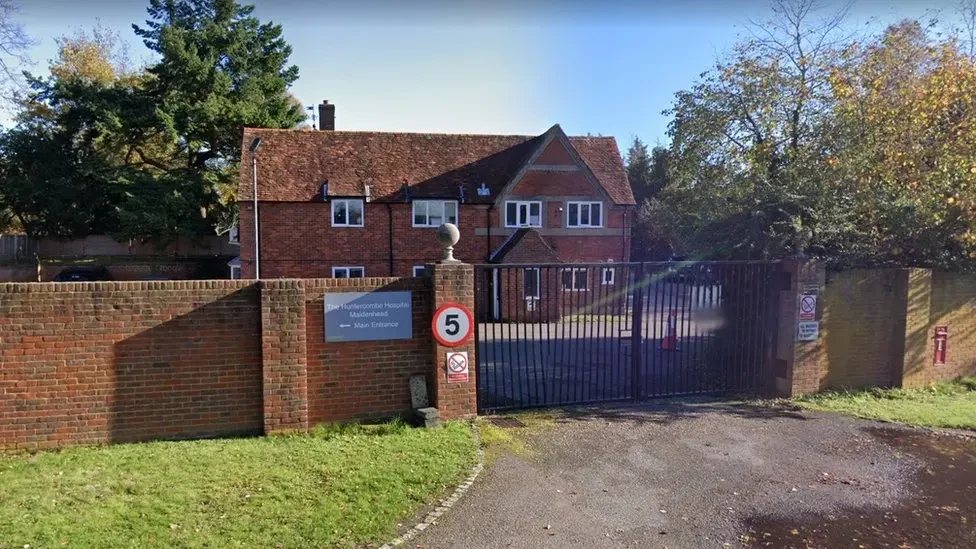
A 14-year-old girl, Ruth Szymankiewicz, was unlawfully killed at Huntercombe Hospital near Maidenhead, Berkshire, after being left unsupervised by an agency worker with falsified credentials, an inquest jury has concluded. The tragic incident, which occurred on February 12, 2022, has sparked renewed scrutiny of the mental health care system for children and adolescents.
Systemic Failures at Huntercombe Hospital
Ruth, who was being treated for an eating disorder, was supposed to be under constant observation due to her vulnerability and suicide risk. However, the agency worker, Ebo Acheampong, who was on his first shift and lacked proper training, left her unattended. This lapse allowed Ruth to return to her room, where she harmed herself. She was found unconscious and died two days later at John Radcliffe Hospital in Oxford.
The inquest highlighted several systemic issues at Huntercombe Hospital, which had been rated as inadequate by the Care Quality Commission. More than half of the staff scheduled to work on Ruth's ward were absent, leading to the hiring of unqualified agency staff. The jury noted that Ruth's care was not conducive to her recovery, as she was not prevented from accessing harmful material online and did not receive necessary therapy.
Family's Call for Reform
Ruth's parents, Kate and Mark Szymankiewicz, both healthcare professionals, expressed their devastation and called for urgent reforms in children's mental health services. "When at our most vulnerable as a family, we reached out for help, but instead found ourselves trapped in a system that harmed her," they stated. They hope that sharing Ruth's story will drive change in the system.
Broader Implications for Mental Health Services
The case has underscored broader issues within the mental health care system, particularly the reliance on agency staff in psychiatric units. Andrew Molodynski, the British Medical Association’s mental health lead, pointed out the "gap in accountability" regarding the training and vetting of agency workers. He emphasized the need for more robust oversight, especially in facilities caring for high-risk individuals like Ruth.
WHAT THIS MIGHT MEAN
The findings from Ruth's inquest could lead to increased scrutiny and potential reforms in the mental health care sector, particularly concerning the use of agency staff. There may be calls for stricter regulations and improved training standards to prevent similar tragedies. Additionally, the case could prompt a reevaluation of the Care Quality Commission's role in monitoring and enforcing standards in psychiatric facilities. As the conversation around mental health services continues, stakeholders may push for systemic changes to ensure the safety and well-being of vulnerable patients.
Images from the Web

Related Articles

Persistent Safety Concerns in Nottingham Maternity Services Amidst Calls for Systemic Reform

Andrew Mountbatten-Windsor's Arrest Sparks International Calls for Justice

Nottingham Attacks Inquiry: Families Demand Accountability and Truth
MPs Weigh Inquiry into Andrew Mountbatten-Windsor's Trade Envoy Role Amid Arrest

Arrest of Andrew Mountbatten-Windsor Captured in Iconic Photograph

UK Police Intensify Investigation into Andrew Mountbatten-Windsor Amid Misconduct Allegations
Inquest Finds Unlawful Killing of Teen at Psychiatric Hospital Amid Systemic Failures
In This Article
 Maya Singh| Published
 HIGHLIGHTS
- A 14-year-old girl, Ruth Szymankiewicz, was unlawfully killed at Huntercombe Hospital due to inadequate supervision by an agency worker with false credentials.
- The inquest revealed systemic failures at the hospital, including insufficient staff training and restricted family visits, contributing to Ruth's death.
- Ruth's parents, both healthcare professionals, criticized the mental health system for failing their daughter and called for urgent reforms.
- The Care Quality Commission had previously rated the hospital as inadequate, highlighting ongoing issues in children's mental health services.
- The agency worker, Ebo Acheampong, fled to Ghana after the incident, and no prosecution has been pursued by Thames Valley Police.
A 14-year-old girl, Ruth Szymankiewicz, was unlawfully killed at Huntercombe Hospital near Maidenhead, Berkshire, after being left unsupervised by an agency worker with falsified credentials, an inquest jury has concluded. The tragic incident, which occurred on February 12, 2022, has sparked renewed scrutiny of the mental health care system for children and adolescents.
Systemic Failures at Huntercombe Hospital
Ruth, who was being treated for an eating disorder, was supposed to be under constant observation due to her vulnerability and suicide risk. However, the agency worker, Ebo Acheampong, who was on his first shift and lacked proper training, left her unattended. This lapse allowed Ruth to return to her room, where she harmed herself. She was found unconscious and died two days later at John Radcliffe Hospital in Oxford.
The inquest highlighted several systemic issues at Huntercombe Hospital, which had been rated as inadequate by the Care Quality Commission. More than half of the staff scheduled to work on Ruth's ward were absent, leading to the hiring of unqualified agency staff. The jury noted that Ruth's care was not conducive to her recovery, as she was not prevented from accessing harmful material online and did not receive necessary therapy.
Family's Call for Reform
Ruth's parents, Kate and Mark Szymankiewicz, both healthcare professionals, expressed their devastation and called for urgent reforms in children's mental health services. "When at our most vulnerable as a family, we reached out for help, but instead found ourselves trapped in a system that harmed her," they stated. They hope that sharing Ruth's story will drive change in the system.
Broader Implications for Mental Health Services
The case has underscored broader issues within the mental health care system, particularly the reliance on agency staff in psychiatric units. Andrew Molodynski, the British Medical Association’s mental health lead, pointed out the "gap in accountability" regarding the training and vetting of agency workers. He emphasized the need for more robust oversight, especially in facilities caring for high-risk individuals like Ruth.
WHAT THIS MIGHT MEAN
The findings from Ruth's inquest could lead to increased scrutiny and potential reforms in the mental health care sector, particularly concerning the use of agency staff. There may be calls for stricter regulations and improved training standards to prevent similar tragedies. Additionally, the case could prompt a reevaluation of the Care Quality Commission's role in monitoring and enforcing standards in psychiatric facilities. As the conversation around mental health services continues, stakeholders may push for systemic changes to ensure the safety and well-being of vulnerable patients.
Images from the Web
Related Articles
Persistent Safety Concerns in Nottingham Maternity Services Amidst Calls for Systemic Reform
Andrew Mountbatten-Windsor's Arrest Sparks International Calls for Justice
Nottingham Attacks Inquiry: Families Demand Accountability and Truth
MPs Weigh Inquiry into Andrew Mountbatten-Windsor's Trade Envoy Role Amid Arrest
Arrest of Andrew Mountbatten-Windsor Captured in Iconic Photograph
UK Police Intensify Investigation into Andrew Mountbatten-Windsor Amid Misconduct Allegations