
Tensions Rise as Jenrick Defects to Reform UK Amid Conservative Criticism

In This Article
HIGHLIGHTS
- Robert Jenrick, former Shadow Justice Secretary, defected from the Conservative Party to Reform UK, sparking tensions.
- Kemi Badenoch criticized Jenrick's move, labeling him dishonest and dismissing his departure as insignificant.
- Fylde MP Andrew Snowden remains loyal to the Conservatives, dismissing Reform UK as a "dumping ground."
- The Conservatives plan to attack Reform UK's economic policies, viewing them as a key weakness.
- Internal Conservative polling suggests a shift in voter focus from migration to economic issues could benefit the party.
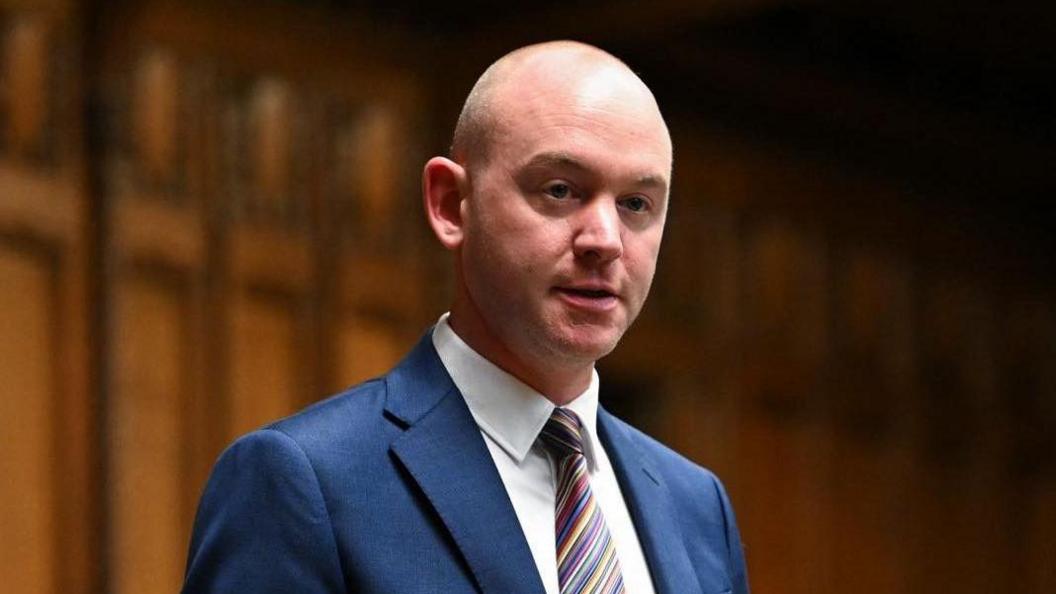
The political landscape in the UK is witnessing a significant shake-up as Robert Jenrick, the former Shadow Justice Secretary, announced his defection from the Conservative Party to Reform UK. This move has intensified the rivalry between the two right-wing parties, with Conservative leader Kemi Badenoch dismissing Jenrick's departure as inconsequential and accusing him of dishonesty.
Jenrick's defection follows his removal from the shadow cabinet by Badenoch, who described Nigel Farage's Reform UK as a "dumping ground" for disillusioned Tories. In a recent interview, Jenrick criticized the current Conservative leadership, claiming that those responsible for damaging the party's reputation remain in control. He argued that his move was aimed at "uniting the right" to challenge the Labour government.
Despite the defections, including notable figures like former Chancellor Nadhim Zahawi, Fylde MP Andrew Snowden has reaffirmed his commitment to the Conservatives. Snowden described Reform UK as a "B team" and expressed confidence that voters would return to the Tories, citing their historical role in stabilizing the country's finances and foreign affairs.
The Conservative Party is preparing to counter Reform UK's influence by focusing on economic policy, which internal polling identifies as a vulnerability for Farage's party. Badenoch and her team are optimistic that a shift in voter priorities from migration to economic issues will bolster their position in upcoming elections in Scotland, Wales, and English councils.
As the political right in the UK faces potential fragmentation, Badenoch has ruled out any alliance with Reform UK, emphasizing her commitment to leading the Conservatives as a standalone force. She questioned the credibility of Jenrick and his new party, stating, "How do you do a deal with liars?"
WHAT THIS MIGHT MEAN
The defection of Robert Jenrick to Reform UK could signal a broader realignment within the UK's right-wing political spectrum. If more Conservative MPs follow suit, it may lead to a significant shift in voter dynamics, potentially fragmenting the right-wing vote. This scenario could benefit the Labour Party by weakening its primary opposition.
Conversely, if the Conservatives successfully capitalize on Reform UK's perceived weaknesses, particularly in economic policy, they may consolidate their base and regain lost ground. The upcoming elections will be a critical test of both parties' strategies and could reshape the political landscape ahead of the next general election.
Experts suggest that the Conservatives' ability to address internal criticisms and present a cohesive economic vision will be crucial in countering Reform UK's growing appeal. As the political climate evolves, the focus will likely remain on how each party navigates these challenges and appeals to an electorate seeking stability and effective governance.
Images from the Web
Related Articles

Reform UK Aims to Reshape Welsh Politics with New Manifesto

Labour MP's Husband Arrested in UK-China Espionage Probe

Reform UK to Reinstate Two-Child Benefit Cap Amidst Political Controversy

Government U-turn Forces Local Elections in Lancashire and Essex Amid Reorganisation Plans

UK Government to Reform Asylum Seeker Support and Employment Policies

UK-Iran Tensions: Starmer Defends Cautious Approach Amid Trump Criticism
Tensions Rise as Jenrick Defects to Reform UK Amid Conservative Criticism
In This Article
 Alex Carter| Published
 HIGHLIGHTS
- Robert Jenrick, former Shadow Justice Secretary, defected from the Conservative Party to Reform UK, sparking tensions.
- Kemi Badenoch criticized Jenrick's move, labeling him dishonest and dismissing his departure as insignificant.
- Fylde MP Andrew Snowden remains loyal to the Conservatives, dismissing Reform UK as a "dumping ground."
- The Conservatives plan to attack Reform UK's economic policies, viewing them as a key weakness.
- Internal Conservative polling suggests a shift in voter focus from migration to economic issues could benefit the party.
The political landscape in the UK is witnessing a significant shake-up as Robert Jenrick, the former Shadow Justice Secretary, announced his defection from the Conservative Party to Reform UK. This move has intensified the rivalry between the two right-wing parties, with Conservative leader Kemi Badenoch dismissing Jenrick's departure as inconsequential and accusing him of dishonesty.
Jenrick's defection follows his removal from the shadow cabinet by Badenoch, who described Nigel Farage's Reform UK as a "dumping ground" for disillusioned Tories. In a recent interview, Jenrick criticized the current Conservative leadership, claiming that those responsible for damaging the party's reputation remain in control. He argued that his move was aimed at "uniting the right" to challenge the Labour government.
Despite the defections, including notable figures like former Chancellor Nadhim Zahawi, Fylde MP Andrew Snowden has reaffirmed his commitment to the Conservatives. Snowden described Reform UK as a "B team" and expressed confidence that voters would return to the Tories, citing their historical role in stabilizing the country's finances and foreign affairs.
The Conservative Party is preparing to counter Reform UK's influence by focusing on economic policy, which internal polling identifies as a vulnerability for Farage's party. Badenoch and her team are optimistic that a shift in voter priorities from migration to economic issues will bolster their position in upcoming elections in Scotland, Wales, and English councils.
As the political right in the UK faces potential fragmentation, Badenoch has ruled out any alliance with Reform UK, emphasizing her commitment to leading the Conservatives as a standalone force. She questioned the credibility of Jenrick and his new party, stating, "How do you do a deal with liars?"
WHAT THIS MIGHT MEAN
The defection of Robert Jenrick to Reform UK could signal a broader realignment within the UK's right-wing political spectrum. If more Conservative MPs follow suit, it may lead to a significant shift in voter dynamics, potentially fragmenting the right-wing vote. This scenario could benefit the Labour Party by weakening its primary opposition.
Conversely, if the Conservatives successfully capitalize on Reform UK's perceived weaknesses, particularly in economic policy, they may consolidate their base and regain lost ground. The upcoming elections will be a critical test of both parties' strategies and could reshape the political landscape ahead of the next general election.
Experts suggest that the Conservatives' ability to address internal criticisms and present a cohesive economic vision will be crucial in countering Reform UK's growing appeal. As the political climate evolves, the focus will likely remain on how each party navigates these challenges and appeals to an electorate seeking stability and effective governance.
Images from the Web
Related Articles
Reform UK Aims to Reshape Welsh Politics with New Manifesto
Labour MP's Husband Arrested in UK-China Espionage Probe
Reform UK to Reinstate Two-Child Benefit Cap Amidst Political Controversy
Government U-turn Forces Local Elections in Lancashire and Essex Amid Reorganisation Plans
UK Government to Reform Asylum Seeker Support and Employment Policies
UK-Iran Tensions: Starmer Defends Cautious Approach Amid Trump Criticism