
Jeremy Corbyn's New Political Party: A Potential Game-Changer in UK Politics
In This Article
HIGHLIGHTS
- Jeremy Corbyn has announced plans to form a new political party, aiming to challenge the "rich and powerful" and contest upcoming local elections.
- Polling suggests Corbyn's party could capture 10% of the vote, potentially impacting Labour and Green Party support.
- Green Party leadership candidate Zack Polanski is open to collaborating with Corbyn's party, though internal party consensus is required.
- The new party, tentatively named "Your Party," is expected to appeal to younger voters, particularly in urban areas.
- The potential alliance between Corbyn's party and the Greens could reshape the UK political landscape, affecting Labour's electoral prospects.
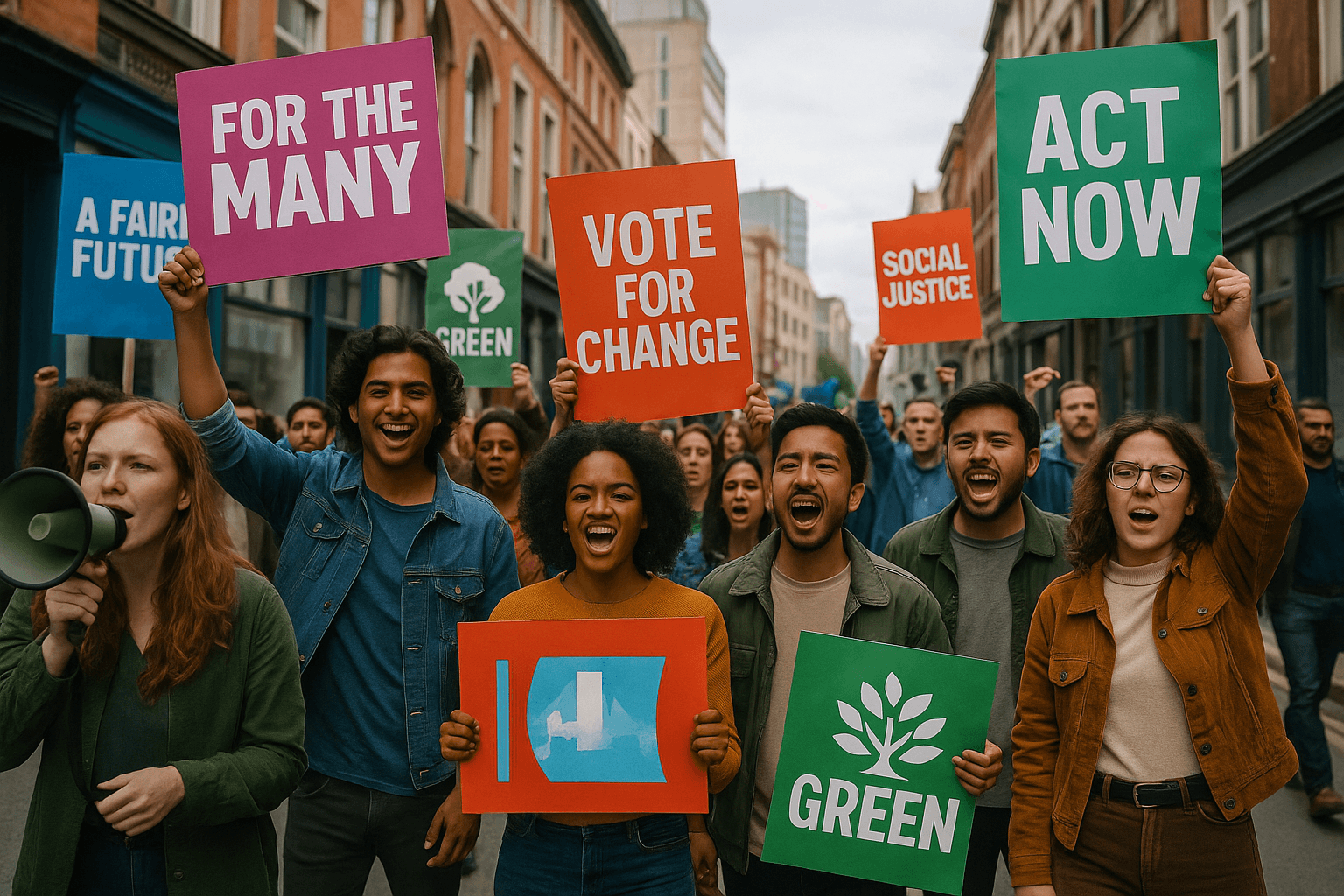
Former Labour leader Jeremy Corbyn has unveiled plans to establish a new political party, aiming to create a "democratic movement" capable of challenging entrenched power structures. Although the party remains unnamed, Corbyn intends to field candidates in the upcoming local elections, setting the stage for a significant shift in the UK political landscape.
Potential Impact on Labour and Greens
Recent polling by More In Common indicates that a Corbyn-led party could secure 10% of the vote, potentially siphoning support from both the Labour and Green parties. The poll suggests Labour could lose three percentage points, while the Greens, who were second to Labour in 40 constituencies during the last general election, may face even greater challenges. The new party's appeal is expected to resonate with younger voters, particularly in urban areas like Birmingham and parts of London, where pro-Gaza independents have previously performed well.
Green Party's Response and Possible Alliances
Zack Polanski, a candidate for the Green Party leadership, has expressed openness to collaborating with Corbyn's new venture. However, he emphasized that any decision would ultimately rest with Green Party members. Polanski's stance contrasts with other Green leaders, such as Adrian Ramsay and Ellie Chowns, who caution against becoming a "Jeremy Corbyn support act." The potential for an electoral pact between the Greens and Corbyn's party could unseat numerous Labour MPs, though the specifics of such an arrangement remain uncertain.
Strategic Considerations and Future Prospects
The formation of Corbyn's party, provisionally called "Your Party," has sparked discussions about strategic alliances and the broader implications for British politics. James Schneider, a close ally of Corbyn, advocates for a pact with the Greens, suggesting it would be mutually beneficial. Meanwhile, Green Party leadership candidate Zack Polanski has positioned his campaign around building a mass-membership "eco-populism" organization to challenge both Labour and Reform UK.
WHAT THIS MIGHT MEAN
The emergence of Jeremy Corbyn's new party could significantly alter the UK's political dynamics, particularly if it gains traction among younger voters and urban constituencies. Should the party succeed in forming an alliance with the Greens, it could pose a formidable challenge to Labour, potentially reshaping the electoral map. However, the success of such a collaboration hinges on internal consensus within the Green Party and the ability to present a united front against common adversaries.
As the political landscape continues to evolve, the potential for a fragmented left-wing vote could inadvertently benefit right-wing parties like Reform UK and the Conservatives. The coming months will be crucial in determining whether Corbyn's new party can establish itself as a viable political force and whether it can forge the necessary alliances to influence future elections.
Related Articles
Government U-turn Forces Local Elections in Lancashire and Essex Amid Reorganisation Plans
Reform UK Aims to Reshape Welsh Politics with New Manifesto
Reform UK to Reinstate Two-Child Benefit Cap Amidst Political Controversy

Global Counsel Faces Collapse Amidst Epstein Scandal Fallout
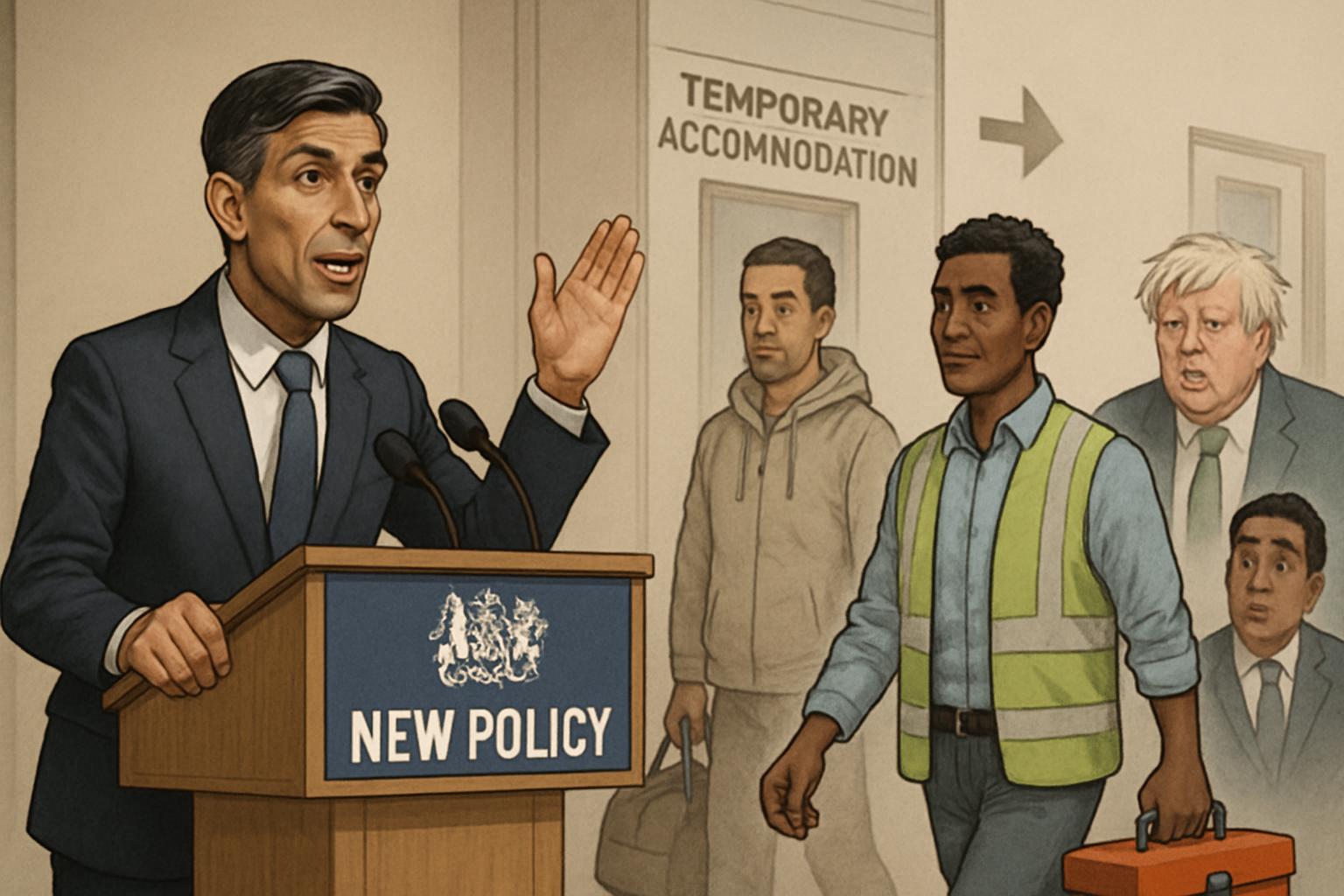
UK Government to Reform Asylum Seeker Support and Employment Policies

Labour MP's Husband Arrested in UK-China Espionage Probe
Jeremy Corbyn's New Political Party: A Potential Game-Changer in UK Politics
In This Article
 Alex Carter| Published
 HIGHLIGHTS
- Jeremy Corbyn has announced plans to form a new political party, aiming to challenge the "rich and powerful" and contest upcoming local elections.
- Polling suggests Corbyn's party could capture 10% of the vote, potentially impacting Labour and Green Party support.
- Green Party leadership candidate Zack Polanski is open to collaborating with Corbyn's party, though internal party consensus is required.
- The new party, tentatively named "Your Party," is expected to appeal to younger voters, particularly in urban areas.
- The potential alliance between Corbyn's party and the Greens could reshape the UK political landscape, affecting Labour's electoral prospects.
Former Labour leader Jeremy Corbyn has unveiled plans to establish a new political party, aiming to create a "democratic movement" capable of challenging entrenched power structures. Although the party remains unnamed, Corbyn intends to field candidates in the upcoming local elections, setting the stage for a significant shift in the UK political landscape.
Potential Impact on Labour and Greens
Recent polling by More In Common indicates that a Corbyn-led party could secure 10% of the vote, potentially siphoning support from both the Labour and Green parties. The poll suggests Labour could lose three percentage points, while the Greens, who were second to Labour in 40 constituencies during the last general election, may face even greater challenges. The new party's appeal is expected to resonate with younger voters, particularly in urban areas like Birmingham and parts of London, where pro-Gaza independents have previously performed well.
Green Party's Response and Possible Alliances
Zack Polanski, a candidate for the Green Party leadership, has expressed openness to collaborating with Corbyn's new venture. However, he emphasized that any decision would ultimately rest with Green Party members. Polanski's stance contrasts with other Green leaders, such as Adrian Ramsay and Ellie Chowns, who caution against becoming a "Jeremy Corbyn support act." The potential for an electoral pact between the Greens and Corbyn's party could unseat numerous Labour MPs, though the specifics of such an arrangement remain uncertain.
Strategic Considerations and Future Prospects
The formation of Corbyn's party, provisionally called "Your Party," has sparked discussions about strategic alliances and the broader implications for British politics. James Schneider, a close ally of Corbyn, advocates for a pact with the Greens, suggesting it would be mutually beneficial. Meanwhile, Green Party leadership candidate Zack Polanski has positioned his campaign around building a mass-membership "eco-populism" organization to challenge both Labour and Reform UK.
WHAT THIS MIGHT MEAN
The emergence of Jeremy Corbyn's new party could significantly alter the UK's political dynamics, particularly if it gains traction among younger voters and urban constituencies. Should the party succeed in forming an alliance with the Greens, it could pose a formidable challenge to Labour, potentially reshaping the electoral map. However, the success of such a collaboration hinges on internal consensus within the Green Party and the ability to present a united front against common adversaries.
As the political landscape continues to evolve, the potential for a fragmented left-wing vote could inadvertently benefit right-wing parties like Reform UK and the Conservatives. The coming months will be crucial in determining whether Corbyn's new party can establish itself as a viable political force and whether it can forge the necessary alliances to influence future elections.
Related Articles
Government U-turn Forces Local Elections in Lancashire and Essex Amid Reorganisation Plans
Reform UK Aims to Reshape Welsh Politics with New Manifesto
Reform UK to Reinstate Two-Child Benefit Cap Amidst Political Controversy
Global Counsel Faces Collapse Amidst Epstein Scandal Fallout
UK Government to Reform Asylum Seeker Support and Employment Policies
Labour MP's Husband Arrested in UK-China Espionage Probe