
Hong Kong Tycoon Jimmy Lai Convicted Under National Security Law Amid Global Outcry
In This Article
HIGHLIGHTS
- Jimmy Lai, a prominent Hong Kong media tycoon, was found guilty of colluding with foreign forces under the national security law.
- The 78-year-old faces life imprisonment, with sentencing expected early next year, and has been in jail since December 2020.
- Rights groups and international bodies have condemned the verdict as a politically motivated attack on press freedom.
- Lai was accused of using his newspaper, Apple Daily, to lobby foreign governments against Hong Kong and China.
- The trial, lasting over two years, has been criticized for undermining Hong Kong's judicial independence and democracy.
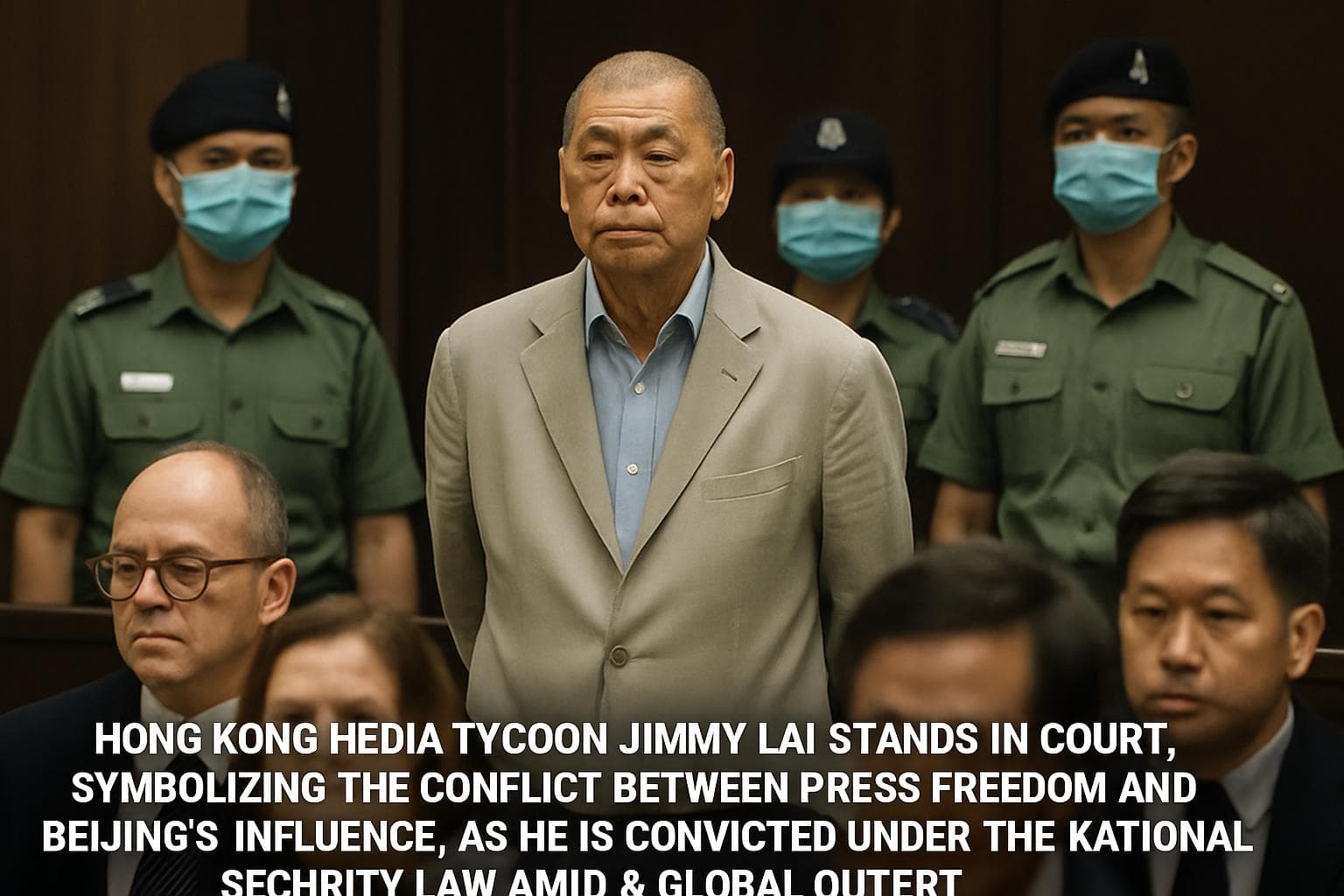
In a landmark ruling that has drawn international condemnation, Hong Kong media tycoon Jimmy Lai has been found guilty of colluding with foreign forces under the city's controversial national security law. The 78-year-old, who has been in custody since December 2020, now faces the possibility of life imprisonment, with sentencing scheduled for early next year.
Lai, a British citizen and a vocal critic of the Chinese government, was accused of using his now-defunct newspaper, Apple Daily, to solicit foreign intervention against Hong Kong and China. The court found that Lai's actions were part of a broader conspiracy to destabilize the Chinese government, a charge he has consistently denied. "I never asked foreign officials to take concrete action on Hong Kong," Lai testified, emphasizing that his interactions with international figures were merely to inform them of the situation in Hong Kong.
The trial, which stretched over two years, has been widely criticized by rights groups and international observers. Amnesty International described the conviction as a "death knell for press freedom in Hong Kong," while the Committee to Protect Journalists labeled it a "sham conviction." The UK government, echoing these sentiments, called for Lai's immediate release, asserting that the prosecution was politically motivated.
Hong Kong's Chief Executive John Lee, however, welcomed the verdict, asserting that Lai's actions had harmed the city's interests. The national security law, enacted in 2020 without local legislative consultation, has been used to target dissent and has led to the arrest of numerous activists and journalists.
Lai's conviction marks a significant moment in Hong Kong's legal landscape, highlighting the tensions between the city's judicial independence and Beijing's influence. As Lai's family and supporters await the next court date on January 12, the global community continues to watch closely, concerned about the implications for press freedom and democracy in Hong Kong.
WHAT THIS MIGHT MEAN
The conviction of Jimmy Lai under Hong Kong's national security law has far-reaching implications for the city's legal and political landscape. As Lai prepares for a potential appeal, the case underscores the increasing pressure on Hong Kong's judiciary to align with Beijing's directives. Experts warn that this could further erode judicial independence and stifle dissent in the city.
Internationally, the verdict may strain Hong Kong's relations with Western nations, particularly the UK, which has been vocal in its criticism. The case also serves as a cautionary tale for other media and pro-democracy activists in Hong Kong, potentially leading to increased self-censorship and a chilling effect on press freedom.
As the global community continues to monitor the situation, the outcome of Lai's sentencing and any subsequent appeals will be pivotal in determining the future of civil liberties and democratic principles in Hong Kong.
Images from the Web
Related Articles

UK Faces Dilemmas Amid Iran Conflict and China Spying Allegations

Labour MP's Husband Arrested in UK-China Espionage Probe
Prince Andrew's Ties to Epstein Under Scrutiny Amid Calls for Inquiry
Government Criticized for Mishandling Maccabi Tel Aviv Fan Ban

Prince Andrew's Arrest Intensifies Scrutiny on Royal Succession and Prince William's Future Role
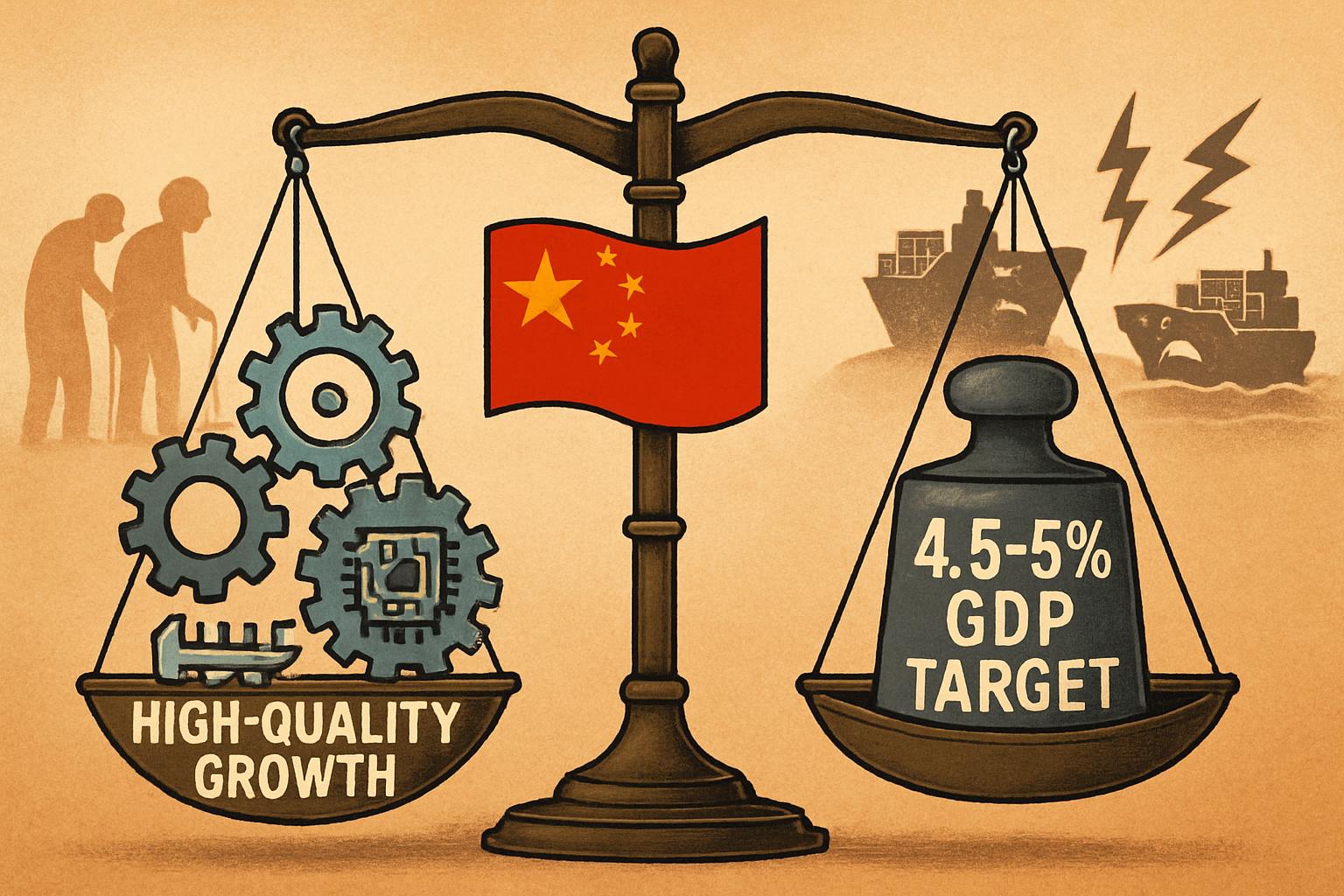
China Sets Lowest GDP Growth Target in Decades Amid Economic Challenges
Hong Kong Tycoon Jimmy Lai Convicted Under National Security Law Amid Global Outcry
In This Article
 Ethan Brooks| Published
 HIGHLIGHTS
- Jimmy Lai, a prominent Hong Kong media tycoon, was found guilty of colluding with foreign forces under the national security law.
- The 78-year-old faces life imprisonment, with sentencing expected early next year, and has been in jail since December 2020.
- Rights groups and international bodies have condemned the verdict as a politically motivated attack on press freedom.
- Lai was accused of using his newspaper, Apple Daily, to lobby foreign governments against Hong Kong and China.
- The trial, lasting over two years, has been criticized for undermining Hong Kong's judicial independence and democracy.
In a landmark ruling that has drawn international condemnation, Hong Kong media tycoon Jimmy Lai has been found guilty of colluding with foreign forces under the city's controversial national security law. The 78-year-old, who has been in custody since December 2020, now faces the possibility of life imprisonment, with sentencing scheduled for early next year.
Lai, a British citizen and a vocal critic of the Chinese government, was accused of using his now-defunct newspaper, Apple Daily, to solicit foreign intervention against Hong Kong and China. The court found that Lai's actions were part of a broader conspiracy to destabilize the Chinese government, a charge he has consistently denied. "I never asked foreign officials to take concrete action on Hong Kong," Lai testified, emphasizing that his interactions with international figures were merely to inform them of the situation in Hong Kong.
The trial, which stretched over two years, has been widely criticized by rights groups and international observers. Amnesty International described the conviction as a "death knell for press freedom in Hong Kong," while the Committee to Protect Journalists labeled it a "sham conviction." The UK government, echoing these sentiments, called for Lai's immediate release, asserting that the prosecution was politically motivated.
Hong Kong's Chief Executive John Lee, however, welcomed the verdict, asserting that Lai's actions had harmed the city's interests. The national security law, enacted in 2020 without local legislative consultation, has been used to target dissent and has led to the arrest of numerous activists and journalists.
Lai's conviction marks a significant moment in Hong Kong's legal landscape, highlighting the tensions between the city's judicial independence and Beijing's influence. As Lai's family and supporters await the next court date on January 12, the global community continues to watch closely, concerned about the implications for press freedom and democracy in Hong Kong.
WHAT THIS MIGHT MEAN
The conviction of Jimmy Lai under Hong Kong's national security law has far-reaching implications for the city's legal and political landscape. As Lai prepares for a potential appeal, the case underscores the increasing pressure on Hong Kong's judiciary to align with Beijing's directives. Experts warn that this could further erode judicial independence and stifle dissent in the city.
Internationally, the verdict may strain Hong Kong's relations with Western nations, particularly the UK, which has been vocal in its criticism. The case also serves as a cautionary tale for other media and pro-democracy activists in Hong Kong, potentially leading to increased self-censorship and a chilling effect on press freedom.
As the global community continues to monitor the situation, the outcome of Lai's sentencing and any subsequent appeals will be pivotal in determining the future of civil liberties and democratic principles in Hong Kong.
Images from the Web
Related Articles
UK Faces Dilemmas Amid Iran Conflict and China Spying Allegations
Labour MP's Husband Arrested in UK-China Espionage Probe
Prince Andrew's Ties to Epstein Under Scrutiny Amid Calls for Inquiry
Government Criticized for Mishandling Maccabi Tel Aviv Fan Ban
Prince Andrew's Arrest Intensifies Scrutiny on Royal Succession and Prince William's Future Role
China Sets Lowest GDP Growth Target in Decades Amid Economic Challenges