
King Charles III Strips Andrew of Royal Titles Amid Epstein Controversy
In This Article
HIGHLIGHTS
- King Charles III has officially removed Andrew Mountbatten Windsor's titles, including HRH and Duke of York, due to his links with Jeffrey Epstein.
- The removal was formalized through a Royal Warrant and Letters Patent, published in the UK's official public record, The Gazette.
- Andrew Mountbatten Windsor will vacate his Royal Lodge home in Windsor, following the King's decision.
- Virginia Giuffre's memoir, published posthumously, reiterated allegations against Andrew, which he denies.
- The government supported the King's decision, which was executed using royal prerogative powers.
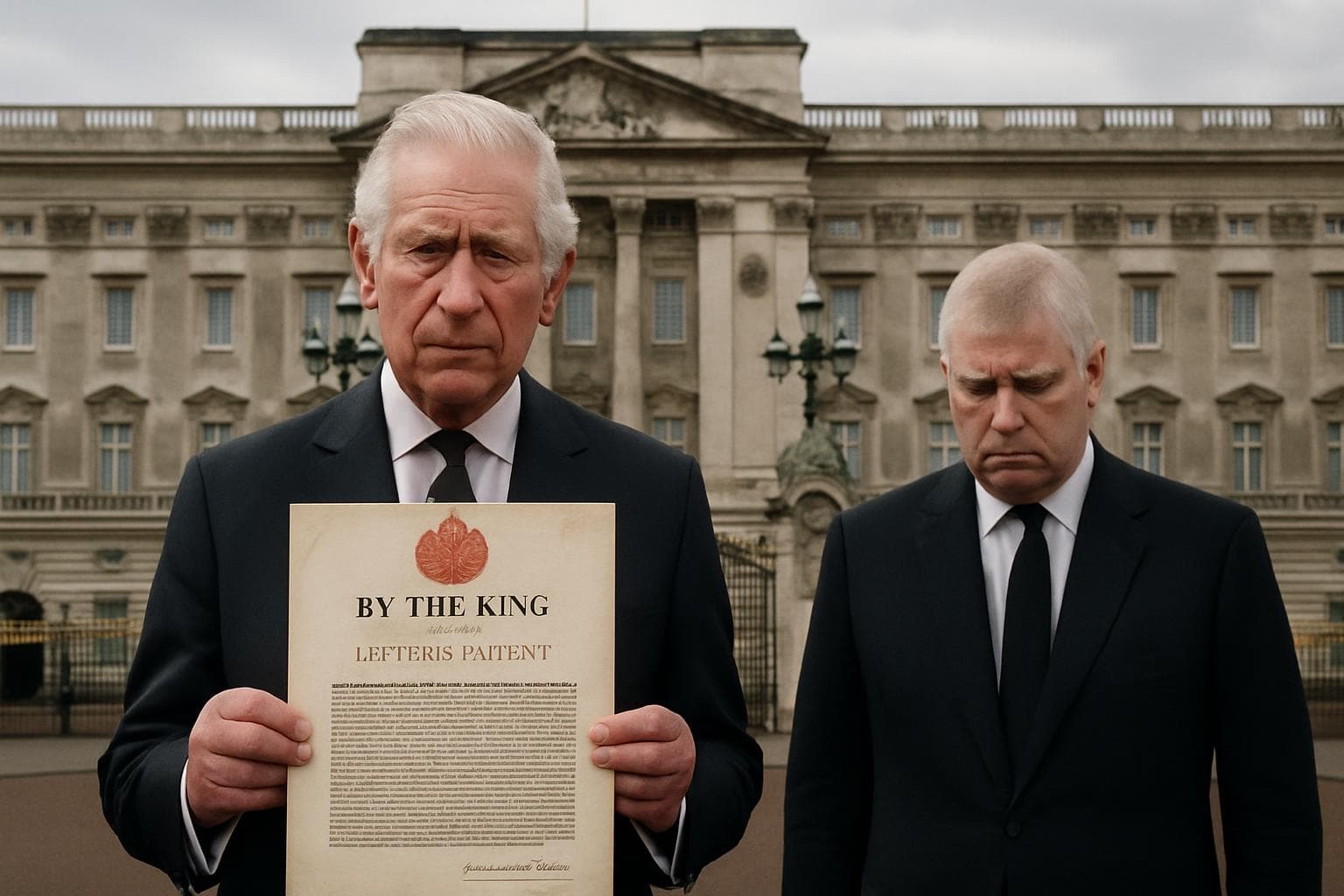
King Charles III has formally stripped his brother, Andrew Mountbatten Windsor, of his royal titles, including the style of His Royal Highness (HRH) and the Duke of York, following ongoing controversy surrounding Andrew's association with convicted sex offender Jeffrey Epstein. The decision was made official through a Royal Warrant and Letters Patent, instruments of the royal prerogative, and was published in The Gazette, the UK's official public record.
Formalization of Title Removal
The announcement, made last Thursday, was solidified by the publication of the Royal Warrant and Letters Patent under the Great Seal of the Realm, dated November 3, 2025. This legal instrument declared that Andrew Mountbatten Windsor would no longer hold the style, title, or attribute of 'Royal Highness' or the titular dignity of 'Prince'. The removal from the roll of peerage as the Duke of York was also confirmed, marking a significant step in distancing the royal family from the controversies surrounding Andrew.
Background and Controversy
The decision follows intense scrutiny over Andrew's connections with Epstein, exacerbated by the posthumous release of Virginia Giuffre's memoir. Giuffre, a prominent accuser of Epstein, reiterated allegations that Andrew had sexually abused her as a teenager, claims he has consistently denied. The King's decision to remove Andrew's titles was made using royal prerogative powers, after consultation with Cabinet Office officials, rather than through parliamentary means.
Implications for Andrew
As part of the decision, Andrew will vacate his residence at the Royal Lodge in Windsor, where he has lived for two decades. Despite the removal of his titles, he will retain his South Atlantic medal, awarded for his service during the Falklands conflict. Buckingham Palace confirmed that Andrew did not contest the King's decision, which was fully supported by the government.
WHAT THIS MIGHT MEAN
The removal of Andrew Mountbatten Windsor's titles marks a significant moment in the royal family's efforts to manage public perception and distance itself from scandal. Legally, the use of royal prerogative powers highlights the monarch's authority in matters of royal titles and honours. Politically, this move may bolster King Charles III's image as a decisive leader willing to take necessary actions to uphold the monarchy's integrity. Moving forward, Andrew's departure from public life could reduce media scrutiny, though the lingering allegations may continue to impact the royal family's reputation.
Related Articles
Andrew Mountbatten-Windsor Arrested Amid Misconduct Allegations
Arrest of Andrew Mountbatten-Windsor Sparks Unprecedented Crisis for British Monarchy
Andrew Mountbatten-Windsor Arrested: A Royal Scandal Unfolds
Prince Andrew's Arrest Intensifies Scrutiny on Royal Succession and Prince William's Future Role
UK Government Considers Removing Andrew Mountbatten-Windsor from Royal Succession Amid Arrest
Andrew Mountbatten-Windsor's Arrest Sparks International Calls for Justice
King Charles III Strips Andrew of Royal Titles Amid Epstein Controversy
In This Article
 Ethan Brooks| Published
 HIGHLIGHTS
- King Charles III has officially removed Andrew Mountbatten Windsor's titles, including HRH and Duke of York, due to his links with Jeffrey Epstein.
- The removal was formalized through a Royal Warrant and Letters Patent, published in the UK's official public record, The Gazette.
- Andrew Mountbatten Windsor will vacate his Royal Lodge home in Windsor, following the King's decision.
- Virginia Giuffre's memoir, published posthumously, reiterated allegations against Andrew, which he denies.
- The government supported the King's decision, which was executed using royal prerogative powers.
King Charles III has formally stripped his brother, Andrew Mountbatten Windsor, of his royal titles, including the style of His Royal Highness (HRH) and the Duke of York, following ongoing controversy surrounding Andrew's association with convicted sex offender Jeffrey Epstein. The decision was made official through a Royal Warrant and Letters Patent, instruments of the royal prerogative, and was published in The Gazette, the UK's official public record.
Formalization of Title Removal
The announcement, made last Thursday, was solidified by the publication of the Royal Warrant and Letters Patent under the Great Seal of the Realm, dated November 3, 2025. This legal instrument declared that Andrew Mountbatten Windsor would no longer hold the style, title, or attribute of 'Royal Highness' or the titular dignity of 'Prince'. The removal from the roll of peerage as the Duke of York was also confirmed, marking a significant step in distancing the royal family from the controversies surrounding Andrew.
Background and Controversy
The decision follows intense scrutiny over Andrew's connections with Epstein, exacerbated by the posthumous release of Virginia Giuffre's memoir. Giuffre, a prominent accuser of Epstein, reiterated allegations that Andrew had sexually abused her as a teenager, claims he has consistently denied. The King's decision to remove Andrew's titles was made using royal prerogative powers, after consultation with Cabinet Office officials, rather than through parliamentary means.
Implications for Andrew
As part of the decision, Andrew will vacate his residence at the Royal Lodge in Windsor, where he has lived for two decades. Despite the removal of his titles, he will retain his South Atlantic medal, awarded for his service during the Falklands conflict. Buckingham Palace confirmed that Andrew did not contest the King's decision, which was fully supported by the government.
WHAT THIS MIGHT MEAN
The removal of Andrew Mountbatten Windsor's titles marks a significant moment in the royal family's efforts to manage public perception and distance itself from scandal. Legally, the use of royal prerogative powers highlights the monarch's authority in matters of royal titles and honours. Politically, this move may bolster King Charles III's image as a decisive leader willing to take necessary actions to uphold the monarchy's integrity. Moving forward, Andrew's departure from public life could reduce media scrutiny, though the lingering allegations may continue to impact the royal family's reputation.
Related Articles
Andrew Mountbatten-Windsor Arrested Amid Misconduct Allegations
Arrest of Andrew Mountbatten-Windsor Sparks Unprecedented Crisis for British Monarchy
Andrew Mountbatten-Windsor Arrested: A Royal Scandal Unfolds
Prince Andrew's Arrest Intensifies Scrutiny on Royal Succession and Prince William's Future Role
UK Government Considers Removing Andrew Mountbatten-Windsor from Royal Succession Amid Arrest
Andrew Mountbatten-Windsor's Arrest Sparks International Calls for Justice