
Labour Faces Internal Rebellion as Welfare Bill Vote Proceeds Amidst Controversy
In This Article
HIGHLIGHTS
- Deputy Prime Minister Angela Rayner confirmed the welfare bill vote will proceed on Tuesday despite significant opposition from Labour MPs.
- Over 120 Labour backbenchers have signed an amendment against the bill, risking a potential defeat for the government.
- The bill aims to cut nearly £5 billion from the welfare budget by limiting access to disability benefits.
- Labour critics argue the bill lacks sufficient impact assessments and could push many into poverty.
- Conservative leader Kemi Badenoch has set conditions for supporting the bill, which the government is unlikely to meet.
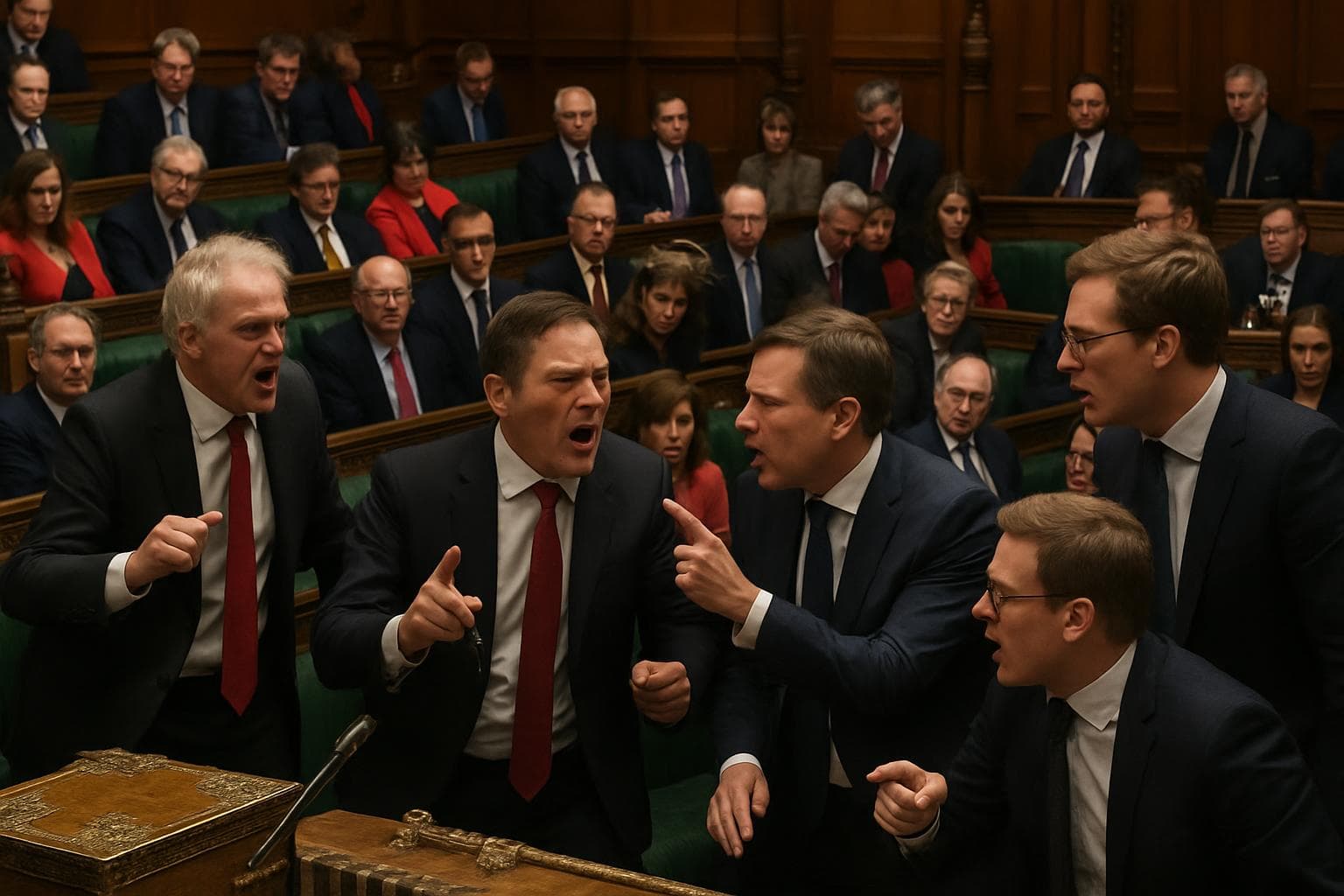
Deputy Prime Minister Angela Rayner has confirmed that the UK government will proceed with a vote on its controversial welfare bill next Tuesday, despite facing a significant rebellion from within the Labour Party. More than 120 Labour backbenchers have signed an amendment opposing the bill, which aims to cut nearly £5 billion from the welfare budget by restricting access to disability benefits.
Mounting Opposition Within Labour
The proposed welfare cuts have sparked widespread dissent among Labour MPs, with many expressing concerns over the lack of thorough impact assessments. Critics argue that the measures could drive large numbers of people into poverty. Despite the internal opposition, Rayner remains steadfast, asserting that the bill is essential to reforming a failing system and helping people back into work.
Government's Stance and Conservative Conditions
The government maintains that the bill is crucial to slowing the rising number of benefit claimants. However, the Conservatives, led by Kemi Badenoch, have set preconditions for their support, including assurances that the bill will reduce the welfare budget without increasing taxes. These conditions are unlikely to be met, leaving the bill's passage uncertain.
Efforts to Secure Support
In a bid to secure the necessary votes, senior ministers, including the chancellor and health secretary, have been actively lobbying MPs. Rayner, speaking in the Commons, emphasized the government's commitment to investing £1 billion in tailored employment support and ending reassessments for the severely disabled. She criticized the Conservatives for their lack of a coherent welfare policy.
Potential Consequences and Political Implications
The Labour leadership, under Keir Starmer, faces a challenging situation as the rebellion grows. The party's majority in the Commons could be tested if the bill fails to pass, potentially forcing the government to rely on opposition votes. Downing Street has denied claims that MPs have been threatened with suspension or deselection for opposing the bill.
WHAT THIS MIGHT MEAN
The upcoming vote on the welfare bill presents a critical test for Labour's leadership under Keir Starmer. Should the bill fail to pass, it could expose vulnerabilities within the party and challenge its ability to maintain a cohesive front. The internal rebellion also highlights broader tensions within Labour over welfare policy and the direction of the party.
If the bill passes, it may lead to significant changes in the welfare system, impacting thousands of individuals reliant on disability benefits. The government's ability to implement these reforms without exacerbating poverty will be closely scrutinized. As the situation unfolds, the political landscape could shift, influencing future policy debates and electoral dynamics in the UK.
Related Articles

UK Faces Dilemmas Amid Iran Conflict and China Spying Allegations

Labour MP's Husband Arrested in UK-China Espionage Probe

UK-Iran Tensions: Starmer Defends Cautious Approach Amid Trump Criticism

Diplomatic Tensions Rise as Trump Criticizes Starmer's Iran Policy

UK Government Announces Major Overhaul of SEND System with £3.4 Billion Investment

UK Government to Reform Asylum Seeker Support and Employment Policies
Labour Faces Internal Rebellion as Welfare Bill Vote Proceeds Amidst Controversy
In This Article
 Alex Carter| Published
 HIGHLIGHTS
- Deputy Prime Minister Angela Rayner confirmed the welfare bill vote will proceed on Tuesday despite significant opposition from Labour MPs.
- Over 120 Labour backbenchers have signed an amendment against the bill, risking a potential defeat for the government.
- The bill aims to cut nearly £5 billion from the welfare budget by limiting access to disability benefits.
- Labour critics argue the bill lacks sufficient impact assessments and could push many into poverty.
- Conservative leader Kemi Badenoch has set conditions for supporting the bill, which the government is unlikely to meet.
Deputy Prime Minister Angela Rayner has confirmed that the UK government will proceed with a vote on its controversial welfare bill next Tuesday, despite facing a significant rebellion from within the Labour Party. More than 120 Labour backbenchers have signed an amendment opposing the bill, which aims to cut nearly £5 billion from the welfare budget by restricting access to disability benefits.
Mounting Opposition Within Labour
The proposed welfare cuts have sparked widespread dissent among Labour MPs, with many expressing concerns over the lack of thorough impact assessments. Critics argue that the measures could drive large numbers of people into poverty. Despite the internal opposition, Rayner remains steadfast, asserting that the bill is essential to reforming a failing system and helping people back into work.
Government's Stance and Conservative Conditions
The government maintains that the bill is crucial to slowing the rising number of benefit claimants. However, the Conservatives, led by Kemi Badenoch, have set preconditions for their support, including assurances that the bill will reduce the welfare budget without increasing taxes. These conditions are unlikely to be met, leaving the bill's passage uncertain.
Efforts to Secure Support
In a bid to secure the necessary votes, senior ministers, including the chancellor and health secretary, have been actively lobbying MPs. Rayner, speaking in the Commons, emphasized the government's commitment to investing £1 billion in tailored employment support and ending reassessments for the severely disabled. She criticized the Conservatives for their lack of a coherent welfare policy.
Potential Consequences and Political Implications
The Labour leadership, under Keir Starmer, faces a challenging situation as the rebellion grows. The party's majority in the Commons could be tested if the bill fails to pass, potentially forcing the government to rely on opposition votes. Downing Street has denied claims that MPs have been threatened with suspension or deselection for opposing the bill.
WHAT THIS MIGHT MEAN
The upcoming vote on the welfare bill presents a critical test for Labour's leadership under Keir Starmer. Should the bill fail to pass, it could expose vulnerabilities within the party and challenge its ability to maintain a cohesive front. The internal rebellion also highlights broader tensions within Labour over welfare policy and the direction of the party.
If the bill passes, it may lead to significant changes in the welfare system, impacting thousands of individuals reliant on disability benefits. The government's ability to implement these reforms without exacerbating poverty will be closely scrutinized. As the situation unfolds, the political landscape could shift, influencing future policy debates and electoral dynamics in the UK.
Related Articles
UK Faces Dilemmas Amid Iran Conflict and China Spying Allegations
Labour MP's Husband Arrested in UK-China Espionage Probe
UK-Iran Tensions: Starmer Defends Cautious Approach Amid Trump Criticism
Diplomatic Tensions Rise as Trump Criticizes Starmer's Iran Policy
UK Government Announces Major Overhaul of SEND System with £3.4 Billion Investment
UK Government to Reform Asylum Seeker Support and Employment Policies