
Labour Faces Internal Strife Over Controversial Welfare Reforms

In This Article
HIGHLIGHTS
- Labour faces internal dissent over proposed changes to the welfare system, with significant opposition from backbenchers.
- The government has offered concessions, including a review of the Personal Independence Payment (PIP), but concerns remain about the timing and impact.
- A new amendment against the welfare bill has gained support from 35 Labour MPs and 138 disability groups, highlighting widespread discontent.
- The rebellion could require 83 Labour MPs to defeat the government, but current estimates suggest fewer are committed to opposing the bill.
- The outcome of the vote remains uncertain, with the potential for abstentions to influence the result.
The Labour Party is grappling with significant internal discord as it attempts to push through contentious reforms to the welfare system. The proposed changes, which include tightening the eligibility criteria for the Personal Independence Payment (PIP) from November 2026, have sparked a rebellion among Labour backbenchers and disability advocacy groups.
Government Concessions and Continued Opposition
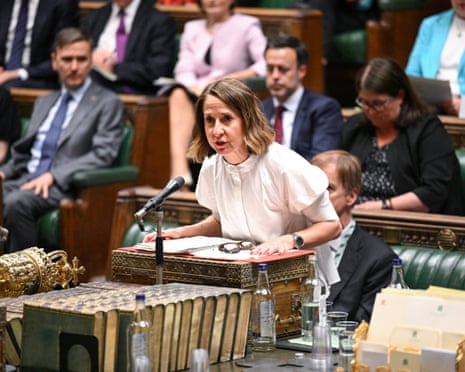
Despite the government's efforts to quell the unrest by offering concessions, including a review of PIP led by Work and Pensions Minister Sir Stephen Timms, the response has been lukewarm. Many MPs remain unconvinced, arguing that the review's timeline will not allow for meaningful changes before the new criteria take effect. Liz Kendall, the Work and Pensions Secretary, has faced criticism for her handling of the situation, with some MPs describing her recent statement as a "disaster."
Amendment and Support from Disability Groups
A new amendment opposing the welfare bill has garnered support from 35 Labour MPs and 138 disability groups, reflecting widespread concern over the proposed reforms. Rachael Maskell, a vocal critic, emphasized the need to amplify the voices of disabled individuals, accusing the government of treating them with contempt. The amendment's backers argue that the concessions do not go far enough to address their concerns.
Potential Impact on Labour's Majority
The Labour Party's working majority of 165 means that 83 MPs would need to join the rebellion to defeat the government. However, estimates suggest that the number of committed rebels is significantly lower, with some MPs opting to abstain rather than vote against the bill. The largest rebellion under Keir Starmer's leadership so far involved 16 MPs, highlighting the potential scale of the current dissent.
Historical Context and Future Implications
Historically, the largest backbench rebellion for any governing party occurred in 2003 over the Iraq war. The current situation, while not as severe, underscores the challenges Labour faces in maintaining party unity. The outcome of the upcoming vote remains uncertain, with the potential for abstentions to play a critical role in the final result.
WHAT THIS MIGHT MEAN
As the Labour Party navigates this internal conflict, the outcome of the vote on the welfare bill will be crucial in determining the future direction of the party's welfare policy. Should the rebellion succeed, it could force the government to reconsider its approach to disability benefits, potentially leading to more inclusive reforms. Conversely, if the bill passes, it may signal a shift in Labour's stance on welfare, with implications for its relationship with disability advocacy groups and its broader electoral strategy. Political analysts will be watching closely to see how Keir Starmer manages this challenge to his leadership and whether it affects his party's cohesion moving forward.
Images from the Web
Related Articles

Antonia Romeo Appointed as First Female UK Cabinet Secretary Amid Controversy

Munich Security Conference: A New Era in Transatlantic Relations

UK Faces Dilemmas Amid Iran Conflict and China Spying Allegations

Labour MP's Husband Arrested in UK-China Espionage Probe
UK to Enforce Swift Removal of Non-Consensual Intimate Images by Tech Firms

UK Government to Reform Asylum Seeker Support and Employment Policies
Labour Faces Internal Strife Over Controversial Welfare Reforms
In This Article
 Alex Carter| Published
 HIGHLIGHTS
- Labour faces internal dissent over proposed changes to the welfare system, with significant opposition from backbenchers.
- The government has offered concessions, including a review of the Personal Independence Payment (PIP), but concerns remain about the timing and impact.
- A new amendment against the welfare bill has gained support from 35 Labour MPs and 138 disability groups, highlighting widespread discontent.
- The rebellion could require 83 Labour MPs to defeat the government, but current estimates suggest fewer are committed to opposing the bill.
- The outcome of the vote remains uncertain, with the potential for abstentions to influence the result.
The Labour Party is grappling with significant internal discord as it attempts to push through contentious reforms to the welfare system. The proposed changes, which include tightening the eligibility criteria for the Personal Independence Payment (PIP) from November 2026, have sparked a rebellion among Labour backbenchers and disability advocacy groups.
Government Concessions and Continued Opposition
Despite the government's efforts to quell the unrest by offering concessions, including a review of PIP led by Work and Pensions Minister Sir Stephen Timms, the response has been lukewarm. Many MPs remain unconvinced, arguing that the review's timeline will not allow for meaningful changes before the new criteria take effect. Liz Kendall, the Work and Pensions Secretary, has faced criticism for her handling of the situation, with some MPs describing her recent statement as a "disaster."
Amendment and Support from Disability Groups
A new amendment opposing the welfare bill has garnered support from 35 Labour MPs and 138 disability groups, reflecting widespread concern over the proposed reforms. Rachael Maskell, a vocal critic, emphasized the need to amplify the voices of disabled individuals, accusing the government of treating them with contempt. The amendment's backers argue that the concessions do not go far enough to address their concerns.
Potential Impact on Labour's Majority
The Labour Party's working majority of 165 means that 83 MPs would need to join the rebellion to defeat the government. However, estimates suggest that the number of committed rebels is significantly lower, with some MPs opting to abstain rather than vote against the bill. The largest rebellion under Keir Starmer's leadership so far involved 16 MPs, highlighting the potential scale of the current dissent.
Historical Context and Future Implications
Historically, the largest backbench rebellion for any governing party occurred in 2003 over the Iraq war. The current situation, while not as severe, underscores the challenges Labour faces in maintaining party unity. The outcome of the upcoming vote remains uncertain, with the potential for abstentions to play a critical role in the final result.
WHAT THIS MIGHT MEAN
As the Labour Party navigates this internal conflict, the outcome of the vote on the welfare bill will be crucial in determining the future direction of the party's welfare policy. Should the rebellion succeed, it could force the government to reconsider its approach to disability benefits, potentially leading to more inclusive reforms. Conversely, if the bill passes, it may signal a shift in Labour's stance on welfare, with implications for its relationship with disability advocacy groups and its broader electoral strategy. Political analysts will be watching closely to see how Keir Starmer manages this challenge to his leadership and whether it affects his party's cohesion moving forward.
Images from the Web
Related Articles
Antonia Romeo Appointed as First Female UK Cabinet Secretary Amid Controversy
Munich Security Conference: A New Era in Transatlantic Relations
UK Faces Dilemmas Amid Iran Conflict and China Spying Allegations
Labour MP's Husband Arrested in UK-China Espionage Probe
UK to Enforce Swift Removal of Non-Consensual Intimate Images by Tech Firms
UK Government to Reform Asylum Seeker Support and Employment Policies