
Munich Security Conference: A New Era in Transatlantic Relations
In This Article
HIGHLIGHTS
- Marco Rubio is set to address the Munich Security Conference, emphasizing a "new era in geopolitics" amid evolving US-Europe relations.
- Keir Starmer will call for increased UK and European commitments to NATO, highlighting the risks of overdependence on the US for defence.
- The conference comes a year after JD Vance's controversial speech, which criticized European policies and questioned US security commitments.
- Discussions between European leaders, including Macron and Merz, focus on strengthening a nuclear protective umbrella for Europe.
- The conference aims to address key international security issues, including Arctic security, Venezuela, and Ukraine.
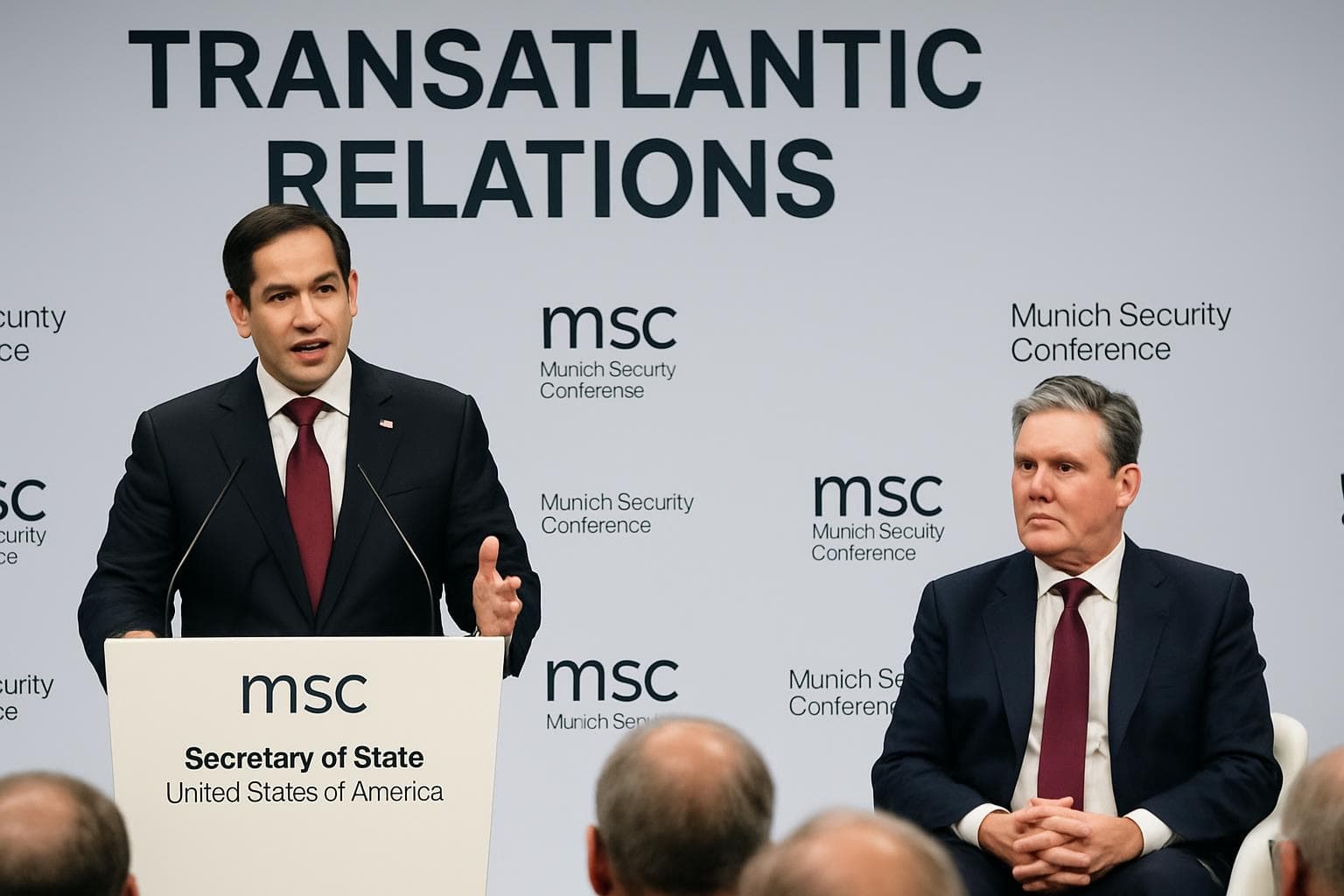
The Munich Security Conference is underway, with world leaders gathering to discuss pressing global security issues and the evolving dynamics of transatlantic relations. This year's conference is marked by significant speeches from US Secretary of State Marco Rubio and UK Prime Minister Keir Starmer, both addressing the shifting geopolitical landscape.
Rubio's Address: A New Geopolitical Era
Marco Rubio is poised to deliver a keynote speech, highlighting what he terms a "new era in geopolitics." His address comes amid concerns over the stability of US-Europe security ties, particularly following last year's contentious remarks by US Vice-President JD Vance. Vance's speech criticized European policies on migration and free speech, challenging the continent's internal threats and questioning the US's role in European defence.
Rubio's speech is anticipated to navigate the delicate balance between addressing European concerns and aligning with President Donald Trump's agenda. Before departing for Munich, Rubio assured European delegations that his message would resonate positively, despite the complexities of the current geopolitical climate.
Starmer's Vision for European Defence
UK Prime Minister Keir Starmer is set to advocate for stronger commitments to NATO from both the UK and Europe. In his speech, Starmer will emphasize the importance of shared European defence capabilities, warning against the dangers of overreliance on the US. He will argue for increased defence spending and cooperation, framing it as essential for maintaining security in a post-Brexit world.
Starmer's remarks are expected to challenge the notion of turning inward, a sentiment echoed in his criticism of Brexit-era policies. He will highlight the interconnectedness of British and European security, urging for a renewed focus on collaborative defence efforts.
European Leaders and Security Challenges
The conference also sees French President Emmanuel Macron and German Chancellor Friedrich Merz discussing the potential for a nuclear protective umbrella for Europe. This initiative reflects ongoing efforts to bolster European defence autonomy in response to shifting US priorities.
Key topics on the conference agenda include Arctic security, the situation in Venezuela, and the ongoing conflict in Ukraine. These discussions underscore the broader security challenges facing the international community and the need for cohesive strategies.
WHAT THIS MIGHT MEAN
The outcomes of the Munich Security Conference could significantly influence the future of transatlantic relations. If Rubio's speech successfully reassures European leaders, it may strengthen US-Europe ties, fostering greater collaboration on global security issues. Conversely, any perceived misalignment could exacerbate existing tensions, prompting Europe to accelerate its pursuit of defence autonomy.
Starmer's call for increased NATO commitments may resonate with European leaders, potentially leading to enhanced cooperation and investment in shared defence initiatives. However, the UK's post-Brexit positioning remains a critical factor, with ongoing negotiations likely to shape the trajectory of UK-Europe relations.
As the conference unfolds, the international community will be watching closely to see how these discussions impact the broader geopolitical landscape and the future of global security alliances.
Related Articles
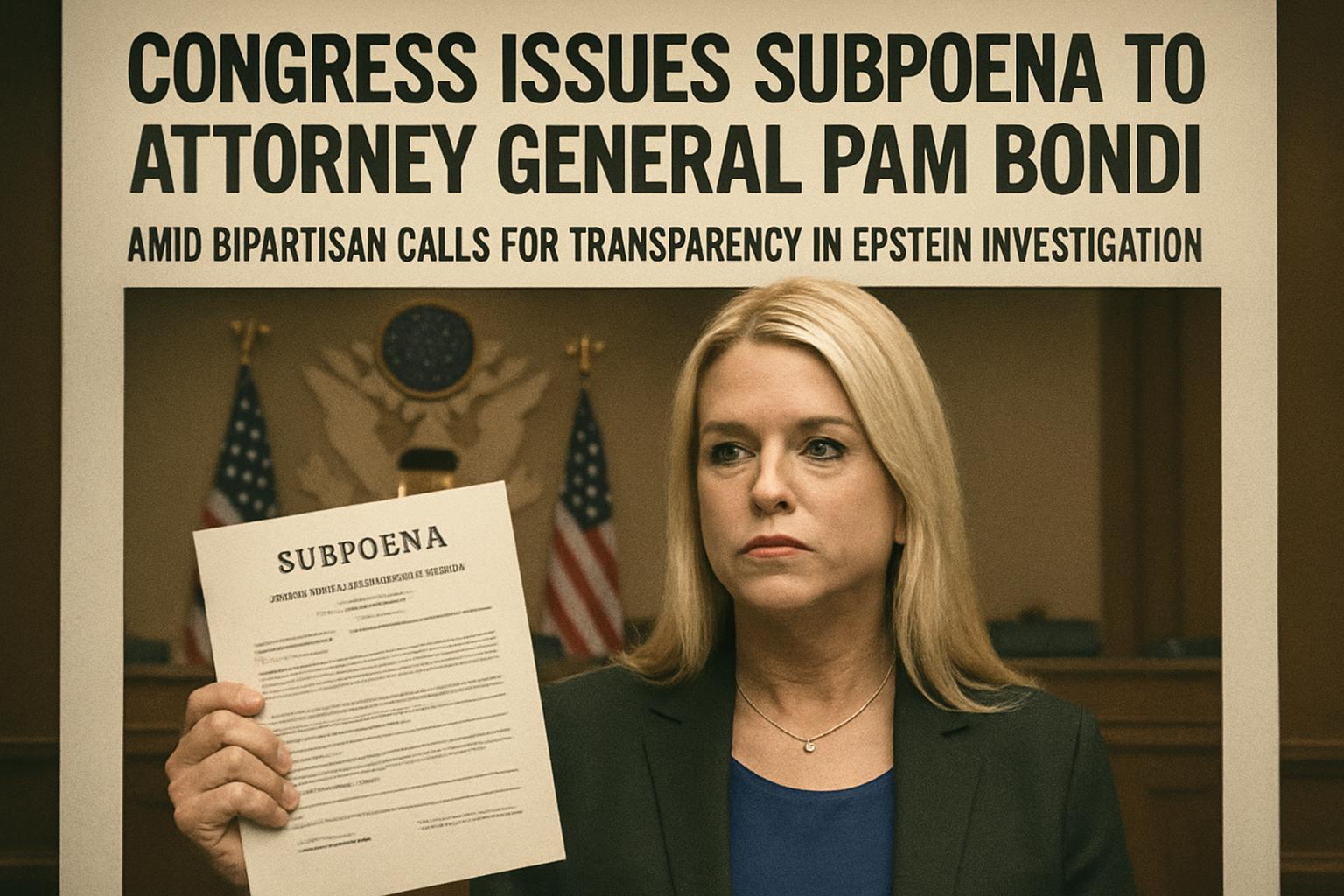
Congress Subpoenas Attorney General Bondi in Epstein Investigation
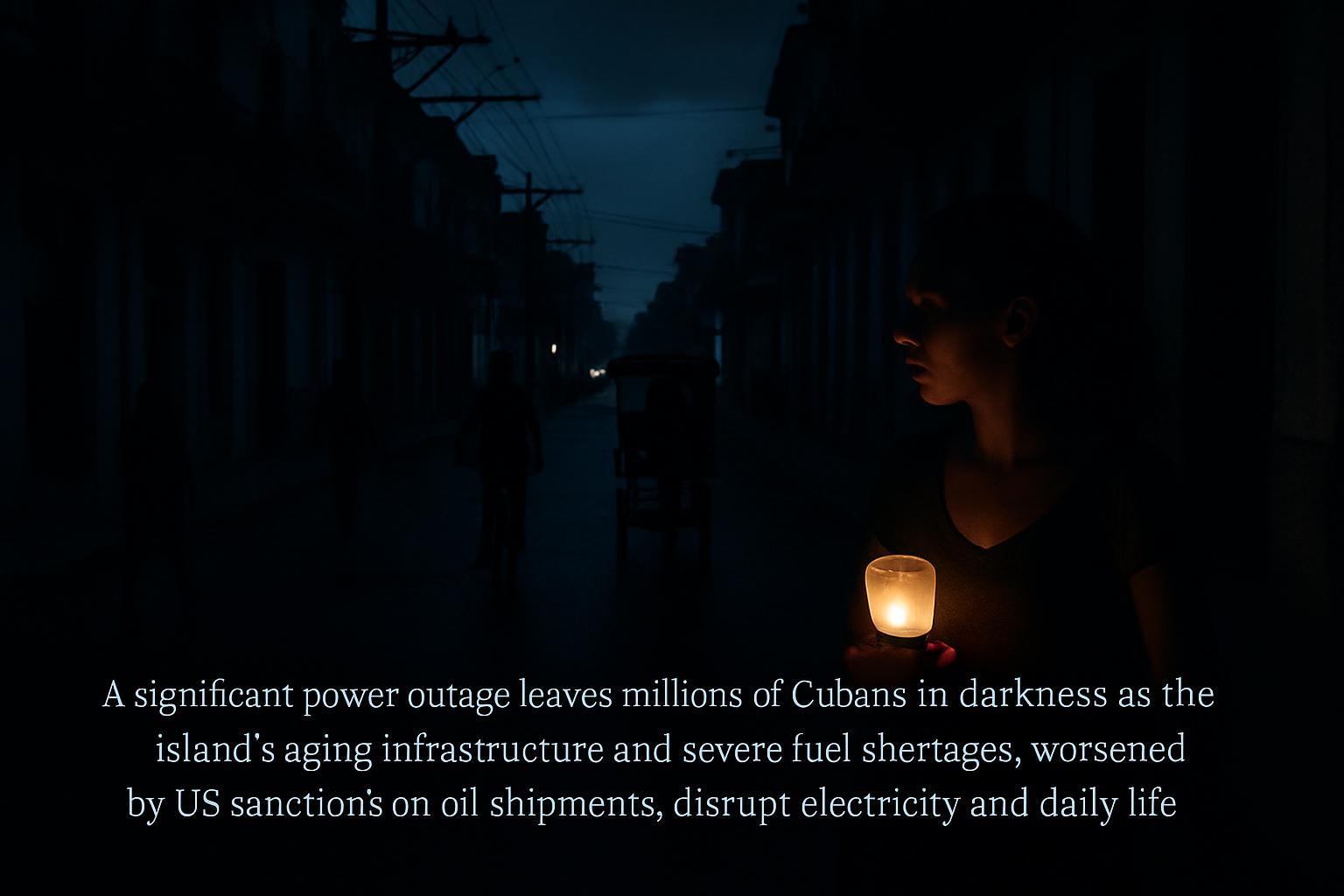
Cuba Faces Widespread Blackout Amid Deepening Fuel Crisis

UK Faces Dilemmas Amid Iran Conflict and China Spying Allegations
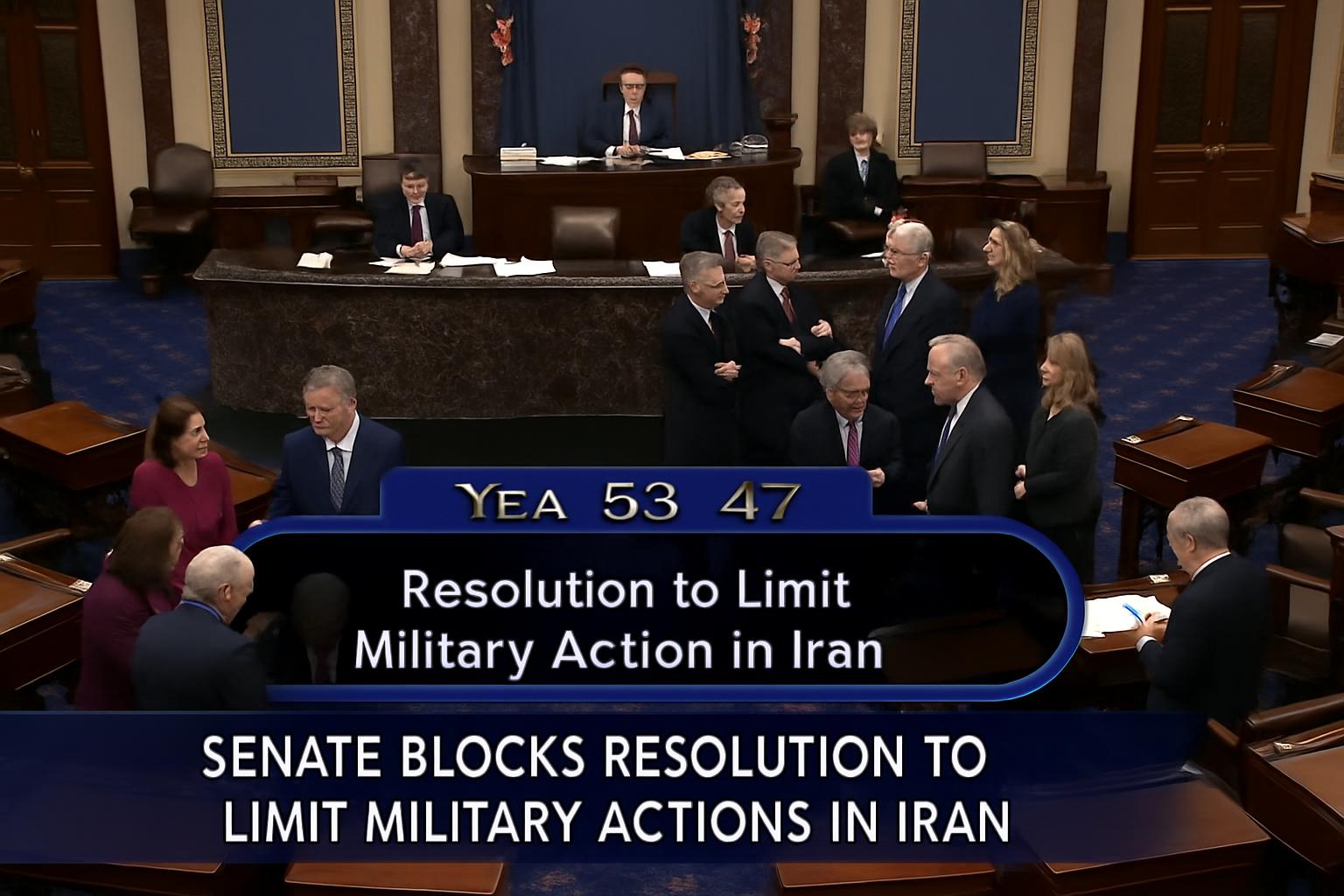
Senate Blocks Resolution to Limit Trump's Military Actions in Iran

UK-Iran Tensions: Starmer Defends Cautious Approach Amid Trump Criticism
Spain's Sánchez Stands Firm Against Trump's Trade Threat Over Iran Stance
Munich Security Conference: A New Era in Transatlantic Relations
In This Article
 Alex Carter| Published
 HIGHLIGHTS
- Marco Rubio is set to address the Munich Security Conference, emphasizing a "new era in geopolitics" amid evolving US-Europe relations.
- Keir Starmer will call for increased UK and European commitments to NATO, highlighting the risks of overdependence on the US for defence.
- The conference comes a year after JD Vance's controversial speech, which criticized European policies and questioned US security commitments.
- Discussions between European leaders, including Macron and Merz, focus on strengthening a nuclear protective umbrella for Europe.
- The conference aims to address key international security issues, including Arctic security, Venezuela, and Ukraine.
The Munich Security Conference is underway, with world leaders gathering to discuss pressing global security issues and the evolving dynamics of transatlantic relations. This year's conference is marked by significant speeches from US Secretary of State Marco Rubio and UK Prime Minister Keir Starmer, both addressing the shifting geopolitical landscape.
Rubio's Address: A New Geopolitical Era
Marco Rubio is poised to deliver a keynote speech, highlighting what he terms a "new era in geopolitics." His address comes amid concerns over the stability of US-Europe security ties, particularly following last year's contentious remarks by US Vice-President JD Vance. Vance's speech criticized European policies on migration and free speech, challenging the continent's internal threats and questioning the US's role in European defence.
Rubio's speech is anticipated to navigate the delicate balance between addressing European concerns and aligning with President Donald Trump's agenda. Before departing for Munich, Rubio assured European delegations that his message would resonate positively, despite the complexities of the current geopolitical climate.
Starmer's Vision for European Defence
UK Prime Minister Keir Starmer is set to advocate for stronger commitments to NATO from both the UK and Europe. In his speech, Starmer will emphasize the importance of shared European defence capabilities, warning against the dangers of overreliance on the US. He will argue for increased defence spending and cooperation, framing it as essential for maintaining security in a post-Brexit world.
Starmer's remarks are expected to challenge the notion of turning inward, a sentiment echoed in his criticism of Brexit-era policies. He will highlight the interconnectedness of British and European security, urging for a renewed focus on collaborative defence efforts.
European Leaders and Security Challenges
The conference also sees French President Emmanuel Macron and German Chancellor Friedrich Merz discussing the potential for a nuclear protective umbrella for Europe. This initiative reflects ongoing efforts to bolster European defence autonomy in response to shifting US priorities.
Key topics on the conference agenda include Arctic security, the situation in Venezuela, and the ongoing conflict in Ukraine. These discussions underscore the broader security challenges facing the international community and the need for cohesive strategies.
WHAT THIS MIGHT MEAN
The outcomes of the Munich Security Conference could significantly influence the future of transatlantic relations. If Rubio's speech successfully reassures European leaders, it may strengthen US-Europe ties, fostering greater collaboration on global security issues. Conversely, any perceived misalignment could exacerbate existing tensions, prompting Europe to accelerate its pursuit of defence autonomy.
Starmer's call for increased NATO commitments may resonate with European leaders, potentially leading to enhanced cooperation and investment in shared defence initiatives. However, the UK's post-Brexit positioning remains a critical factor, with ongoing negotiations likely to shape the trajectory of UK-Europe relations.
As the conference unfolds, the international community will be watching closely to see how these discussions impact the broader geopolitical landscape and the future of global security alliances.
Related Articles
Congress Subpoenas Attorney General Bondi in Epstein Investigation
Cuba Faces Widespread Blackout Amid Deepening Fuel Crisis
UK Faces Dilemmas Amid Iran Conflict and China Spying Allegations
Senate Blocks Resolution to Limit Trump's Military Actions in Iran
UK-Iran Tensions: Starmer Defends Cautious Approach Amid Trump Criticism
Spain's Sánchez Stands Firm Against Trump's Trade Threat Over Iran Stance