
Labour MPs Challenge Government Over Proposed Benefit Changes Amidst Internal Rebellion
In This Article
HIGHLIGHTS
- Liz Kendall, Work and Pensions Secretary, faces scrutiny from Labour MPs over changes to the Personal Independence Payment (PIP) and Universal Credit.
- The government announced that stricter PIP criteria would apply only to new claimants after November 2026, with a review to be completed by autumn 2026.
- Despite £3 billion in concessions, many Labour MPs, including Clive Efford, remain opposed, citing concerns over the impact on poverty.
- The Timms review, led by disability minister Sir Stephen Timms, aims to ensure the benefit system is fair and not driven by cost-saving objectives.
- A parliamentary vote on the bill is imminent, with Labour MPs divided and the government facing potential defeat if 83 backbenchers oppose.
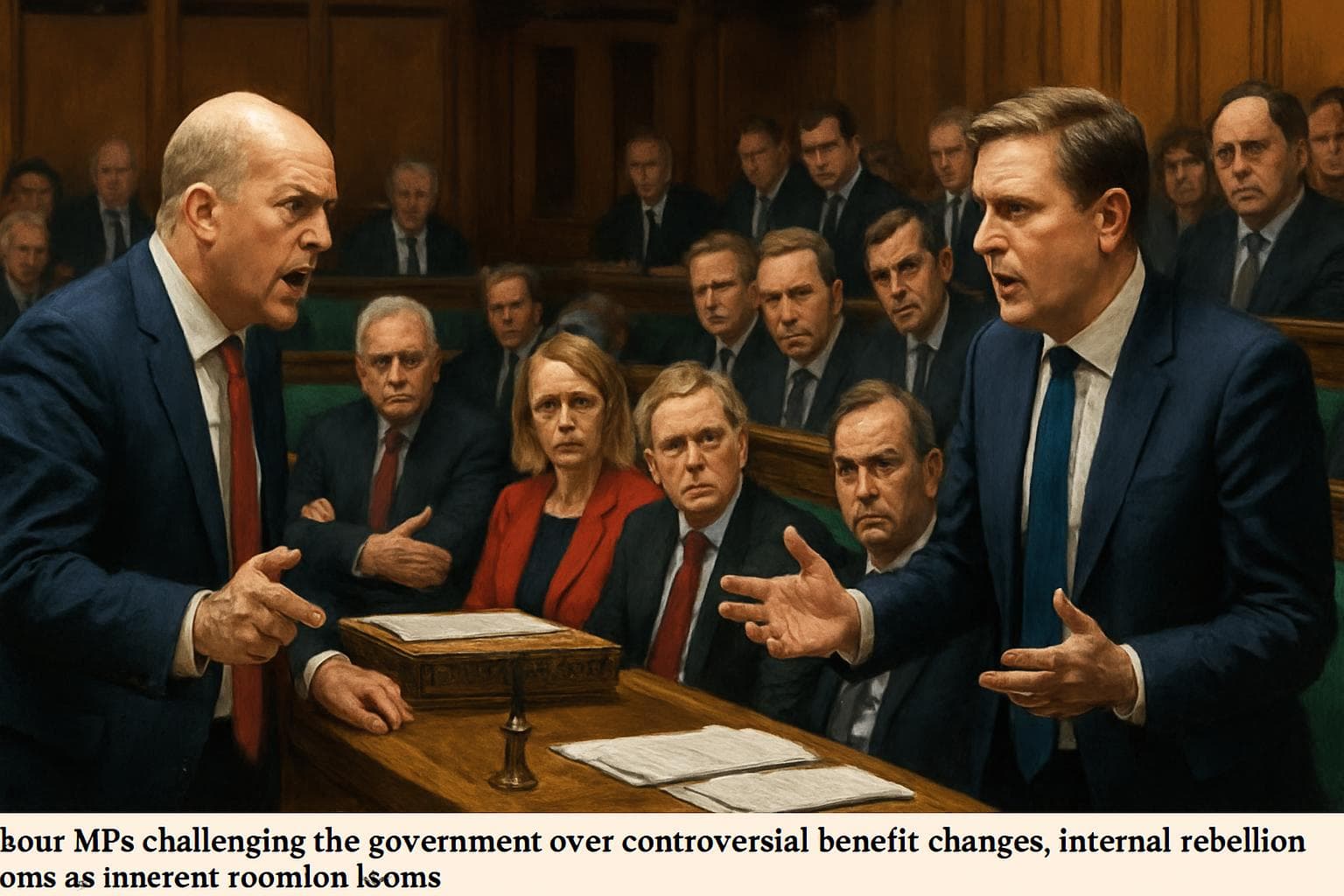
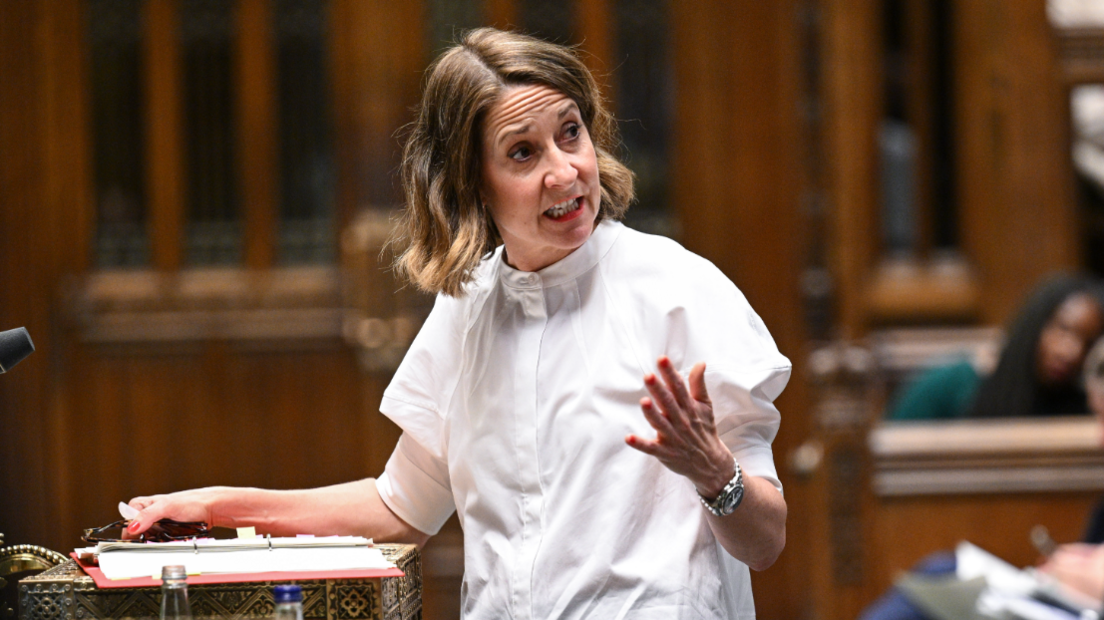
The UK government is facing significant opposition from Labour MPs regarding proposed changes to the Personal Independence Payment (PIP) and Universal Credit systems. Work and Pensions Secretary Liz Kendall has been at the center of this debate, as she attempts to quell a potential rebellion within her party.
Government's Proposed Changes
Last week, the government announced a significant policy shift, stating that stricter eligibility criteria for PIP would only affect new claimants from November 2026 onwards. This decision followed a U-turn aimed at addressing concerns from Labour backbenchers. Additionally, a comprehensive review of the assessment process, led by disability minister Sir Stephen Timms, is set to conclude by autumn 2026. Kendall assured that recommendations from this review would be implemented promptly, emphasizing that the review's goal is to ensure fairness rather than cost-cutting.
Labour MPs' Concerns
Despite these concessions, many Labour MPs remain unconvinced. Debbie Abrahams, chair of the Work and Pensions Committee, criticized the pre-determined criteria, arguing that the review should dictate the new process and point system. Clive Efford, a veteran MP, expressed his dissatisfaction on the Today programme, highlighting the lack of clarity on the £3.5 billion savings and their potential impact on poverty. Efford, along with over 120 Labour MPs, had initially signed a motion demanding more time to assess the changes' implications.
Parliamentary Vote and Potential Outcomes
The government faces a critical vote on the bill, with around 50 Labour MPs expected to oppose it. To defeat the government, 83 Labour backbenchers would need to join forces with other opposition parties. Kendall, addressing Parliament, reiterated her commitment to positive changes and assured that no existing claimant would be pushed into poverty due to the bill.
WHAT THIS MIGHT MEAN
As the parliamentary vote looms, the government must navigate a delicate balance between implementing necessary reforms and addressing the concerns of its MPs. Should the bill pass, it could set a precedent for future welfare reforms, potentially reshaping the landscape of disability benefits in the UK. However, if the government fails to secure enough support, it may be forced to revisit its proposals, possibly delaying the implementation of the new criteria. Experts suggest that the outcome of this vote could significantly influence public perception of the government's commitment to social welfare and its ability to manage internal party dissent.
Images from the Web
Related Articles

UK Government's SEND Reforms: A Critical Turning Point for Special Education

UK Government Considers Removing Andrew Mountbatten-Windsor from Royal Succession Amid Arrest

Middle East Conflict Drives UK Energy Prices to New Highs

Government Announces £4 Billion Overhaul of SEND Support in England

UK Government Announces Major Overhaul of SEND System with £3.4 Billion Investment

Prince Andrew's Ties to Epstein Under Scrutiny Amid Calls for Inquiry
Labour MPs Challenge Government Over Proposed Benefit Changes Amidst Internal Rebellion
In This Article
 Alex Carter| Published
 HIGHLIGHTS
- Liz Kendall, Work and Pensions Secretary, faces scrutiny from Labour MPs over changes to the Personal Independence Payment (PIP) and Universal Credit.
- The government announced that stricter PIP criteria would apply only to new claimants after November 2026, with a review to be completed by autumn 2026.
- Despite £3 billion in concessions, many Labour MPs, including Clive Efford, remain opposed, citing concerns over the impact on poverty.
- The Timms review, led by disability minister Sir Stephen Timms, aims to ensure the benefit system is fair and not driven by cost-saving objectives.
- A parliamentary vote on the bill is imminent, with Labour MPs divided and the government facing potential defeat if 83 backbenchers oppose.
The UK government is facing significant opposition from Labour MPs regarding proposed changes to the Personal Independence Payment (PIP) and Universal Credit systems. Work and Pensions Secretary Liz Kendall has been at the center of this debate, as she attempts to quell a potential rebellion within her party.
Government's Proposed Changes
Last week, the government announced a significant policy shift, stating that stricter eligibility criteria for PIP would only affect new claimants from November 2026 onwards. This decision followed a U-turn aimed at addressing concerns from Labour backbenchers. Additionally, a comprehensive review of the assessment process, led by disability minister Sir Stephen Timms, is set to conclude by autumn 2026. Kendall assured that recommendations from this review would be implemented promptly, emphasizing that the review's goal is to ensure fairness rather than cost-cutting.
Labour MPs' Concerns
Despite these concessions, many Labour MPs remain unconvinced. Debbie Abrahams, chair of the Work and Pensions Committee, criticized the pre-determined criteria, arguing that the review should dictate the new process and point system. Clive Efford, a veteran MP, expressed his dissatisfaction on the Today programme, highlighting the lack of clarity on the £3.5 billion savings and their potential impact on poverty. Efford, along with over 120 Labour MPs, had initially signed a motion demanding more time to assess the changes' implications.
Parliamentary Vote and Potential Outcomes
The government faces a critical vote on the bill, with around 50 Labour MPs expected to oppose it. To defeat the government, 83 Labour backbenchers would need to join forces with other opposition parties. Kendall, addressing Parliament, reiterated her commitment to positive changes and assured that no existing claimant would be pushed into poverty due to the bill.
WHAT THIS MIGHT MEAN
As the parliamentary vote looms, the government must navigate a delicate balance between implementing necessary reforms and addressing the concerns of its MPs. Should the bill pass, it could set a precedent for future welfare reforms, potentially reshaping the landscape of disability benefits in the UK. However, if the government fails to secure enough support, it may be forced to revisit its proposals, possibly delaying the implementation of the new criteria. Experts suggest that the outcome of this vote could significantly influence public perception of the government's commitment to social welfare and its ability to manage internal party dissent.
Images from the Web
Related Articles
UK Government's SEND Reforms: A Critical Turning Point for Special Education
UK Government Considers Removing Andrew Mountbatten-Windsor from Royal Succession Amid Arrest
Middle East Conflict Drives UK Energy Prices to New Highs
Government Announces £4 Billion Overhaul of SEND Support in England
UK Government Announces Major Overhaul of SEND System with £3.4 Billion Investment
Prince Andrew's Ties to Epstein Under Scrutiny Amid Calls for Inquiry