
Labour's Push for Closer EU Ties Sparks Debate
In This Article
HIGHLIGHTS
- Rachel Reeves advocates for a deeper UK-EU trade relationship, emphasizing economic growth and security benefits.
- Labour has ruled out rejoining the EU's single market or customs union but seeks sectoral alignment.
- Critics argue Labour's stance undermines Brexit, while others call for even closer EU ties.
- Recent trade agreements with the EU, US, India, and South Korea highlight Labour's global trade strategy.
- A review of the UK-EU trade and cooperation agreement is expected by the end of the year.
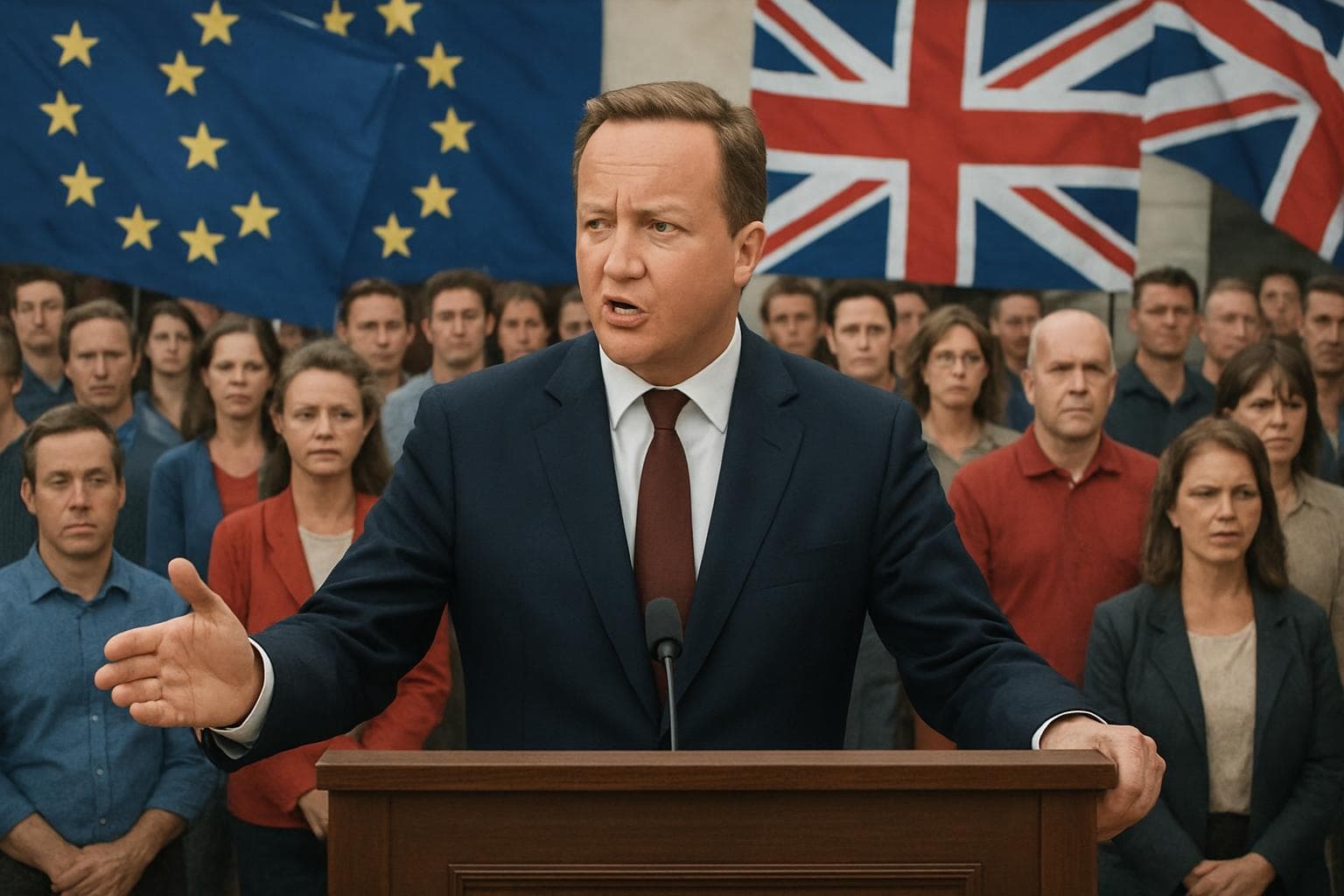
Chancellor Rachel Reeves has reignited the debate over the UK's post-Brexit relationship with the European Union, advocating for a deeper trade partnership that she describes as the "biggest prize" for the UK economy. Speaking at the London School of Economics, Reeves underscored the importance of aligning with EU regulatory standards to bolster economic growth and security.
Economic and Security Benefits
Reeves highlighted that nearly half of the UK's trade is with the EU, emphasizing that economic proximity cannot be ignored. "Economic gravity is reality," she stated, advocating for further integration with the EU, which remains the UK's largest trading partner. She argued that aligning with EU standards where beneficial could enhance both economic and security ties, a sentiment echoed by Labour leader Sir Keir Starmer.
Political Reactions
The proposal has sparked varied reactions across the political spectrum. The Conservative Party and Reform UK accused Labour of attempting to reverse Brexit, with Conservative shadow chancellor Sir Mel Stride criticizing Labour's approach as a betrayal of the referendum result. Reform UK's Suella Braverman warned that closer alignment could reduce the UK to an EU "rule taker."
Conversely, Liberal Democrat leader Sir Ed Davey argued that Labour's approach does not go far enough, advocating for a more decisive move towards EU partnership. Despite these criticisms, Reeves remains confident that Labour can win the political argument for closer EU ties.
Recent Trade Developments
Since coming to power in 2024, Labour has secured trade agreements with the EU, US, India, and South Korea, reflecting a broader strategy to enhance global trade relations. Reeves noted that while deals with countries like India and the US are valuable, none match the potential benefits of improved EU relations.
Future Prospects
The UK government is set to review the trade and cooperation agreement with the EU, signed in 2020, by the end of the year. This review, along with an upcoming summit on UK-EU relations, could shape the future of the partnership. Reeves has indicated that further sectoral alignment is on the table, with discussions already underway in areas such as food, farming, and youth mobility.
WHAT THIS MIGHT MEAN
As the UK approaches a review of its trade and cooperation agreement with the EU, the political and economic implications of Labour's proposed alignment will become clearer. Should Labour succeed in fostering closer ties, it could lead to enhanced economic stability and security cooperation. However, the party must navigate the delicate balance of appeasing both pro-Brexit and pro-EU constituents. Experts suggest that the outcome of these negotiations could redefine the UK's role on the global stage, potentially setting a precedent for future trade agreements.
Related Articles

Middle East Conflict Drives UK Energy Prices to New Highs

Tech Giants Pledge to Cover AI Data Center Energy Costs Amid Rising Electricity Concerns

UK-Iran Tensions: Starmer Defends Cautious Approach Amid Trump Criticism
Canada and Australia Forge Strategic Partnership Amid Global Uncertainty

UK Government to Reform Asylum Seeker Support and Employment Policies
Reform UK Aims to Reshape Welsh Politics with New Manifesto
Labour's Push for Closer EU Ties Sparks Debate
In This Article
 Daniel Rivera| Published
 HIGHLIGHTS
- Rachel Reeves advocates for a deeper UK-EU trade relationship, emphasizing economic growth and security benefits.
- Labour has ruled out rejoining the EU's single market or customs union but seeks sectoral alignment.
- Critics argue Labour's stance undermines Brexit, while others call for even closer EU ties.
- Recent trade agreements with the EU, US, India, and South Korea highlight Labour's global trade strategy.
- A review of the UK-EU trade and cooperation agreement is expected by the end of the year.
Chancellor Rachel Reeves has reignited the debate over the UK's post-Brexit relationship with the European Union, advocating for a deeper trade partnership that she describes as the "biggest prize" for the UK economy. Speaking at the London School of Economics, Reeves underscored the importance of aligning with EU regulatory standards to bolster economic growth and security.
Economic and Security Benefits
Reeves highlighted that nearly half of the UK's trade is with the EU, emphasizing that economic proximity cannot be ignored. "Economic gravity is reality," she stated, advocating for further integration with the EU, which remains the UK's largest trading partner. She argued that aligning with EU standards where beneficial could enhance both economic and security ties, a sentiment echoed by Labour leader Sir Keir Starmer.
Political Reactions
The proposal has sparked varied reactions across the political spectrum. The Conservative Party and Reform UK accused Labour of attempting to reverse Brexit, with Conservative shadow chancellor Sir Mel Stride criticizing Labour's approach as a betrayal of the referendum result. Reform UK's Suella Braverman warned that closer alignment could reduce the UK to an EU "rule taker."
Conversely, Liberal Democrat leader Sir Ed Davey argued that Labour's approach does not go far enough, advocating for a more decisive move towards EU partnership. Despite these criticisms, Reeves remains confident that Labour can win the political argument for closer EU ties.
Recent Trade Developments
Since coming to power in 2024, Labour has secured trade agreements with the EU, US, India, and South Korea, reflecting a broader strategy to enhance global trade relations. Reeves noted that while deals with countries like India and the US are valuable, none match the potential benefits of improved EU relations.
Future Prospects
The UK government is set to review the trade and cooperation agreement with the EU, signed in 2020, by the end of the year. This review, along with an upcoming summit on UK-EU relations, could shape the future of the partnership. Reeves has indicated that further sectoral alignment is on the table, with discussions already underway in areas such as food, farming, and youth mobility.
WHAT THIS MIGHT MEAN
As the UK approaches a review of its trade and cooperation agreement with the EU, the political and economic implications of Labour's proposed alignment will become clearer. Should Labour succeed in fostering closer ties, it could lead to enhanced economic stability and security cooperation. However, the party must navigate the delicate balance of appeasing both pro-Brexit and pro-EU constituents. Experts suggest that the outcome of these negotiations could redefine the UK's role on the global stage, potentially setting a precedent for future trade agreements.
Related Articles
Middle East Conflict Drives UK Energy Prices to New Highs
Tech Giants Pledge to Cover AI Data Center Energy Costs Amid Rising Electricity Concerns
UK-Iran Tensions: Starmer Defends Cautious Approach Amid Trump Criticism
Canada and Australia Forge Strategic Partnership Amid Global Uncertainty
UK Government to Reform Asylum Seeker Support and Employment Policies
Reform UK Aims to Reshape Welsh Politics with New Manifesto