
Labour's Tax Pledge Faces Scrutiny Amid Economic Challenges
In This Article
HIGHLIGHTS
- Labour's deputy leader, Lucy Powell, insists on adhering to the party's manifesto pledge not to raise key taxes, including income tax, national insurance, and VAT.
- Chancellor Rachel Reeves faces pressure to address a £30bn fiscal gap, potentially through tax increases, despite the manifesto commitment.
- Powell advocates for lifting the two-child benefit cap entirely to combat child poverty, a move estimated to cost £3.5bn annually.
- The Labour government is under scrutiny as it balances manifesto promises with economic realities, with Powell emphasizing trust and fairness in politics.
- Powell's stance highlights internal party tensions as she challenges the prevailing strategies of Chancellor Reeves and Prime Minister Keir Starmer.
Labour's deputy leader, Lucy Powell, has reiterated the importance of adhering to the party's manifesto commitment not to raise key taxes, including income tax, national insurance, and VAT. Her remarks come at a critical time as Chancellor Rachel Reeves considers tax hikes to address a £30bn fiscal shortfall.
Manifesto Commitment Under Pressure
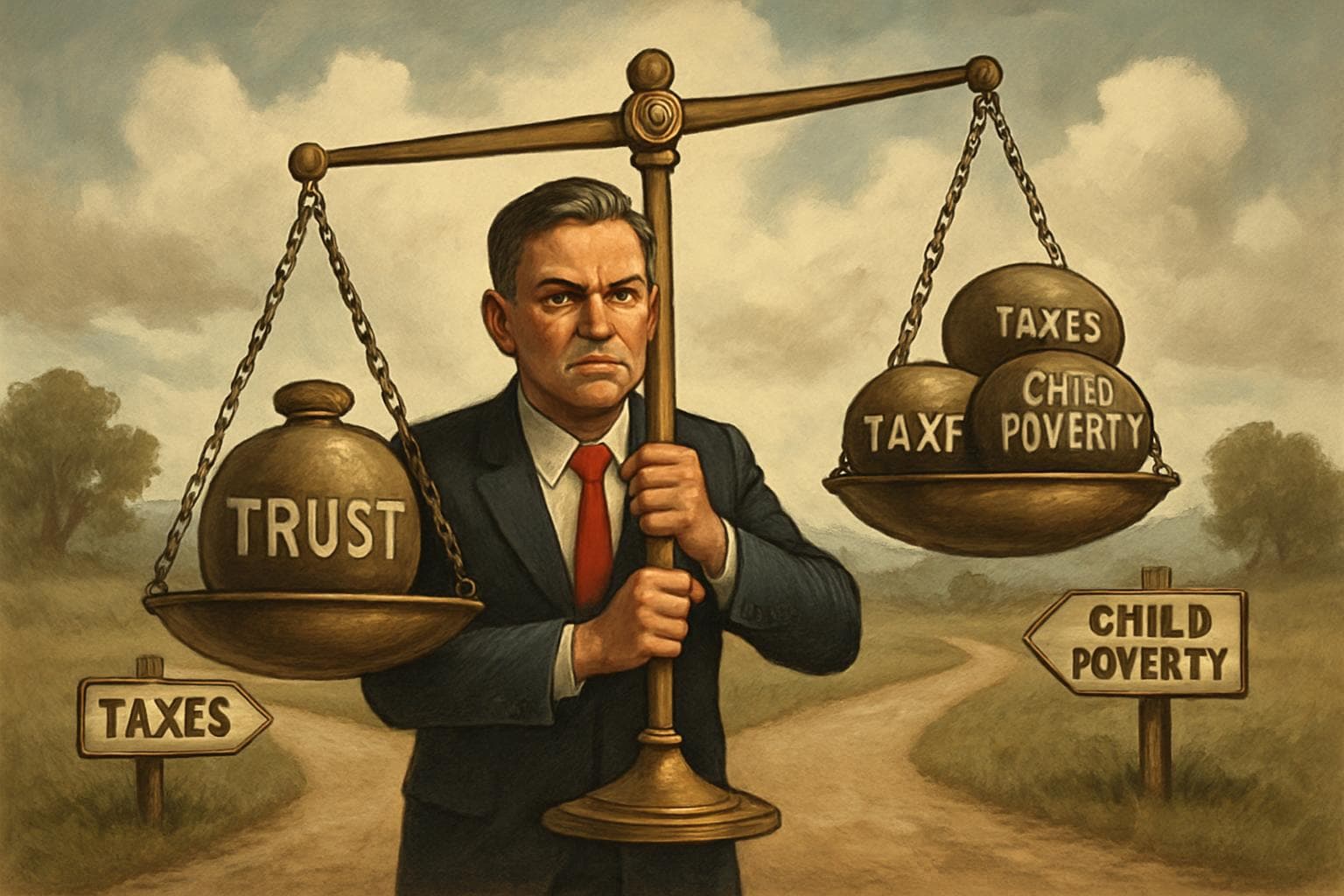
Speaking on BBC Radio 5 Live, Powell emphasized the necessity of maintaining public trust by fulfilling electoral promises. "Trust in politics is crucial," she stated, underscoring the need for Labour to follow through on its commitments. This stance places Powell at odds with the potential fiscal strategies being considered by Reeves, who has not ruled out tax increases to bolster public finances.
Addressing Child Poverty
Powell also called for the complete removal of the two-child benefit cap, a policy introduced by the Conservatives, which she argues exacerbates child poverty. "Every year this policy remains, 40,000 children are pushed into deep levels of poverty," Powell noted. Experts estimate that abolishing the cap would cost approximately £3.5bn annually, a significant consideration for the upcoming budget.
Internal Party Dynamics
Powell's position highlights internal tensions within Labour as the party navigates economic challenges while striving to uphold its manifesto. Her recent election as deputy leader, following a campaign promising transparency and member engagement, positions her uniquely to challenge the strategies of Reeves and Prime Minister Keir Starmer.
Despite the potential for conflict, Powell's spokesperson clarified her support for the chancellor and prime minister, acknowledging the difficult context for the budget. Reeves, in a recent speech, emphasized the importance of fiscal responsibility to ensure investment in essential public services.
WHAT THIS MIGHT MEAN
As the budget announcement approaches, Labour faces a delicate balancing act between fulfilling its manifesto promises and addressing economic realities. Should Reeves opt for tax increases, it could strain public trust and internal party unity. Conversely, maintaining the current tax stance may limit the government's ability to invest in public services and reduce child poverty.
The decision on the two-child benefit cap will also be pivotal. Lifting the cap could significantly impact child poverty rates, aligning with Powell's vision of a "budget of fairness." However, the financial implications must be carefully weighed against other fiscal priorities.
Ultimately, Labour's approach to these challenges will shape its political narrative and influence public perception ahead of future elections. The party's ability to navigate these complexities while maintaining trust and delivering on its promises will be crucial to its long-term success.
Related Articles
Antonia Romeo Appointed as First Female UK Cabinet Secretary Amid Controversy
Reform UK to Reinstate Two-Child Benefit Cap Amidst Political Controversy
Government U-turn Forces Local Elections in Lancashire and Essex Amid Reorganisation Plans
UK Inflation Drops to 3% in January, Sparking Interest Rate Cut Speculation
Middle East Conflict Drives UK Energy Prices to New Highs

UK Faces Dilemmas Amid Iran Conflict and China Spying Allegations
Labour's Tax Pledge Faces Scrutiny Amid Economic Challenges
In This Article
 Alex Carter| Published
 HIGHLIGHTS
- Labour's deputy leader, Lucy Powell, insists on adhering to the party's manifesto pledge not to raise key taxes, including income tax, national insurance, and VAT.
- Chancellor Rachel Reeves faces pressure to address a £30bn fiscal gap, potentially through tax increases, despite the manifesto commitment.
- Powell advocates for lifting the two-child benefit cap entirely to combat child poverty, a move estimated to cost £3.5bn annually.
- The Labour government is under scrutiny as it balances manifesto promises with economic realities, with Powell emphasizing trust and fairness in politics.
- Powell's stance highlights internal party tensions as she challenges the prevailing strategies of Chancellor Reeves and Prime Minister Keir Starmer.
Labour's deputy leader, Lucy Powell, has reiterated the importance of adhering to the party's manifesto commitment not to raise key taxes, including income tax, national insurance, and VAT. Her remarks come at a critical time as Chancellor Rachel Reeves considers tax hikes to address a £30bn fiscal shortfall.
Manifesto Commitment Under Pressure
Speaking on BBC Radio 5 Live, Powell emphasized the necessity of maintaining public trust by fulfilling electoral promises. "Trust in politics is crucial," she stated, underscoring the need for Labour to follow through on its commitments. This stance places Powell at odds with the potential fiscal strategies being considered by Reeves, who has not ruled out tax increases to bolster public finances.
Addressing Child Poverty
Powell also called for the complete removal of the two-child benefit cap, a policy introduced by the Conservatives, which she argues exacerbates child poverty. "Every year this policy remains, 40,000 children are pushed into deep levels of poverty," Powell noted. Experts estimate that abolishing the cap would cost approximately £3.5bn annually, a significant consideration for the upcoming budget.
Internal Party Dynamics
Powell's position highlights internal tensions within Labour as the party navigates economic challenges while striving to uphold its manifesto. Her recent election as deputy leader, following a campaign promising transparency and member engagement, positions her uniquely to challenge the strategies of Reeves and Prime Minister Keir Starmer.
Despite the potential for conflict, Powell's spokesperson clarified her support for the chancellor and prime minister, acknowledging the difficult context for the budget. Reeves, in a recent speech, emphasized the importance of fiscal responsibility to ensure investment in essential public services.
WHAT THIS MIGHT MEAN
As the budget announcement approaches, Labour faces a delicate balancing act between fulfilling its manifesto promises and addressing economic realities. Should Reeves opt for tax increases, it could strain public trust and internal party unity. Conversely, maintaining the current tax stance may limit the government's ability to invest in public services and reduce child poverty.
The decision on the two-child benefit cap will also be pivotal. Lifting the cap could significantly impact child poverty rates, aligning with Powell's vision of a "budget of fairness." However, the financial implications must be carefully weighed against other fiscal priorities.
Ultimately, Labour's approach to these challenges will shape its political narrative and influence public perception ahead of future elections. The party's ability to navigate these complexities while maintaining trust and delivering on its promises will be crucial to its long-term success.
Related Articles
Antonia Romeo Appointed as First Female UK Cabinet Secretary Amid Controversy
Reform UK to Reinstate Two-Child Benefit Cap Amidst Political Controversy
Government U-turn Forces Local Elections in Lancashire and Essex Amid Reorganisation Plans
UK Inflation Drops to 3% in January, Sparking Interest Rate Cut Speculation
Middle East Conflict Drives UK Energy Prices to New Highs
UK Faces Dilemmas Amid Iran Conflict and China Spying Allegations