
New Funding Formula Allows Tax Hikes for Select London Councils Amidst Budget Cuts Elsewhere
In This Article
HIGHLIGHTS
- Labour has allowed six London-area councils to raise council tax by more than 5% for two years without a referendum.
- The new funding model shifts resources towards deprived areas, impacting wealthier councils like Kensington and Chelsea.
- Durham County Council plans to cut a £1m grant to town and parish councils, affecting their budgets significantly.
- The new Fair Funding formula prioritizes urban areas with high social needs, leaving some rural councils feeling disadvantaged.
- Despite funding boosts, many councils still face financial challenges and may request special financial assistance.
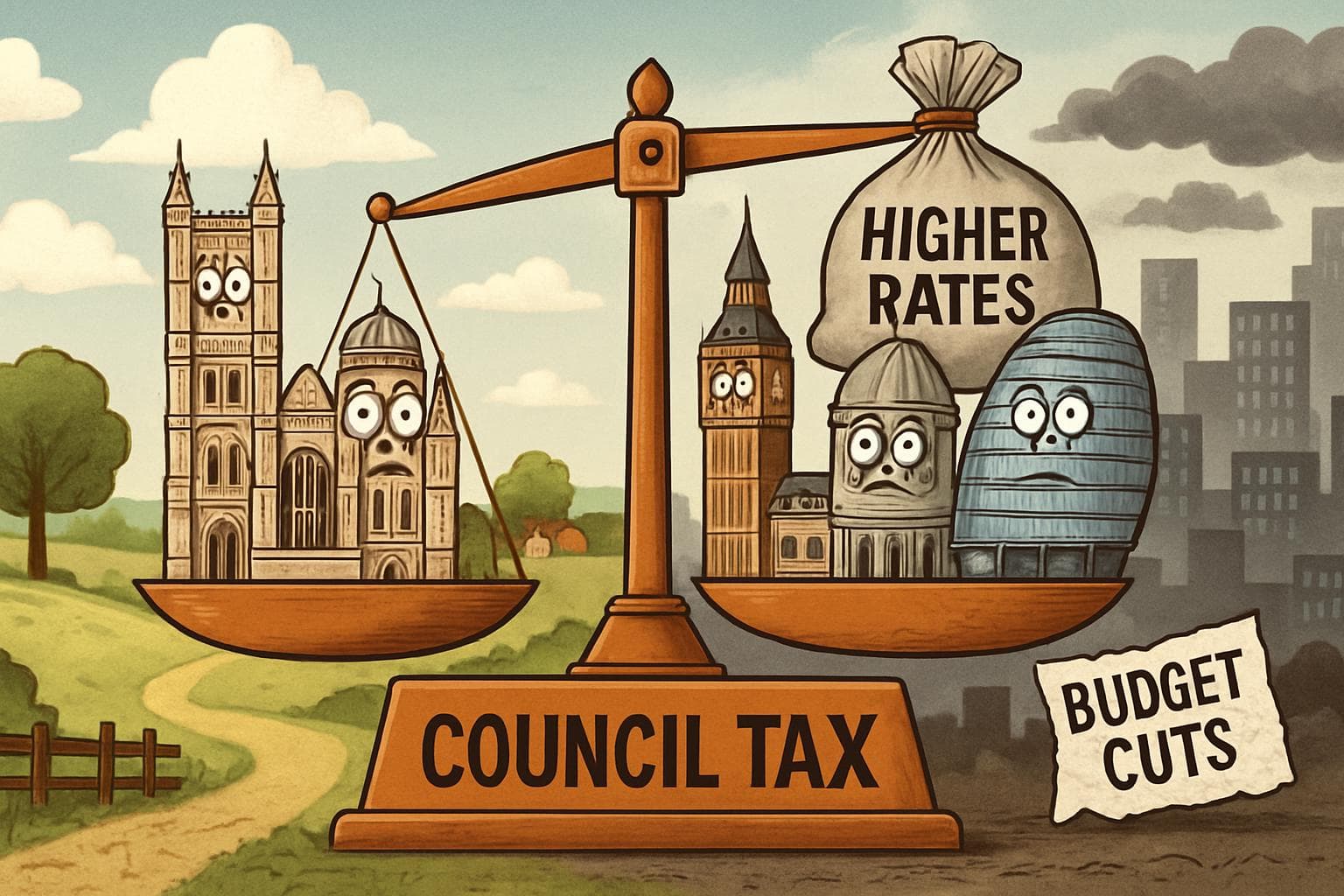
In a significant shift in local government finance, Labour has granted six councils in and around London the authority to raise council tax rates by more than 5% for the next two years without requiring voter approval. This move comes as part of a broader effort to redistribute government funding towards more deprived areas, a change that has sparked debate over its fairness and impact.
Funding Redistribution Sparks Controversy
The councils of Kensington and Chelsea, Westminster, Wandsworth, Hammersmith and Fulham, City of London, and Windsor and Maidenhead have been identified for their historically low council tax rates. These areas will now have the flexibility to increase taxes beyond the typical cap, a decision that aligns with Labour's strategy to direct more resources to areas with higher deprivation. Critics, including the Conservative Party, argue that this approach unfairly penalizes councils that have maintained low tax rates, suggesting it could lead to service cuts or significant tax hikes.
Impact on Rural and Urban Councils
The new funding model, known as the Fair Funding formula, has been designed to address disparities by prioritizing urban areas with high social needs. This has resulted in increased spending power for cities like Manchester and Birmingham, while wealthier areas, particularly in central London and the affluent south-east, face reduced funding. Rural councils have expressed concerns about being overlooked, with some predicting financial difficulties as a result.
Budget Cuts in Durham
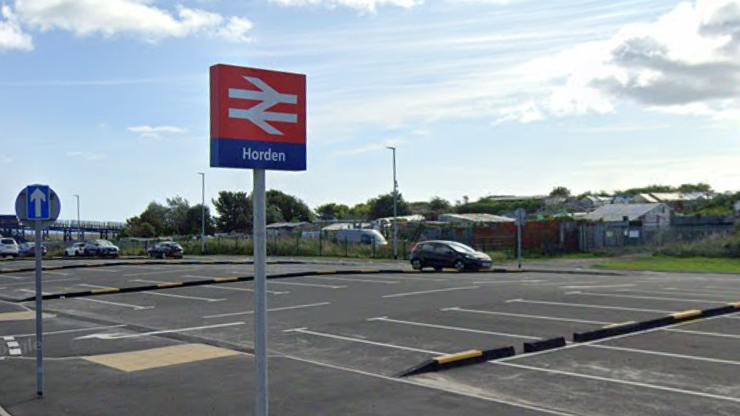
In a related development, Durham County Council has proposed eliminating a £1m grant for town and parish councils, a move that could severely impact their budgets. Horden Parish Council, for instance, stands to lose £60,000, a significant portion of its budget. The council has already been operating under tight financial constraints, and further cuts could force it to increase local taxes to compensate.
Challenges Ahead for Local Authorities
Despite the funding adjustments, many councils continue to grapple with financial challenges. The Local Government Information Unit has highlighted the need for increased funding to address ongoing demands for services such as social care and homelessness support. As councils navigate these changes, some may seek special financial assistance from the government to balance their budgets.
WHAT THIS MIGHT MEAN
The new funding formula and council tax flexibility could lead to a more equitable distribution of resources, potentially improving services in deprived areas. However, the backlash from wealthier and rural councils suggests that the government may need to refine its approach to avoid exacerbating financial disparities. As councils adjust to these changes, the potential for increased tax rates and service cuts remains a concern. Experts suggest that without additional funding, even those benefiting from the new formula may struggle to meet rising service demands, highlighting the need for a comprehensive review of local government financing.
Images from the Web
Related Articles

UK Government to Reform Asylum Seeker Support and Employment Policies

Labour MP's Husband Arrested in UK-China Espionage Probe

UK-Iran Tensions: Starmer Defends Cautious Approach Amid Trump Criticism

Birmingham's Proactive Approach to Measles Outbreak Offers Lessons for North London

Government Criticized for Mishandling Maccabi Tel Aviv Fan Ban

Arrest of Andrew Mountbatten-Windsor Captured in Iconic Photograph
New Funding Formula Allows Tax Hikes for Select London Councils Amidst Budget Cuts Elsewhere
In This Article
 Ethan Brooks| Published
 HIGHLIGHTS
- Labour has allowed six London-area councils to raise council tax by more than 5% for two years without a referendum.
- The new funding model shifts resources towards deprived areas, impacting wealthier councils like Kensington and Chelsea.
- Durham County Council plans to cut a £1m grant to town and parish councils, affecting their budgets significantly.
- The new Fair Funding formula prioritizes urban areas with high social needs, leaving some rural councils feeling disadvantaged.
- Despite funding boosts, many councils still face financial challenges and may request special financial assistance.
In a significant shift in local government finance, Labour has granted six councils in and around London the authority to raise council tax rates by more than 5% for the next two years without requiring voter approval. This move comes as part of a broader effort to redistribute government funding towards more deprived areas, a change that has sparked debate over its fairness and impact.
Funding Redistribution Sparks Controversy
The councils of Kensington and Chelsea, Westminster, Wandsworth, Hammersmith and Fulham, City of London, and Windsor and Maidenhead have been identified for their historically low council tax rates. These areas will now have the flexibility to increase taxes beyond the typical cap, a decision that aligns with Labour's strategy to direct more resources to areas with higher deprivation. Critics, including the Conservative Party, argue that this approach unfairly penalizes councils that have maintained low tax rates, suggesting it could lead to service cuts or significant tax hikes.
Impact on Rural and Urban Councils
The new funding model, known as the Fair Funding formula, has been designed to address disparities by prioritizing urban areas with high social needs. This has resulted in increased spending power for cities like Manchester and Birmingham, while wealthier areas, particularly in central London and the affluent south-east, face reduced funding. Rural councils have expressed concerns about being overlooked, with some predicting financial difficulties as a result.
Budget Cuts in Durham
In a related development, Durham County Council has proposed eliminating a £1m grant for town and parish councils, a move that could severely impact their budgets. Horden Parish Council, for instance, stands to lose £60,000, a significant portion of its budget. The council has already been operating under tight financial constraints, and further cuts could force it to increase local taxes to compensate.
Challenges Ahead for Local Authorities
Despite the funding adjustments, many councils continue to grapple with financial challenges. The Local Government Information Unit has highlighted the need for increased funding to address ongoing demands for services such as social care and homelessness support. As councils navigate these changes, some may seek special financial assistance from the government to balance their budgets.
WHAT THIS MIGHT MEAN
The new funding formula and council tax flexibility could lead to a more equitable distribution of resources, potentially improving services in deprived areas. However, the backlash from wealthier and rural councils suggests that the government may need to refine its approach to avoid exacerbating financial disparities. As councils adjust to these changes, the potential for increased tax rates and service cuts remains a concern. Experts suggest that without additional funding, even those benefiting from the new formula may struggle to meet rising service demands, highlighting the need for a comprehensive review of local government financing.
Images from the Web
Related Articles
UK Government to Reform Asylum Seeker Support and Employment Policies
Labour MP's Husband Arrested in UK-China Espionage Probe
UK-Iran Tensions: Starmer Defends Cautious Approach Amid Trump Criticism
Birmingham's Proactive Approach to Measles Outbreak Offers Lessons for North London
Government Criticized for Mishandling Maccabi Tel Aviv Fan Ban
Arrest of Andrew Mountbatten-Windsor Captured in Iconic Photograph