
London Protest Calls for Hostage Release Amidst Political Tensions
In This Article
HIGHLIGHTS
- Hundreds marched in London, led by UK's chief rabbi, demanding the release of hostages held by Hamas in Gaza.
- Protesters criticized Labour's pledge to recognize a Palestinian state unless Israel meets certain conditions.
- The demonstration saw minor scuffles and resulted in three arrests, with a significant police presence ensuring security.
- Family members of hostages, including Adam Ma'anit, voiced frustration over the UK government's foreign policy.
- The protest highlighted concerns over rising antisemitic incidents in the UK since October 2023.
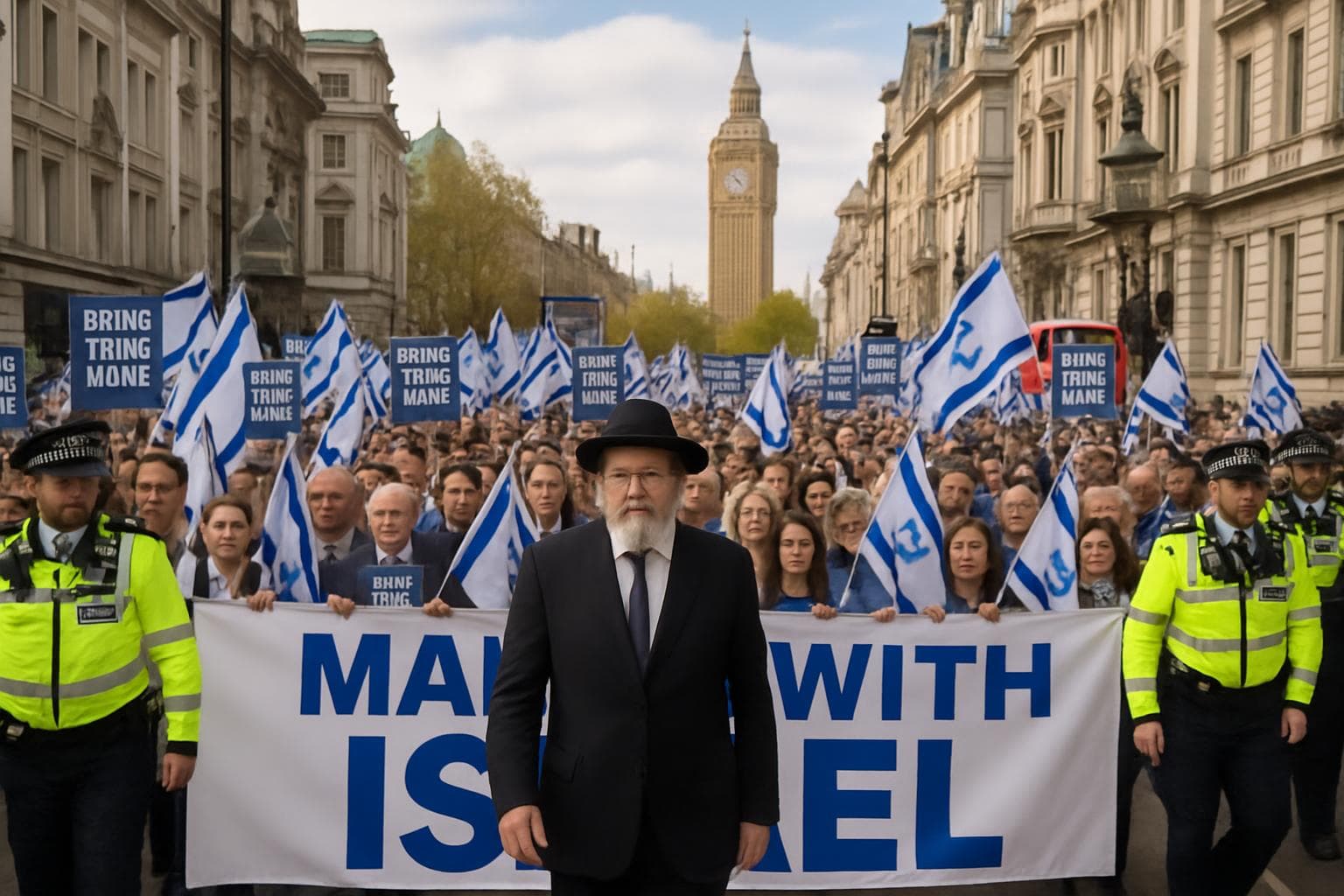
In a fervent demonstration through central London, hundreds of pro-Israel supporters, led by the UK's chief rabbi Sir Ephraim Mirvis, called for the immediate release of hostages held by Hamas in Gaza. The march, organized by Jewish groups including Stop The Hate, underscored the community's growing frustration with the UK government's foreign policy stance.
Hostage Crisis and Political Criticism
The protest, which drew an estimated 2,000 participants, was marked by a strong plea to prioritize the release of hostages over political maneuvers. Protesters criticized Labour's plan to recognize a Palestinian state in September unless Israel meets specific conditions, including a ceasefire and a commitment to a two-state solution. Sir Ephraim Mirvis questioned the morality of recognizing a state led by a group with hostile intentions towards Israel.
Personal Stories and Public Outcry
Among the demonstrators were family members of hostages, such as Adam Ma'anit, who lost relatives in the October 7 attacks. Ma'anit expressed his discontent with the UK government's approach, emphasizing that freeing the hostages could pave the way for resolving the broader Middle East crisis. The protest also featured emotional speeches from individuals like Noga Guttman, whose cousin Evyatar David remains in captivity.
Security and Rising Tensions
The march, which began at Lincoln’s Inn Fields and concluded near Downing Street, was closely monitored by police and Jewish safety groups. Despite minor scuffles and three arrests, the event remained largely peaceful. However, the demonstration highlighted concerns over a surge in antisemitic incidents in the UK since the recent escalation in the Middle East.
WHAT THIS MIGHT MEAN
The protest in London reflects a broader tension between domestic political decisions and international diplomatic challenges. If the UK proceeds with recognizing a Palestinian state, it could strain relations with Israel and provoke further domestic unrest. Experts suggest that prioritizing the release of hostages could serve as a diplomatic lever to ease tensions and foster dialogue. As the situation evolves, the UK government faces the delicate task of balancing international commitments with the safety and concerns of its Jewish community.
Related Articles

UK Faces Dilemmas Amid Iran Conflict and China Spying Allegations

Labour MP's Husband Arrested in UK-China Espionage Probe

Diplomatic Tensions Rise as Trump Criticizes Starmer's Iran Policy
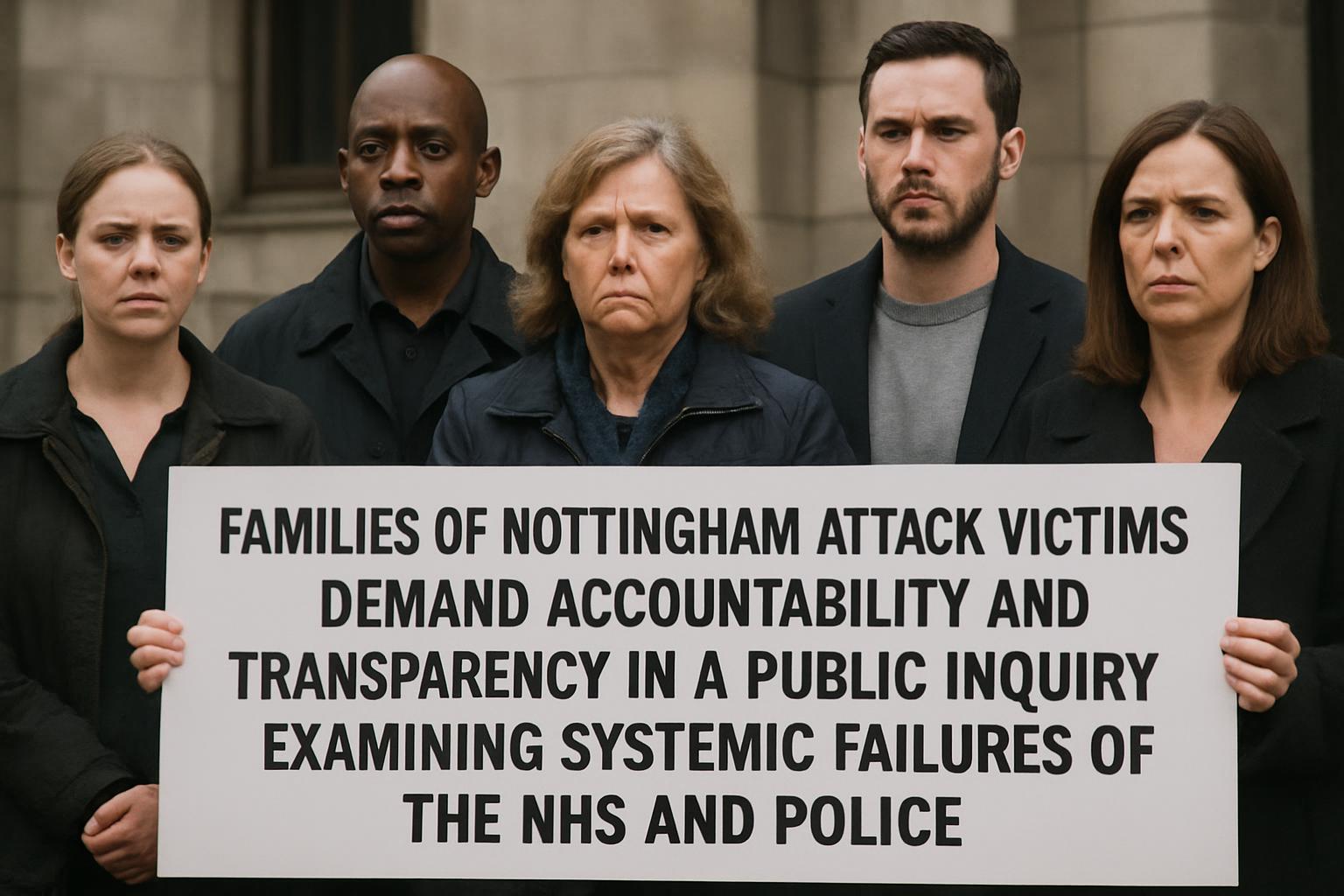
Nottingham Attacks Inquiry: Families Demand Accountability and Truth

Prince Andrew's Ties to Epstein Under Scrutiny Amid Calls for Inquiry

Middle East Conflict Drives UK Energy Prices to New Highs
London Protest Calls for Hostage Release Amidst Political Tensions
In This Article
 Ethan Brooks| Published
 HIGHLIGHTS
- Hundreds marched in London, led by UK's chief rabbi, demanding the release of hostages held by Hamas in Gaza.
- Protesters criticized Labour's pledge to recognize a Palestinian state unless Israel meets certain conditions.
- The demonstration saw minor scuffles and resulted in three arrests, with a significant police presence ensuring security.
- Family members of hostages, including Adam Ma'anit, voiced frustration over the UK government's foreign policy.
- The protest highlighted concerns over rising antisemitic incidents in the UK since October 2023.
In a fervent demonstration through central London, hundreds of pro-Israel supporters, led by the UK's chief rabbi Sir Ephraim Mirvis, called for the immediate release of hostages held by Hamas in Gaza. The march, organized by Jewish groups including Stop The Hate, underscored the community's growing frustration with the UK government's foreign policy stance.
Hostage Crisis and Political Criticism
The protest, which drew an estimated 2,000 participants, was marked by a strong plea to prioritize the release of hostages over political maneuvers. Protesters criticized Labour's plan to recognize a Palestinian state in September unless Israel meets specific conditions, including a ceasefire and a commitment to a two-state solution. Sir Ephraim Mirvis questioned the morality of recognizing a state led by a group with hostile intentions towards Israel.
Personal Stories and Public Outcry
Among the demonstrators were family members of hostages, such as Adam Ma'anit, who lost relatives in the October 7 attacks. Ma'anit expressed his discontent with the UK government's approach, emphasizing that freeing the hostages could pave the way for resolving the broader Middle East crisis. The protest also featured emotional speeches from individuals like Noga Guttman, whose cousin Evyatar David remains in captivity.
Security and Rising Tensions
The march, which began at Lincoln’s Inn Fields and concluded near Downing Street, was closely monitored by police and Jewish safety groups. Despite minor scuffles and three arrests, the event remained largely peaceful. However, the demonstration highlighted concerns over a surge in antisemitic incidents in the UK since the recent escalation in the Middle East.
WHAT THIS MIGHT MEAN
The protest in London reflects a broader tension between domestic political decisions and international diplomatic challenges. If the UK proceeds with recognizing a Palestinian state, it could strain relations with Israel and provoke further domestic unrest. Experts suggest that prioritizing the release of hostages could serve as a diplomatic lever to ease tensions and foster dialogue. As the situation evolves, the UK government faces the delicate task of balancing international commitments with the safety and concerns of its Jewish community.
Related Articles
UK Faces Dilemmas Amid Iran Conflict and China Spying Allegations
Labour MP's Husband Arrested in UK-China Espionage Probe
Diplomatic Tensions Rise as Trump Criticizes Starmer's Iran Policy
Nottingham Attacks Inquiry: Families Demand Accountability and Truth
Prince Andrew's Ties to Epstein Under Scrutiny Amid Calls for Inquiry
Middle East Conflict Drives UK Energy Prices to New Highs