
Louvre Heist Sparks Criticism Over Security Lapses
In This Article
HIGHLIGHTS
- The Louvre faced criticism for prioritizing new art acquisitions over security, leading to a €88m jewel heist.
- A Court of Auditors report highlighted inadequate security investments from 2018 to 2024.
- Four suspects, including a former museum guard, are in custody for the October 19 theft.
- Only 39% of the museum's rooms had CCTV by 2024, with full upgrades not expected until 2032.
- The Louvre accepted most audit recommendations, acknowledging the need for improved security measures.
The recent theft of €88 million worth of crown jewels from the Louvre has ignited a storm of criticism over the museum's security practices. The heist, which occurred in broad daylight on October 19, has been described as a "deafening wake-up call" by Pierre Moscovici, head of France's state auditor. The Court of Auditors' report, completed before the theft, revealed that the museum had consistently prioritized visible projects over essential security upgrades.
Security Shortcomings Exposed
The report scrutinized the Louvre's management from 2018 to 2024, highlighting a significant imbalance in spending. While €105.4 million was allocated for new artworks and €63.5 million for exhibition spaces, only €26.7 million was spent on maintenance and €59.5 million on building restoration. This neglect of security measures left the museum vulnerable, with only 39% of rooms equipped with CCTV cameras by 2024. The full implementation of recommended security upgrades is not expected until 2032.
The Heist and Its Aftermath
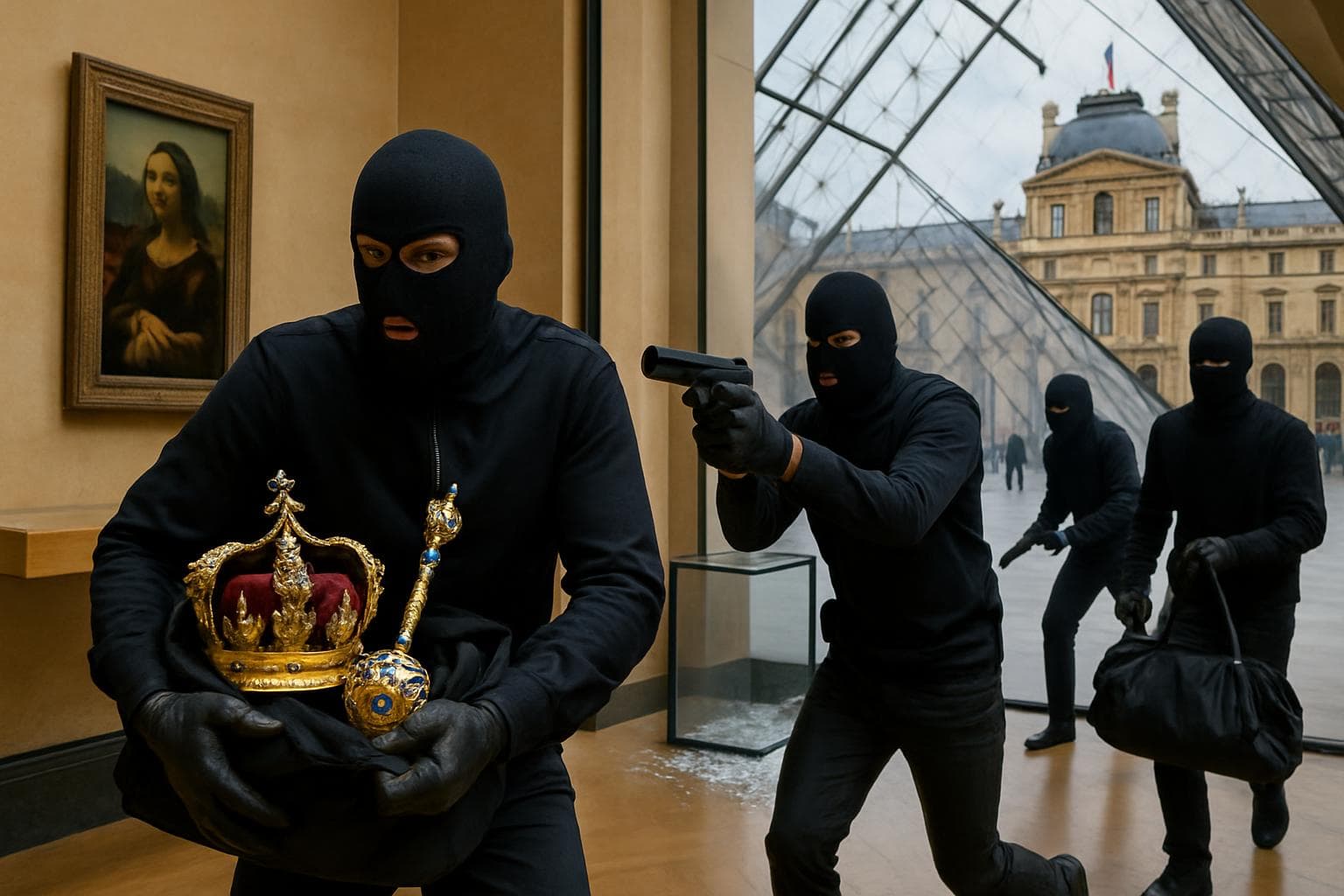
The audacious robbery involved a four-man gang using a stolen truck and extendable ladder to access the Louvre's Apollo Gallery. In under seven minutes, they smashed display cases and fled with eight valuable items, including a necklace and diadem linked to Napoleon's family. Four suspects, including Abdoulaye N, a former guard at the Center Pompidou, are now in custody. Known for his daring motocross stunts, Abdoulaye N was once a local hero in northern Paris.
Louvre's Response and Future Plans
In response to the audit, the Louvre has accepted most recommendations, acknowledging the need for enhanced security measures. The museum's management emphasized the importance of long-term planning, stating, "When it comes to the biggest and most visited museum in the world, the only balanced judgment is one that looks at the long term." The ambitious New Renaissance project, aimed at expanding exhibition spaces, is now under scrutiny due to its soaring costs and lack of feasibility studies.
WHAT THIS MIGHT MEAN
The Louvre's management faces significant pressure to address security vulnerabilities and restore public confidence. Implementing the audit's recommendations will be crucial in preventing future incidents. The heist has also sparked a broader debate on the balance between cultural heritage protection and public accessibility. As the museum navigates these challenges, it must ensure that security upgrades do not compromise its mission to showcase art to millions of visitors annually. The outcome of the ongoing investigation and subsequent legal proceedings will likely influence future security policies at cultural institutions worldwide.
Images from the Web






Related Articles
Arrests Over French Activist's Death Heighten Political Tensions
Gisèle Pelicot: A Journey from Horror to Advocacy in France's Largest Rape Trial
Louvre Museum Faces Challenges Amid Water Leak and Ticket Fraud Investigation

UK and Allies Accuse Russia of Killing Navalny with Dart Frog Toxin

French and UK Authorities Intensify Investigations into Elon Musk's X and Grok AI

Trump's Board of Peace Pledges $7 Billion for Gaza Amidst International Skepticism
Louvre Heist Sparks Criticism Over Security Lapses
In This Article
 Sofia Romano| Published
 HIGHLIGHTS
- The Louvre faced criticism for prioritizing new art acquisitions over security, leading to a €88m jewel heist.
- A Court of Auditors report highlighted inadequate security investments from 2018 to 2024.
- Four suspects, including a former museum guard, are in custody for the October 19 theft.
- Only 39% of the museum's rooms had CCTV by 2024, with full upgrades not expected until 2032.
- The Louvre accepted most audit recommendations, acknowledging the need for improved security measures.
The recent theft of €88 million worth of crown jewels from the Louvre has ignited a storm of criticism over the museum's security practices. The heist, which occurred in broad daylight on October 19, has been described as a "deafening wake-up call" by Pierre Moscovici, head of France's state auditor. The Court of Auditors' report, completed before the theft, revealed that the museum had consistently prioritized visible projects over essential security upgrades.
Security Shortcomings Exposed
The report scrutinized the Louvre's management from 2018 to 2024, highlighting a significant imbalance in spending. While €105.4 million was allocated for new artworks and €63.5 million for exhibition spaces, only €26.7 million was spent on maintenance and €59.5 million on building restoration. This neglect of security measures left the museum vulnerable, with only 39% of rooms equipped with CCTV cameras by 2024. The full implementation of recommended security upgrades is not expected until 2032.
The Heist and Its Aftermath
The audacious robbery involved a four-man gang using a stolen truck and extendable ladder to access the Louvre's Apollo Gallery. In under seven minutes, they smashed display cases and fled with eight valuable items, including a necklace and diadem linked to Napoleon's family. Four suspects, including Abdoulaye N, a former guard at the Center Pompidou, are now in custody. Known for his daring motocross stunts, Abdoulaye N was once a local hero in northern Paris.
Louvre's Response and Future Plans
In response to the audit, the Louvre has accepted most recommendations, acknowledging the need for enhanced security measures. The museum's management emphasized the importance of long-term planning, stating, "When it comes to the biggest and most visited museum in the world, the only balanced judgment is one that looks at the long term." The ambitious New Renaissance project, aimed at expanding exhibition spaces, is now under scrutiny due to its soaring costs and lack of feasibility studies.
WHAT THIS MIGHT MEAN
The Louvre's management faces significant pressure to address security vulnerabilities and restore public confidence. Implementing the audit's recommendations will be crucial in preventing future incidents. The heist has also sparked a broader debate on the balance between cultural heritage protection and public accessibility. As the museum navigates these challenges, it must ensure that security upgrades do not compromise its mission to showcase art to millions of visitors annually. The outcome of the ongoing investigation and subsequent legal proceedings will likely influence future security policies at cultural institutions worldwide.
Images from the Web
Related Articles
Arrests Over French Activist's Death Heighten Political Tensions
Gisèle Pelicot: A Journey from Horror to Advocacy in France's Largest Rape Trial
Louvre Museum Faces Challenges Amid Water Leak and Ticket Fraud Investigation
UK and Allies Accuse Russia of Killing Navalny with Dart Frog Toxin
French and UK Authorities Intensify Investigations into Elon Musk's X and Grok AI
Trump's Board of Peace Pledges $7 Billion for Gaza Amidst International Skepticism