
Macron and Starmer Seek Joint Solution to Channel Migration Crisis
In This Article
HIGHLIGHTS
- French President Emmanuel Macron and UK Prime Minister Sir Keir Starmer are negotiating a deal to address the small boats crisis in the English Channel.
- The proposed "one in, one out" policy aims to return migrants arriving by small boats to France, while accepting asylum seekers with UK family ties.
- Macron emphasized the need for European cooperation to effectively manage irregular migration and prevent exploitation by criminal networks.
- The UK is in talks with the European Commission to address opposition from Mediterranean countries concerned about the migrant returns policy.
- New powers for French police to intercept boats in shallow waters are expected to be operational soon, following months of negotiations.
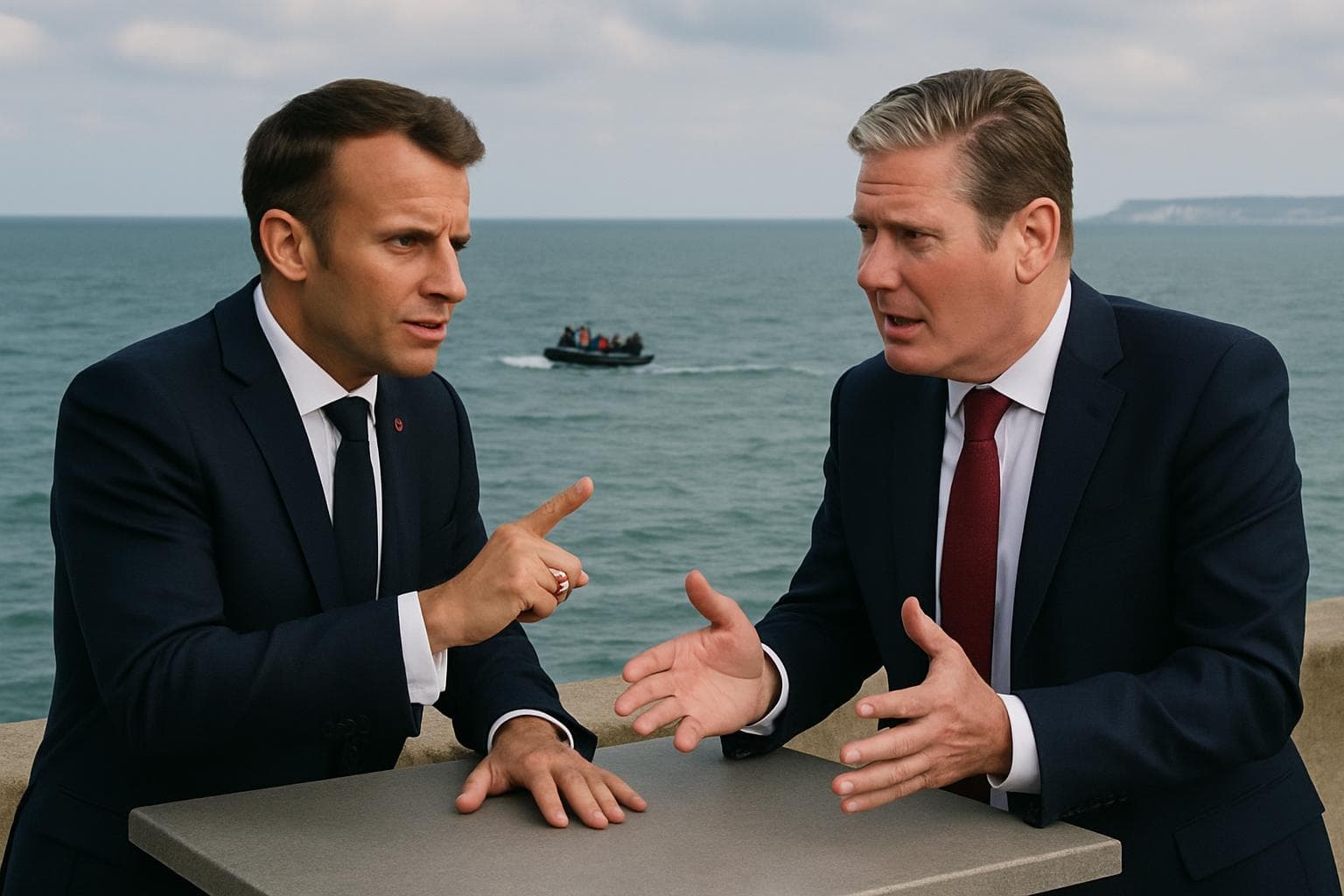
French President Emmanuel Macron and UK Prime Minister Sir Keir Starmer are engaged in crucial negotiations to address the ongoing small boats crisis in the English Channel. The discussions, taking place during Macron's state visit to the UK, aim to finalize a "one in, one out" migration policy. This proposed arrangement would see the UK return migrants arriving by small boats to France, in exchange for accepting asylum seekers with family connections in Britain.
Joint Efforts to Curb Channel Crossings
The talks between Macron and Starmer are part of a broader effort to enhance border enforcement and tackle irregular migration. Macron, addressing the UK Parliament, underscored the shared responsibility of France and the UK to manage migration with "humanity, solidarity, and fairness." He highlighted the importance of European cooperation in achieving a lasting solution and preventing criminal networks from exploiting vulnerable individuals.
Challenges and European Cooperation
While optimism surrounds the potential agreement, challenges remain. The UK is negotiating with the European Commission to address concerns from Mediterranean countries about the migrant returns policy. These countries fear being burdened with individuals deported from the UK. Macron stressed that a sustainable solution requires action at the European level, emphasizing the need for collective efforts to manage migration effectively.
Operational Changes and Law Enforcement
In a bid to enhance enforcement, new powers for French police to intercept boats in shallow waters are expected to be implemented soon. This development follows extensive negotiations between the UK and France. Recent actions by French officers, such as puncturing inflatable boats, signal a shift in strategy to deter crossings.
WHAT THIS MIGHT MEAN
The outcome of the UK-France negotiations could significantly impact the management of Channel crossings. If the "one in, one out" policy is successfully implemented, it may serve as a deterrent to migrants considering the perilous journey. However, the effectiveness of this policy hinges on the scale of exchanges and the cooperation of European partners.
The broader implications of these talks extend to European migration policy. A successful agreement could pave the way for enhanced collaboration among EU countries, addressing migration challenges collectively. Conversely, failure to reach a consensus may exacerbate tensions within Europe, highlighting the complexities of managing migration in a post-Brexit landscape.
Experts suggest that the negotiations could set a precedent for future migration agreements, emphasizing the importance of balancing national interests with humanitarian considerations. As discussions continue, the international community will be watching closely, aware of the potential ripple effects on migration policies across Europe.
Images from the Web

Related Articles
Trump Raises Import Tariffs to 15% After Supreme Court Setback
UK Denies US Use of Military Bases for Potential Iran Strikes Amid Chagos Islands Dispute

Breakthrough Drug Offers Hope for Children with Severe Epilepsy
Russian LNG Tanker Sinks in Mediterranean Amid Accusations of Ukrainian Drone Attack

UK Faces Dilemmas Amid Iran Conflict and China Spying Allegations

Labour MP's Husband Arrested in UK-China Espionage Probe
Macron and Starmer Seek Joint Solution to Channel Migration Crisis
In This Article
 Leila Hassan| Published
 HIGHLIGHTS
- French President Emmanuel Macron and UK Prime Minister Sir Keir Starmer are negotiating a deal to address the small boats crisis in the English Channel.
- The proposed "one in, one out" policy aims to return migrants arriving by small boats to France, while accepting asylum seekers with UK family ties.
- Macron emphasized the need for European cooperation to effectively manage irregular migration and prevent exploitation by criminal networks.
- The UK is in talks with the European Commission to address opposition from Mediterranean countries concerned about the migrant returns policy.
- New powers for French police to intercept boats in shallow waters are expected to be operational soon, following months of negotiations.
French President Emmanuel Macron and UK Prime Minister Sir Keir Starmer are engaged in crucial negotiations to address the ongoing small boats crisis in the English Channel. The discussions, taking place during Macron's state visit to the UK, aim to finalize a "one in, one out" migration policy. This proposed arrangement would see the UK return migrants arriving by small boats to France, in exchange for accepting asylum seekers with family connections in Britain.
Joint Efforts to Curb Channel Crossings
The talks between Macron and Starmer are part of a broader effort to enhance border enforcement and tackle irregular migration. Macron, addressing the UK Parliament, underscored the shared responsibility of France and the UK to manage migration with "humanity, solidarity, and fairness." He highlighted the importance of European cooperation in achieving a lasting solution and preventing criminal networks from exploiting vulnerable individuals.
Challenges and European Cooperation
While optimism surrounds the potential agreement, challenges remain. The UK is negotiating with the European Commission to address concerns from Mediterranean countries about the migrant returns policy. These countries fear being burdened with individuals deported from the UK. Macron stressed that a sustainable solution requires action at the European level, emphasizing the need for collective efforts to manage migration effectively.
Operational Changes and Law Enforcement
In a bid to enhance enforcement, new powers for French police to intercept boats in shallow waters are expected to be implemented soon. This development follows extensive negotiations between the UK and France. Recent actions by French officers, such as puncturing inflatable boats, signal a shift in strategy to deter crossings.
WHAT THIS MIGHT MEAN
The outcome of the UK-France negotiations could significantly impact the management of Channel crossings. If the "one in, one out" policy is successfully implemented, it may serve as a deterrent to migrants considering the perilous journey. However, the effectiveness of this policy hinges on the scale of exchanges and the cooperation of European partners.
The broader implications of these talks extend to European migration policy. A successful agreement could pave the way for enhanced collaboration among EU countries, addressing migration challenges collectively. Conversely, failure to reach a consensus may exacerbate tensions within Europe, highlighting the complexities of managing migration in a post-Brexit landscape.
Experts suggest that the negotiations could set a precedent for future migration agreements, emphasizing the importance of balancing national interests with humanitarian considerations. As discussions continue, the international community will be watching closely, aware of the potential ripple effects on migration policies across Europe.
Images from the Web
Related Articles
Trump Raises Import Tariffs to 15% After Supreme Court Setback
UK Denies US Use of Military Bases for Potential Iran Strikes Amid Chagos Islands Dispute
Breakthrough Drug Offers Hope for Children with Severe Epilepsy
Russian LNG Tanker Sinks in Mediterranean Amid Accusations of Ukrainian Drone Attack
UK Faces Dilemmas Amid Iran Conflict and China Spying Allegations
Labour MP's Husband Arrested in UK-China Espionage Probe