
Major Police Reforms Announced: Licences for Officers and New Accountability Measures
In This Article
HIGHLIGHTS
- Police officers in England and Wales will need a "licence to practice" to continue working, ensuring they have up-to-date skills.
- Home Secretary Shabana Mahmood announced sweeping reforms, including new powers to dismiss underperforming police chiefs.
- Poorly performing police forces will be publicly named, with new targets set for crime response and victim satisfaction.
- The reforms aim to centralize accountability, moving away from local police and crime commissioners by 2028.
- The initiative is expected to cost £500 million over three years, with anticipated savings from improved efficiency.
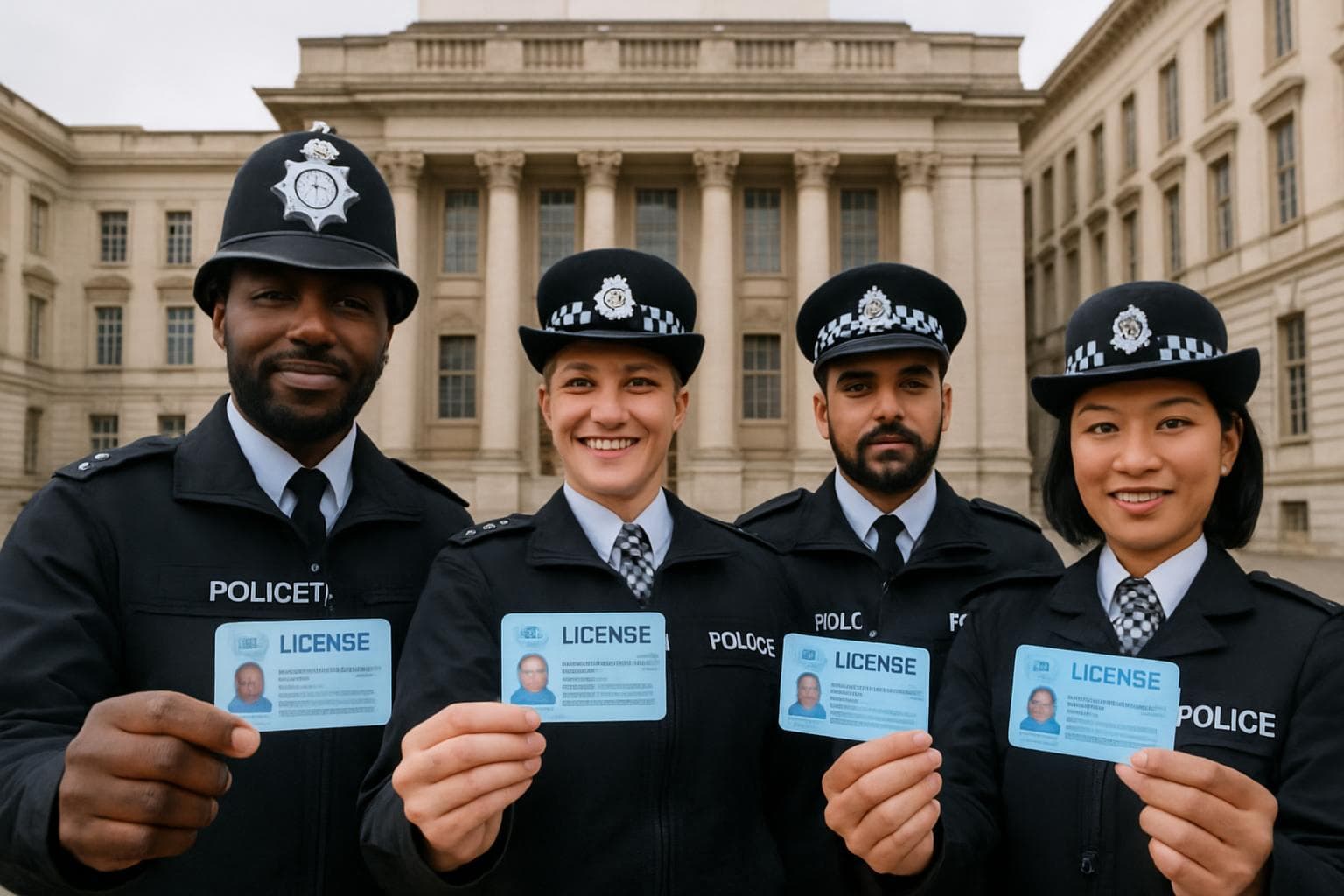
In a landmark move, the Home Office has unveiled comprehensive reforms aimed at overhauling policing in England and Wales. Every police officer will be required to hold a "licence to practice," ensuring they possess the necessary skills to tackle evolving crimes, particularly violence against women and girls. This initiative, akin to licensing systems for lawyers and doctors, is part of a broader strategy to enhance police accountability and performance.
Licensing and Training
The new licensing system will require officers to regularly update their skills, aligning with the latest policing methods. "Every police officer needs to remain match fit to protect their communities," stated Crime and Policing Minister Sarah Jones. The phased rollout of this programme will standardize training across all 43 police forces, aiming to equip officers with the skills needed for effective law enforcement.
Increased Accountability and Centralized Control
Home Secretary Shabana Mahmood has introduced measures granting ministers the power to dismiss underperforming chief constables and intervene in failing police forces. This shift marks a significant centralization of power, moving away from the current system where police and crime commissioners (PCCs) hold such authority. By 2028, PCCs are expected to be phased out, with the government taking a more direct role in policing oversight.
Public Naming of Underperforming Forces
As part of the reforms, police forces will face new targets related to crime response times, victim satisfaction, and public trust. Poorly performing forces will be publicly named, with results published on a dashboard for public comparison. This transparency aims to drive improvements and accountability within the police service.
Financial Implications and Support
The reforms are projected to cost £500 million over three years, with expectations of recouping costs through increased efficiency and savings. While the initiative has garnered broad support from police chiefs, some express concerns about the potential for perverse incentives with national targets. Nonetheless, the reforms are seen as a necessary step to ensure that police forces meet the expectations of the communities they serve.
WHAT THIS MIGHT MEAN
The introduction of a licensing system for police officers could lead to significant improvements in policing standards, ensuring officers are well-equipped to handle modern challenges. However, the centralization of power may face resistance from those who favor local governance. The public naming of underperforming forces could increase transparency but may also pressure forces to prioritize metrics over meaningful service improvements. As the reforms unfold, the balance between accountability and operational autonomy will be crucial in determining their success.
Related Articles

Police Federation Chief Arrested Amid Fraud Investigation

Crackdown on Waste Crime: £1.2 Million Fine and New Drone Unit to Combat Illegal Dumping
UK Government to Reform Asylum Seeker Support and Employment Policies

Saharan Dust to Illuminate UK Skies with Vivid Sunrises and Sunsets

Sisters Tragically Drown at Eryri National Park's Watkin Path
Labour MP's Husband Arrested in UK-China Espionage Probe
Major Police Reforms Announced: Licences for Officers and New Accountability Measures
In This Article
 Sofia Romano| Published
 HIGHLIGHTS
- Police officers in England and Wales will need a "licence to practice" to continue working, ensuring they have up-to-date skills.
- Home Secretary Shabana Mahmood announced sweeping reforms, including new powers to dismiss underperforming police chiefs.
- Poorly performing police forces will be publicly named, with new targets set for crime response and victim satisfaction.
- The reforms aim to centralize accountability, moving away from local police and crime commissioners by 2028.
- The initiative is expected to cost £500 million over three years, with anticipated savings from improved efficiency.
In a landmark move, the Home Office has unveiled comprehensive reforms aimed at overhauling policing in England and Wales. Every police officer will be required to hold a "licence to practice," ensuring they possess the necessary skills to tackle evolving crimes, particularly violence against women and girls. This initiative, akin to licensing systems for lawyers and doctors, is part of a broader strategy to enhance police accountability and performance.
Licensing and Training
The new licensing system will require officers to regularly update their skills, aligning with the latest policing methods. "Every police officer needs to remain match fit to protect their communities," stated Crime and Policing Minister Sarah Jones. The phased rollout of this programme will standardize training across all 43 police forces, aiming to equip officers with the skills needed for effective law enforcement.
Increased Accountability and Centralized Control
Home Secretary Shabana Mahmood has introduced measures granting ministers the power to dismiss underperforming chief constables and intervene in failing police forces. This shift marks a significant centralization of power, moving away from the current system where police and crime commissioners (PCCs) hold such authority. By 2028, PCCs are expected to be phased out, with the government taking a more direct role in policing oversight.
Public Naming of Underperforming Forces
As part of the reforms, police forces will face new targets related to crime response times, victim satisfaction, and public trust. Poorly performing forces will be publicly named, with results published on a dashboard for public comparison. This transparency aims to drive improvements and accountability within the police service.
Financial Implications and Support
The reforms are projected to cost £500 million over three years, with expectations of recouping costs through increased efficiency and savings. While the initiative has garnered broad support from police chiefs, some express concerns about the potential for perverse incentives with national targets. Nonetheless, the reforms are seen as a necessary step to ensure that police forces meet the expectations of the communities they serve.
WHAT THIS MIGHT MEAN
The introduction of a licensing system for police officers could lead to significant improvements in policing standards, ensuring officers are well-equipped to handle modern challenges. However, the centralization of power may face resistance from those who favor local governance. The public naming of underperforming forces could increase transparency but may also pressure forces to prioritize metrics over meaningful service improvements. As the reforms unfold, the balance between accountability and operational autonomy will be crucial in determining their success.
Related Articles
Police Federation Chief Arrested Amid Fraud Investigation
Crackdown on Waste Crime: £1.2 Million Fine and New Drone Unit to Combat Illegal Dumping
UK Government to Reform Asylum Seeker Support and Employment Policies
Saharan Dust to Illuminate UK Skies with Vivid Sunrises and Sunsets
Sisters Tragically Drown at Eryri National Park's Watkin Path
Labour MP's Husband Arrested in UK-China Espionage Probe